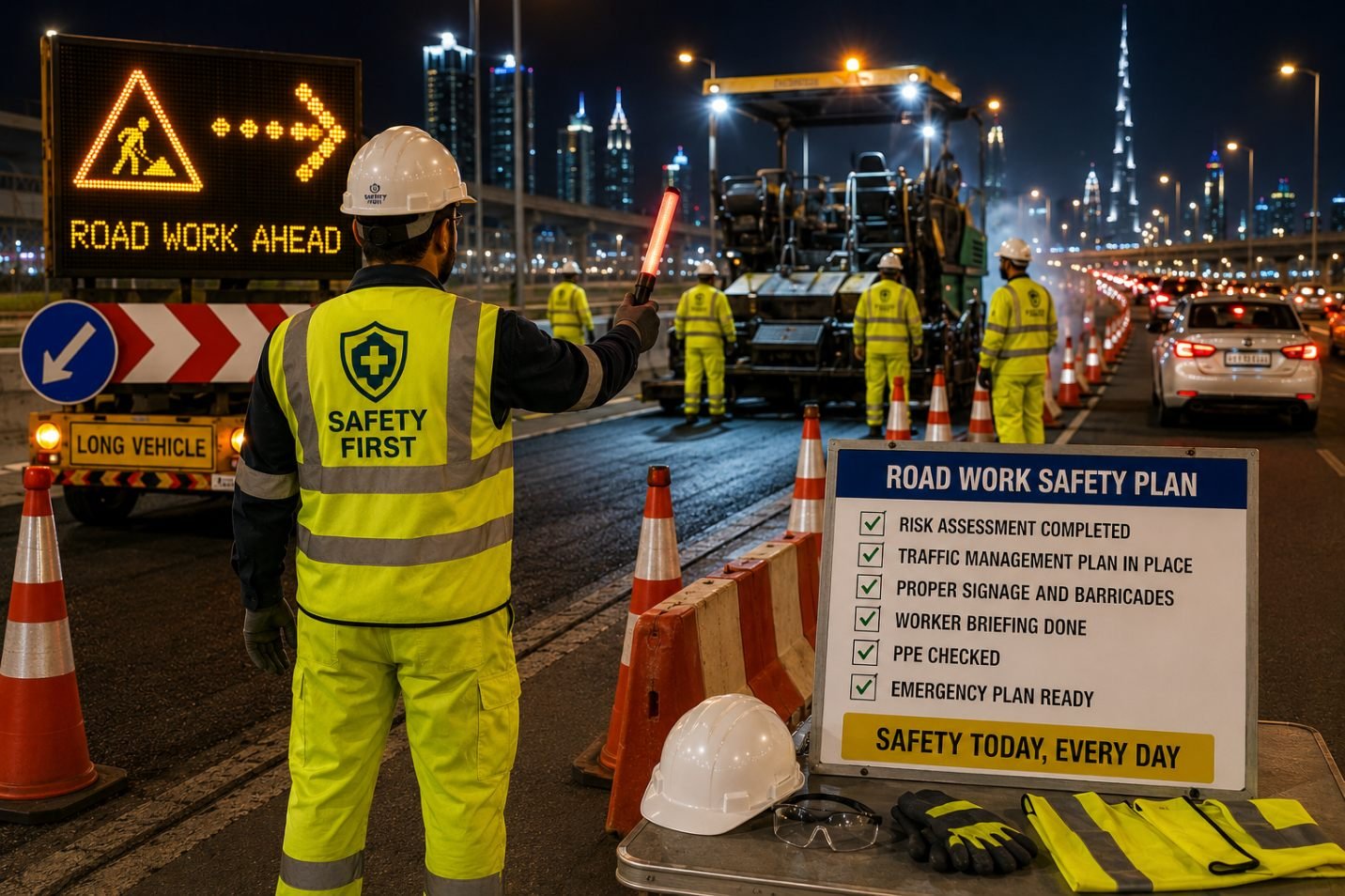
Road work puts crews within reach of moving traffic, often through the night and in temperatures that test endurance. A vehicle leaving its lane, a worker stepping into live traffic, or a poorly marked work zone can each turn fatal in seconds. A road work safety plan brings traffic control, worker protection, and clear signage into one system that keeps crews safe on UAE infrastructure projects. This guide gives planners and supervisors a structure plus a PPE checklist they can apply on site.
The UAE continues to build and maintain roads across Dubai, Abu Dhabi, and Sharjah, with crews working alongside some of the busiest traffic in the region. Many projects run at night to avoid daytime congestion and summer heat. A road work safety plan written for these conditions protects workers from the traffic hazard that defines this work.
Why a road work safety plan matters
The central hazard of road work is the moving vehicle. A worker on foot near live traffic depends on the driver seeing and respecting the work zone. When that fails, the consequences are severe. A safety plan reduces this risk through layered controls rather than relying on driver behaviour alone.
UAE conditions add factors that a generic plan misses. Night work changes visibility, summer heat strains workers, and high speed roads leave little margin for error. A road work safety plan built for the Emirates accounts for these and keeps protection matched to the real conditions on site.
The traffic hazard at the centre
Every road work safety measure traces back to keeping workers and moving vehicles apart. Barriers, signage, and high visibility gear all serve this goal. The plan organises these into a system rather than a scatter of separate measures.
Planning before the crew arrives
A safety plan is built before work starts, not improvised on site. It defines the traffic control layout, the worker protection, and the emergency response in advance. This planning means the crew arrives to a prepared and protected work zone.
Traffic management and work zone control
Separating traffic from workers is the foundation of the plan. Traffic management directs vehicles safely past or around the work zone.
Designing the traffic control layout
The layout guides drivers through advance warning, a transition where lanes shift, the work zone itself, and a return to normal flow. Each section needs the right signs, cones, and barriers. A clear layout gives drivers time to react before they reach the workers.
Barriers and physical separation
Physical barriers between traffic and workers provide protection that signs alone cannot. Where speed and proximity raise the risk, solid barriers stop a vehicle from entering the work zone. The level of separation matches the speed and volume of the road.
Speed reduction through the zone
Lower speeds give drivers and workers more reaction time and reduce the force of any impact. The plan uses signage and layout to bring speeds down through the work zone. This single measure reduces both the chance and the severity of a strike.
High visibility clothing and worker conspicuity
Workers must be seen by drivers, especially at night. High visibility clothing is the worker’s personal protection against the traffic hazard.
High visibility standards
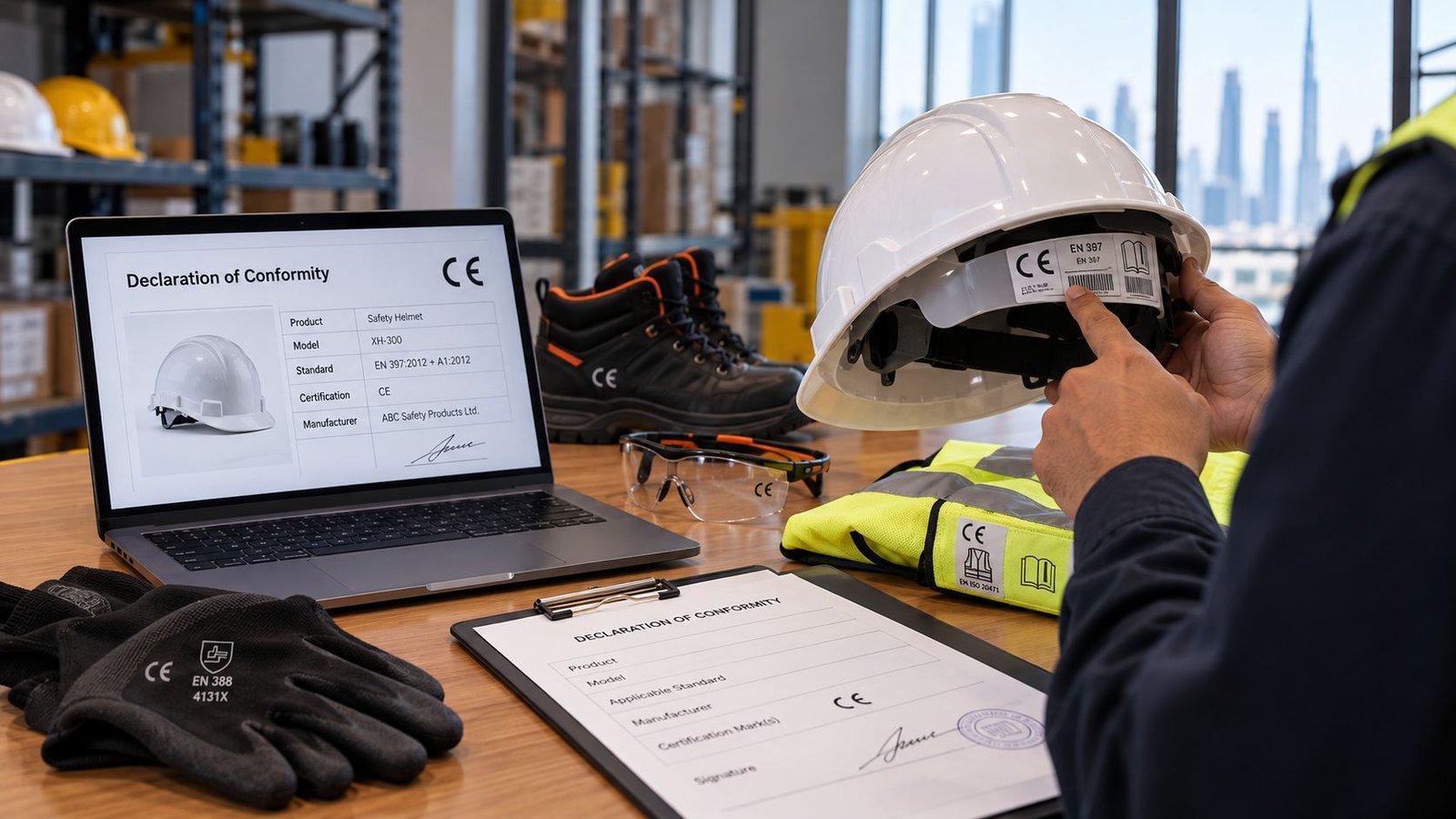
High visibility clothing should meet a recognised standard so it performs in the conditions of the work. Class and colour matter for the speed and lighting of the road. Faded or dirty hi vis loses its effect and needs replacing.
Visibility at night
Night work demands the strongest visibility. Reflective material that catches headlights makes workers conspicuous to approaching drivers. The placement of reflective strips on the body helps drivers judge a worker’s movement, not just their position.
Layering hi vis with other PPE
High visibility gear works alongside the rest of the worker’s PPE. It layers over or integrates with footwear, head protection, and weather gear. The plan confirms that hi vis stays visible when worn with everything else. The safety equipment for road workers guide covers the full set of gear for these crews.
AAA Safe Dubai supplies high visibility clothing, road safety signage, and traffic control equipment for UAE infrastructure projects. Contact our team for an assessment matched to your road work conditions.
Road work PPE checklist
The checklist below converts the plan’s protection requirements into a tick sheet for the supervisor. It confirms the crew is equipped before work begins.
| PPE AND EQUIPMENT ITEM | CONFIRMED |
|---|---|
| High visibility clothing meeting standard | |
| Reflective material clean and intact | |
| Safety footwear suitable for surface | |
| Head protection where overhead risk exists | |
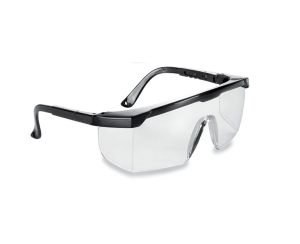
| Eye protection for cutting and grinding | |
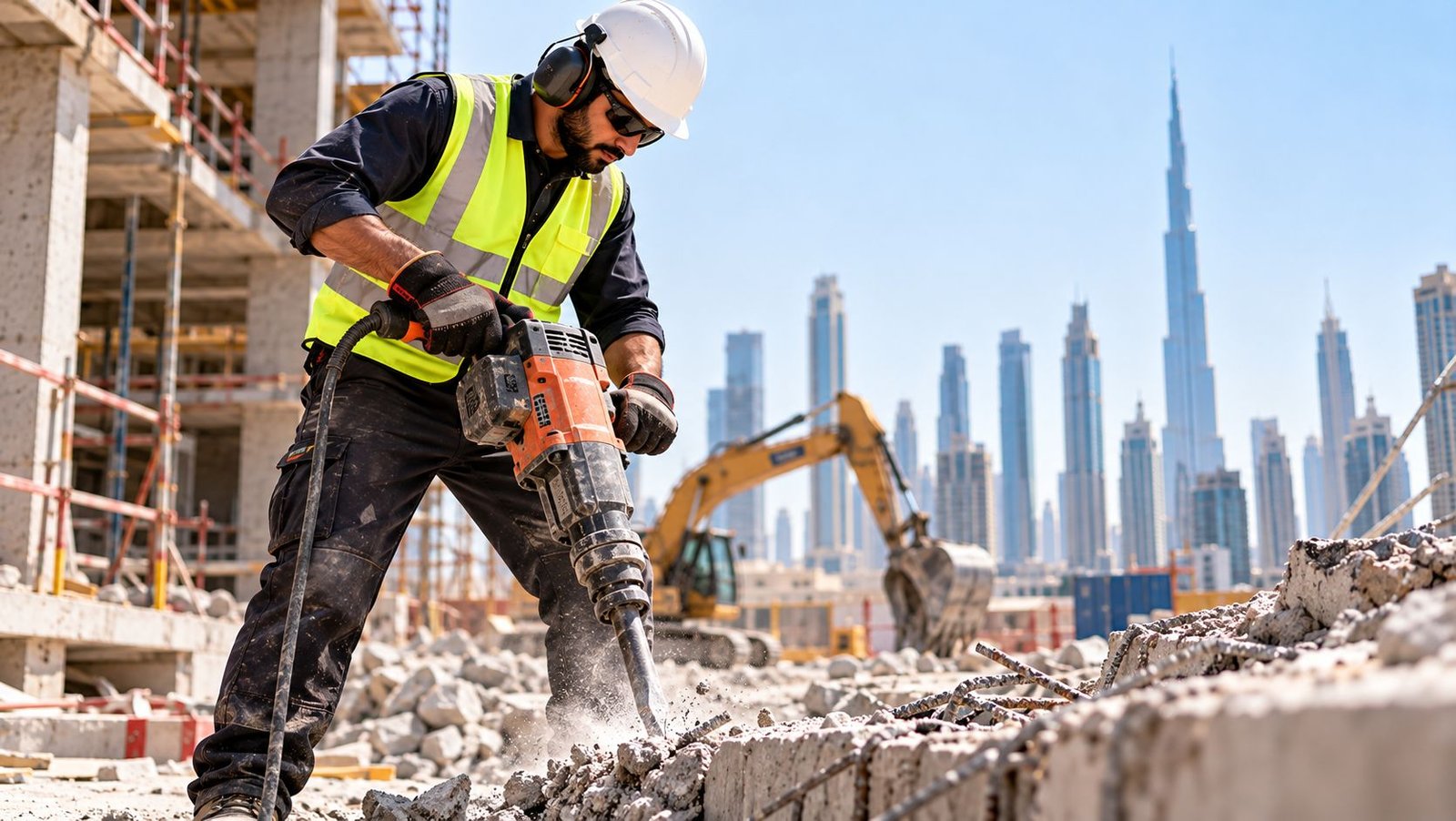
| Hearing protection in high noise tasks | |
| Gloves matched to the task | |
| Weather and heat protection for conditions | |
| Advance warning signs in place | |
| Cones and barriers positioned per layout |
Mandatory versus task based PPE
High visibility clothing and footwear apply to every worker in the zone. Eye, hearing, and hand protection apply to specific tasks such as cutting, breaking, or grinding. The checklist separates the baseline from the task additions so the crew is equipped correctly.
Checking before each shift
The supervisor runs the checklist before work starts each shift. This confirms the protection is present and in good condition. A worn vest or a missing sign gets fixed before the crew enters the live work zone.
Signage and traffic communication
Signs tell drivers what to expect and tell workers what zone they are in. Clear signage is central to the safety plan.
Bilingual signage requirements
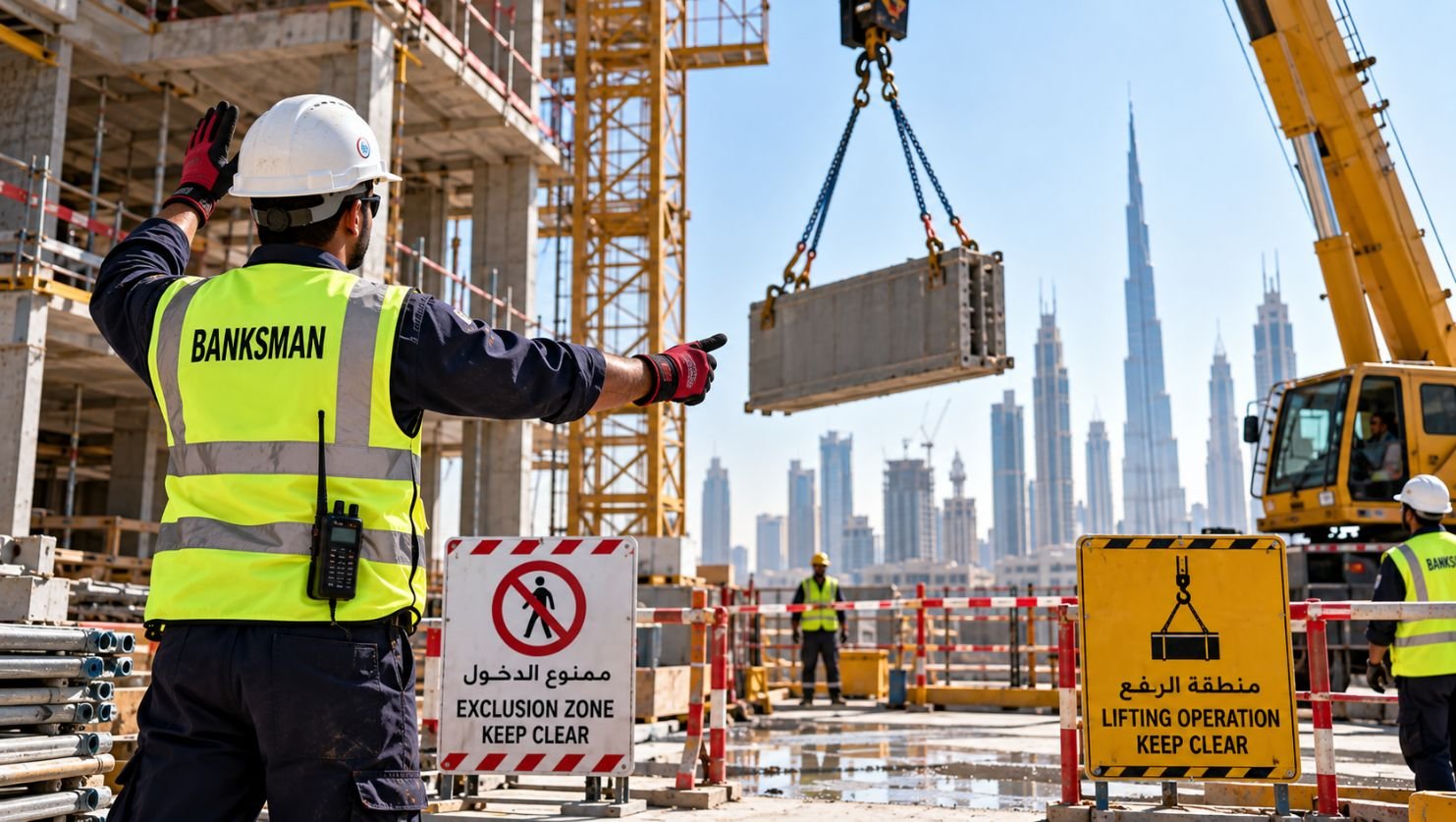
UAE roads serve a workforce and a driving population that speak many languages. Bilingual signs in Arabic and English communicate to the widest audience. The bilingual safety signs for workplace guide covers the requirements and placement of these signs.
Advance warning
Drivers need warning before they reach the work zone. Advance signs give time to slow down and move over. The distance of the warning matches the speed of the road so drivers react in time.
Signage condition and placement
Signs that are faded, dirty, or badly placed fail to communicate. The plan includes checking signs for visibility and correct position. Reflective signs that catch headlights matter for night work across UAE roads.
Heat and night work considerations
UAE road work faces extreme heat and frequent night operation. The plan addresses both.
Working through the heat
Summer heat strains road crews working on hot asphalt under the sun. Hydration, shade during breaks, and the midday work ban all apply to road work as to other outdoor work. The plan builds heat protection into the schedule and the equipment.
Night work safety
Night work avoids daytime heat and congestion but reduces visibility. Lighting the work zone, strengthening worker conspicuity, and managing fatigue all matter at night. The plan adjusts protection for the lower light conditions.
Managing worker fatigue
Long shifts, night hours, and heat all build fatigue that slows reaction and judgment. The plan manages fatigue through breaks and rotation. A tired worker near live traffic is a worker at higher risk.
AAA Safe Dubai stocks the road safety and workplace safety ranges including signage, cones, and tapes for UAE projects. Request an itemised quote for your infrastructure work.
Emergency response and incident readiness
Even with strong controls, an incident can occur near live traffic. The plan prepares the crew to respond.
Emergency procedures
The plan defines how workers raise the alarm, where they muster, and how they summon help. UAE emergency numbers are 998 for ambulance and 999 for police. Posting these and confirming them keeps the response fast.
First aid on site
A trained first aider and a stocked kit belong on every road work shift. The plan names the first aider so workers know who to reach. Quick first response matters before emergency services arrive.
Reporting and review
Recording incidents and near misses lets the team improve the plan. A near miss reveals a gap before it causes an injury. Reviewing these keeps the road work safety plan current across the project.
Frequently Asked Questions
A road work safety plan is a system that protects crews working near live traffic on infrastructure projects. It combines traffic management, worker protection, and signage. The plan keeps workers and moving vehicles apart through layered controls.
High visibility clothing makes workers conspicuous to drivers, which is the worker’s main personal protection against traffic. Reflective material is critical at night. Faded or dirty hi vis loses its effect and needs replacing.
The checklist includes high visibility clothing, footwear, head and eye protection, hearing protection, gloves, and weather gear. It also confirms signage and barriers are in place. The supervisor runs it before each shift.
UAE roads serve a workforce and driving population speaking many languages. Bilingual signs in Arabic and English reach the widest audience. Clear signage tells drivers what to expect before they reach the work zone.
Traffic management guides vehicles safely past the work zone through advance warning, lane transitions, and barriers. It separates traffic from workers and reduces speed through the zone. This separation is the foundation of road work safety.
The plan builds heat protection into the schedule and equipment through hydration, shade, and the midday work ban. Road crews face extreme heat on hot asphalt. The plan treats heat as a hazard alongside traffic.
Night work needs strong lighting, enhanced worker conspicuity, and fatigue management. The lower light raises the visibility challenge. The plan adjusts protection for night conditions across UAE roads.
High visibility clothing and footwear apply to every worker in the zone. Eye, hearing, and hand protection apply to specific tasks such as cutting and grinding. The checklist separates the baseline from the task additions.
Call 998 for an ambulance and 999 for police across the UAE. The plan posts these and names the on site first aider. Quick response matters before emergency services arrive.
Recording incidents and near misses reveals gaps before they cause injury. A near miss shows a weakness in the plan. Reviewing these keeps the plan current across the project.
Disclaimer
This article provides general guidance on road work safety planning for infrastructure projects in the UAE. It does not replace a site specific risk assessment or professional traffic management and safety advice. Requirements vary by road, speed, traffic volume, and project conditions.
The information here reflects general practice and does not constitute legal advice on road work or traffic regulations. Planners and supervisors should confirm current requirements with the relevant authorities for their project location.
For road work, traffic, and workplace safety requirements, consult the Ministry of Human Resources and Emiratisation, Dubai Municipality, and the relevant emirate roads and transport authority.