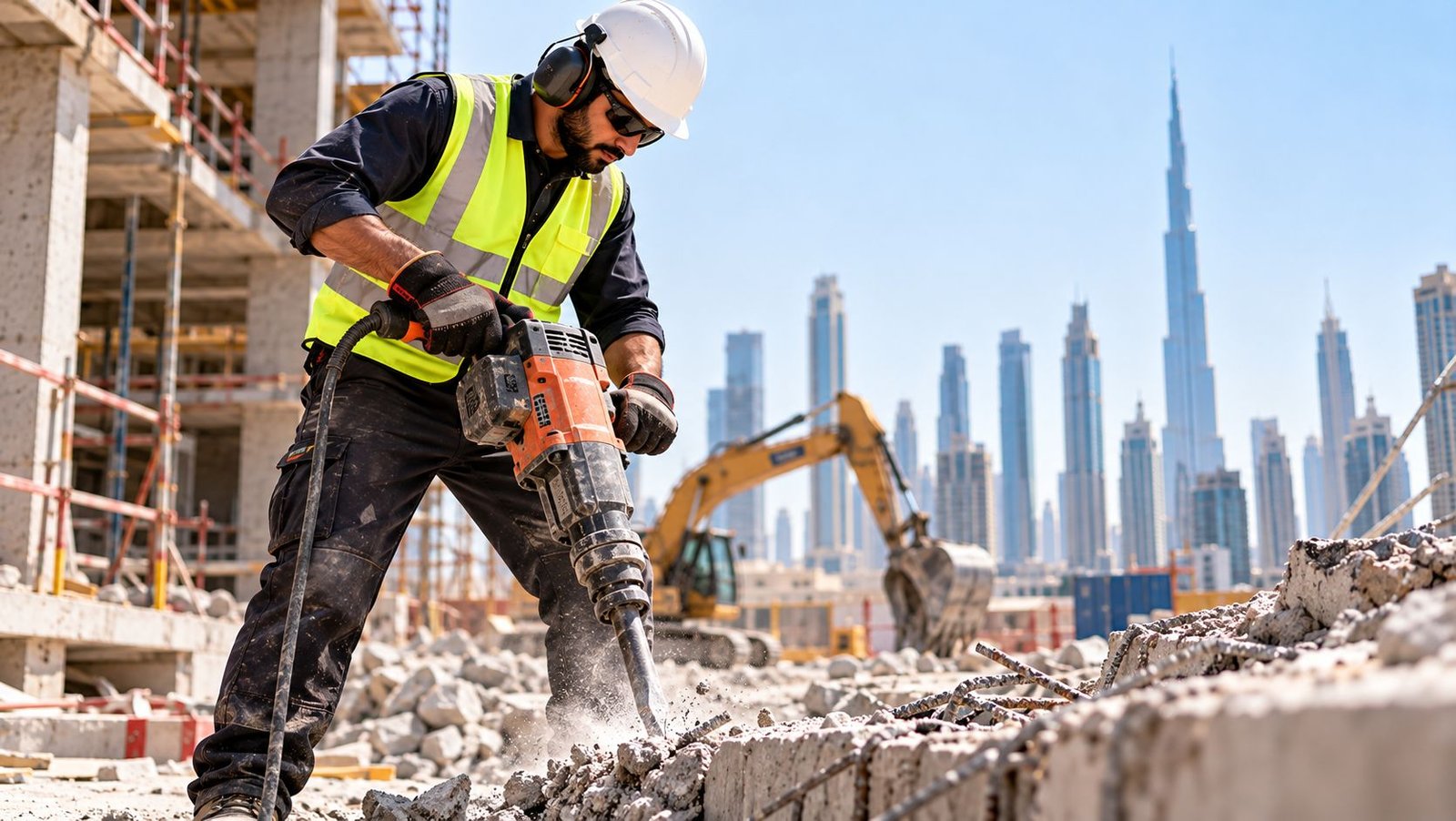
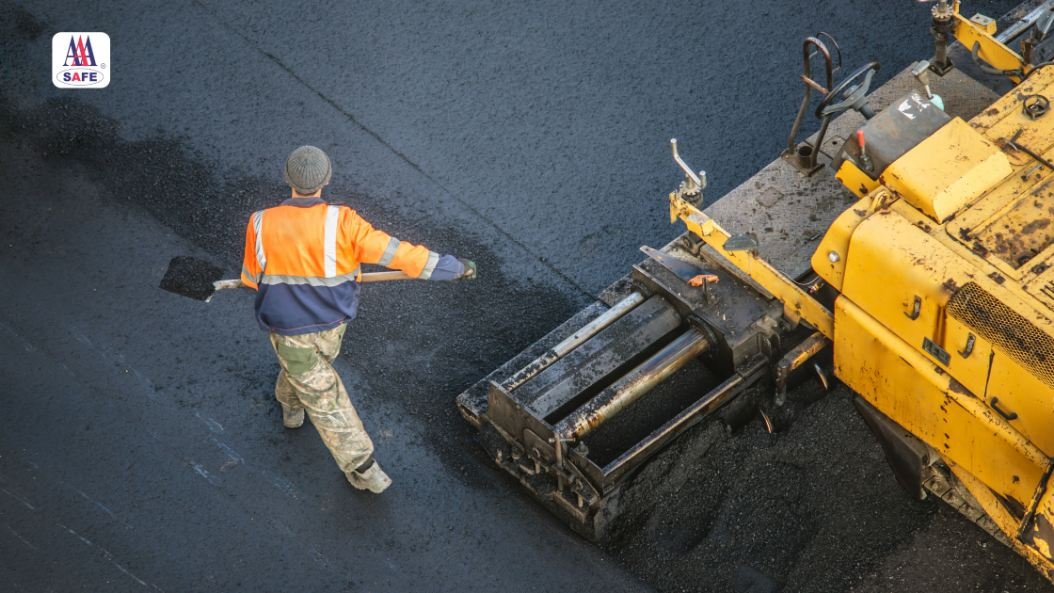
Road construction workers face hazards that most other construction trades never encounter. They work within metres of moving traffic travelling at 80-120 km/h. They operate heavy machinery on active roadways. They perform tasks in extreme heat while wearing high-visibility clothing that traps body heat. They set up work zones on multi-lane highways where a single misplaced barrier or missing sign creates collision risks affecting dozens of vehicles.
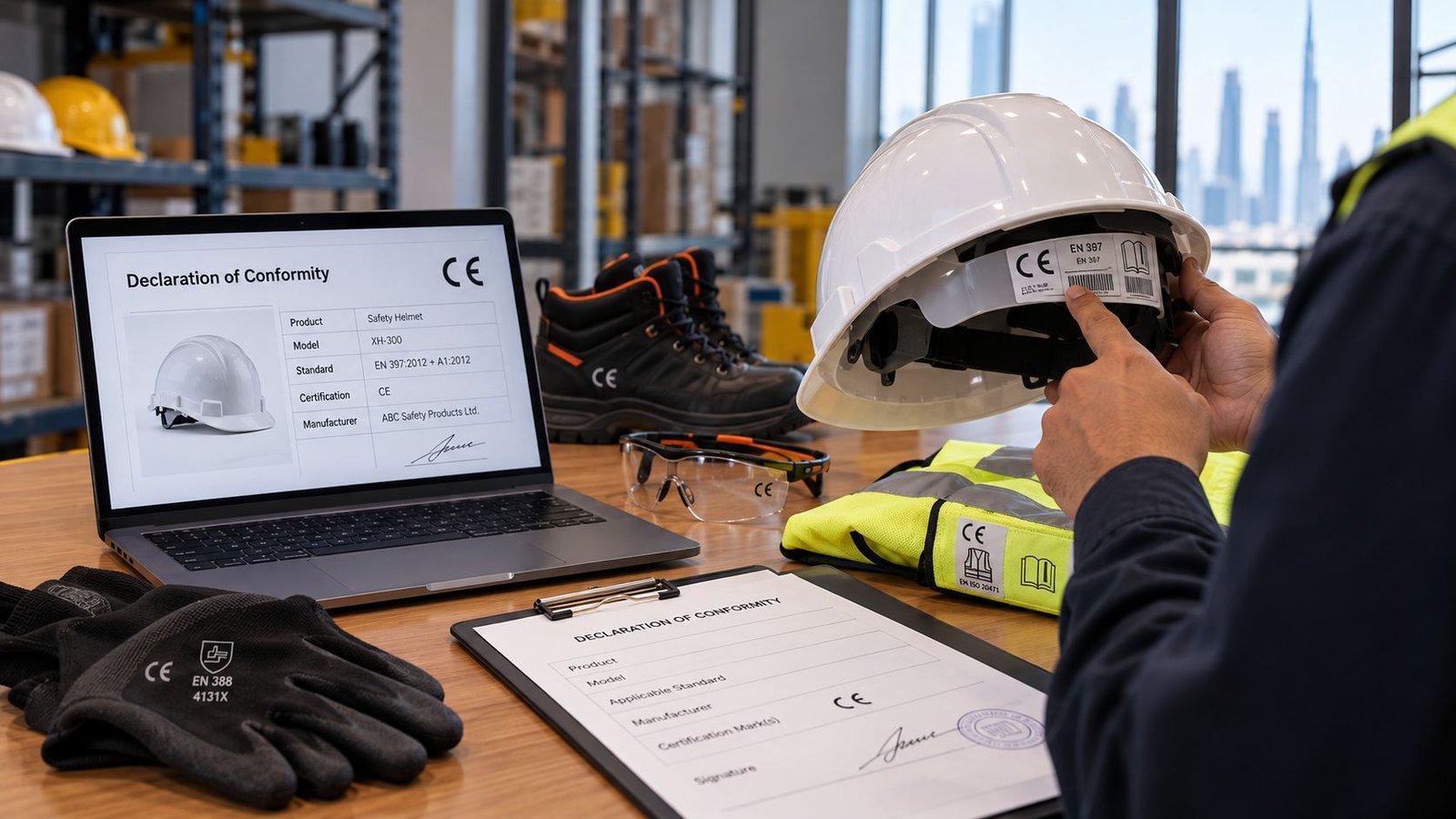
For contractors managing road projects across Dubai, Abu Dhabi, and Sharjah, providing adequate safety equipment for road workers is not negotiable. Dubai Municipality enforces traffic management standards through the Roads and Traffic Safety Section. Dubai Police Traffic Department issues permits for road works and conducts compliance inspections. Federal Decree Law No. 33 of 2021 holds employers accountable for providing appropriate personal protective equipment at no cost to workers.
Yet many road construction sites still operate with inadequate traffic control, non-compliant high-visibility clothing, and missing safety barriers. Workers stand in live traffic lanes without proper protection. Supervisors approve work zone setups that violate spacing requirements. Equipment operators work without spotter support in areas with limited sight lines.
This article covers what contractors must provide to protect road workers on infrastructure projects. It breaks down the specific PPE requirements, explains traffic control equipment standards, and walks through the regulatory framework that applies across the Emirates.
Equip Your Road Crews with Compliant Safety Equipment
AAA SAFE supplies the complete range of safety equipment for road workers across Dubai, Abu Dhabi, and Sharjah. From high-visibility vests meeting RTA standards to impact-rated traffic barriers and road work signage, our team helps contractors meet regulatory requirements and protect crews working in live traffic conditions.
Why Road Workers Face Higher Safety Risks Than Other Construction Trades
Road construction creates a unique hazard profile that combines moving traffic, heavy equipment operation, and limited working space. Understanding these specific risks explains why safety equipment for road workers requires specialized features beyond standard construction PPE.
Proximity to Live Traffic
Road workers often operate within arm’s reach of vehicles travelling at highway speeds. Resurfacing crews, striping teams, barrier installation workers, and maintenance personnel all work in positions where driver error, distraction, or impairment can send a vehicle directly into the work zone. Unlike building construction sites with physical perimeters and controlled access, road work zones have permeable boundaries defined only by traffic cones, barriers, and signage that drivers may ignore or fail to notice.
Major highways carry traffic volumes exceeding 100,000 vehicles per day on certain segments. Road closures for construction disrupt commuter patterns, creating driver frustration and aggressive behaviour. Workers performing overnight maintenance during lower-volume periods face reduced visibility conditions where approaching drivers have less time to recognize and respond to work zones.
Heavy Equipment Operation in Confined Spaces
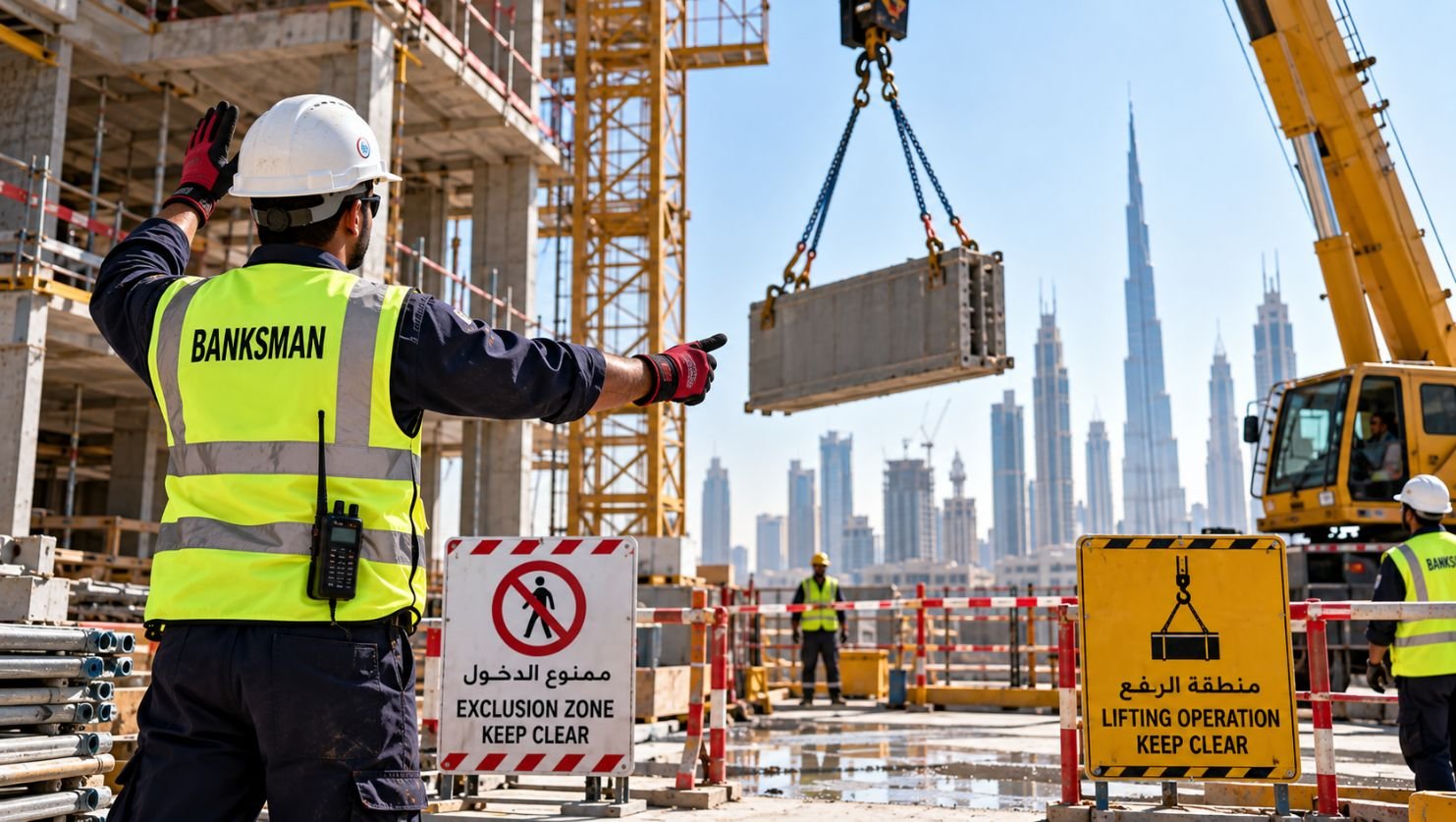
Pavers, rollers, milling machines, dump trucks, and excavators operate in work zones measured in metres rather than the tens or hundreds of metres available on typical construction sites. Equipment operators have limited sight lines due to lane restrictions, barrier placement, and traffic flow on adjacent lanes.
The combination of heavy machinery and workers in close proximity creates struck-by hazards that account for a significant portion of road work fatalities globally. A roller operator reversing to compact fresh asphalt may not see a worker crouched to check material temperature. A truck delivering aggregate backs into position while workers are positioning screeds or checking paver settings.
Heat Stress Amplification from Required PPE
Road workers must wear high-visibility clothing meeting Class 2 or Class 3 standards regardless of temperature. These garments use bright fluorescent fabrics and retroreflective materials that improve visibility but also trap heat and prevent evaporative cooling. During summer months when pavement temperatures exceed 60°C and air temperatures reach 45-50°C, the additional thermal burden from hi-vis clothing significantly increases heat stress risk.
Asphalt paving operations generate additional radiant heat from fresh material at 150-160°C. Workers operating screeds, performing hand work at joints, or conducting density testing work directly over or beside material radiating intense heat. The requirement to wear long-sleeved hi-vis shirts and long pants for visibility and burn protection eliminates the option to reduce clothing for heat management.
Night Work Visibility Challenges
Many road projects schedule heavy work during overnight hours to minimize traffic disruption. Night operations require artificial lighting that never fully replicates daylight conditions. Shadows, glare, and uneven illumination create visibility problems for both workers and motorists.
Workers moving between lit and dark zones experience temporary vision adaptation delays. Equipment operators working under task lighting may not see workers or hazards outside the illuminated area. Drivers approaching work zones encounter sudden transitions from dark highway to lit work area, reducing their ability to judge distances and speeds.
Essential Personal Protective Equipment for Road Workers
Road workers require specialized PPE addressing both standard construction hazards and traffic-specific risks. Contractors must provide safety equipment for road workers meeting international standards and local regulatory requirements.
High-Visibility Clothing (Class 2 and Class 3)
High-visibility safety apparel is the single most critical PPE item for road workers. ANSI/ISEA 107 classifies hi-vis clothing into three classes based on background material area and retroreflective material configuration.
| Class | Background Material | Retroreflective Material | Typical Use | Garment Examples |
|---|---|---|---|---|
| Class 2 (Moderate Risk) | 775 sq inches minimum | 201 sq inches minimum | Traffic speeds below 80 km/h, barrier-separated work zones | Safety vests, short-sleeved shirts |
| Class 3 (High Risk) | 1,240 sq inches minimum | 310 sq inches minimum | Traffic speeds above 80 km/h, night work, no barrier separation | Long-sleeved shirts and pants, coveralls |
| Class E (Enhancement) | N/A | 310 sq inches minimum | Lower body coverage to complement Class 2 tops | Safety pants, gaiters |
Road projects on highways and major arterial roads typically require Class 3 for all workers in or adjacent to live traffic lanes. Class 2 is acceptable for work in residential areas, service roads, or fully closed roadways where traffic does not pass through the work zone.
Retroreflective material must provide 360-degree visibility through placement on front, back, and sides of garments. Combined performance retroreflective tape (combining glass bead and microprismatic technologies) provides superior performance under various lighting conditions and viewing angles.
What contractors get wrong. Providing faded, torn, or contaminated hi-vis clothing that no longer meets visibility standards. Retroreflective materials degrade with washing, UV exposure, and abrasion. Garments that met Class 3 standards when new may fall to Class 2 or non-compliant after 6-12 months of field use. Contractors must establish replacement schedules based on garment condition rather than arbitrary time periods.
Head, Eye, and Hearing Protection
Hard hats protect against falling objects, overhead hazards, and impact from equipment contact. Road work adds the requirement for high visibility. High-visibility hard hats incorporate fluorescent colors (orange, lime, pink) and retroreflective striping that maintains visibility matching hi-vis clothing standards.
Full-brim hard hats offer superior sun protection compared to cap-style designs, reducing facial UV exposure and heat load during extended outdoor work. The brim provides shade for face and neck, areas particularly vulnerable to sun damage.
Safety glasses with side shields and UV protection provide minimum eye protection for general road work. For milling operations, pavement breaking, and grinding work, full-seal goggles or face shields prevent fine dust and high-velocity particle entry. Clear lenses are required for night work, while tinted lenses help manage glare during day operations.
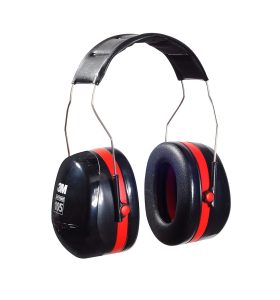
Road construction noise sources include equipment engines, hydraulic systems, impact hammers, and traffic. Workers operating or working near pavers, milling machines, rollers, and breakers require hearing protection rated for noise reduction matching exposure levels. Electronic hearing protection with communication capability allows workers to maintain hearing protection while receiving radio communications from supervisors or spotters.
Hand and Foot Protection for Asphalt Work
Asphalt paving, patching, and joint sealing expose workers to materials at 150-165°C that cause severe burns on contact. Standard leather work gloves provide abrasion and cut protection but inadequate thermal insulation for hot asphalt contact.
Specialized asphalt gloves use heat-resistant materials rated for contact temperatures up to 200°C. Designs incorporate flexible thermal barriers that maintain dexterity while preventing heat transmission. Gloves must be replaced when thermal barrier degrades, indicated by stiffening, cracking, or visible damage to protective layers.
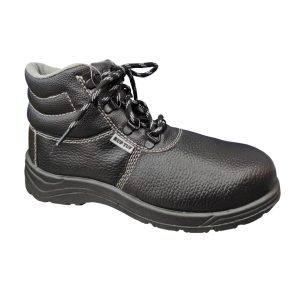
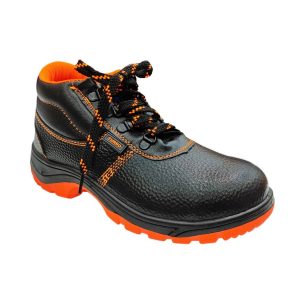
Safety footwear for road workers must meet ASTM F2413 standards for impact and compression resistance while providing additional features specific to road work environments. Metatarsal guards protect the upper foot from dropped objects and equipment contact. Heat-resistant outsoles prevent burns when walking on fresh asphalt or working near hot equipment. High-visibility safety boots incorporating fluorescent colors and retroreflective materials maintain visibility matching upper body PPE.
AAA SAFE supplies the complete range of road worker PPE including Class 2 and Class 3 high-visibility clothing, safety footwear, heat-resistant gloves, and head protection meeting international standards and local requirements.
Traffic Control Equipment and Work Zone Protection
Personal protective equipment protects individual workers, but traffic control equipment protects the entire work zone by managing vehicle interactions with the construction area. Proper safety equipment for road workers includes both PPE and traffic management devices.
Traffic Cones and Channelizing Devices
Traffic cones define work zone boundaries, guide traffic through lane shifts, and mark hazards. Roads and Transport Authority (RTA) specifies minimum cone heights, colors, and retroreflective banding requirements based on road classification and speed limits.
| Road Type | Speed Limit | Minimum Cone Height | Retroreflective Bands | Spacing |
|---|---|---|---|---|
| Highway/Expressway | 80+ km/h | 750mm | Two 150mm white bands | 6–12 metres |
| Major Arterial | 60–80 km/h | 750mm | Two 150mm white bands | 6–10 metres |
| Local Road | 40–60 km/h | 500mm | One 150mm white band | 3–6 metres |
| Residential | Below 40 km/h | 500mm | One 150mm white band | 3–6 metres |
Cones must use fluorescent orange color for maximum daytime visibility. Retroreflective bands provide night visibility when illuminated by vehicle headlights. Weighted bases prevent displacement by wind or vehicle air displacement, critical on high-speed roadways where cone movement creates hazard confusion.
Replace cones when colors fade, retroreflective bands degrade, or physical damage compromises stability. Faded orange cones lose visibility effectiveness, and damaged retroreflective banding fails to reflect light properly at night.
Portable Traffic Barriers
Temporary barriers provide physical separation between work zones and live traffic. Barriers redirect errant vehicles away from workers and equipment, absorbing impact energy and preventing vehicle intrusion into active work areas.
Water-filled barriers use polyethylene shells filled with water or sand for ballast. They provide redirective capability for vehicle impacts, are easily deployed and relocated, and offer visibility through bright colors and optional retroreflective sheeting. Linking systems connect individual units to create continuous barrier runs.
Concrete barriers (Jersey barriers) offer higher impact resistance and are suitable for long-duration projects or high-speed roadways. Their weight prevents displacement but requires mechanical equipment for placement and removal.
Barrier placement follows specific spacing and orientation requirements. Position barriers between traffic and workers, not just at work zone perimeters. Angle barrier ends away from traffic flow to prevent end impacts. Taper barrier lines gradually when transitioning from normal traffic lanes to restricted work zones.
Work Zone Signage and Lighting
Advance warning signs alert motorists to upcoming work zones, speed limit changes, and lane restrictions. Sign placement, size, and retroreflective properties follow RTA standards and international guidelines (Manual on Uniform Traffic Control Devices).
Temporary road work signs use fluorescent orange backgrounds with black text and symbols. All signs require retroreflective sheeting providing nighttime visibility. Sign placement distances vary by road speed. On highways, place advance warning signs 500-1000 metres before work zones. On lower-speed roads, 100-300 metres provides adequate warning distance.
Electronic message boards supplement static signage with variable messages about lane closures, speed reductions, and traffic conditions. Arrow boards direct traffic around work zones and through lane shifts, using sequential flashing arrows visible from extended distances.
Road work during darkness requires supplementary lighting illuminating work areas and improving visibility for approaching motorists. Light towers provide area illumination for general work zones. Minimum illumination levels depend on task requirements. General movement areas require 5-10 lux, while detailed work such as joint sealing or crack repair needs 50-100 lux.
Flashing warning lights on barriers, signs, and vehicles enhance visibility and draw attention to work zones. Amber rotating beacons, LED flashers, and strobe lights all serve this purpose.
Regulatory Requirements for Road Work Safety Equipment
Multiple regulatory authorities oversee road work safety across the Emirates. Understanding jurisdiction and applicable standards ensures compliance.
RTA Standards and Traffic Management Plans
RTA publishes traffic management guidelines for road works. These guidelines specify traffic control device types, placement requirements, work zone configurations, and permit application procedures.
Contractors must submit traffic management plans before beginning work on RTA-controlled roads. Plans detail proposed lane closures, traffic control device placement, detour routes, and timing of operations. RTA reviews and approves plans before issuing work permits.
Non-compliance with approved traffic management plans can result in permit suspension, financial penalties, and project delays. RTA inspectors conduct field visits to verify implementation matches approved plans.
Police Coordination and Federal Safety Requirements
Significant road closures, lane restrictions on major highways, and work during peak traffic periods require coordination with traffic police departments. Police may assign traffic officers to work zones or require contractor-provided traffic control personnel.
Work zones affecting traffic flow during major events, holidays, or peak tourist seasons face additional restrictions. Plan submissions require extended approval times, and authorities may deny permits for work during blackout periods.
Federal Decree Law No. 33 of 2021 establishes employer obligations for workplace safety including PPE provision. Contractors must provide safety equipment for road workers at no cost to employees, ensure equipment meets applicable standards, train workers on proper use, and enforce usage requirements.
OSHAD-SF in Abu Dhabi includes specific requirements for traffic management and road work safety. Contractors working on Abu Dhabi road projects must comply with OSHAD requirements in addition to local traffic authority regulations.
Maintenance and Replacement Schedules for Safety Equipment
Safety equipment for road workers requires regular inspection, maintenance, and timely replacement to maintain protective capabilities.
PPE Inspection and Replacement Criteria
The following table outlines inspection frequencies and replacement criteria for road worker PPE:
| Equipment Type | Inspection Frequency | Replacement Trigger | Typical Lifespan |
|---|---|---|---|
| High-Vis Clothing (Class 2/3) | Weekly | Fading, tears, retroreflective degradation | 6-12 months field use |
| Safety Footwear | Daily (by user) | Sole separation, upper damage, lost protection features | 6-18 months depending on use |
| Hard Hats | Monthly | Cracks, UV degradation, impact damage | 5 years from manufacture date |
| Heat-Resistant Gloves | Before each use | Stiffening, cracking, thermal barrier damage | 3-6 months with regular asphalt contact |
| Safety Glasses | Daily (by user) | Scratches affecting vision, broken frames, lost side shields | 6-12 months or as needed |
Establish formal inspection programmes with documented results. Assign responsibility for inspections to supervisors or safety personnel. Remove damaged or non-compliant equipment from service immediately.
Traffic Control Equipment Maintenance
Traffic cones, barriers, and signs require regular inspection and maintenance to maintain visibility and structural integrity. Inspect equipment monthly for color fading, retroreflective material degradation, structural damage, and missing components.
Clean traffic control devices regularly to remove dirt, oil, and road grime that reduces visibility. Wash barriers and signs with mild detergent and water. Avoid abrasive cleaners that damage retroreflective materials.
Budget for traffic control equipment replacement as a percentage of inventory annually. High-traffic environments or frequent moves accelerate wear, requiring more aggressive replacement schedules. Maintain spare equipment inventory to replace damaged items immediately without disrupting work zone protection.
AAA SAFE provides calibration gas cylinders, regulators, and flow control equipment required for system commissioning and ongoing maintenance across the Emirates.
Common Mistakes Contractors Make with Road Work Safety
These errors create unnecessary risks and regulatory violations.
- Using non-compliant high-visibility clothing. Providing safety vests that do not meet Class 2 or Class 3 standards for the work environment. Vests lacking adequate retroreflective material, using non-fluorescent background colors, or missing 360-degree visibility features fail to protect workers adequately. Check garment labels for ANSI/ISEA 107 compliance certification.
- Inadequate traffic control device spacing. Placing cones too far apart creates gaps where vehicles can enter work zones unexpectedly. Spacing cones beyond recommended distances eliminates the visual barrier effect that guides drivers around work areas. Follow spacing tables based on road speed and type.
- Failing to replace degraded equipment. Operating with faded cones, damaged barriers, or signs with poor retroreflectivity. As equipment degrades, visibility decreases, particularly at night when retroreflective properties determine whether approaching drivers see warnings. Establish replacement criteria based on equipment condition inspections.
- No dedicated traffic control personnel. Expecting workers to set up traffic control while also performing primary work tasks. Proper work zone setup requires trained personnel focused on traffic management, not distracted by other responsibilities. Designate specific workers or hire traffic control companies for complex setups.
- Working without approved traffic management plans. Starting road work without obtaining required permits and approvals from RTA or local traffic authorities. Unauthorized work zones face immediate shutdown orders, financial penalties, and potential criminal liability if incidents occur. Always secure permits before mobilizing.
- Ignoring night work lighting requirements. Attempting night operations with inadequate illumination. Workers cannot perform tasks safely, equipment operators have limited visibility, and approaching drivers cannot identify work zone boundaries. Invest in proper lighting equipment for any after-dark operations.
Frequently Asked Questions
Road workers on highways and major arterial roads with traffic speeds exceeding 80 km/h require Class 3 high-visibility clothing meeting ANSI/ISEA 107 standards. This typically means long-sleeved shirts and long pants, or combinations of Class 2 vests with Class E pants. Workers on residential streets, service roads, or fully closed roadways where traffic does not pass through work zones may use Class 2 garments. Always default to Class 3 when work zone classification is uncertain.
Replace traffic control devices when retroreflective materials degrade, colors fade, or physical damage occurs. Conduct monthly inspections checking cone color brightness, retroreflective band integrity, and base stability. Barriers require inspection for cracks, anchor point damage, and retroreflective sheeting condition. Budget for replacing approximately 10-15% of traffic control inventory annually under normal use conditions.
No. High-visibility PPE meeting Class 2 or Class 3 standards functions in both daylight and darkness due to fluorescent background material (daytime) and retroreflective striping (nighttime). However, eye protection requirements differ. Workers need clear lenses for night work rather than tinted lenses used during day operations.
Work on RTA-controlled roads requires traffic management plan approval and road work permits from RTA. Significant closures, work during peak periods, or operations affecting major highways also require coordination with traffic police departments. Work in free zones, communities, or private developments may require separate approvals from facility management or community authorities. Submit permit applications minimum 2-4 weeks before planned work commencement.
Short-sleeved Class 2 vests or shirts are acceptable only for low-speed road environments or areas where workers are separated from traffic by barriers. Highway work and major arterial road projects require Class 3 coverage including long sleeves and long pants. The thermal discomfort from additional coverage is acknowledged, but visibility requirements and burn protection from hot asphalt contact make long sleeves mandatory in most road work environments.
AAASAFEDUBAI.COM supplies both personal protective equipment and traffic control equipment for road work applications. Our product range includes high-visibility clothing, safety footwear, hard hats, traffic cones, water-filled barriers, road work signage, and warning lights. We help contractors source complete safety equipment for road workers across Dubai, Abu Dhabi, and Sharjah, ensuring all items meet applicable standards and regulatory requirements.
Workers setting up, modifying, or removing traffic control zones require training in traffic management principles, device placement standards, work zone design, and hazard recognition. Training should cover applicable RTA guidelines, MUTCD principles, and company-specific procedures. Refresher training annually or when standards change ensures workers maintain current knowledge.
Emergency repairs such as pothole patching, utility breaks, or accident damage cleanup still require traffic control, though abbreviated permit processes may apply. Keep emergency traffic control equipment pre-staged including cones, signs, barriers, and warning lights. Notify RTA or local traffic authorities as soon as emergency work begins. Implement temporary traffic control immediately using minimum device configurations.
Consequences include immediate work stoppage orders from RTA or police, financial penalties per violation, permit suspension preventing future work approvals, increased insurance costs following incidents, and criminal liability if worker injuries or public accidents occur due to inadequate safety measures. The cost of compliance is always less than the cost of non-compliance consequences.
No. Temporary road work requires fluorescent orange signs with black legends per traffic control device standards. Permanent signs use different colors (white, green, blue, brown backgrounds) and are not appropriate for temporary work zone applications. Using permanent-style signs for temporary work confuses drivers who expect orange warning signs for work zones.
Closing Thoughts
Safety equipment for road workers serves a dual purpose. It protects workers from the specific hazards they face daily, and it protects the travelling public from the consequences of work zone incidents. When a road worker is struck by a vehicle in a work zone, the failure typically traces back to inadequate traffic control, non-compliant high-visibility clothing, or missing barriers that should have prevented the vehicle from reaching the worker.
The equipment exists. The standards are published. The regulatory authorities enforce requirements. What separates contractors who operate safe road projects from those who accumulate incidents is attention to details. Properly specified PPE, correctly placed traffic control devices, approved traffic management plans, and trained personnel who understand why each element matters.
Road work will always carry inherent risks. Vehicles and workers occupy the same space separated only by cones, barriers, and driver attention. Equipment operates in confined areas with limited sight lines. Workers perform physically demanding tasks in extreme heat while wearing visibility-enhancing clothing that compounds thermal stress.
These risks cannot be eliminated, but they can be managed through appropriate safety equipment for road workers, proper work zone design, and rigorous enforcement of usage requirements. Contractors who view safety equipment as an operational necessity rather than a regulatory burden create work environments where incidents become rare rather than routine.
The investment in proper safety equipment for road workers is minimal compared to the cost of a single serious incident. The choice is straightforward.
Disclaimer
The information provided in this article is intended for general educational purposes only and should not be treated as a substitute for professional traffic engineering consultation, safety programme development, or regulatory compliance advice. While every effort has been made to ensure accuracy, road work safety requirements vary by road classification, traffic volumes, work zone configurations, and local authority jurisdiction. Readers are encouraged to verify all technical and regulatory information with relevant government bodies, including Dubai Roads and Transport Authority, Dubai Municipality, Dubai Police Traffic Department, Abu Dhabi Department of Transport, and the UAE Ministry of Human Resources and Emiratisation. PPE specifications, traffic control device standards, and work zone configurations referenced in this article represent general industry practices and may require modification based on specific project conditions. AAASAFEDUBAI.COM does not guarantee specific safety outcomes and recommends that all traffic management plans be reviewed and approved by qualified traffic engineers and relevant authorities before implementation. Individual project safety depends on proper equipment selection, correct installation, worker training, and ongoing compliance monitoring. Always consult current RTA guidelines, MUTCD standards, and applicable regulations for definitive guidance on road work safety requirements.