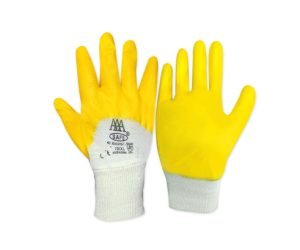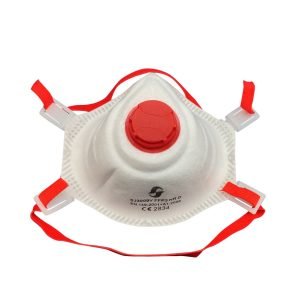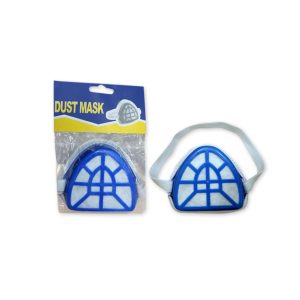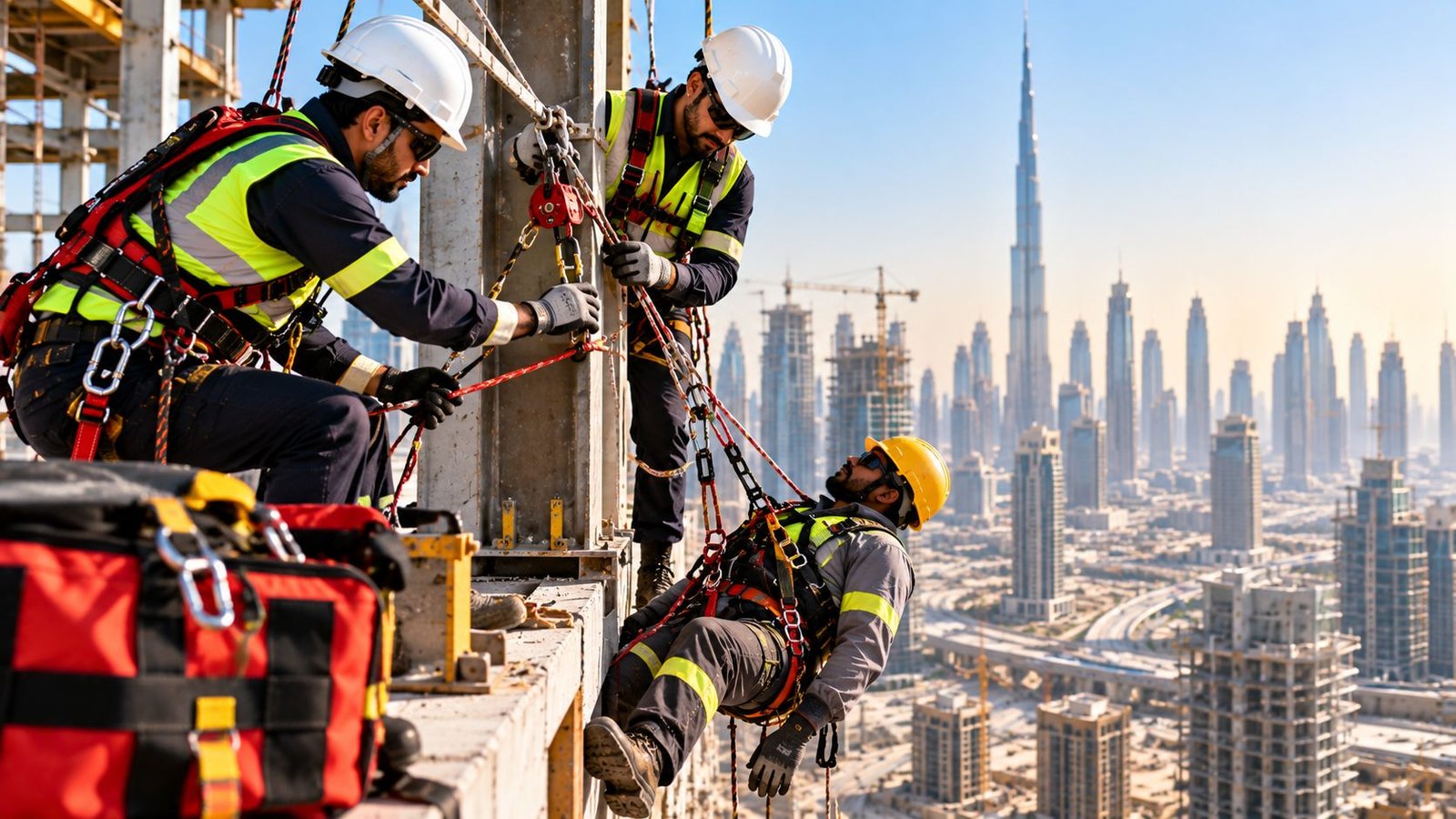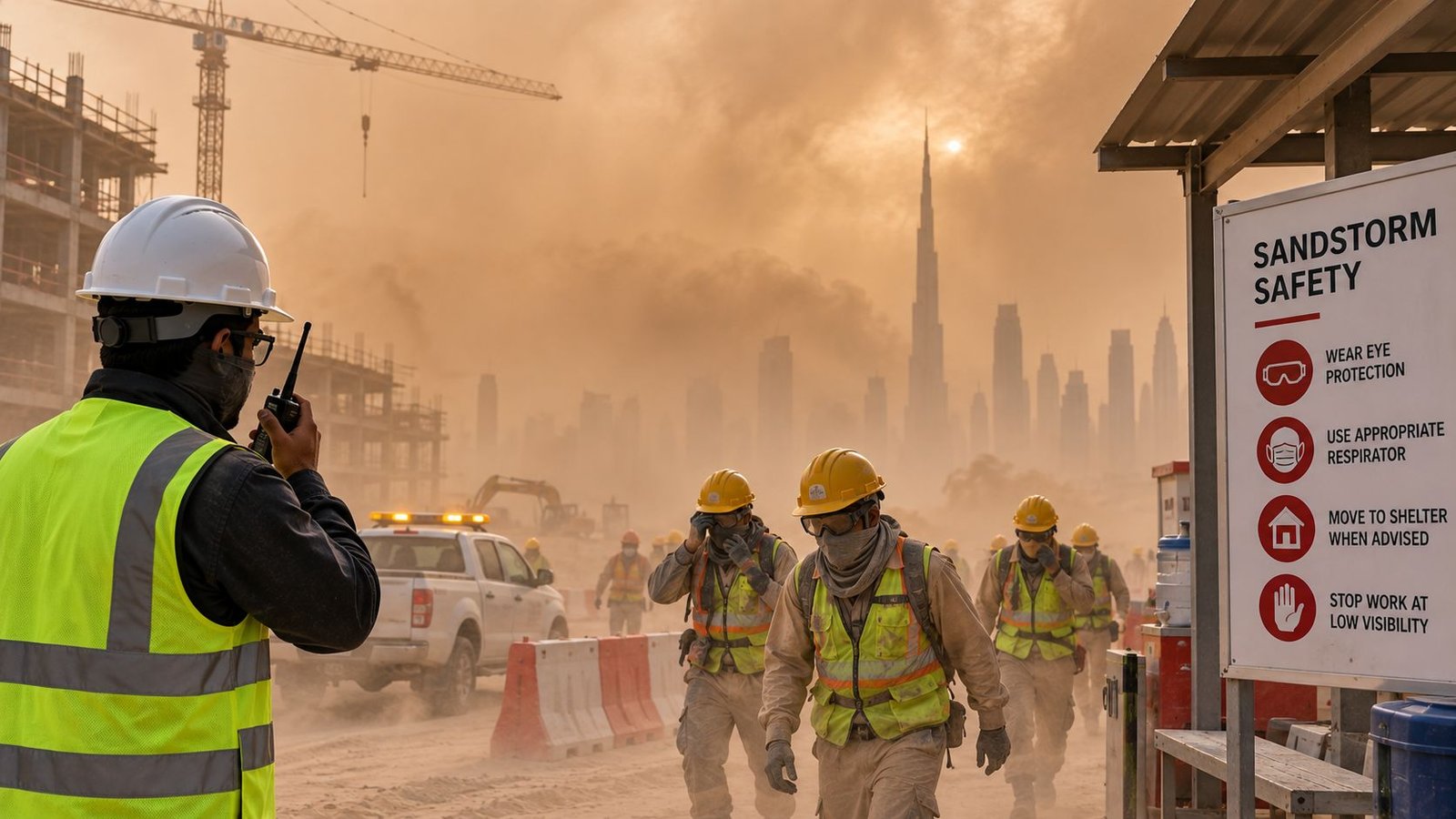
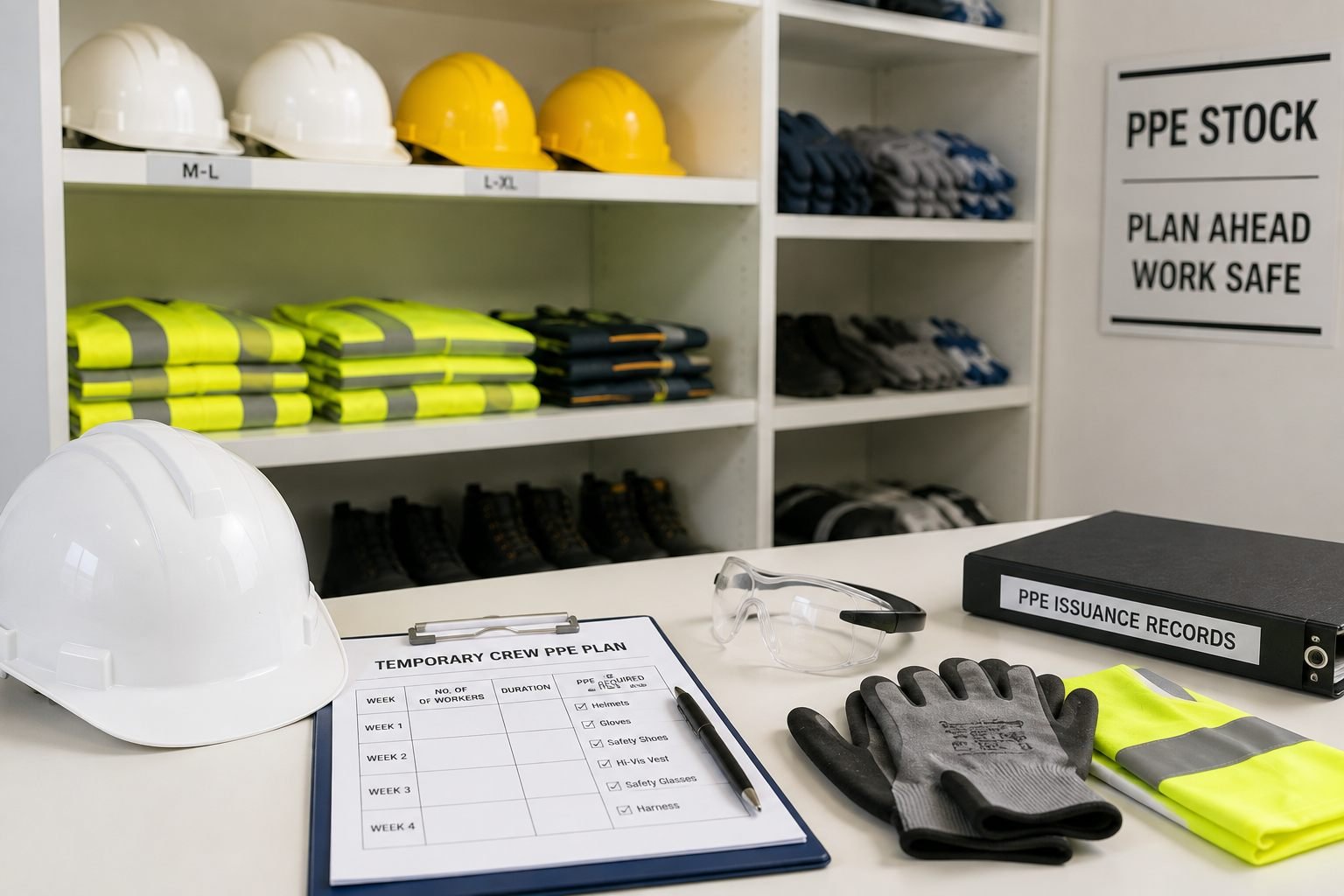
A contractor in Dubai wins a three week fit-out and brings in fifteen agency workers to hit the deadline. Nobody planned the gear. On the first morning the store has nine helmets and a box of one-size gloves. Five men start work bareheaded because the supervisor decides the job cannot wait. The agency assumed the site would supply PPE. The site assumed the agency would. Both were wrong, and the crew paid for it.
Temporary crews break the systems built for permanent staff. They arrive in waves, work short stretches, and leave before anyone learns their names. Sizing is a guess. Accountability splits across two or three companies. The kit that protected last month’s crew is missing, worn, or the wrong size for the new faces at the gate. The duty of care does not shrink because the contract is short.
UAE law treats a temporary worker the same as a permanent one. Federal Decree Law No. 33 of 2021 and the supporting framework expect employers to protect every person exposed to risk, whatever their contract type. To plan safety equipment for temporary crews well, you need a system that forecasts the gear, settles who supplies it, builds a pool sized for turnover, and keeps records as the faces change. This guide sets out that system.
Bringing in a short-term crew across the Emirates? AAA Safe supplies helmets, gloves, vests, and footwear in the quantities and size ranges a rotating crew needs. Talk to our team about a crew kit for your next project.
Why temporary crews need a different plan
The way you plan safety equipment for temporary crews exposes how mature your safety system is. A plan built for steady headcount falls apart the moment numbers swing and faces rotate.
Turnover breaks the usual supply chain
A permanent worker gets gear once and keeps it. A temporary crew churns, so the same helmet may pass through several heads in a month. Your plan has to account for movement, not a fixed roster.
Split responsibility creates gaps
Agency staff, subcontractors, and day hires often sit between two employers. Each assumes the other handles PPE. Across Dubai, Abu Dhabi, and Sharjah, that assumption is where workers end up unprotected. Settle the question before the crew arrives.
What UAE law expects for temporary workers
Before you build a plan, anchor it in the rules across the Emirates. The duties sit in federal law and emirate-level frameworks.
Federal Decree Law No. 33 of 2021
This labour law requires employers to provide a safe environment and suitable protection for anyone exposed to occupational risk. The federal framework is available at u.ae. A short contract does not lower the duty.
MOHRE oversight
The Ministry of Human Resources and Emiratisation enforces workplace safety for most private sites, with guidance at mohre.gov.ae. Inspectors reviewing a project may ask how you plan safety equipment for temporary crews and whether the handovers were logged, agency staff included.
Emirate-level frameworks
Abu Dhabi runs the OSHAD system through the Abu Dhabi Public Health Centre at adphc.gov.ae. Dubai Municipality publishes its site requirements at dm.gov.ae. Sharjah aligns closely with the federal rules. A contractor moving crews between emirates needs one plan that meets the strictest of them.
Forecast the headcount and the hazards
A plan starts with numbers and risks, not a shelf of stock. Guesswork at this stage is what leaves five men bareheaded on day one.
Estimate peak crew size
Look at the project schedule and find the busiest week, not the average. Order for the peak plus a margin. A crew that doubles for a push needs gear ready before the push, not after.
List the hazards per role
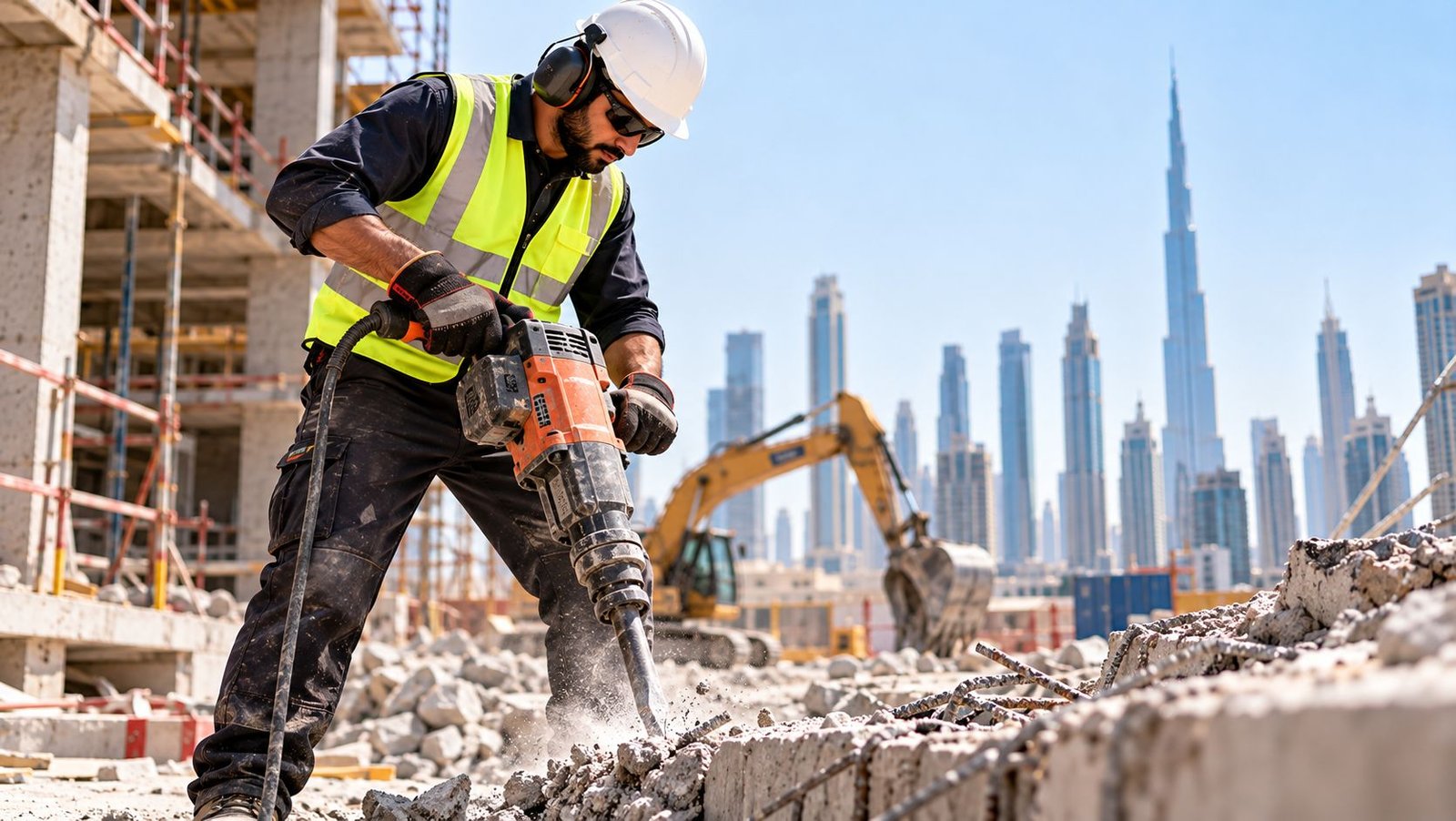
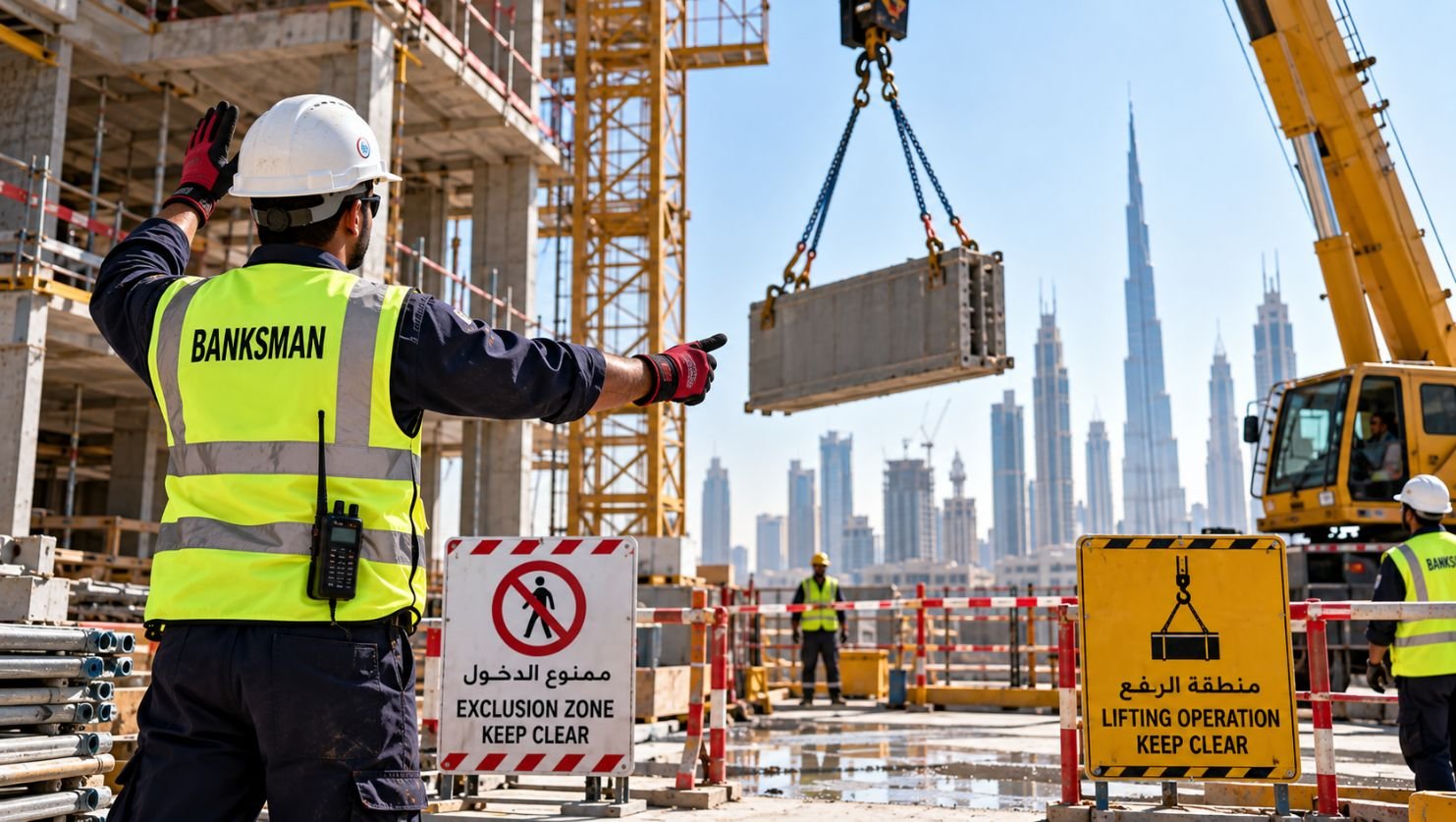
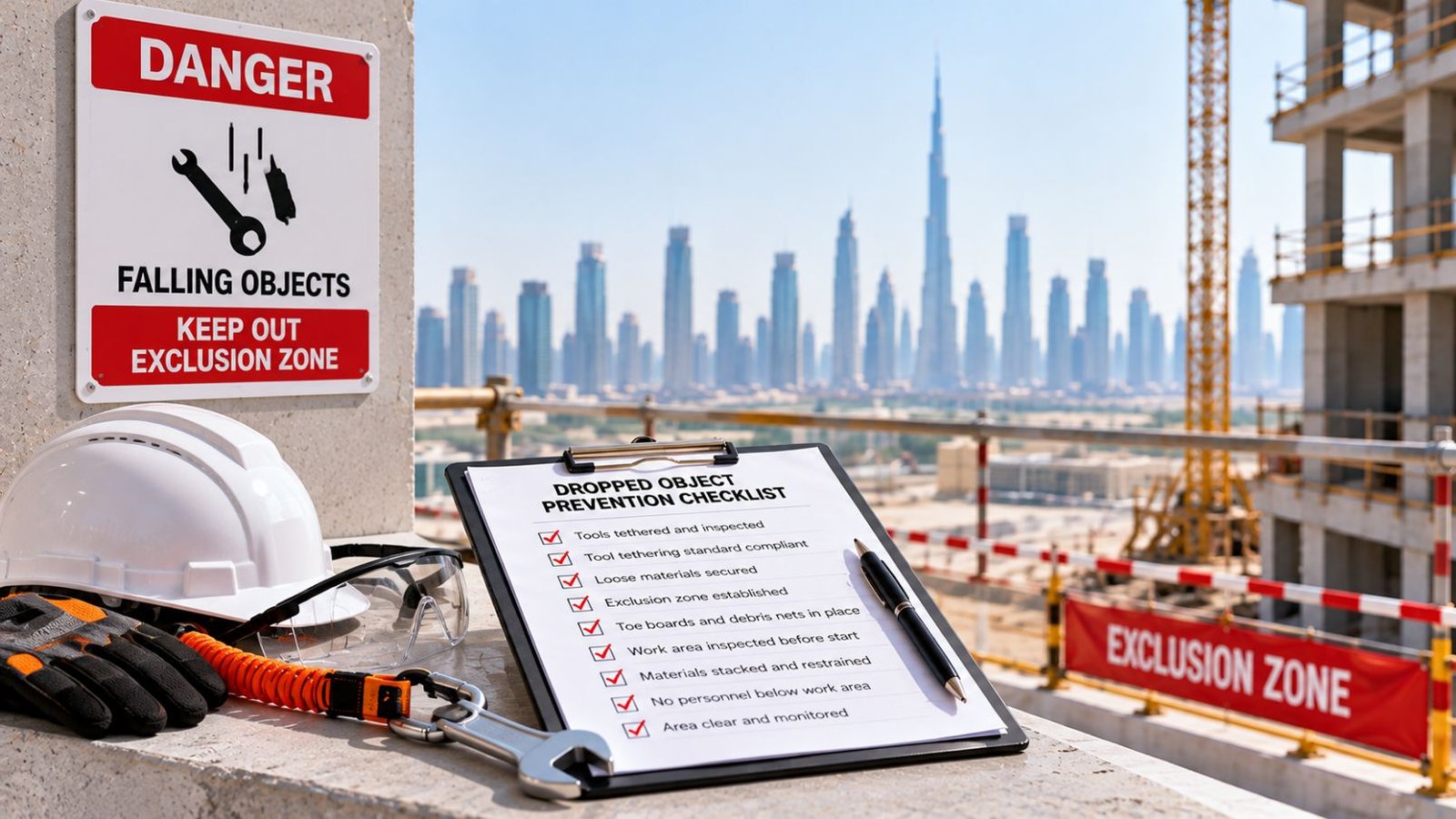
A temporary crew rarely does one task. Demolition, lifting, and finishing each carry different risks. Group the roles, list the hazards, and set the standard kit for each before anyone arrives.
The table below maps common temporary crew roles to the protection they need.
| Crew Role | Common Hazard | Core PPE |
|---|---|---|
| Demolition labour | Dust, falling debris | Helmet, goggles, respirator |
| Lifting and rigging | Crush, dropped loads | Helmet, gloves, vest |
| Finishing and fit-out | Cuts, splash | Gloves, eye protection |
| Work at height | Falls | Helmet, harness, lanyard |
| General site labour | Traffic, impact | Helmet, vest, footwear |
Decide who supplies the gear
The split-responsibility trap causes most temporary crew failures. Close it in writing before the contract starts.
Settle it in the agreement
State in the agency or subcontract who supplies, fits, and replaces PPE. Name the party and the standard. A vague clause invites the day-one gap.
The table below shows how responsibility tends to fall by crew type.
| Crew Type | Common Supply Responsibility |
|---|---|
| Direct day hire | Main employer supplies |
| Agency worker | Agreed in agency contract |
| Subcontractor crew | Subcontractor supplies, site verifies |
| Specialist crew | Specialist supplies task gear |
Verify, do not assume
Even when a subcontractor supplies the gear, the site stays responsible for what happens on it. Check the crew arrives with the right standard and the right sizes. A quick gate check beats an incident report.
Build a PPE pool sized for turnover
A temporary crew works from a pool, not from personal issue. The pool has to flex with the headcount.
Size the pool for movement
Hold enough stock for the peak crew plus replacements for damage and loss. Disposable items such as earplugs and respirator filters run down fast, so order them in bulk.
The table below shows a simple way to size a pool.
| Item | Pool Sizing Guide |
|---|---|
| Helmets | One per peak crew member plus 10 percent spare |
| Gloves | Several pairs per worker for the contract |
| Vests | One per worker plus spares for wear |
| Disposable respirators | Daily count times contract days |
| Harnesses | One per height worker plus inspected spares |
Cover the size range
A pool with one helmet size protects nobody well. Stock small to large in helmets, vests, gloves, and footwear so the crew that turns up can be matched on the spot. You can build a size-balanced pool through AAA Safe, which supplies EN and ANSI rated gear across the Emirates.
Account for the UAE climate
Heat is a hazard in its own right. A crew working a Dubai summer push needs breathable fabric, ventilated helmets, and shaded breaks. Respect the midday work ban periods that apply across Abu Dhabi and the wider Emirates.
Scaling a crew up for a deadline in Dubai or Sharjah? AAA Safe helps contractors build a flexible PPE pool that covers peak headcount and every size. Send us your crew numbers.
Run a fast induction without cutting corners
Speed is the pressure with temporary crews. The fix is a tight induction, not a skipped one.
Keep it short and physical
Cover the exits, the assembly point, the alarm, and the no-go zones. A temporary crew knows none of this by habit, so the briefing matters more, not less.
Confirm fit at handover
Set the helmet cradle with the worker present. Match the glove to the hand. A loose helmet on a rushed morning shifts at the wrong moment. Fit is part of the protection.
Keep records when the crew keeps changing
A rotating crew makes records harder and more important. If it is not written down, you cannot prove it happened.
Log every handover
Record who received what, in what size, on what date. For a pool, also log the return. This links each item to a person and closes the loop when they leave.
The table below shows useful fields for a pool register.
| Field | Why It Matters |
|---|---|
| Worker name and agency | Identifies the person and employer |
| Date out and date in | Tracks the loan period |
| Item, standard, size | Confirms correct gear was given |
| Condition on return | Flags damage for inspection |
| Signature | Confirms receipt and briefing |
Pick a format the team will keep
A paper register suits a small Sharjah crew. A spreadsheet or app suits a contractor running several Dubai sites with crews moving between them. A register that lags reality protects nobody.
Manage hygiene and reuse
Pool gear passes between people, so hygiene needs a plan that personal issue does not.
Clean between users
Wipe down reused helmets and goggles before they go back out. Use disposable hair nets under shared helmets. The Abu Dhabi framework at adphc.gov.ae treats hygiene as part of workplace health.
Retire what fails
A cracked helmet, a frayed lanyard, or a faded vest belongs in the bin, not back in the pool. Check returns before reissue.
Track filter and disposable use
Respirator filters and disposable masks have limits. Set a clear rule on single use or shift use so a temporary worker never wears a spent filter into dust.
Return, inspect, and restock
A temporary crew finishes and moves on. The gear should not leave with them.
Recover at the end of contract
Match returns against the register. Missing items mean a follow-up with the agency, not a write-off. Build recovery into the demobilisation plan.
Inspect before the next crew
Look over every item for cracks, tears, and wear. Fall arrest gear needs documented inspection by a competent person, which matters for any work at height on Dubai and Abu Dhabi projects. Fire and evacuation readiness feeds into site safety too, and Dubai Civil Defence publishes expectations at dcd.gov.ae.
Restock the pool
Top up before the next crew arrives. A pool that runs short becomes the reason someone starts work without protection.
Common mistakes when you plan safety equipment for temporary crews
Most temporary crew failures repeat a few errors. Designing around them closes the gap.
Assuming someone else supplies the gear
The split between agency and site is where workers end up unprotected. Settle supply in writing before the crew arrives.
Ordering for the average, not the peak
A pool sized for the typical week falls short during the push. Order for peak headcount plus a margin.
Stocking one size
A single helmet or glove size means half the crew wears it wrong. Cover the range so fit is real.
Skipping induction under time pressure
A crew rushed onto the deck without a briefing does not know the exits or the hazards. The induction stays, even when the clock is tight.
Losing track of pool gear
Without a return log, items walk off site and the next crew goes short. Log out and log in every time.
Reissuing without inspection
Pool gear passes through many hands. A worn item put back without a check protects nobody. Inspect before reuse.
Planning a temporary crew across your UAE sites? AAA Safe supplies certified PPE in pool quantities and full size ranges, ready for Dubai, Abu Dhabi, and Sharjah delivery. Request a quote before your crew mobilises.
Frequently Asked Questions
It means forecasting the gear for peak headcount, settling who supplies it, building a pool sized for turnover, and keeping records as the crew rotates. The full process meets the employer duty set out under Federal Decree Law No. 33 of 2021.
It depends on the agreement. The agency and the site should settle in writing who supplies, fits, and replaces the gear. Even when a subcontractor supplies it, the site stays responsible for what happens on it.
Order for the busiest week of the project, not the average, plus a margin for damage and loss. Disposable items such as filters and earplugs run down fast and need bulk ordering.
Yes. The duty of care covers every person exposed to risk, whatever the contract length. A three week crew gets the same standard of protection as a full-time team.
Use a pool register that logs each handover and return by name, agency, item, size, and date. A signed record links every item to a person and closes the loop when they leave.
Clean reused helmets and goggles between users, use disposable hair nets under shared helmets, and set clear rules on single-use filters. Retire any damaged item rather than reissue it.
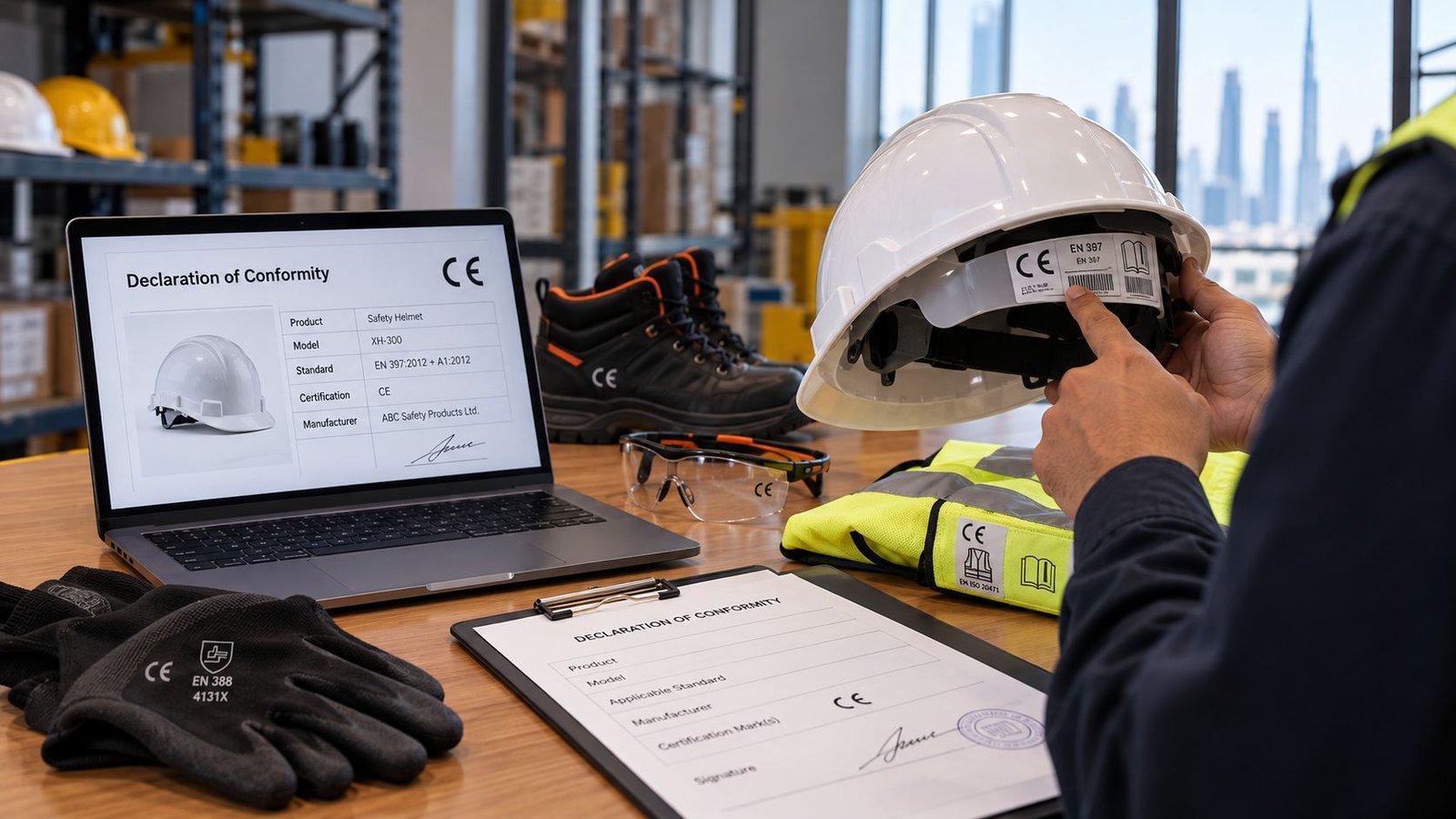
Look for recognised marks such as EN or ANSI references suited to the hazard. A helmet to EN 397 or gloves to EN 388 tells you the gear performs as claimed.
Yes. AAA Safe supplies certified safety equipment across the Emirates, including helmets, gloves, vests, and footwear in pool quantities and full size ranges. As a supplier, AAA Safe helps contractors plan safety equipment for temporary crews from mobilisation to demobilisation. Reach the team through the contact page.
Closing Thoughts
A temporary crew is on site for a short stretch, yet the risk they carry is no smaller than a permanent team’s. A pool sized for the peak, a clear line on who supplies it, a fit check at the gate, a name in the register. These cost a little planning and prevent the day-one scramble that leaves people unprotected.
When you plan safety equipment for temporary crews with care, you protect the worker and you protect the company. The law across Dubai, Abu Dhabi, and Sharjah expects it. The inspector will ask for proof of it. The crew that mobilises ready, works safe, and demobilises clean is the sign you planned it right. Build the plan once, run it for every intake, and the short contract stops being the weak point in your site safety.
Disclaimer
This article is for general information and does not replace legal, regulatory, or professional safety advice. AAA Safe Dubai is a supplier of safety equipment and PPE and does not provide installation, inspection, or consultancy services. Employers remain responsible for compliance with all applicable UAE laws and standards.
Regulatory requirements change. Confirm current obligations with the relevant authorities before acting on any guidance here. Useful references include the UAE Government Portal at u.ae for Federal Decree Law No. 33 of 2021, the Ministry of Human Resources and Emiratisation at mohre.gov.ae, Dubai Municipality at dm.gov.ae, the Abu Dhabi Public Health Centre at adphc.gov.ae, and Dubai Civil Defence at dcd.gov.ae.
Product standards and inspection intervals vary by manufacturer. Always follow the instructions supplied with each item. Any tables in this article give general guidance and not product-specific direction.
The mention of standards such as EN, ANSI, and ISO is for reference and does not imply endorsement by any standards body. Verify the marking on each product against the current published standard.
This content reflects general practice at the time of writing. It may not cover every site condition, crew type, or hazard. A competent safety professional should assess your specific workplace.
AAA Safe Dubai accepts no liability for actions taken based on this article. Use it as a starting point and seek qualified advice for your circumstances.