A safety data sheet is one of the most useful documents on a UAE work site and one of the least read properly. Most SDS documents run to several pages of dense, standardized text, and workers under time pressure often skip straight to whichever section they think they need, missing information that would have changed how they handled or stored the product. Learning to navigate the document quickly, rather than reading it cover to cover every time, is what actually makes it useful in practice.
Why the SDS Format Is Standardised
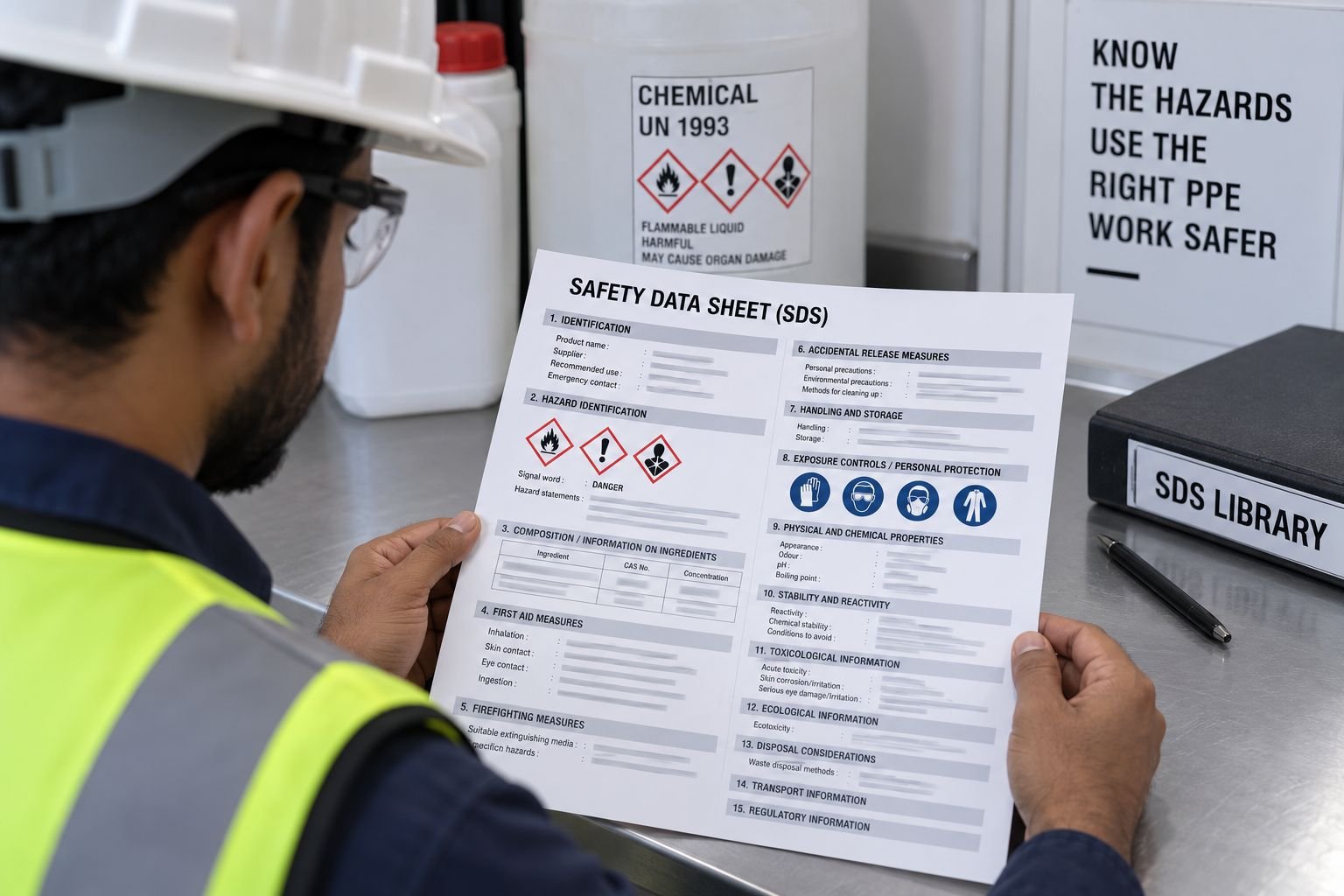
Most SDS documents in the UAE and globally follow the 16-section format set out under the Globally Harmonized System of Classification and Labelling of Chemicals, commonly known as GHS. This standardisation means a worker who learns the format once can navigate any manufacturer’s SDS for any product, since the section order and content requirements stay consistent even though the specific hazard information changes product to product.
The Sections That Matter Most in a Live Handling Task
Section 2, Hazard Identification
This section gives the GHS hazard classification, pictograms, and signal word, either Danger or Warning, at a glance. It is the fastest way to understand how seriously to treat a product before reading anything else, and it directly drives the level of PPE and precaution required.
Section 4, First Aid Measures
In an emergency, this is the section a worker or first aider needs immediately, covering symptoms of exposure and the specific first aid response for skin contact, eye contact, inhalation, and ingestion. Facilities handling hazardous chemicals should keep this section accessible near the point of use, not only filed with the full document elsewhere.
Section 7, Handling and Storage
This section sets out safe handling precautions and storage conditions, including incompatible materials that must be kept separate. Storage errors, such as placing an oxidiser near a flammable material because both were simply grouped by container type, are a common and preventable cause of workplace chemical incidents.
Section 8, Exposure Controls and Personal Protective Equipment
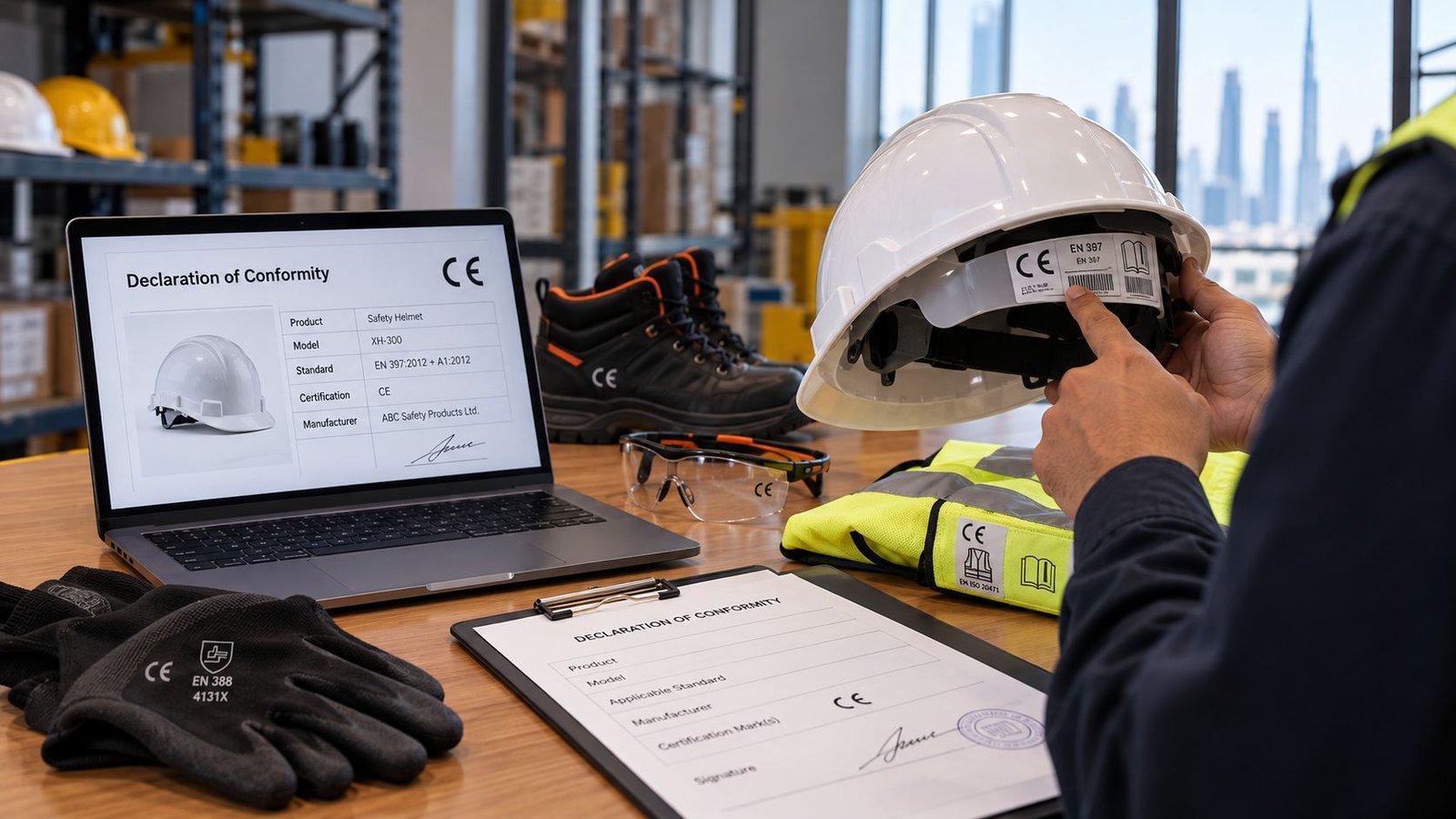
This section specifies the PPE required for the product, often including exposure limit values where they exist. It is the section that should directly determine what gloves, respiratory protection, and eye protection are issued for a given task, rather than PPE being selected by habit or whatever is already on hand.
Matching PPE to What the SDS Specifies
Gloves
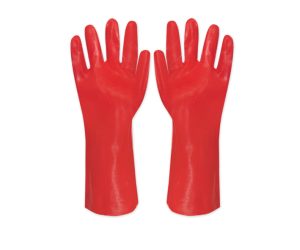
The SDS often specifies glove material based on chemical resistance to the specific product, since not every glove type resists every chemical equally. Chemical-resistant gloves rated for the relevant chemical class should be selected based on the SDS recommendation rather than a general purpose glove used across all tasks.
Eye and Face Protection
Where a product carries a skin or eye irritation or corrosion hazard, safety goggles providing a sealed fit are typically required rather than open spectacles, particularly for tasks involving pouring or splash risk.
Respiratory Protection
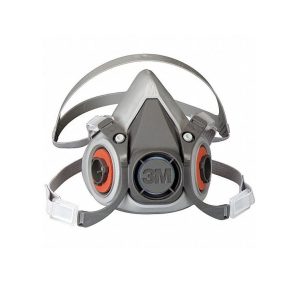
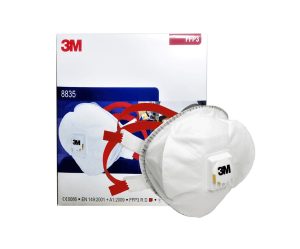
Where the SDS indicates a vapour or inhalation hazard, respiratory protection selection depends on the specific chemical and its exposure limit. A half facepiece respirator fitted with the correct cartridge type for the hazard class, such as an organic vapour cartridge, should match what Section 8 specifies rather than a generic dust mask.
Storage and Spill Response
Reading Incompatibility Warnings
Section 10, Stability and Reactivity, lists materials that must be kept apart from the product to avoid a dangerous reaction. This section is easy to skip but directly informs how a storage area should be laid out.
Preparing for a Spill Before It Happens
Section 6, Accidental Release Measures, describes the containment and cleanup approach for a spill of that specific product. Facilities handling liquids covered by an SDS with spill guidance should keep a spill kit stocked with compatible absorbent material, since not every absorbent is suitable for every chemical type, particularly for aggressive acids or solvents.
Where to Get and Keep SDS Documents
Every hazardous chemical supplied to a UAE workplace should come with an SDS from the manufacturer or supplier, and this should be requested at the point of purchase if it is not automatically provided. SDS documents should be kept accessible to workers handling the product, not locked in an office file that requires a request to access during an actual task or emergency. Many facilities keep a binder or digital folder organised by product name near the point of use, alongside the physical container labelling.
UAE Regulatory Context
The UAE has progressively aligned its chemical classification and labelling requirements with the Globally Harmonized System through federal and emirate level regulation, and MOHRE’s occupational safety and health requirements reference safe chemical handling as part of the general duty of care obligations on employers. ESMA, the Emirates Authority for Standardisation and Metrology, now operating under MOIAT, has adopted GHS-aligned classification standards that inform how hazardous chemicals are labelled and documented for the UAE market. Facilities should confirm the SDS provided by their supplier is current and specific to the product formulation actually in use, since older versions can miss updated hazard classifications.
AAA Safe Dubai supplies chemical-resistant gloves, respiratory protection, and spill response equipment matched to SDS requirements. Contact our technical team to help match PPE selection to your specific chemical inventory.
Frequently Asked Questions
An SDS should be reissued by the manufacturer whenever the product formulation or hazard classification changes. Facilities should periodically confirm they hold the current version, particularly for products purchased infrequently.
No. The label is a condensed summary attached to the container, while the SDS is the full detailed document covering all 16 sections. Both should be consistent, and the SDS provides the depth of information a label cannot fit.
The chemical supplier or manufacturer is generally responsible for providing an SDS with any hazardous product supplied. The receiving facility is responsible for making that SDS accessible to workers who handle the product.
Request it directly from the supplier before the product is used. A hazardous chemical should not be issued to workers for use without an accessible SDS confirming handling and PPE requirements.
Products classified as hazardous under GHS criteria require an SDS. Some non-hazardous consumer-type products may not require one, but this should be confirmed with the supplier rather than assumed.
Disclaimer
This article provides general information on reading safety data sheets and does not replace formal chemical safety training or legal advice. For broader chemical safety and classification requirements, refer to MOHRE and ESMA. Always consult the specific SDS for any product before handling it, and seek guidance from a qualified HSE professional for facility-wide chemical management.