
You know that moment when you’re rushing through service, and suddenly there’s a crash from the kitchen? Your heart stops for a second, doesn’t it? Learning effective accident prevention strategies isn’t just about following rules – it’s about getting everyone home safe after every shift.
Look, I’ve been around hospitality long enough to know the truth. Accidents happen. But here’s what I’ve learned – most of them don’t have to. The UAE’s hospitality sector employs thousands of workers across hotels, restaurants, and catering operations, and honestly, the accident statistics are kind of sobering.
According to OSHA data, full-service restaurants recorded 93,800 nonfatal injuries in 2019, with about a third requiring time off work. And you know what? I bet every single one of those could’ve been prevented if someone had just… paid attention.
This guide walks you through everything you need to know about hospitality workplace safety, specifically for UAE operations where extreme heat adds another layer of complexity to keeping your team safe.
Understanding the UAE Hospitality Safety Landscape
Preventing accidents in hospitality operations within the UAE requires understanding both international best practices and local regulations that account for our unique challenges.
UAE Legal Framework for Hospitality Safety
The UAE Federal Decree Law No. 33 of 2021 places clear obligations on hospitality employers. You must provide necessary protective equipment, conduct proper training, and maintain safe working conditions. It’s not optional – it’s the law.
Under Article 13, employers are required to provide appropriate safety equipment and conduct periodic evaluations to ensure compliance. Workers, on their part, must use protective equipment correctly and follow all safety instructions.
Dubai Municipality Requirements
Dubai Municipality’s food safety regulations are particularly strict. All food establishments must maintain safety ratings from Grade A to Grade F, with regular inspections focusing on hygiene and safety protocols.
The municipality requires Person in Charge (PIC) certification for all F&B operations, with mandatory training every 5 years covering hazard management and emergency procedures.
Regional Safety Challenges
Hospitality safety in the UAE means dealing with temperatures that can exceed 50°C. Heat stress becomes a real factor in accident rates – tired, dehydrated workers make more mistakes.
Research shows that kitchen workers experiencing higher job stress have significantly higher rates of burns and cuts. In our climate, that stress multiplies when you add extreme heat to already demanding work.
Common Hospitality Industry Accidents and Their Causes
Understanding workplace injuries starts with knowing what actually happens out there. Let me walk you through the big ones.
Cuts and Lacerations
Kitchen knives don’t discriminate. OSHA data shows 8,110 cases of cuts and lacerations in full-service restaurants requiring days away from work, at a rate of 23.6 cases per 10,000 workers.
Primary Causes of Cuts
Dull knives – Sounds backward, but sharp knives are actually safer. You don’t have to apply pressure, reducing the chance of slipping.
Improper cutting techniques – How many times have you seen someone curl their fingers wrong while chopping?
Distractions – That’s when accidents happen. Someone shouts an order, you look up, and…
Poor knife storage – Throwing knives loose in drawers is asking for trouble.
Prevention Strategies for Cuts
Keep knives professionally sharpened. In the UAE market, professional knife sharpening services typically cost AED 15-25 per knife quarterly.
Provide cut-resistant gloves for food prep workers. Quality cut-resistant gloves range from AED 45-85 per pair and last 3-6 months with proper care.
Train staff on proper knife handling techniques. Basic knife safety training typically costs AED 200-350 per employee and should be refreshed annually.
For comprehensive knife safety training programs tailored to UAE hospitality operations, AAA Safe Dubai provides certified courses that meet local safety requirements while addressing regional challenges like heat stress and multilingual workforces.
Burns and Scalds
Burns are brutal in commercial kitchens. Hot oil, steam, and surfaces can cause serious injuries that take weeks to heal.
Common Burn Scenarios
Oil splatter from overfilled fryers or wet food hitting hot oil Steam burns when lifting pot lids or opening steamers improperly
Contact burns from hot surfaces, equipment, or cookware Chemical burns from cleaning agents mixing with water or other substances
Burn Prevention Measures
Install splash guards around fryers and cooking stations. Professional splash guard systems cost AED 800-1,500 depending on size and specifications.
Provide heat-resistant gloves and aprons. Quality heat-resistant PPE ranges from AED 120-280 per complete set (gloves, apron, sleeve guards).
Implement proper oil handling procedures, including temperature monitoring and filling guidelines.
Ensure proper ventilation to reduce steam buildup and improve visibility around cooking areas.
Slips, Trips, and Falls
Wet floors and cluttered walkways cause more accidents than you’d think. It’s the classic hospitality hazard.
Root Causes of Falls
Wet floors from spills, cleaning, or condensation Uneven surfaces or damaged flooring Poor lighting in storage areas or back-of-house spaces Cluttered walkways with boxes, equipment, or supplies Improper footwear without adequate slip resistance
Fall Prevention Implementation
Install slip-resistant flooring in high-risk areas. Non-slip commercial kitchen flooring costs AED 180-350 per square meter installed.
Require non-slip footwear for all staff. Quality slip-resistant shoes for hospitality workers range from AED 150-320 per pair.
Establish immediate spill cleanup protocols with designated cleanup stations throughout the facility.
Maintain adequate lighting levels (minimum 200 lux) in all work areas and walkways.
Heat-Related Injuries and Stress
This one’s huge in the UAE. Restaurant and hotel safety here means taking heat stress seriously because it affects everything else.
Heat Stress Impact on Safety
When workers are dealing with heat exhaustion, their reaction times slow, they make poor decisions, and they’re more likely to have accidents. It’s not just about comfort – it’s about safety.
Research shows that heat stress correlates directly with increased workplace injuries, particularly in food service environments where workers are already dealing with hot equipment.
Heat Management Strategies
Provide cooling stations with chilled water and shaded rest areas. Basic cooling station setup costs AED 2,500-4,500 for a standard restaurant operation.
Schedule heavy work during cooler hours when possible, typically 6 AM to 10 AM during summer months.
Implement mandatory hydration protocols with electrolyte replacement drinks available at no cost to workers.
Consider personal cooling equipment like cooling towels or vests for kitchen staff. Personal cooling systems range from AED 180-450 per worker.
Equipment and PPE Requirements for UAE Hospitality
Workplace accident prevention requires the right equipment, properly maintained and consistently used.
Essential PPE for Different Roles
Different positions need different protection. Here’s what actually works in UAE conditions.
Kitchen Staff PPE Requirements
Heat-resistant gloves rated for temperatures up to 250°C cost AED 65-120 per pair and last 4-6 months with proper care.
Cut-resistant gloves with level 3-5 protection range from AED 45-95 per pair and should be replaced every 3-4 months.
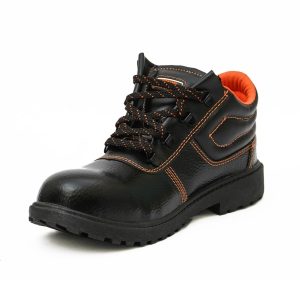
Non-slip footwear specifically designed for commercial kitchens costs AED 180-350 per pair and typically lasts 8-12 months.
Heat-resistant aprons and sleeve guards cost AED 80-150 per set and provide essential protection from splatter and contact burns.
Front-of-House PPE
Non-slip dress shoes for servers and hosts range from AED 120-280 per pair with good slip resistance ratings.
Cut-resistant gloves for bartenders handling glassware cost AED 35-65 per pair.
Heat-resistant serving gloves for handling hot plates range from AED 25-45 per pair.
Housekeeping PPE
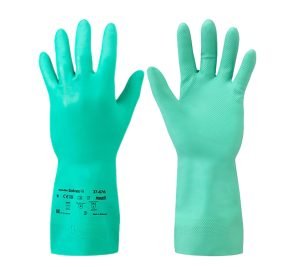
Chemical-resistant gloves for cleaning staff cost AED 15-35 per pair and should be replaced monthly.
Non-slip housekeeping shoes range from AED 95-180 per pair with good water resistance.
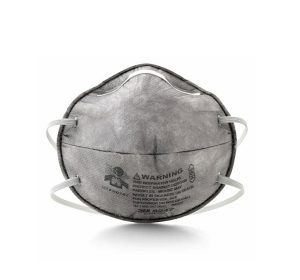
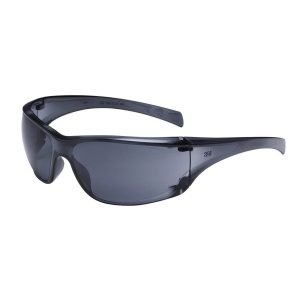
Protective eyewear for chemical handling costs AED 25-55 per pair.
Table 1: PPE Requirements by Department
| Department | Essential PPE | Average Cost (AED) | Replacement Frequency |
|---|---|---|---|
| Kitchen | Heat-resistant gloves, cut-resistant gloves, non-slip shoes, apron | 370-565 | 3-6 months |
| Front of House | Non-slip shoes, cut-resistant gloves (bar), serving gloves | 180-390 | 8-12 months |
| Housekeeping | Chemical-resistant gloves, non-slip shoes, eye protection | 135-270 | 4-8 months |
| Management | Non-slip footwear, protective eyewear | 145-335 | 12 months |
Costs represent complete PPE sets per employee based on UAE market rates
Equipment Maintenance and Inspection
Effective safety management isn’t just about having the right equipment – it’s about maintaining it properly.
Daily Equipment Checks
Establish daily inspection routines for all safety equipment including fire suppression systems, first aid supplies, and emergency exits.
Document all inspections with digital logs that can be accessed during regulatory inspections.
Train supervisors to recognize equipment wear patterns and replacement needs before failures occur.
Professional Maintenance Schedules
Schedule quarterly professional inspections of all cooking equipment, ventilation systems, and fire suppression equipment.
Maintain service contracts with certified technicians familiar with UAE safety requirements and extreme climate considerations.
Keep detailed maintenance records as required by Dubai Municipality and other regulatory authorities.
For complete equipment maintenance programs designed for UAE hospitality operations, AAA Safe Dubai offers comprehensive service packages that ensure regulatory compliance while maximizing equipment life in challenging climate conditions.
Training and Awareness Programs
Hospitality injury prevention depends heavily on training, but it has to be the right kind of training.
Mandatory Safety Training Components
UAE hospitality operations must provide specific safety training covering hazard recognition, emergency procedures, and proper equipment use.
New Employee Orientation
All new hires must complete safety orientation within their first week, covering facility-specific hazards and emergency procedures.
Provide multilingual training materials in Arabic, English, Hindi, and other languages common in UAE hospitality workforces.
Document all training with signed acknowledgments and maintain records for regulatory compliance.
Ongoing Safety Education
Conduct monthly safety meetings focusing on recent incidents, near-misses, and seasonal hazards like increased heat stress during summer months.
Provide refresher training annually on core safety topics including fire safety, chemical handling, and emergency response procedures.
Update training materials based on incident trends and regulatory changes.
Specialized Training for High-Risk Roles
Different positions require specialized safety training based on their specific hazards.
Kitchen Staff Training
Knife safety certification covering proper handling, storage, and maintenance techniques typically costs AED 250-400 per employee.
Burns prevention training including proper equipment use and emergency first aid ranges from AED 180-320 per employee.
Chemical safety training for cleaning and sanitizing chemicals costs AED 200-350 per employee and must be renewed every two years.
Management Training
Train supervisors and managers to recognize signs of heat stress, fatigue, and other conditions that increase accident risk.
Provide training on incident investigation and reporting procedures as required by UAE labor law.
Ensure managers understand their legal responsibilities for workplace safety and the consequences of non-compliance.
Table 2: Training Costs and Requirements
| Training Type | Duration | Cost Per Employee (AED) | Renewal Period | Required For |
|---|---|---|---|---|
| Basic Safety Orientation | 4 hours | 150-250 | Annual | All employees |
| Knife Safety | 3 hours | 250-400 | Annual | Kitchen staff |
| Burns Prevention | 2 hours | 180-320 | Annual | Kitchen staff |
| Chemical Safety | 4 hours | 200-350 | 2 years | Housekeeping, kitchen |
| First Aid Certification | 16 hours | 450-650 | 3 years | Supervisors |
| Heat Stress Management | 2 hours | 120-200 | Annual | All staff |
Training costs based on UAE market rates for certified instruction
Emergency Response Procedures
Safety planning includes being ready when accidents do happen. Because they will.
First Aid and Medical Response
Every hospitality facility must have trained first aid responders on duty during all operating hours.
First Aid Training Requirements
At least one certified first aider per shift is recommended, with basic first aid certification costing AED 450-650 per employee in the UAE.
Advanced first aid training for supervisors costs AED 800-1,200 and covers more serious injuries common in hospitality settings.
Maintain well-stocked first aid stations in kitchens, storage areas, and guest areas with supplies appropriate for common hospitality injuries.
Medical Emergency Protocols
Establish clear procedures for contacting emergency medical services, with important numbers posted in Arabic and English.
Train staff to recognize serious injuries requiring immediate medical attention versus those that can be treated with basic first aid.
Maintain relationships with nearby medical facilities familiar with workplace injuries and workers’ compensation procedures.
Incident Reporting and Investigation
UAE labor law requires employers to report workplace accidents to the Ministry of Human Resources and Emiratisation (MoHRE) within specific timeframes.
Documentation Requirements
Document all accidents, even minor ones, with detailed incident reports including witness statements and corrective actions taken.
Photograph accident scenes and equipment involved while preserving evidence for potential investigations.
Maintain incident logs for regulatory review and trend analysis to identify recurring hazards.
Follow-Up Procedures
Investigate root causes of accidents beyond just immediate causes, looking at system failures and training gaps.
Implement corrective actions based on investigation findings and communicate changes to all affected staff.
Review and update safety procedures based on lessons learned from incidents.
For comprehensive safety training programs that meet UAE regulatory requirements, AAA Safe Dubai provides specialized courses designed for hospitality operations, including heat stress management and multilingual instruction.
Cost-Benefit Analysis of Safety Investments
Accident prevention costs money upfront, but the return on investment is substantial when you consider the true cost of accidents.
Direct Costs of Workplace Accidents
Workplace accidents in UAE hospitality operations typically result in significant direct and indirect costs.
Medical and Compensation Costs
Average workplace injury costs in UAE hospitality range from AED 3,500 for minor cuts to AED 45,000+ for serious burns requiring hospitalization.
Workers’ compensation claims can include medical expenses, wage replacement, and potential permanent disability payments.
Legal costs for serious accidents or safety violations can exceed AED 25,000 in attorney fees and regulatory fines.
Operational Impact Costs
Staff replacement and training costs average AED 2,800-5,200 per position for experienced hospitality workers.
Lost productivity during accident response and investigation can cost AED 500-1,500 per incident in wages and overtime.
Regulatory violations can result in fines up to AED 50,000 under UAE labor law, plus potential license suspension.
Return on Investment for Safety Programs
Comprehensive safety programs typically cost AED 1,200-2,400 per employee annually but can reduce accident costs by 60-80%.
Equipment Investment Payback
Quality PPE with 12-month replacement cycles costs approximately AED 800-1,200 per kitchen worker but can prevent injuries costing thousands of dirhams.
Professional equipment maintenance contracts costing AED 8,000-15,000 annually can prevent equipment failures that cause serious accidents.
Safety training investments of AED 2,500-4,000 per employee over three years typically reduce accident rates by 40-60%.
Insurance Premium Reductions
Many UAE insurance providers offer premium discounts of 10-25% for hospitality operations with documented safety programs and low accident rates.
Workers’ compensation insurance savings can offset safety program costs within 18-24 months for most operations.
Improved safety records also facilitate better insurance terms during policy renewals and expansion.
Table 3: Annual Safety Investment vs. Accident Costs (AED)
| Investment Area | Annual Cost Per Employee | Potential Accident Cost Prevented | ROI Timeframe |
|---|---|---|---|
| PPE Program | 800-1,200 | 15,000-25,000 | 6-12 months |
| Training Program | 1,200-1,800 | 8,000-18,000 | 12-18 months |
| Equipment Maintenance | 400-600 | 12,000-35,000 | 8-15 months |
| Safety Management | 600-900 | 5,000-12,000 | 15-24 months |
| Total Program | 3,000-4,500 | 40,000-90,000 | 12-18 months |
Costs based on UAE hospitality market rates as of 2025
Special Considerations for UAE Climate
Workplace safety in the UAE requires addressing heat stress as a primary safety concern.
Heat Stress Management
UAE summers with temperatures exceeding 50°C create unique safety challenges for hospitality workers.
Physiological Impact of Heat
Heat stress affects cognitive function, reaction times, and decision-making ability, directly increasing accident risk.
Dehydration reduces blood volume and increases heart rate, making workers more susceptible to fatigue-related accidents.
Heat exhaustion symptoms including dizziness and confusion can lead to serious accidents around hot equipment and busy work areas.
Work Scheduling Adaptations
Schedule intensive kitchen work during cooler morning hours (5 AM – 10 AM) when possible during summer months.
Implement mandatory cooling breaks every 90 minutes for workers in high-heat environments like kitchens and loading areas.
Rotate staff through high-heat tasks to prevent prolonged exposure and reduce cumulative heat stress.
Hydration and Cooling Programs
Provide unlimited access to chilled water and electrolyte replacement drinks at no cost to employees.
Cooling Station Requirements
Install cooling stations with shade, seating, and chilled water in break areas and near high-heat work zones.
Basic cooling station setup including fans, seating, and water dispensers costs AED 2,800-4,500 per location.
Provide cooling towels and personal cooling devices for workers in extreme heat conditions.
Personal Protective Equipment Adaptations
Use lightweight, breathable PPE designed for hot climate operations while maintaining protection standards.
Provide cooling vests for kitchen staff during peak summer months, costing AED 280-450 per worker.
Select work uniforms with moisture-wicking properties and UV protection for outdoor work areas.
Emergency Heat Response
Train supervisors to recognize heat exhaustion symptoms and provide immediate cooling interventions.
Heat Emergency Protocols
Establish immediate cooling procedures including ice packs, cool water immersion, and air conditioning access.
Maintain relationships with nearby medical facilities experienced in treating heat-related illnesses.
Document heat-related incidents and adjust work procedures based on temperature and humidity conditions.
Technology Solutions for Safety Management
Modern hospitality safety increasingly relies on technology to monitor, prevent, and respond to safety hazards.
Digital Safety Management Systems
Modern hospitality operations use digital platforms to track incidents, manage training, and ensure compliance with UAE safety regulations.
Safety Management Software
Digital incident reporting systems streamline documentation and regulatory reporting requirements.
Training management platforms track employee certifications and schedule refresher training automatically.
Equipment maintenance software schedules preventive maintenance and tracks compliance with manufacturer requirements.
Environmental Monitoring
Temperature and humidity sensors help monitor heat stress conditions in kitchen and storage areas.
Air quality monitors detect chemical vapors and ensure adequate ventilation system performance.
Digital thermometers with alarms prevent food safety violations that can lead to emergency situations.
Communication and Alert Systems
Effective communication systems ensure rapid response to safety incidents and emergencies.
Emergency Communication
Two-way radio systems provide instant communication between management and staff during emergencies.
Digital alert systems can notify all staff instantly of safety hazards or emergency procedures.
Mobile apps allow workers to report hazards and near-misses immediately from any location.
Training and Awareness Tools
Digital training platforms provide multilingual safety instruction accessible on mobile devices.
Virtual reality training simulations allow safe practice of emergency procedures and hazardous situations.
Digital signage displays real-time safety reminders and hazard alerts throughout facilities.
Regulatory Compliance and Documentation
Restaurant and hotel safety requires maintaining detailed documentation to demonstrate compliance with UAE safety regulations.
Required Safety Documentation
UAE hospitality operations must maintain comprehensive safety records for regulatory inspection and legal compliance.
Training Records
Document all safety training with signed attendance sheets, test scores, and certification dates.
Maintain individual training files showing completed courses, renewal dates, and specialized certifications.
Keep multilingual training materials and documentation to serve diverse workforces common in UAE hospitality.
Incident Documentation
Record all accidents and near-misses with detailed reports including root cause analysis and corrective actions.
Photograph accident scenes and equipment involved while preserving evidence for investigations.
Maintain medical treatment records and workers’ compensation claims documentation.
Inspection and Audit Procedures
Regular safety inspections and audits demonstrate proactive safety management and regulatory compliance.
Internal Audit Programs
Conduct monthly safety inspections using standardized checklists covering all operational areas.
Document inspection findings with photographs and corrective action timelines.
Track completion of corrective actions and verify effectiveness through follow-up inspections.
Regulatory Inspections
Prepare for unannounced inspections by maintaining current documentation and training records.
Designate trained personnel to interface with inspectors and provide requested documentation.
Address inspection findings promptly with documented corrective actions and timeline compliance.
Frequently Asked Questions
Cuts and lacerations account for the highest number of reportable accidents, followed by burns from hot equipment and slips/falls on wet surfaces. According to OSHA data, kitchen workers face significantly higher accident rates than other hospitality positions, with cuts representing 23.6 cases per 10,000 workers.
Extreme temperatures exceeding 50°C during summer months significantly increase accident risks through heat stress, dehydration, and reduced cognitive function. Workplace safety in hospitality requires specific heat management protocols including cooling stations, mandatory hydration, and adjusted work schedules during peak heat periods.
UAE Federal Decree Law No. 33 of 2021 requires employers to provide appropriate safety training for all workers based on their specific hazards. Training must include hazard recognition, emergency procedures, proper PPE use, and heat stress management specific to UAE conditions.
Comprehensive safety programs typically cost AED 1,200-2,400 per employee annually, including PPE, training, and equipment maintenance. These investments typically provide 3-5 times return through reduced accident costs and insurance savings within 18-24 months.
Kitchen workers need heat-resistant gloves (AED 65-120), cut-resistant gloves (AED 45-95), non-slip footwear (AED 180-350), and heat-resistant aprons (AED 80-150). UAE operations also require cooling equipment and enhanced hydration systems to manage extreme heat conditions.
Workplace accidents must be reported to the Ministry of Human Resources and Emiratisation (MoHRE) within specified timeframes depending on severity. Compliance requires maintaining detailed incident documentation and implementing corrective actions promptly.
Violations can result in fines up to AED 50,000, temporary operations suspension, and potential criminal liability for serious accidents. Regulatory compliance protects both workers and management from legal consequences while reducing insurance costs.
UAE’s extreme climate accelerates equipment degradation. PPE should be inspected monthly and replaced every 3-6 months for gloves, 8-12 months for footwear, and annually for protective clothing. More frequent replacement schedules are necessary compared to temperate climates.
Dubai Municipality requires all food establishments to maintain safety ratings from Grade A to Grade F with regular inspections. Person in Charge (PIC) certification is mandatory for all F&B operations with training renewed every 5 years.
Documented safety programs with low accident rates can qualify for premium discounts of 10-25% from UAE insurance providers. Improved safety records also facilitate better terms during policy renewals and support business expansion.
At least one certified first aider per shift is recommended. Basic first aid certification costs AED 450-650 per employee, while advanced training for supervisors ranges from AED 800-1,200. Well-stocked first aid stations must be maintained in all operational areas.
Effective safety culture requires leadership commitment, consistent training, proper equipment investment, and open communication channels for hazard reporting. Monthly safety meetings, documented procedures, and recognition programs for safe behavior help establish lasting safety practices.
Safety Disclaimer
This information provides general guidance on hospitality workplace safety and should not be considered a substitute for professional safety consultation or legal advice. Workplace safety requirements vary based on specific operations, facility size, and local regulations.
UAE hospitality operations must comply with Federal Decree Law No. 33 of 2021, Dubai Municipality regulations, and other applicable safety standards. Requirements change frequently, and operators must verify current compliance obligations with relevant authorities.
Safety systems must be designed by qualified safety professionals familiar with both international standards and UAE environmental conditions. Improper safety program implementation can result in regulatory violations, increased accident risk, and potential legal liability.
Environmental conditions in the UAE significantly affect safety equipment performance and worker health. Extreme temperatures, humidity, and other factors create conditions that may exceed standard safety equipment specifications. Professional safety consultation is essential for UAE hospitality operations.
Emergency response procedures must be developed in coordination with local authorities and medical facilities. Response capabilities vary across UAE locations, and operators must ensure adequate emergency resources are available for their specific operations and workforce size.
Training requirements vary based on facility type, operation complexity, and workforce composition. Operators must verify training obligations with Dubai Municipality, Abu Dhabi authorities, or other relevant jurisdictions based on their location.
Equipment costs and availability change frequently. Pricing information reflects general UAE market conditions and should be verified with current suppliers. Import duties, VAT, and other costs may affect final equipment prices.
For professional consultation on workplace safety programs designed specifically for UAE hospitality operations, contact qualified safety equipment providers with demonstrated experience in extreme climate conditions and local regulatory requirements.
Conclusion
Preventing accidents in the hospitality industry isn’t rocket science, but it does require commitment, proper planning, and consistent execution. The UAE’s unique climate challenges make this even more critical because heat stress amplifies every other risk factor.
Here’s what I’ve learned after years in this business – accidents don’t just happen randomly. They happen when we get complacent, when we skip training, when we don’t maintain equipment, or when we ignore the warning signs that someone’s getting too hot or too tired to work safely.
The good news? Effective hospitality safety is completely achievable. It starts with leadership that actually cares about safety, not just talks about it. It requires investing in proper equipment, even when budgets are tight. And it means training your team properly, not just checking boxes for compliance.
Look, the numbers don’t lie. Comprehensive safety programs cost AED 1,200-2,400 per employee annually, but they can prevent accident costs that easily reach AED 15,000-45,000 per incident. That’s not just good business – it’s the right thing to do.
Most importantly, restaurant and hotel safety means creating a culture where everyone looks out for each other. Where it’s okay to speak up about hazards, where people actually wear their PPE, and where taking shortcuts isn’t tolerated.
Your team trusts you to keep them safe. Don’t let them down. Workplace accident prevention is about more than just avoiding injuries – it’s about showing your people that they matter, that their safety is your priority, and that they can count on you to provide a workplace where they can do their jobs without fear.
The investment you make in safety today determines whether everyone goes home healthy tomorrow. That’s really what hospitality injury prevention comes down to – making sure every single person on your team makes it home safe, every single day.