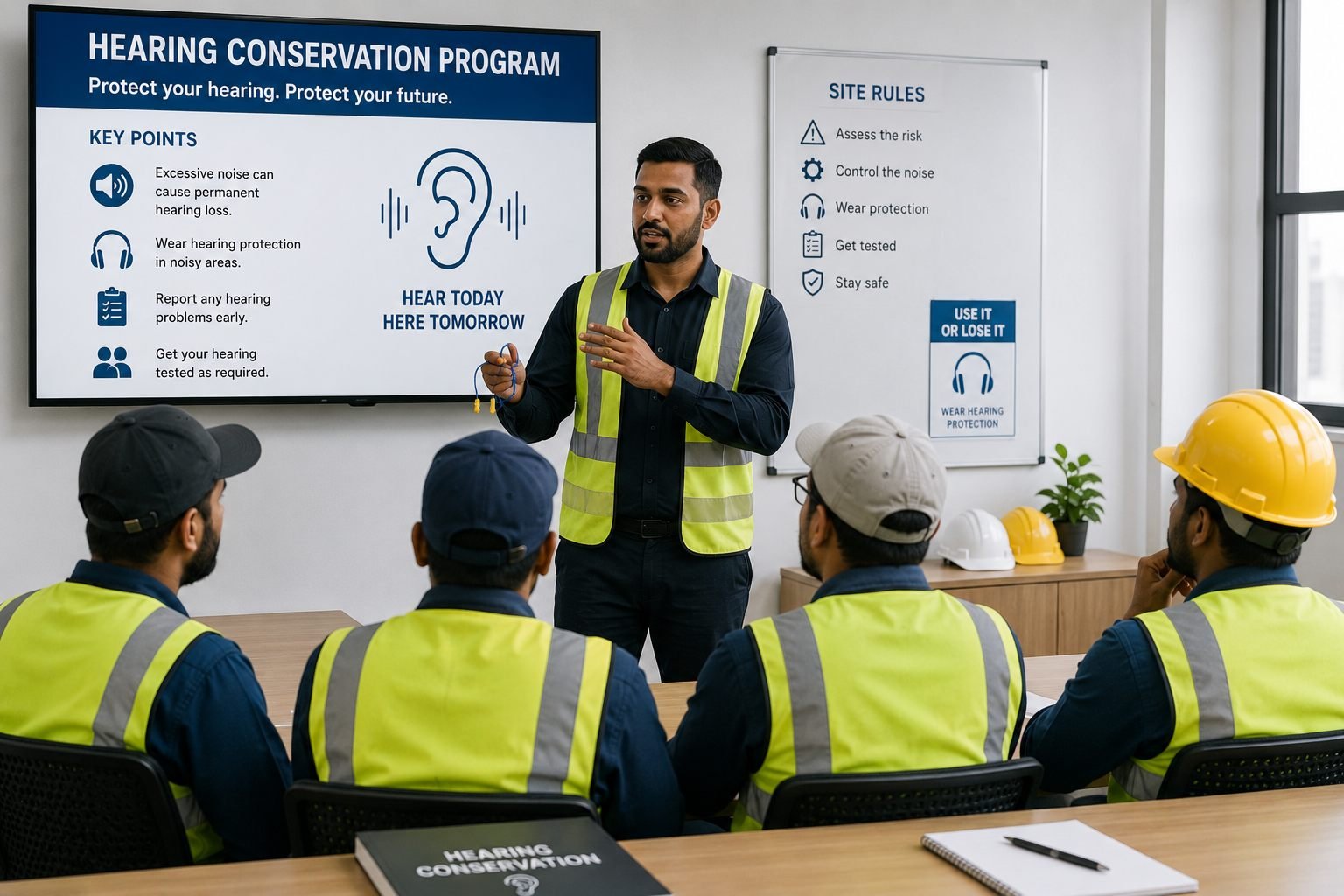
Noise induced hearing loss develops without pain and without warning. A worker exposed to high noise across years loses hearing gradually, and by the time they notice, the damage is permanent. A hearing conservation program catches this risk early through monitoring, protection, and testing, and stops the loss before it sets in. This guide gives UAE safety managers a structure for building that program across construction and industrial sites.
Construction and manufacturing across the UAE expose workers to noise from machinery, power tools, and processes that run for full shifts. Sites in Dubai, Abu Dhabi, and Sharjah all carry these hazards. A hearing conservation program brings noise assessment, control, protection, and health monitoring into one system rather than leaving hearing safety to scattered earplugs handed out without a plan.
Why a hearing conservation program matters
Hearing loss from noise is permanent and untreatable. Unlike a cut or a strain that heals, damaged hearing does not recover. This makes prevention the only effective approach, and a hearing conservation program is the structure that delivers it.
The hazard is also invisible day to day. A worker feels no pain from harmful noise levels, so the damage accumulates unnoticed. A program makes the invisible visible through measurement and testing, which lets the safety team act before the loss becomes apparent. UAE sites with sustained machinery noise carry this risk across long careers.
The permanence of the damage
Noise induced hearing loss cannot be reversed. A worker who loses hearing keeps that loss for life. Prevention through a structured program is the only way to protect against an injury that no treatment fixes.
Beyond handing out earplugs
Giving workers earplugs without a program leaves gaps. The plugs may not match the noise level, workers may wear them wrong, and no one tracks whether hearing is being protected. A program adds the measurement, fit, and testing that make protection actually work.
Identifying noise hazards on site
A program starts by finding where harmful noise exists. You cannot protect against a hazard you have not measured.
Noise level monitoring
Measuring noise across the site reveals which areas and tasks exceed safe exposure limits. The noise level monitoring in workplaces guide explains how to assess noise across a facility. Measurement turns assumptions into data the program can act on.
Understanding exposure limits
Noise exposure combines level and duration. A high level for a short time and a moderate level for a long time can both cause damage. The program assesses the dose a worker receives across the shift, not just the peak level at one moment.
Mapping high noise zones
A noise map shows where protection is mandatory and where it is not. Workers and supervisors see clearly which zones require hearing protection. This mapping drives the rest of the program across UAE sites.
Controlling noise at the source
Protection worn on the ear is the last line of defence. Controlling noise before it reaches the worker is more effective where it is possible.
Engineering controls
Quieter equipment, enclosures around noisy machinery, and barriers that block sound all reduce noise at the source. These controls protect every worker in the area without depending on them wearing anything. They are the first choice where the budget and the process allow.
Administrative controls
Where engineering controls cannot remove the noise, limiting exposure time helps. Rotating workers out of high noise zones and scheduling noisy work away from crowded periods both reduce the dose each worker receives. These controls reduce exposure without eliminating the noise.
The role of hearing protection
When controls cannot bring noise to a safe level, hearing protection covers the gap. The program treats protection as one layer among several rather than the only answer. This layered approach protects workers more reliably across the Emirates.
AAA Safe Dubai supplies hearing protection and noise control equipment for UAE construction and industrial sites. Contact our team for an assessment matched to your noise hazards.
Selecting hearing protection
Hearing protection only works when it matches the noise and fits the worker. The program specifies both.
Earplugs and earmuffs
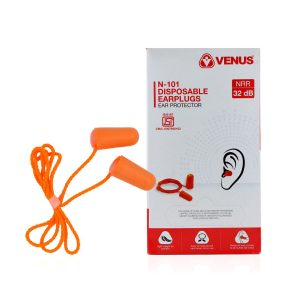
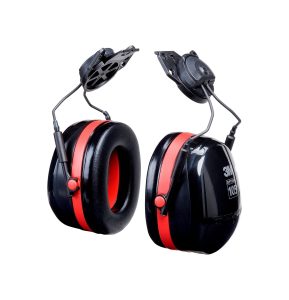
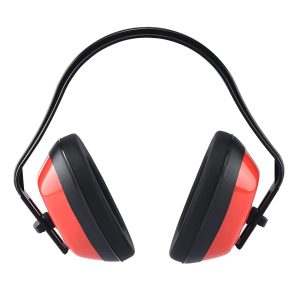
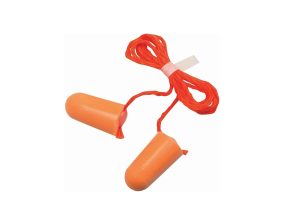
Earplugs sit in the ear canal and suit sustained wear in moderate noise. Earmuffs cover the whole ear and suit intermittent use and very high noise. For some environments, workers wear both together. The choice depends on the noise level and the work pattern.
Matching protection to the noise level
Hearing protectors carry a rating showing how much noise they reduce. The program matches this rating to the measured noise so workers get enough reduction without over protecting, which can isolate them from warning signals. The hearing protection for construction workers guide covers selection for site conditions.
Comfort and fit
Protection that hurts or feels wrong gets removed. Earplugs that fit the worker’s ear canal and earmuffs that seal without crushing both stay in place. The choosing hearing protection for manufacturing workers guide addresses fit for industrial settings. Comfort drives compliance, so fit is a safety factor.
Audiometric testing and health monitoring
Testing tracks whether the program is actually protecting hearing. It catches early loss before it becomes severe.
Baseline testing
A baseline hearing test when a worker starts gives a reference point. Later tests compare against this baseline to detect any loss. Without a baseline, the program cannot tell whether a worker’s hearing has changed.
Periodic testing
Regular tests through the worker’s time on site track their hearing over the years. A drop against the baseline signals that protection is failing somewhere, which prompts a review. Testing turns the program from a guess into a measured result.
Acting on test results
A worker showing early loss needs investigation. The program reviews their protection, their exposure, and their fit. Catching the loss early and fixing the cause stops further damage across the worker’s career on UAE sites.
Training and worker engagement
Workers protect their hearing only when they understand the risk and how to use the protection. Training builds that understanding.
Explaining the invisible hazard
Because noise damage causes no pain, workers may not take it seriously. Training explains how the damage builds unnoticed and why protection matters before any symptom appears. Understanding the hazard drives consistent use.
Correct use of protection
Workers learn to fit earplugs correctly and seal earmuffs properly. A plug worn loose or a muff worn over hair leaks noise and fails. Training fixes correct use so the protection delivers its rated reduction.
Building a culture of protection
A site where supervisors wear protection and enforce its use builds a culture that workers follow. Hearing protection becomes normal rather than optional. This culture sustains the program across busy UAE operations.
AAA Safe Dubai stocks earplugs, earmuffs, and the wider personal protective equipment range for hearing conservation. Request an itemised quote for your site across Dubai, Abu Dhabi, and Sharjah.
Documentation and program review
A documented program supports compliance and improvement over time.
Keeping records
The noise map, protection selection, testing results, and training records form the program documentation. These records show that the site has assessed and acted on its noise hazards. They support compliance reviews across the UAE regulatory framework.
Aligning with UAE requirements
Federal occupational safety law and emirate level requirements shape what a site must do about noise. Dubai, Abu Dhabi, and Sharjah each have authorities overseeing workplace safety. The program aligns with the rules that apply to the site’s location and sector.
Reviewing the program
Sites change as processes and equipment change, which changes the noise. The program needs periodic review so the noise map and protection stay current. An out of date program leaves new noise hazards uncovered across the Emirates.
Implementing the program step by step
Bringing the elements together follows a clear sequence.
Assess and map
Start with noise monitoring to find and map the hazards. This data drives every later decision. Without it, the program is guessing.
Control and protect
Apply engineering and administrative controls where possible, then select protection for the remaining noise. The layered approach reduces exposure more reliably than protection alone.
Test and review
Run baseline and periodic hearing tests, and review the program as the site changes. Testing confirms the program works, and review keeps it current. This cycle sustains hearing protection across worker careers on UAE sites.
Frequently Asked Questions
A hearing conservation program is a system that protects workers from noise induced hearing loss through monitoring, control, protection, and testing. It brings these elements into one structure. The program prevents a permanent injury that no treatment can fix.
Noise induced hearing loss is permanent and untreatable. Unlike injuries that heal, damaged hearing does not recover. The damage also builds without pain, so prevention through a program is the only effective approach.
A site measures noise through noise level monitoring across areas and tasks. This reveals where exposure exceeds safe limits. The measurement combines level and duration to assess the dose a worker receives.
Earplugs sit in the ear canal and suit sustained wear in moderate noise. Earmuffs cover the whole ear and suit intermittent use and very high noise. The choice depends on the noise level and the work pattern.
Hearing protectors carry a rating showing how much noise they reduce. The program matches this rating to the measured noise. Enough reduction protects the worker without over isolating them from warning signals.
Audiometric testing measures a worker’s hearing to track changes over time. A baseline test at the start gives a reference, and periodic tests compare against it. A drop signals that protection is failing and prompts a review.
Protection that does not fit gets removed or leaks noise. A loose earplug or a muff worn over hair fails to deliver its rated reduction. Comfort and correct fit drive both compliance and actual protection.
Engineering controls such as quieter equipment, enclosures, and barriers reduce noise before it reaches the worker. Administrative controls such as limiting exposure time and rotating workers reduce the dose. These protect more reliably than ear protection alone.
The program keeps the noise map, protection selection, testing results, and training records. These show the site has assessed and acted on noise hazards. They support compliance reviews across the UAE.
The program needs review whenever processes or equipment change the noise on site. An out of date program leaves new hazards uncovered. Periodic review keeps the noise map and protection current.
Disclaimer
This article provides general guidance on building a hearing conservation program for sites in the UAE. It does not replace a site specific noise assessment or professional occupational health advice. Noise hazards and protection requirements vary by site, process, and equipment.
The information here reflects general practice and does not constitute legal advice on occupational safety regulations. Safety managers should confirm current requirements with the relevant authorities for their location and sector.
For occupational health and workplace safety requirements, consult the Ministry of Human Resources and Emiratisation, Dubai Municipality, and the Abu Dhabi Public Health Centre.