
A sheet metal worker in Dubai reaches for a freshly cut aluminum panel. The edge catches his palm. In less than a second, he has a laceration requiring twelve stitches and six weeks of restricted duty. His supervisor later discovers the worker was wearing general purpose gloves rated for light handling, not the A4 cut resistant gloves specified for metal fabrication work.
I see this pattern repeatedly across construction sites and manufacturing facilities in the UAE. Workers suffer preventable hand injuries because someone selected the wrong glove for the task, or worse, no cut protection at all. After years of helping industrial operations in Dubai, Abu Dhabi, and Sharjah implement effective hand protection programs, I have learned that proper glove selection is both science and practical knowledge. That is why I created this cut resistant gloves selection guide specifically for UAE conditions.
This cut resistant gloves selection guide will walk you through everything you need to know about choosing the right protection for your workers, from understanding cut levels to matching gloves with specific UAE industry applications.
Why Cut Resistant Gloves Matter for UAE Industries
Hand injuries remain among the most common and costly workplace incidents across construction and manufacturing sectors. According to data from the U.S. Bureau of Labor Statistics, cuts and lacerations to hands and fingers result in over 110,000 lost workday cases annually. Hand injuries account for nearly one third of all reported workplace injuries, with lacerations being the most frequent type at approximately 63% of all hand related damage.
In the UAE context, the construction boom across Dubai, Abu Dhabi, and Sharjah has created millions of potential cut hazard exposures daily. Workers handle sheet metal, glass, reinforcing steel, sharp tools, and abrasive materials in environments where temperatures can exceed 45°C. These conditions demand gloves that provide both protection and comfort appropriate for extended wear.
The financial impact extends beyond medical costs. Add indirect costs including lost productivity, replacement workers, and potential regulatory penalties under UAE labor law, and the business case for proper hand protection becomes clear.
Understanding Cut Hazards in Construction and Manufacturing
Before selecting cut resistant gloves, you need to identify the specific hazards your workers face. Cut injuries typically result from three categories of workplace hazards.
- Contact hazards involve sharp edges, blades, and abrasive surfaces that workers touch during normal tasks. These include sheet metal edges, glass panels, wire rope, reinforcing steel, cutting tools, and rough building materials common on UAE construction sites.
- Mechanical hazards occur when hands contact moving machinery, gears, belts, or rotating equipment. Manufacturing operations in Jebel Ali Free Zone and industrial areas across the Emirates frequently involve these risks.
- Tool related hazards stem from utility knives, grinders, saws, and other cutting implements. Data indicates that 55.86% of hand tool injuries are lacerations, making this category particularly significant for UAE construction and manufacturing workers.
Understanding Cut Resistance Standards and Ratings
A proper cut resistant gloves selection guide must explain the rating systems that classify glove protection levels. Two primary standards apply to gloves sold in the UAE market.
ANSI/ISEA 105-2016 Cut Levels
The American National Standards Institute standard, updated in 2016, rates cut resistance on a nine level scale from A1 to A9. This scale replaced the previous five level system to provide more precise classification as cut resistant materials improved.
The rating indicates the grams of cutting force a glove can withstand before a blade penetrates the material. Testing uses a tomodynamometer machine that pulls a blade across the glove surface under controlled conditions.
| ANSI Level | Grams to Cut Through | Hazard Classification | Typical Applications |
|---|---|---|---|
| A1 | 200-499 grams | Light cut hazard | Light assembly, packaging |
| A2 | 500-999 grams | Light to medium | Warehouse handling, small parts |
| A3 | 1,000-1,499 grams | Light to medium | General construction, automotive |
| A4 | 1,500-2,199 grams | Medium cut hazard | Sheet metal, metal stamping |
| A5 | 2,200-2,999 grams | Medium to heavy | Glass handling, heavy metal work |
| A6 | 3,000-3,999 grams | High cut hazard | Sharp edge handling, recycling |
| A7 | 4,000-4,999 grams | High cut hazard | Metal fabrication, blade changing |
| A8 | 5,000-5,999 grams | Extreme cut hazard | Razor handling, sharp metal edges |
| A9 | 6,000+ grams | Maximum protection | Extreme cut environments |
Cut levels A1 through A3 provide good protection for applications where cut risk is lower, such as general handling, hardware assembly, and warehouse work. Levels A4 and above suit higher risk applications like glass handling, metal press work, and heavy assembly tasks common in UAE manufacturing.
EN 388:2016 European Standard
The EN 388 standard governs gloves sold in the European Union and is widely recognized in the UAE market. This standard displays results as a shield pictogram with up to six performance indicators covering abrasion, cut (Coupe test), tear, puncture, cut (ISO 13997), and impact resistance.
The 2016 revision added the ISO 13997 cut test using the same tomodynamometer machine as ANSI testing, making results more comparable. The ISO cut rating uses letters A through F, with F providing the highest protection.
EN 388 to ANSI Approximate Comparison
| EN 388 ISO Cut Level | Approximate ANSI Equivalent |
|---|---|
| A (2 Newtons) | Below A1 |
| B (5 Newtons) | A1-A2 |
| C (10 Newtons) | A3-A4 |
| D (15 Newtons) | A4-A5 |
| E (22 Newtons) | A5-A6 |
| F (30 Newtons) | A6-A7 |
Important note: These comparisons are approximate. The standards use different measurement units, with ANSI reporting in grams and EN 388 in Newtons. A glove must be tested under both standards to claim compliance with each.
For facilities operating across Dubai, Abu Dhabi, Sharjah, and the Northern Emirates, AAA Safe supplies cut resistant gloves tested to both ANSI and EN 388 standards. Our safety specialists can help you match the right protection level to your specific applications. Contact us for a hand protection assessment.
Cut Resistant Glove Materials Explained
The materials used in cut resistant glove construction directly determine protection level, comfort, durability, and cost. This section of the cut resistant gloves selection guide covers the primary materials you will encounter when sourcing hand protection for UAE operations.
High Performance Polyethylene (HPPE)
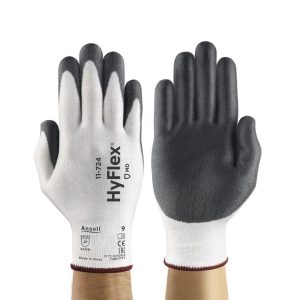
HPPE, also marketed under brand names like Dyneema and Spectra, represents the most common material in modern cut resistant gloves. This ultra high molecular weight polyethylene fiber offers a strength to weight ratio fifteen times greater than steel while remaining lightweight and comfortable.
HPPE gloves provide excellent cut resistance without the bulk of older materials. The fiber resists chemicals and UV exposure, important considerations for outdoor work in the UAE climate. HPPE does not absorb water, helping gloves maintain performance in humid conditions.
For UAE applications, HPPE gloves work well across construction, general manufacturing, and handling tasks. They remain comfortable in hot conditions due to their lightweight construction and breathability when properly designed.
Aramid Fibers (Kevlar)
Aramid fibers, best known by the DuPont brand name Kevlar, provide high tensile strength combined with heat resistance. These fibers will not drip or melt around open flame, making them suitable for applications involving heat exposure alongside cut hazards.
Aramid gloves suit welding support tasks, metal fabrication, and glass handling where workers may encounter both sharp edges and elevated temperatures. The material provides moderate to high cut protection depending on construction weight and design.
In the UAE, aramid gloves find application in manufacturing operations, maintenance work, and construction tasks involving hot materials or equipment.
Composite and Blended Materials
Modern cut resistant gloves often combine multiple materials to optimize performance. Common combinations include HPPE blended with glass fiber for enhanced cut resistance, aramid combined with steel fiber for maximum protection, composite yarns incorporating tungsten or other metallic elements, and HPPE or aramid blended with nylon or spandex for improved fit and dexterity.
These blended constructions allow manufacturers to achieve higher cut levels while maintaining comfort and flexibility. However, gloves containing glass or steel fiber may feel stiffer and less comfortable for extended wear.
Stainless Steel Mesh
For the highest cut protection requirements, stainless steel mesh gloves provide near absolute resistance to cuts and slashes. These gloves suit butchery, meat processing, and applications requiring protection against extremely sharp blades.
Steel mesh gloves offer limited dexterity compared to knit alternatives and are typically reserved for specific high risk tasks rather than general use.
Glove Coatings and Their Applications
The coating applied to a cut resistant glove determines its grip performance, durability, and suitability for different work environments. Understanding coating options is essential for this cut resistant gloves selection guide.
Polyurethane (PU) Coatings
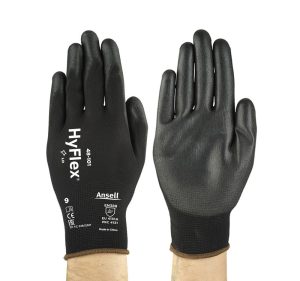
Polyurethane coatings offer excellent dexterity and tactile sensitivity in a thin, flexible layer. PU coated gloves grip well without being sticky and provide good abrasion resistance. The coating does not harden in cold conditions or soften in heat, maintaining consistent performance.
PU coatings work best in dry conditions and light oil environments. They suit precision work including electronics assembly, small parts handling, and tasks requiring fine motor control. For UAE construction applications, PU coated gloves work well for finishing work, inspection tasks, and handling smooth materials.
Nitrile Coatings
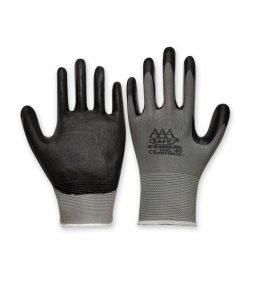
Nitrile coatings provide superior resistance to oils, fuels, and many chemicals. The synthetic rubber material offers excellent puncture resistance and durability. Nitrile coated gloves maintain grip in oily and wet conditions where other coatings struggle.
Several nitrile coating variations serve different purposes. Flat nitrile provides a smooth, durable surface suited for dry to slightly damp conditions. Foam nitrile uses a sponge like texture that absorbs oil and provides enhanced grip in wet and oily environments. Sandy nitrile features a gritty texture that channels liquids away, offering the highest grip performance in heavy oil conditions.
For UAE manufacturing operations involving machining, automotive work, or handling oily components, nitrile coated cut resistant gloves provide optimal performance.
Latex Coatings
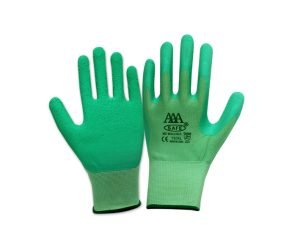
Natural rubber latex offers excellent elasticity and strong dry grip. Latex coated gloves provide good abrasion resistance and durability for construction and general handling tasks. The material works well for handling rough materials including concrete blocks, timber, and masonry.
However, latex can cause allergic reactions in some individuals, an important consideration when selecting gloves for diverse workforces. Latex performance also decreases in oily conditions.
| Work Environment | Recommended Coating | Reason |
|---|---|---|
| Dry precision work | Polyurethane | Maximum dexterity and touch sensitivity |
| Light oil exposure | Polyurethane or flat nitrile | Balance of grip and dexterity |
| Heavy oil/wet conditions | Sandy or foam nitrile | Superior grip in slippery conditions |
| Rough material handling | Latex crinkle | Excellent dry grip and durability |
| Chemical exposure | Nitrile | Chemical resistance |
| General construction | Latex or nitrile | Versatile protection |
Selecting Cut Levels for UAE Industry Applications
Matching the correct cut level to specific tasks is the core of any cut resistant gloves selection guide. Under protection leaves workers vulnerable to injury, while over protection wastes money and may reduce comfort and compliance.
Construction Industry Applications
Construction work in Dubai, Abu Dhabi, and across the UAE involves diverse cut hazards requiring different protection levels.
- General construction and site work typically requires A2 to A3 protection for handling lumber, concrete forms, general materials, and routine tasks. Workers face moderate cut risks from rough edges and construction debris.
- Reinforcing steel work demands A4 to A5 protection. Rebar tying, cutting, and placement exposes workers to sharp wire ends and cut edges that can cause serious lacerations.
- Glass and glazing work requires A5 to A7 protection depending on glass type and handling method. Plate glass, mirrors, and window installation present significant cut hazards that justify higher rated gloves.
- Metal work including flashing, ductwork, and roofing typically needs A4 to A6 protection. Sheet metal edges are extremely sharp and can cause deep lacerations instantly.
- Electrical and finishing work may only require A1 to A2 protection for general tasks, increasing to A3 or A4 when handling metal components or sharp materials.
Manufacturing Industry Applications
Manufacturing operations across UAE industrial zones involve specific cut hazards based on materials processed and equipment used.
- Light assembly and packaging typically requires A1 to A2 protection for handling cardboard, plastic components, and light materials with minimal sharp edges.
- Automotive and mechanical assembly generally needs A3 to A4 protection for handling stamped metal parts, fasteners, and components with sharp edges.
- Metal stamping and fabrication demands A5 to A7 protection. Workers handle freshly cut sheet metal, stampings, and machined parts with extremely sharp edges.
- Glass manufacturing and handling requires A6 to A9 protection depending on specific tasks. Plate glass, bottles, and glass components present severe cut hazards.
- Recycling and waste handling often requires A4 to A6 protection due to unpredictable sharp materials including metal, glass, and other debris.
AAA Safe provides cut resistant gloves across all ANSI protection levels for construction and manufacturing operations throughout Dubai, Abu Dhabi, Sharjah, and the UAE. Our technical team can conduct job hazard assessments and recommend appropriate protection for each task. Request a consultation today.
UAE Specific Considerations for Cut Resistant Gloves
Operating in the UAE climate and regulatory environment requires attention to factors that may not apply in other regions. This cut resistant gloves selection guide addresses these local considerations.
Heat and Climate Factors
Temperatures exceeding 45°C during summer months create challenges for hand protection. Gloves that feel comfortable in air conditioned environments may become unbearable outdoors. Workers remove uncomfortable gloves, eliminating protection when they need it most.
Select gloves with breathable constructions for outdoor UAE work. Look for open back designs that allow air circulation, lightweight HPPE materials that do not retain heat, moisture wicking liners that help manage perspiration, and light colors that absorb less radiant heat than dark materials.
Consider providing multiple glove options, allowing workers to choose appropriate protection for current conditions while maintaining required cut levels.
UV Exposure and Durability
Intense UV exposure in the UAE can degrade some glove materials faster than expected. HPPE fibers resist UV degradation better than some alternatives, making them suitable for outdoor construction work.
Establish glove replacement schedules accounting for UV exposure. Gloves used primarily outdoors may require replacement 25% to 30% more frequently than those used in indoor manufacturing environments.
Regulatory Framework
UAE regulations require employers to provide appropriate personal protective equipment for workplace hazards. Federal Decree Law 33 of 2021 and its implementing Cabinet Resolution establish employer obligations for worker protection.
The Abu Dhabi Occupational Safety and Health System Framework (ADOSH-SF) Code of Practice 2.0 specifically addresses PPE requirements. Section 3.4 requires that PPE be appropriately selected for the hazards it seeks to protect against. Section 3.5 requires adequate maintenance, and Section 3.6 addresses proper storage.
For guidance on UAE PPE requirements, consult the Ministry of Human Resources and Emiratisation portal and the Abu Dhabi Public Health Centre ADOSH-SF documentation.
Cut resistant gloves must carry appropriate certifications. ANSI/ISEA 105 or EN 388 ratings demonstrate that gloves have been tested to recognized standards. The Emirates Authority for Standardization and Metrology (ESMA) oversees safety equipment standards in the UAE market.
Glove Sizing and Fit Considerations
Proper fit directly impacts both protection and compliance. Gloves that are too tight restrict movement and cause fatigue. Gloves that are too loose reduce dexterity and can catch on equipment.
Measuring for Correct Size
Measure hand circumference around the widest part of the palm, excluding the thumb. Measure hand length from the wrist crease to the tip of the middle finger. Compare measurements to manufacturer sizing charts, as sizes vary between brands.
General Sizing Reference
| Size | Hand Circumference | Hand Length |
|---|---|---|
| Small (7) | 178-203 mm | 171-178 mm |
| Medium (8) | 203-229 mm | 178-188 mm |
| Large (9) | 229-254 mm | 188-198 mm |
| XL (10) | 254-279 mm | 198-208 mm |
| XXL (11) | 279-305 mm | 208-218 mm |
Fit Evaluation
When evaluating glove fit, check that fingers reach fully into finger stalls without excess material at tips. The glove should fit snugly without restricting blood flow or movement. The cuff should provide secure coverage without interfering with wrist mobility. Workers should be able to perform typical grip and manipulation tasks comfortably.
Provide multiple sizes and encourage workers to try gloves before assignment. A small investment in fit testing prevents the larger cost of workers removing ill fitting gloves during hazardous tasks.
Glove Care, Inspection, and Replacement
Cut resistant gloves require proper care to maintain protection throughout their service life. Damaged gloves may fail to provide rated protection when workers need it most.
Pre Use Inspection
Before each use, workers should inspect gloves for cuts, holes, or worn areas in the cut resistant material, coating damage or delamination, stretched or distorted fit, contamination with oils, chemicals, or debris, and any condition that might compromise protection.
Establish a simple inspection routine as part of daily work preparation. Damaged gloves must be replaced immediately regardless of service time.
Cleaning and Maintenance
Many cut resistant gloves are machine washable, extending service life and maintaining hygiene. Follow manufacturer instructions for cleaning temperature and detergent compatibility. Air dry gloves away from direct sunlight and heat sources. Never use bleach on aramid (Kevlar) gloves as it degrades the fiber.
For UAE operations, regular cleaning helps remove salt from perspiration that can degrade materials over time.
Replacement Criteria
Replace gloves when cut resistant material shows visible damage or wear, coating is worn through to expose liner material, gloves no longer fit properly due to stretching, manufacturer specified service life is reached, or gloves have been exposed to chemicals that may affect material integrity.
In the demanding UAE climate, expect shorter service life for gloves used in outdoor construction compared to climate controlled manufacturing environments.
Building a Hand Protection Program
Effective hand protection requires more than simply purchasing cut resistant gloves. A comprehensive program ensures workers receive appropriate protection and actually use it consistently. Use this cut resistant gloves selection guide as the foundation for your program development.
Hazard Assessment
Conduct systematic assessment of hand hazards for each job task. Document the types of cut hazards present, the severity of potential injuries, the frequency of exposure, and any additional hazards including chemicals, heat, or impact risks.
Use assessment results to specify minimum cut protection levels for each task or work area.
Glove Selection and Standardization
Based on hazard assessment, select specific glove models that meet protection requirements while providing appropriate comfort and dexterity for the task. Consider standardizing on a limited number of glove types to simplify inventory management and training.
Maintain documentation of approved gloves for each task, including manufacturer, model, and minimum acceptable cut rating.
Training Requirements
Train workers on the hazards present in their work areas, how to select appropriate gloves for specific tasks, proper glove donning and removal techniques, pre use inspection procedures, and limitations of cut resistant gloves.
ADOSH-SF CoP 2.0 requires that all persons who use PPE receive training and demonstrate competency before undertaking tasks requiring protection.
Program Documentation
Maintain records of hazard assessments and glove specifications, training completion for each worker, glove inventory and distribution, inspection findings and replacement actions, and any incidents involving hand protection failures.
These records demonstrate regulatory compliance and support continuous program improvement.
AAA Safe offers comprehensive hand protection program support for UAE industrial operations. From initial hazard assessment through glove selection, training, and ongoing supply, we help you build programs that protect workers and satisfy regulatory requirements. Contact our team to discuss your hand protection needs across Dubai, Abu Dhabi, Sharjah, and throughout the UAE.
Cut Resistant Gloves Pricing in the UAE Market
Understanding typical pricing helps you budget appropriately and evaluate supplier quotes. Prices vary based on cut level, materials, coating type, and brand.
Typical UAE Market Pricing by Cut Level
| Cut Level | Typical Price Range (AED per pair) | Common Applications |
|---|---|---|
| A1-A2 | 8-25 + VAT | Light handling, packaging |
| A3-A4 | 20-45 + VAT | General construction, assembly |
| A5-A6 | 35-75 + VAT | Metal handling, glass work |
| A7-A9 | 60-150 + VAT | High hazard, specialized applications |
Prices shown reflect standard industrial grade gloves from reputable manufacturers. Premium brands, specialized coatings, and enhanced features may command higher prices. Volume purchasing typically reduces per unit costs.
When evaluating pricing, consider total cost of ownership including glove service life, replacement frequency, and injury prevention value. A higher priced glove that lasts longer and provides better protection often delivers lower total cost than cheaper alternatives requiring frequent replacement.
Frequently Asked Questions
For general construction tasks including material handling, form work, and site cleanup, A2 to A3 cut resistant gloves typically provide appropriate protection. Increase to A4 or higher for tasks involving sheet metal, reinforcing steel, or other materials with sharp edges. Conduct a hazard assessment for your specific site conditions to determine exact requirements.
ANSI/ISEA 105-2016 uses a nine level scale (A1 through A9) based on grams of cutting force. EN 388:2016 uses an A through F scale based on Newtons. Both standards now use similar testing methods, but results cannot be directly converted. A glove claiming both ratings must be tested under each standard separately. For UAE operations, either standard is generally acceptable, though you should verify any specific regulatory or contract requirements.
Replace gloves immediately when you observe visible damage, worn areas, or coating failure. For undamaged gloves, replacement frequency depends on use intensity and environmental conditions. In the demanding UAE climate with heat, UV exposure, and heavy use, expect to replace outdoor construction gloves more frequently than indoor manufacturing gloves. Establish inspection routines and replacement schedules based on actual wear patterns at your facility.
Most cut resistant gloves with HPPE or aramid liners can be machine washed according to manufacturer instructions. Washing removes contamination and extends service life. Use mild detergent, avoid bleach on aramid materials, and air dry away from direct heat. Inspect gloves after washing and before reuse to verify no damage occurred during cleaning.
For hot weather comfort, select lightweight HPPE construction over heavier aramid blends, open back designs allowing air circulation, light colored materials that absorb less heat, and thin coatings that do not trap heat. Consider providing workers with multiple glove options and allowing appropriate selection based on current conditions while maintaining required protection levels.
Cut resistance and puncture resistance are separate properties. A glove rated highly for cuts may provide limited puncture protection and vice versa. If your workers face both cut and puncture hazards, verify glove ratings for both properties. Both ANSI/ISEA 105 and EN 388 include puncture resistance testing in addition to cut testing.
Nitrile coatings provide the best performance in oily conditions. Sandy nitrile offers superior grip in heavy oil, while foam nitrile works well in moderate oil exposure. Polyurethane and latex coatings lose grip quickly when contaminated with oil. For UAE manufacturing operations involving machining, automotive work, or petroleum products, specify nitrile coated cut resistant gloves.
Some cut resistant gloves include touchscreen compatible fingertips, typically using conductive fibers or coatings. These suit applications where workers need to operate tablets, smartphones, or touchscreen equipment while wearing protection. Verify touchscreen capability in product specifications, as standard gloves typically do not work with capacitive screens.
UAE regulations require appropriate PPE for workplace hazards without specifying particular brands or certifications. Gloves carrying ANSI/ISEA 105 or EN 388 ratings have been tested to internationally recognized standards. Maintain documentation of glove specifications and hazard assessments demonstrating that selected gloves match identified risks. Consult MOHRE and Dubai Municipality resources for current regulatory guidance.
Several reputable manufacturers produce quality cut resistant gloves suitable for UAE industrial applications. Ansell, Honeywell, Mechanix, Showa, and other established brands offer extensive product lines. Focus on selecting gloves with appropriate cut ratings, suitable coatings, and proper fit for your applications rather than brand alone. Work with knowledgeable suppliers who can recommend products matched to your specific requirements.
Making the Right Selection for Your Workforce
Choosing appropriate cut resistant gloves requires balancing protection levels with practical considerations including comfort, dexterity, and durability. This cut resistant gloves selection guide has covered the essential factors, but every workplace presents unique challenges.
Start by understanding the specific cut hazards your workers face. Match protection levels to actual risks rather than defaulting to maximum or minimum options. Consider the UAE climate and select gloves that workers will actually wear throughout their shifts. Establish inspection and replacement practices that maintain protection over time.
Remember that cut resistant gloves are one element of comprehensive hand safety. Proper training, hazard awareness, and safe work practices multiply the protection that even the best gloves provide.
For workers across construction sites in Dubai, manufacturing operations in Abu Dhabi, and industrial facilities throughout Sharjah and the Emirates, the right cut resistant gloves mean the difference between a normal workday and a life changing injury. Take the time to select properly, and give your workforce the protection they deserve.
Your workers depend on proper hand protection every day. AAA Safe provides complete cut resistant glove solutions for UAE industrial operations, from assessment through supply and training. With two decades of experience serving construction, manufacturing, and industrial clients across Dubai, Abu Dhabi, Sharjah, and throughout the UAE, we understand local requirements and conditions. Contact our safety specialists to discuss your hand protection needs and discover how the right gloves can reduce injuries and improve productivity at your facility.
Disclaimer
This guide provides general information about cut resistant gloves selection for educational purposes. While we have made every effort to ensure accuracy, product specifications, pricing, and regulations change over time. Always verify current requirements with manufacturers, regulatory authorities, and qualified safety professionals.
Cut resistance ratings indicate performance under controlled testing conditions. Actual protection may vary based on specific hazards, glove condition, and proper use. No glove provides complete protection against all cut hazards. Employers are responsible for conducting workplace hazard assessments and selecting appropriate PPE for their specific conditions.
For current UAE regulatory requirements, consult MOHRE, the Abu Dhabi Public Health Centre, Dubai Municipality, and relevant free zone authorities. This information does not constitute legal advice.