
You know that moment when you realize the safety equipment supplier you just signed with can’t deliver what your workers actually need? That’s when understanding what to ask about a PPE supply contract becomes more than just procurement paperwork – it becomes the difference between protecting your workforce or leaving them vulnerable when it matters most.
I’ve worked with companies across the UAE for years, and honestly, the businesses that rush through equipment contracts without asking the right questions are the ones dealing with delivery failures, quality issues, and compliance nightmares. A PPE supply contract isn’t about finding the lowest price – it’s about establishing a partnership with a supplier who understands that your workers’ safety depends on their reliability.
Look, personal protective equipment procurement will always involve complex decisions. But what separates professional operations from costly mistakes is knowing exactly which questions reveal whether a supplier can actually deliver on their promises. The UAE’s extreme climate combined with strict regulatory requirements creates unique demands that generic suppliers simply cannot meet.
This guide walks you through the 10 critical questions you must ask before signing a PPE supply contract, specifically tailored to UAE business conditions where temperatures exceed 50°C and regulatory compliance is non-negotiable.
Understanding UAE PPE Regulations and Compliance Requirements
Questions about PPE supply contract compliance start with understanding the regulatory framework governing safety equipment in the UAE.
UAE Safety Equipment Standards
The UAE Federal Decree Law No. 33 of 2021 establishes fundamental workplace safety requirements. Under this law, employers must provide appropriate protective equipment meeting recognized safety standards. Your equipment supplier must demonstrate thorough knowledge of these requirements.
The Emirates Authority for Standardization and Metrology (ESMA) regulates safety equipment standards in the UAE. ESMA certification verifies that protective equipment meets minimum safety performance requirements. Any serious PPE supply contract discussion must address ESMA compliance from the start.
Industry-Specific Compliance
Different industries face unique regulatory requirements. Construction operations must comply with Dubai Municipality regulations and Abu Dhabi OSHAD standards. Oil and gas facilities require equipment meeting specific hazard ratings. Healthcare facilities need medical-grade protection certified for clinical environments.
Understanding these requirements helps you ask informed questions about whether suppliers can meet your specific compliance needs. Generic safety equipment suppliers often lack the specialized knowledge required for industry-specific applications.
International Certification Standards
While UAE regulations establish minimum requirements, international certifications often provide additional quality assurance. Equipment certified to ANSI (American National Standards Institute), EN (European Norm), or ISO (International Organization for Standardization) standards typically exceeds basic compliance requirements.
However, international certification alone doesn’t guarantee UAE compliance. The most reliable suppliers maintain both international certifications and specific ESMA approvals for the UAE market.
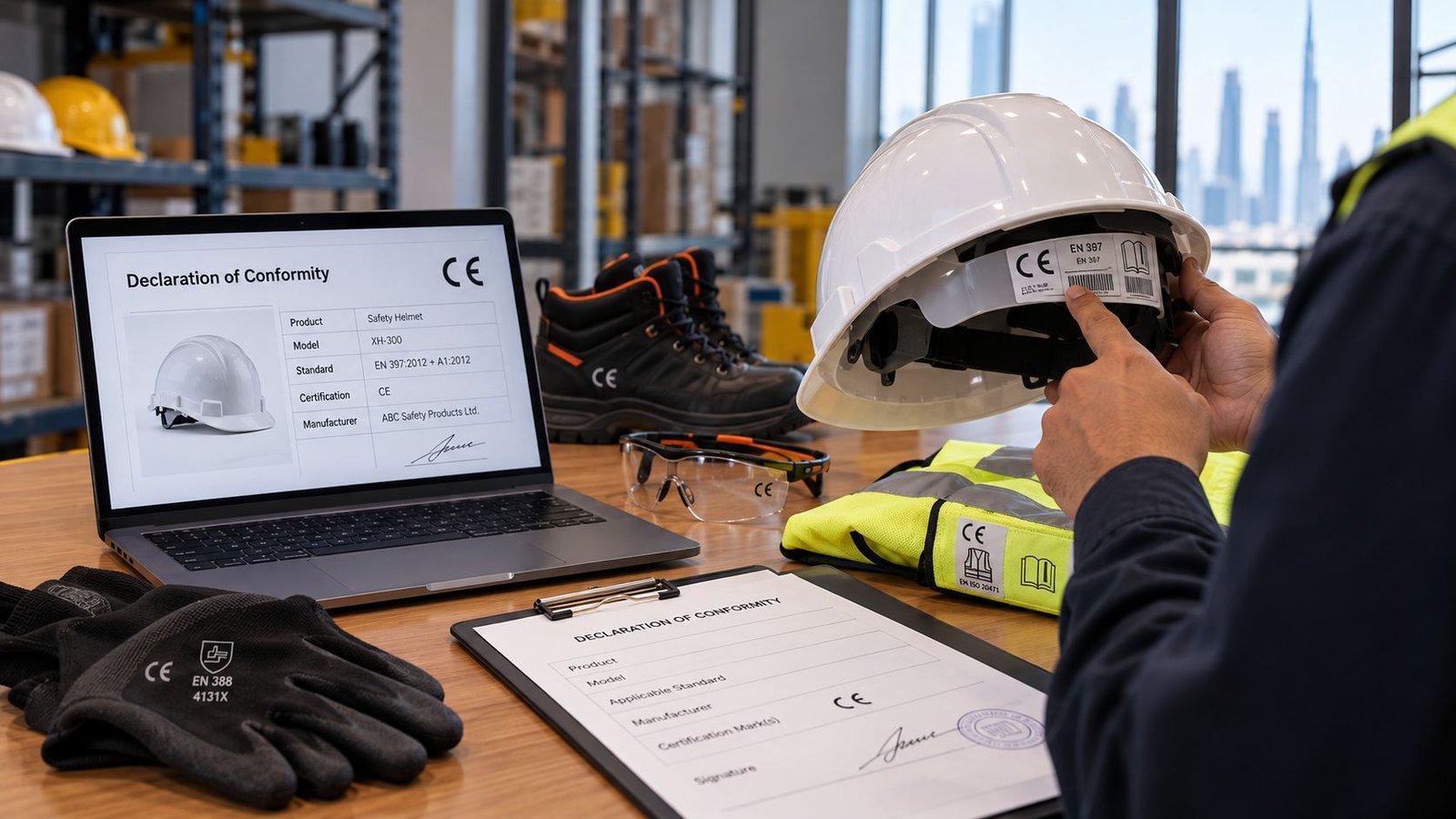
Question 1: What Certifications and Approvals Does Your Equipment Hold?
This first question about any PPE supply contract reveals whether the supplier provides genuinely compliant equipment or cheap alternatives that create liability risks.
Required Certifications by Equipment Type
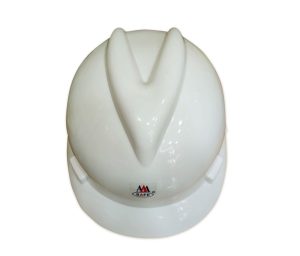
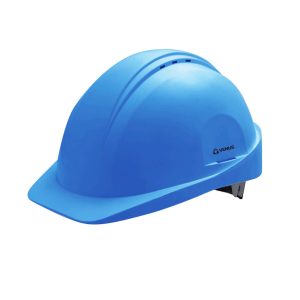
- Head protection requires ANSI Z89.1 or EN 397 certification with ESMA approval. Hard hats without proper certification offer inadequate protection against impact and penetration hazards common in UAE construction and industrial environments.
- Eye and face protection must meet ANSI Z87.1 or EN 166 standards depending on hazard type. Welding shields, safety glasses, and face shields each require specific certifications based on their intended protection level.
- Respiratory protection certifications vary by respirator type. N95 masks require NIOSH approval, while reusable respirators need NIOSH and often ESMA certification. Full-face respirators and supplied-air systems require even more rigorous approval processes.
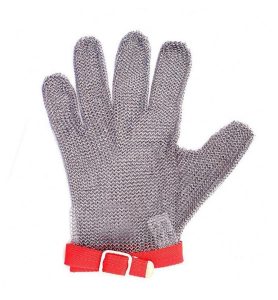
- Hand protection standards depend on hazard exposure. Cut-resistant gloves require ANSI/ISEA 105 or EN 388 certification specifying cut level ratings. Chemical-resistant gloves need EN 374 certification identifying which chemicals the gloves protect against.
- Foot protection must meet ASTM F2413 or EN ISO 20345 standards. Steel-toe boots, electrical hazard shoes, and slip-resistant footwear each require specific certification proving they provide advertised protection levels.
- Fall protection equipment including harnesses, lanyards, and anchor points requires ANSI Z359 or EN 361 certification. Fall protection failures cause catastrophic injuries, making certification verification absolutely critical.
- High-visibility clothing must meet ANSI/ISEA 107 or EN ISO 20471 standards with specific class ratings. UAE construction sites require Class 2 or Class 3 garments depending on work environment and traffic exposure.
Verification Process
Ask suppliers to provide certification documentation for every product category you’re purchasing. Legitimate suppliers maintain comprehensive certification files and provide copies without hesitation. Suppliers who can’t immediately produce certification documents are selling non-compliant equipment.
Request ESMA registration numbers for products requiring UAE-specific approval. These numbers can be verified through ESMA’s online database, confirming the equipment legally meets UAE safety standards.
Verify that certifications remain current. Safety equipment standards evolve, and certifications expire. Equipment certified five years ago may no longer meet current requirements even if it once held proper approvals.
Red Flags to Watch For
Suppliers claiming “equivalent to” or “comparable to” certified equipment without actual certifications are selling non-compliant products. UAE regulations and international standards require specific testing and approval processes that cannot be substituted with subjective quality claims.
Suppliers offering “bulk pricing” on equipment lacking proper documentation are selling counterfeit or substandard products. Genuine certified equipment costs reflect the testing, approval, and quality control processes required to meet safety standards.
Generic “CE marked” equipment without specific standard references provides inadequate verification. CE marking covers hundreds of different standards, and many suppliers fraudulently apply CE marks to non-compliant products. Demand specific EN standard numbers with verification documentation.
Need help verifying equipment certifications and ensuring your PPE supply contract includes only compliant products?
AAA Safe Dubai specializes in helping UAE businesses across Dubai, Abu Dhabi, and Sharjah select certified safety equipment that meets both international standards and local regulatory requirements.
Question 2: What Are Your Delivery Capabilities and Lead Times?
Understanding supplier delivery performance is critical before committing to any PPE supply contract.
Standard Delivery Timelines
Reputable suppliers maintain inventory levels enabling delivery within 24-48 hours for common items. Safety equipment needs don’t wait for convenient delivery schedules – workers require protection immediately when hazards are identified.
Ask specific questions about delivery timelines for different product categories. Standard items like hard hats, safety glasses, and gloves should be available for same-day or next-day delivery within UAE. Specialized equipment like custom-fit respirators or specialized fall protection systems may require 3-7 days.
Emergency delivery capabilities matter when unexpected situations arise. Suppliers should offer expedited delivery options ensuring critical equipment reaches your site within hours when urgent needs develop.
Geographic Coverage
UAE businesses operate across multiple emirates with varying accessibility. Suppliers must demonstrate delivery capability to all your work locations, not just major cities.
Ask whether delivery covers Dubai, Abu Dhabi, Sharjah, Ajman, Ras Al Khaimah, Fujairah, and Umm Al Quwain. Remote industrial sites and offshore facilities require specialized logistics that many suppliers cannot provide.
Clarify delivery costs for different locations. Some suppliers offer free delivery only within specific zones, adding unexpected costs for outlying areas. Transparent delivery pricing prevents budget surprises after contract signing.
Inventory Management
Reliable suppliers maintain substantial inventory preventing stockouts of critical items. Ask specific questions about inventory depth for products you regularly purchase.
Suppliers with weak inventory management create dangerous gaps when you need equipment. A supplier who runs out of N95 masks during a dusty work period leaves your workers exposed to respiratory hazards.
Some suppliers offer consignment inventory programs where equipment is stored at your facility but remains supplier-owned until used. This arrangement ensures immediate availability while minimizing your cash investment in safety stock.
Backorder Policies
Even excellent suppliers occasionally face backorders due to manufacturer delays or unexpected demand surges. What matters is how they handle these situations.
Ask about notification procedures when items go on backorder. Responsible suppliers immediately inform customers and provide realistic timelines for restocking rather than accepting orders they cannot fulfill.
Clarify whether suppliers offer equivalent substitutions when specific products are unavailable. Quality suppliers maintain relationships with multiple manufacturers, enabling them to source comparable certified alternatives during supply disruptions.
Question 3: What Quality Control Processes Ensure Equipment Performance?
Quality control questions reveal whether a PPE supply contract delivers reliable protection or creates liability through defective equipment.
Incoming Inspection Procedures
Professional safety equipment suppliers inspect all incoming products verifying they meet manufacturer specifications and certification requirements. This inspection catches counterfeit products, manufacturing defects, and shipping damage before defective equipment reaches customers.
Ask suppliers to describe their incoming inspection processes. Legitimate suppliers can explain specific inspection procedures including visual examination, documentation verification, and sample testing protocols.
Suppliers without formal inspection procedures are essentially shipping products directly from manufacturers without verification. This practice allows defective or counterfeit equipment to reach end users, creating serious safety risks.
Storage Conditions
Safety equipment performance degrades when exposed to extreme temperatures, humidity, sunlight, or contaminants. UAE’s harsh climate makes proper storage particularly critical.
Verify that suppliers maintain climate-controlled warehouse facilities. Safety equipment stored in non-air-conditioned warehouses in UAE summer heat can experience material degradation reducing protection effectiveness.
Ask about inventory rotation systems ensuring older stock ships before newer stock. First-in-first-out inventory management prevents equipment from exceeding shelf life before reaching customers.
Batch Tracking and Traceability
Quality suppliers maintain detailed records linking each product to its manufacturing batch, enabling rapid response if safety issues are discovered.
Ask whether suppliers can trace products back to manufacturing date and batch number. This capability is essential for managing product recalls and identifying potentially defective equipment before incidents occur.
Suppliers unable to provide batch traceability lack the systems necessary for professional quality management. This limitation becomes critical when recalls occur and defective products must be identified and removed from service.
Testing and Verification
Beyond manufacturer certifications, some suppliers conduct additional verification testing on safety-critical equipment.
Ask whether suppliers perform sample testing on items like fall protection equipment, respirators, or electrical safety gear. This additional verification provides confidence that equipment actually performs as specified rather than relying solely on manufacturer claims.
While comprehensive testing adds cost, the investment proves worthwhile for high-risk equipment where failures cause serious injuries or fatalities.
Question 4: What Is Your Product Range and Specialization?
Understanding supplier specialization helps determine whether a PPE supply contract provides the breadth and depth of products your operations require.
Breadth of Product Categories
Comprehensive safety equipment suppliers stock all major PPE categories including head protection, eye and face protection, hearing protection, respiratory protection, hand protection, foot protection, body protection, fall protection, and high-visibility clothing.
Single-source suppliers simplify procurement and often provide better pricing through consolidated purchasing. However, specialized suppliers sometimes offer superior products and technical expertise within their focus areas.
Ask suppliers to provide complete product catalogs showing available options within each category. Review these catalogs identifying whether suppliers stock the specific items your operations require.
Depth Within Categories
Product category breadth matters less than depth within categories relevant to your operations. A supplier offering 50 different hard hat styles provides little advantage if they lack the specific fall protection equipment your work requires.
Ask detailed questions about product options within your critical categories. For respiratory protection, verify suppliers stock multiple filter types (N95, P100, organic vapor, acid gas), various respirator styles (disposable, elastomeric, PAPR), and appropriate sizes for your workforce.
For hand protection, confirm suppliers maintain inventory across different protection types (cut-resistant, chemical-resistant, heat-resistant, cold-resistant, impact-resistant) in multiple sizes and brands.
Industry-Specific Expertise
Different industries require specialized safety equipment and application knowledge. Construction operations need different products than oil and gas facilities, healthcare operations, or manufacturing plants.
Ask whether suppliers have experience serving your specific industry. Industry expertise helps suppliers recommend appropriate products, understand regulatory requirements, and anticipate your needs.
Suppliers claiming to serve “all industries” often lack the specialized knowledge necessary for complex applications. Focused suppliers typically provide better technical support and product selection guidance.
UAE Climate Adaptations
UAE’s extreme heat requires safety equipment specifically designed for hot climates. Standard equipment suitable for temperate climates often proves inadequate in UAE conditions.
Ask whether suppliers stock heat-stress-adapted equipment including moisture-wicking uniforms, cooling vests, UV-resistant clothing, and hydration systems. These adaptations significantly improve worker comfort and compliance with PPE requirements.
Verify that suppliers understand how UAE climate affects equipment selection. Respirators, gloves, and protective clothing suitable for European or North American climates may prove unbearable in 50°C temperatures.
Question 5: What Pricing Structure and Payment Terms Do You Offer?
Understanding the complete cost structure is essential before committing to any PPE supply contract.
Unit Pricing vs. Contract Pricing
Suppliers typically offer per-unit pricing for small orders and contract pricing for volume commitments. Contract pricing can reduce costs by 15-35% compared to per-unit purchases.
Ask for detailed pricing comparisons showing per-unit costs versus annual contract pricing. Calculate your projected annual equipment needs to determine whether volume commitments provide meaningful savings.
Clarify minimum purchase requirements for contract pricing. Some suppliers require substantial volume commitments that may exceed your actual needs, forcing you to overstock equipment or pay for unused contractual minimums.
Volume Discount Thresholds
Most suppliers offer tiered pricing based on order quantities. Understanding these thresholds helps optimize order sizes maximizing discounts without excessive inventory investment.
Ask for complete discount tier schedules showing price breaks at different volume levels. This information helps you consolidate orders strategically reaching discount thresholds.
Verify whether discount tiers apply per order or cumulative annually. Annual cumulative discounts reward overall relationship value rather than requiring large individual orders.
Payment Terms and Conditions
Standard payment terms in UAE range from immediate payment (cash on delivery) to net 30 or net 60 days for established customers. Payment terms significantly impact cash flow and working capital requirements.
Ask about available payment options including credit terms, progress billing for large orders, and early payment discounts. Favorable payment terms can make higher-priced suppliers more cost-effective than cheaper alternatives requiring immediate payment.
Clarify whether suppliers charge interest or late fees on overdue accounts. Understanding these charges prevents unexpected costs from payment timing issues.
Hidden Costs and Fees
Advertised pricing sometimes excludes significant additional costs that materially impact total expenditure.
Ask specifically about delivery charges, fuel surcharges, minimum order fees, rush order fees, special packaging charges, and documentation fees. These additions can increase total costs by 10-20% beyond base pricing.
Verify whether quoted prices include 5% VAT or if tax adds to stated prices. This clarification prevents budget surprises when invoices arrive.
Price Stability and Escalation Clauses
Multi-year contracts require protection against unexpected price increases while allowing fair adjustments for genuine cost changes.
Ask whether contract pricing remains fixed for the contract term or includes escalation provisions. Fixed pricing provides budget certainty but may result in suppliers building inflation cushions into initial pricing.
If contracts include price escalation clauses, verify they tie to objective indices like UAE consumer price index rather than subjective supplier cost claims. This linkage prevents arbitrary price increases.
Question 6: What Technical Support and Training Do You Provide?
Technical support capabilities distinguish professional suppliers from basic distributors when evaluating a PPE supply contract.
Product Selection Assistance
Choosing appropriate safety equipment requires understanding specific hazards, regulatory requirements, and equipment capabilities. Professional suppliers provide expert guidance rather than simply taking orders.
Ask whether suppliers offer job hazard analysis assistance identifying which equipment types provide appropriate protection for specific work activities. This consultation ensures you purchase equipment actually needed rather than generic products.
Verify that supplier staff possess technical knowledge answering questions about equipment specifications, certification requirements, and proper application. Sales representatives who cannot explain product technical details lack the expertise necessary for professional guidance.
Fit Testing Services
Respiratory protection requires proper fit testing ensuring tight-fitting respirators seal correctly on individual users’ faces. Improper fit compromises protection regardless of filter quality.
Ask whether suppliers provide on-site fit testing services for respiratory protection programs. This service is essential for companies using N95 masks, elastomeric respirators, or full-face respirators.
Clarify fit testing costs including initial testing and annual retesting required by safety regulations. Some suppliers include fit testing in equipment pricing while others charge separately for this critical service.
Training Programs
Worker training on proper equipment use significantly improves protection effectiveness and compliance rates.
Ask whether suppliers offer training programs covering equipment selection, proper donning and doffing procedures, inspection requirements, maintenance needs, and limitations. Comprehensive training ensures workers understand not just how to wear equipment but why it matters.
Verify whether training can be conducted on-site at your facilities or if workers must travel to supplier locations. On-site training reduces logistical complexity and enables larger groups to receive instruction efficiently.
Ongoing Technical Support
Safety equipment questions arise continuously as work conditions change and new hazards emerge.
Ask about ongoing support availability including phone consultation, email support, and on-site visits when needed. Responsive technical support helps solve problems quickly rather than leaving workers at risk while awaiting guidance.
Clarify response time commitments for technical inquiries. Professional suppliers respond to urgent safety questions within hours rather than days.
Regulatory Compliance Assistance
UAE safety regulations evolve continuously, requiring businesses to adapt their safety equipment programs.
Ask whether suppliers monitor regulatory changes and proactively inform customers about new requirements. This service helps ensure continuous compliance rather than discovering violations during inspections.
Verify that suppliers can provide documentation supporting regulatory compliance including certification letters, test reports, and conformity declarations needed for audits and inspections.
Looking for a PPE supply contract partner offering comprehensive technical support tailored to UAE operations?
AAA Safe Dubai provides expert consultation, fit testing services, training programs, and ongoing regulatory compliance assistance across Dubai, Abu Dhabi, and Sharjah.
Question 7: What Are Your Quality Guarantees and Return Policies?
Understanding supplier accountability provisions is essential before signing any PPE supply contract.
Warranty Coverage
Safety equipment warranties protect against manufacturing defects and premature failure.
Ask about standard warranty periods for different equipment categories. Hard hats typically carry 2-5 year warranties, safety footwear 6-12 months, and fall protection equipment 5-10 years depending on usage.
Clarify what warranty coverage includes. Some warranties cover only manufacturing defects while others include normal wear replacement within specified timeframes.
Verify warranty claim procedures including documentation requirements, return processes, and replacement timelines. Complicated warranty claims discourage workers from reporting defective equipment, leaving them at risk.
Defective Product Replacement
Even quality manufacturers occasionally produce defective equipment. Supplier response to defects reveals their commitment to customer safety.
Ask about procedures for reporting and replacing defective equipment. Professional suppliers immediately replace defective products without requiring extensive investigation or documentation.
Clarify whether suppliers cover shipping costs for defective returns and replacements. Requiring customers to pay shipping for manufacturer defects adds insult to injury.
Satisfaction Guarantees
Some suppliers offer satisfaction guarantees allowing returns of unused equipment that doesn’t meet customer expectations.
Ask about return windows (30, 60, or 90 days), restocking fees, and return shipping responsibilities. Generous return policies demonstrate supplier confidence in product quality.
Verify whether satisfaction guarantees exclude certain product categories. Some suppliers prohibit returns of respirators, hygiene items, or custom products for legitimate health and safety reasons.
Incorrect Order Resolution
Order errors occasionally occur even with careful processes. How suppliers handle these situations reflects their customer service commitment.
Ask about procedures when orders arrive with incorrect items, quantities, or specifications. Responsible suppliers immediately correct errors without charging customers for their mistakes.
Clarify who bears shipping costs for returns and replacements when suppliers ship incorrect products. Customers should never pay for supplier errors.
Damaged Shipment Handling
Products damaged during shipping require rapid replacement to prevent safety gaps.
Ask about damage reporting procedures and replacement timelines. Professional suppliers expedite replacement shipments ensuring workers aren’t left without necessary protection.
Verify whether suppliers handle shipping damage claims directly or require customers to file claims with carriers. Suppliers managing claims simplify the process significantly.
Question 8: How Do You Handle Emergency and Rush Orders?
Emergency situations reveal supplier true capabilities when evaluating a PPE supply contract.
Emergency Response Procedures
Urgent safety equipment needs arise from equipment failures, expanded operations, new hazards, or emergency situations.
Ask whether suppliers maintain dedicated emergency response procedures ensuring immediate attention to urgent requests. Professional suppliers prioritize safety-critical orders over routine replenishment.
Clarify emergency contact methods including after-hours phone numbers, emergency email addresses, or dedicated emergency portals. Safety emergencies don’t respect business hours.
Rush Delivery Options
When standard delivery timelines prove inadequate, rush delivery options become critical.
Ask about same-day delivery capabilities within your service area. Some suppliers maintain courier services enabling delivery within hours of order placement.
Verify rush delivery costs and availability. Understanding these charges in advance prevents disputes when emergency needs arise.
Temporary Equipment Loans
Equipment failures sometimes occur before replacement units arrive. Temporary equipment loans bridge these gaps maintaining worker protection.
Ask whether suppliers offer loaner equipment for items like fall protection systems, confined space equipment, or specialized protective gear. This service prevents dangerous work stoppages while awaiting permanent equipment.
Clarify loaner terms including duration limits, insurance requirements, and return conditions. Understanding these parameters prevents complications when using temporary equipment.
After-Hours Service
Safety operations run 24/7 in many industries. Equipment failures during evening, overnight, or weekend shifts require immediate response.
Ask whether suppliers provide after-hours support for emergency equipment needs. True 24/7 capability means humans answer phones and process orders, not just recorded messages suggesting calling back during business hours.
Verify after-hours service costs including premium charges for weekend or holiday delivery. Knowing these costs helps budget for 24/7 operations appropriately.
Question 9: What Are Your Stock Management and Consignment Options?
Inventory management capabilities significantly impact PPE supply contract value and convenience.
Vendor-Managed Inventory Programs
Vendor-managed inventory (VMI) programs transfer stock management responsibility to suppliers while maintaining equipment at customer facilities.
Ask whether suppliers offer VMI programs including periodic inventory audits, automatic replenishment, and usage tracking. These services reduce administrative burden while ensuring equipment availability.
Clarify VMI program costs and minimum volume requirements. Some suppliers provide VMI services at no additional charge while others add management fees.
Consignment Inventory Arrangements
Consignment programs place supplier-owned equipment at customer facilities with payment occurring only when items are used.
Ask about consignment program availability, equipment categories eligible for consignment, and minimum volume requirements. Consignment arrangements reduce working capital requirements while ensuring immediate equipment availability.
Verify consignment terms including inventory minimums suppliers maintain, replenishment schedules, and ownership transfer procedures. Clear terms prevent disputes about responsibility for missing or damaged items.
Just-In-Time Delivery
Just-in-time (JIT) delivery minimizes customer inventory investment by coordinating deliveries with actual usage.
Ask whether suppliers support JIT programs including scheduled deliveries aligned with project schedules or production cycles. This coordination reduces storage requirements and capital tied up in inventory.
Clarify JIT reliability including on-time delivery performance metrics. JIT programs fail when suppliers cannot consistently meet scheduled delivery commitments.
Usage Tracking and Reporting
Understanding equipment usage patterns helps optimize inventory levels and identify opportunities for safety program improvements.
Ask whether suppliers provide usage tracking reports showing consumption by equipment type, department, project, or time period. This data supports budget planning and helps identify training needs or process improvements.
Verify reporting capabilities including custom report options and data export formats. Flexible reporting enables integration with your procurement and safety management systems.
Question 10: What Is Your Track Record and Client References?
Past performance provides the best predictor of future service when evaluating any PPE supply contract.
Years in Business and Market Position
Established suppliers demonstrate staying power and market acceptance.
Ask how long suppliers have operated in UAE market specifically. Some international suppliers claim decades of global experience but limited UAE presence, lacking understanding of local requirements and conditions.
Verify whether suppliers maintain physical presence in UAE or operate through distributors or remote fulfillment. Local presence enables better service including on-site visits, faster delivery, and immediate problem resolution.
Client Portfolio and Industry Experience
Suppliers serving reputable clients in your industry demonstrate competency meeting similar requirements.
Ask for client lists showing major customers in your industry segment. Strong suppliers work with recognized companies that demand high service levels.
Verify industry-specific experience through references from companies similar to yours in size, industry, and operational complexity. Experience serving a five-person office doesn’t translate to capability supporting a 500-person construction operation.
Client References
References provide direct feedback from current customers about supplier performance.
Ask for contact information from at least three clients with similar needs to yours. Speaking directly with current customers reveals information suppliers would never volunteer.
Prepare specific questions for references including delivery reliability, product quality, technical support responsiveness, pricing transparency, and how suppliers handle problems. These conversations often reveal issues obscured during sales presentations.
Awards and Recognition
Industry awards and certifications demonstrate external validation of supplier capabilities.
Ask about safety industry awards, quality certifications, or professional memberships. Organizations like International Safety Equipment Association (ISEA) membership indicates commitment to industry standards.
Verify that awards and certifications remain current. Expired certifications or decade-old awards suggest declining performance.
Financial Stability
Supplier financial health impacts their ability to fulfill multi-year contract commitments.
While suppliers may resist sharing detailed financial information, ask general questions about financial stability, credit ratings, and banking relationships. Suppliers in financial distress create supply continuity risks.
Look for warning signs including requests for advance payment on routine orders, sudden price increases, inventory reductions, or staff turnover suggesting financial problems.
Problem Resolution Track Record
How suppliers handle problems reveals more about their character than how they handle routine transactions.
Ask references specifically about problem resolution experiences. Did suppliers take responsibility for errors? Were solutions provided quickly? Did problems recur or were root causes addressed?
Suppliers claiming perfect records likely haven’t done enough business to encounter problems yet. Mature suppliers acknowledge occasional issues while demonstrating effective resolution processes.
Ready to evaluate PPE supply contract options with a supplier offering proven UAE track record?
AAA Safe Dubai serves major construction, oil and gas, healthcare, and manufacturing clients across Dubai, Abu Dhabi, and Sharjah with comprehensive safety equipment solutions backed by demonstrated performance and client references.
Essential Contract Terms and Conditions
Understanding key PPE supply contract provisions protects both parties and establishes clear expectations.
Contract Duration and Renewal Terms
Most safety equipment contracts span 1-3 years with renewal options.
Verify contract duration, automatic renewal provisions, and termination notice requirements. Understanding these terms prevents unwanted automatic renewals or premature contract terminations.
Ask about early termination provisions including required notice periods and any penalties or fees. Business circumstances change, and contracts should accommodate reasonable exit options.
Pricing Protection and Adjustment Mechanisms
Multi-year contracts require balancing price stability with fair cost adjustments.
Clarify whether pricing remains fixed or includes adjustment provisions. Fixed pricing provides budget certainty but may result in higher initial costs as suppliers build inflation cushions into pricing.
If contracts include price adjustment mechanisms, verify they tie to objective indices like UAE CPI rather than supplier discretion. This linkage prevents arbitrary increases while allowing fair adjustments.
Minimum Purchase Commitments
Some contracts require minimum annual purchases to qualify for negotiated pricing.
Understand minimum commitments clearly including consequences for falling short. Some suppliers charge penalties while others simply adjust pricing to reflect actual volumes.
Ensure minimum commitments align realistically with your projected needs. Optimistic volume projections can lock you into purchase obligations exceeding actual requirements.
Performance Standards and Remedies
Clear performance standards enable objective assessment of supplier compliance.
Ask about service level agreements specifying delivery timelines, order accuracy rates, defect rates, and response times. Measurable standards enable accountability.
Clarify remedies for performance failures including credits, penalty fees, or termination rights. Without defined consequences, performance standards lack enforcement mechanisms.
Liability and Insurance Coverage
Safety equipment failures can cause serious injuries, raising questions about responsibility and insurance.
Verify that suppliers maintain product liability insurance with adequate coverage limits. This insurance protects both parties if equipment defects contribute to injuries.
Understand liability allocation including whether contracts include indemnification provisions, limitation of liability clauses, or warranty disclaimers. These provisions significantly impact risk distribution.
Confidentiality and Data Protection
Business relationships involve sharing sensitive information requiring protection.
Ask about confidentiality provisions protecting pricing information, usage data, and business plans from disclosure to competitors or unauthorized parties.
Verify compliance with UAE data protection requirements if suppliers collect or process employee information through fit testing, training, or equipment sizing services.
Frequently Asked Questions
Safety equipment for UAE must meet ESMA (Emirates Authority for Standardization and Metrology) requirements and hold international certifications like ANSI, EN, or ISO standards depending on equipment type. When negotiating a PPE supply contract, verify suppliers provide ESMA registration numbers and complete certification documentation for all products. Expect costs ranging from AED 50-500 per unit depending on equipment complexity.
Standard items should deliver within 24-48 hours to major UAE cities (Dubai, Abu Dhabi, Sharjah) with same-day delivery available for emergencies. Before signing any PPE supply contract, verify delivery capabilities to all your work locations including remote sites. Rush delivery typically adds AED 50-200 depending on urgency and distance.
Payment terms typically range from net 30 to net 60 days for established customers with good credit. New customers may face prepayment or cash-on-delivery requirements initially. When evaluating a PPE supply contract, negotiate terms based on order volume and relationship history. Volume commitments often unlock better payment terms.
Single-source suppliers simplify procurement and often provide 15-30% better pricing through consolidated volume. However, multiple suppliers reduce supply chain risk if one fails. For critical operations, consider a primary supplier handling 70-80% of needs plus backup suppliers for redundancy. Your PPE supply contract strategy depends on operation size and risk tolerance.
Annual contracts typically reduce costs 15-35% compared to per-order purchasing through volume discounts, reduced administrative costs, and negotiated pricing. A company spending AED 100,000 annually on safety equipment could save AED 15,000-35,000 with proper PPE supply contract negotiation. Larger volumes generate proportionally larger savings.
Warranties should cover manufacturing defects and premature failure based on normal use. Hard hats typically carry 2-5 year warranties, safety footwear 6-12 months, fall protection 5-10 years. Verify your PPE supply contract includes clear warranty terms, simple claim procedures, and rapid replacement processes. Good suppliers replace defective equipment within 24-48 hours.
Professional suppliers offer product selection consultation, fit testing services (AED 100-300 per person), user training programs, and ongoing technical support. When evaluating a PPE supply contract, prioritize suppliers providing comprehensive support rather than just product delivery. Training and support significantly improve protection effectiveness and regulatory compliance.
Request client references from similar companies in your industry and verify them directly. Check business registration with Dubai Department of Economic Development or relevant emirate authorities. Review physical facilities confirming adequate inventory and storage conditions. Before finalizing any PPE supply contract, verify financial stability and market reputation through multiple sources.
Important Notice
This information provides general guidance on safety equipment procurement and should not be considered a substitute for professional procurement advice or legal counsel. Safety equipment requirements vary based on specific industries, workplace hazards, and local regulations.
UAE safety operations must comply with Federal Decree Law No. 33 of 2021, ESMA standards, and industry-specific regulations. Requirements change frequently, and businesses must verify current compliance obligations with relevant authorities.
PPE supply contract negotiations should involve qualified procurement professionals and legal counsel familiar with UAE commercial law and safety equipment regulations. Contract terms significantly impact cost, liability, and operational effectiveness.
Safety equipment selection requires thorough hazard assessment and understanding of protection requirements. Improper equipment selection or use can result in inadequate protection, worker injuries, and regulatory violations.
Pricing information reflects general UAE market conditions as of 2025 and should be verified with current suppliers. Equipment costs vary based on specifications, quantities, and delivery requirements. VAT and import duties may affect final pricing.
For professional consultation on safety equipment procurement and PPE supply contract development designed specifically for UAE operations, contact qualified providers with demonstrated experience in your industry and UAE regulatory environment.
Conclusion
Understanding what questions to ask about a PPE supply contract isn’t about being difficult or suspicious – it’s about accepting that your workers’ safety depends on choosing the right partner who can deliver when it matters most.
The reality is that safety equipment procurement involves more complexity than most businesses initially recognize. UAE’s extreme climate combined with strict regulatory requirements creates demands that generic suppliers simply cannot meet. Proper contract evaluation means asking tough questions that reveal whether suppliers possess the capabilities, commitment, and integrity necessary for protecting your workforce.
I’ve learned that the best safety equipment partnerships aren’t built on lowest pricing or smoothest sales presentations. They’re built on suppliers who demonstrate genuine expertise, maintain rigorous quality standards, and provide reliable service when problems inevitably arise. Asking the right questions about your PPE supply contract helps identify these professional partners.
The financial implications of supplier selection extend far beyond equipment pricing. Yes, negotiating good pricing saves 15-35% on procurement costs. But choosing reliable suppliers prevents far larger costs including incident expenses (AED 100,000-500,000+ per serious injury), regulatory fines (AED 5,000-100,000 per violation), project delays, and reputational damage that drives away clients.
Most importantly, how you approach PPE supply contract evaluation sends a message about your safety commitment. Taking time to verify certifications, assess capabilities, and check references demonstrates that you take worker protection seriously. Rushing through procurement based only on price signals that you view safety equipment as commodity purchasing rather than critical protection.
Look, safety equipment procurement will always involve balancing cost, quality, service, and convenience. You can’t find perfect suppliers who excel at everything while charging the lowest prices. But you can identify partners who align with your priorities and deliver consistent performance on the factors that matter most to your operations.
Your workers are counting on you to provide equipment that actually protects them. Your management is counting on you to control costs while maintaining compliance. Your organization is counting on you to build supplier relationships that support long-term safety excellence. Asking these 10 critical questions before signing a PPE supply contract is how you prove that everyone’s trust in you is well-placed.