You know that moment when hotel staff faces chemical exposures in housekeeping, burns in kitchens, and electrical hazards in maintenance, yet there’s no clear guidance on protective equipment? That’s when understanding personal protective equipment PPE policy for hotels becomes more than just compliance paperwork – it becomes the systematic approach preventing injuries rather than responding to accidents after they occur.
I’ve worked with hotel operations across the UAE for years, and honestly, the properties that treat protective equipment policies like administrative overhead are the ones dealing with worker injuries, regulatory violations, and insurance claims. Personal protective equipment PPE policy for hotels isn’t about creating bureaucracy – it’s about establishing clear expectations and procedures protecting workers across diverse hotel departments.
Look, hotel work creates unique hazard combinations affecting different departments simultaneously. From housekeeping chemical exposures to kitchen burns, from laundry equipment dangers to maintenance electrical work, personal protective equipment PPE policy for hotels requires organized approaches addressing these specific risks systematically.
This guide walks you through developing, setting up, and maintaining effective personal protective equipment PPE policy for hotels operating across Dubai, Abu Dhabi, Sharjah, and other UAE locations.
Understanding Hotel Worker Hazards and Regulatory Framework
Personal protective equipment PPE policy for hotels starts with understanding the specific threats that make hospitality environments uniquely dangerous for worker injuries.
Primary Hotel Worker Hazards
Chemical exposures from cleaning products, sanitizers, and maintenance chemicals represent the most common hotel hazard. Housekeeping staff handles multiple chemical products daily without understanding long-term exposure risks.
Thermal injuries from kitchen equipment, laundry systems, and hot water create burn risks throughout hotel operations. Kitchen workers face burns from hot oils, steamers, and cooking surfaces during rapid-paced service periods.
Sharp object injuries from broken glass, knives, needles, and maintenance tools cause lacerations across multiple departments. Housekeeping staff encounters guest-left sharps while kitchen workers handle knives and equipment blades.
Slip and fall hazards from wet floors, spilled liquids, and cleaning operations create injury risks in all hotel areas. UAE hotels with pool areas and frequent floor cleaning face elevated slip risks.
Electrical hazards from maintenance work, equipment repair, and water-electrical combinations present shock and fire risks. Hotel electrical systems require regular maintenance creating ongoing hazard exposure.
UAE Regulatory Requirements
The UAE Federal Decree Law No. 33 of 2021 requires employers to provide appropriate protective equipment based on workplace hazards. For hotel environments, this includes complete systems addressing housekeeping, kitchen, laundry, and maintenance hazards.
Dubai Municipality regulations establish safety requirements for hospitality operations, including mandatory protective equipment provision and worker training. Abu Dhabi Department of Health and Sharjah Municipality maintain similar requirements with local variations.
UAE Ministry of Human Resources and Emiratisation guidelines apply to all hotel workers regardless of department or position. These requirements include hazard assessment, appropriate PPE selection, and worker training documentation.
For professional hotel safety consulting tailored to UAE regulatory requirements, AAA Safe Dubai provides specialized solutions ensuring compliance while addressing hospitality industry challenges across Dubai, Abu Dhabi, and Sharjah operations.
Essential PPE Requirements by Hotel Department
Personal protective equipment PPE policy for hotels must address different hazards across housekeeping, kitchen, laundry, and maintenance departments.
1. Housekeeping Department PPE Requirements
Housekeeping staff faces diverse chemical exposures requiring systematic protection approaches.
Chemical Protection Equipment
Nitrile gloves cost AED 12-25 per box (100 pairs) and protect against cleaning chemicals, biological contaminants, and sharp objects. Essential for all housekeeping tasks involving chemical contact.
Chemical-resistant aprons cost AED 35-60 each and protect torso from splashing during cleaning operations. Particularly important for bathroom cleaning and chemical mixing.
Safety glasses cost AED 25-45 per pair and protect eyes from chemical splashes during spray bottle use and toilet cleaning operations.
Respiratory Protection
N95 dust masks cost AED 8-15 per unit and protect against dust, particles, and mild chemical vapors during vacuuming and cleaning operations.
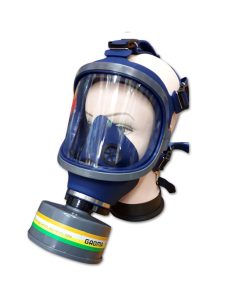
Chemical respirators cost AED 25-45 per unit with activated carbon filters protecting against stronger chemical vapors in poorly ventilated areas.
2. Kitchen and Food Service PPE Requirements
Kitchen workers face burns, cuts, and slip hazards requiring immediate protection.
Heat and Burn Protection
Heat-resistant gloves cost AED 30-55 per pair and protect against hot equipment, cookware, and food surfaces. Essential for grill operations and oven work.
Burn-resistant aprons cost AED 45-75 each and protect torso from hot oil splashing and steam burns during cooking operations.
Cut Protection
Cut-resistant gloves cost AED 20-40 per pair and protect against knife cuts during food preparation and dishwashing operations.
Safety glasses protect eyes from splashing hot oils and cleaning chemical exposure during equipment washing.
Slip Prevention
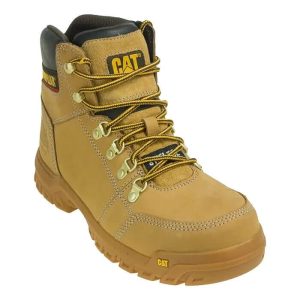
Non-slip safety shoes cost AED 150-250 per pair and prevent slips on wet kitchen floors and near dishwashing areas. Required for all kitchen staff.
3. Laundry Department PPE Requirements
Laundry operations involve chemical exposures and equipment hazards requiring specific protection.
Outdoor Event Staff
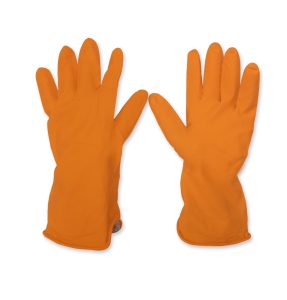
Chemical-resistant gloves cost AED 15-30 per pair and protect against laundry detergents, bleach, and fabric treatment chemicals.
Chemical-resistant aprons protect against splashing during chemical mixing and machine loading operations.
Safety glasses protect eyes during chemical handling and machine operation where splashing occurs.
Heat Protection
Heat-resistant gloves protect against hot equipment surfaces and heated linens during pressing operations.
4. Maintenance and Engineering PPE Requirements
Maintenance workers encounter electrical, mechanical, and chemical hazards requiring specialized protection.
Electrical Protection
Insulated gloves cost AED 80-150 per pair and protect against electrical shock during equipment repair and electrical work.
Arc-rated clothing costs AED 200-350 per set and protects against electrical arc flash during high-voltage equipment work.
General Protection
Safety glasses protect against debris and chemical splashes during repair work.
Cut-resistant gloves protect against sharp edges during equipment maintenance and repair.
Need help developing organized PPE programs for your UAE hotel operations? AAA Safe Dubai provides complete consultation ensuring regulatory compliance while addressing hospitality industry challenges across Dubai, Abu Dhabi, and Sharjah properties.
Table 1: Hotel Department PPE Requirements and Costs
| Department | Primary Hazards | Essential PPE | Cost Range (AED) | Replacement Schedule |
|---|---|---|---|---|
| Housekeeping | Chemicals, biologicals, sharps | Gloves, aprons, safety glasses | 75–130 per worker | Monthly for gloves |
| Kitchen | Burns, cuts, slips | Heat gloves, aprons, non-slip shoes | 195–380 per worker | Quarterly for gloves |
| Laundry | Chemicals, heat, equipment | Chemical gloves, aprons, glasses | 85–165 per worker | Monthly for gloves |
| Maintenance | Electrical, mechanical | Insulated gloves, arc clothing, glasses | 305–525 per worker | Annual inspection |
Developing Hotel PPE Policy Framework
Personal protective equipment PPE policy for hotels requires systematic approaches addressing hazard assessment, equipment selection, training, and compliance monitoring.
Policy Development Steps
Hazard assessment involves identifying specific risks in each hotel department, evaluating severity and frequency of exposures, determining existing controls, and documenting gaps requiring PPE.
PPE selection includes matching equipment to identified hazards, ensuring proper sizing for diverse workforces, verifying equipment meets safety standards, and establishing replacement schedules.
Training programs cover hazard recognition, proper equipment use, maintenance requirements, and compliance expectations for all hotel departments.
Written Policy Requirements
Policy statement establishes management commitment to worker protection and regulatory compliance across all hotel operations.
Responsibilities define employer obligations for provision and training, worker obligations for proper use and care, and supervisor responsibilities for enforcement and monitoring.
Procedures establish equipment selection processes, training requirements, inspection schedules, and replacement procedures for all hotel departments.
Heat Stress Management for UAE Hotel Workers
Personal protective equipment PPE policy for hotels in UAE must address heat stress challenges affecting all departments.
Heat-Related Risks
Hotel work in Dubai temperatures exceeding 45°C creates dangerous heat stress conditions. Workers wearing protective equipment face increased risk of heat exhaustion during intensive service periods.
Outdoor hotel areas including pools, gardens, and loading docks create extreme heat exposure requiring modified PPE approaches.
Heat Management Strategies
Work scheduling modifications include early morning emphasis (5 AM – 10 AM), extended midday breaks in air-conditioned areas, and evening work periods avoiding peak heat.
Cooling equipment includes portable fans (AED 200-500), cooling towels (AED 25-45), and hydration stations with electrolyte drinks throughout work areas.
Lightweight PPE alternatives designed for extreme heat include breathable chemical-resistant materials, ventilated safety glasses, and moisture-wicking protective clothing.
Training and Compliance Requirements
Effective personal protective equipment PPE policy for hotels requires organized training addressing department-specific hazards and equipment use.
Training Components
Hazard recognition training covers department-specific risks, chemical safety procedures, equipment operation safety, and emergency response protocols.
PPE use training includes proper donning and removal, equipment inspection procedures, maintenance requirements, and replacement identification.
Department-specific training for housekeeping chemical safety (AED 150-250 per worker), kitchen burn prevention (AED 200-300 per worker), and maintenance electrical safety (AED 300-500 per worker).
Documentation Requirements
Training records include attendance documentation, competency verification, trainer qualifications, and periodic refresher training.
Policy compliance documentation includes equipment provision records, inspection reports, incident investigations, and corrective action tracking.
Struggling to coordinate PPE requirements across multiple hotel departments?
AAA Safe Dubai offers complete program management ensuring consistent protection standards while managing complex hospitality operations across UAE locations.
Cost-Benefit Analysis for Hotel PPE Programs
Personal protective equipment PPE policy for hotels represents investment providing substantial returns through injury prevention and regulatory compliance.
Initial Investment Costs
Basic PPE program for 50-person hotel staff:
- Housekeeping equipment (15 workers): AED 1,125-1,950
- Kitchen equipment (20 workers): AED 3,900-7,600
- Laundry equipment (8 workers): AED 680-1,320
- Maintenance equipment (7 workers): AED 2,135-3,675
- Training and program setup: AED 5,000-8,000 Total initial investment: AED 12,840-22,545
Annual Operational Costs
Ongoing supplies and training:
- PPE replacement and maintenance: AED 8,000-15,000
- Annual training and certification: AED 3,000-5,000
- Program administration: AED 2,000-3,000 Total annual cost: AED 13,000-23,000
Value Generated
Injury prevention value: Average hotel injury costs AED 15,000-75,000 per incident. Proper PPE prevents 2-3 injuries annually worth AED 30,000-225,000.
Regulatory compliance value: Avoided violations and penalties (AED 3,000-15,000), maintained operating licenses, and prevented business interruption.
3-Year ROI: Investment of AED 52,840-91,545 generating value of AED 99,000-690,000 provides ROI of 87-654%.
Frequently Asked Questions
All hotel workers require basic protection appropriate to their departments. Housekeeping needs chemical-resistant gloves and aprons, kitchen staff need heat protection and non-slip shoes, maintenance workers need electrical protection, and all workers need safety training. Personal protective equipment PPE policy for hotels must address these department-specific requirements systematically.
UAE regulations require employers to provide necessary protective equipment at no cost to workers. Hotels must furnish appropriate PPE for all identified hazards and ensure workers receive proper training. Workers are responsible for using equipment correctly and reporting damage or concerns.
Temporary workers require the same protection as permanent staff performing identical tasks. Provide orientation, hazard training, and equipment before they begin work. Many injuries occur during initial employment periods when workers lack experience recognizing hotel-specific hazards.
Workers must receive training on hazard recognition, proper equipment use, maintenance procedures, and emergency protocols before independent work. Department-specific training addresses particular hazards and equipment. Training costs vary by complexity and department.
Provide alternative equipment for workers with latex allergies, chemical sensitivities, or other conditions affecting PPE use. Work with occupational health professionals to identify suitable alternatives. Document accommodations and ensure supervisors understand worker-specific needs.
Maintain hazard assessments, equipment provision records, training documentation, inspection reports, and incident investigations. Keep records organized and accessible for regulatory inspections. Proper documentation demonstrates compliance and reduces liability exposure.
Review policies annually and after any incidents, operational changes, or regulatory updates. Monitor effectiveness through injury data and worker feedback. Update policies based on lessons learned and changing operations.
UAE regulations typically require employers to provide necessary protective equipment. While workers may choose to use personal equipment meeting standards, hotels cannot require workers to purchase protection for employer-identified hazards.
Establish consistent requirements across all shifts, provide adequate equipment supplies for each shift, train all supervisors on enforcement, and maintain communication between shift managers. Inconsistent application creates confusion and compliance problems.
Replace damaged equipment immediately and investigate causes of frequent damage. Address comfort concerns by offering alternative equipment models or sizes. Never allow continued work with inadequate protection – provide replacement equipment before work continues.
Safety Disclaimer
This information provides general guidance on personal protective equipment PPE policy for hotels and should not be considered a substitute for professional safety consultation. Specific requirements vary based on hotel size, services offered, and local regulations.
UAE hotel operations must comply with Federal Decree Law No. 33 of 2021, emirate-specific requirements, and hospitality industry standards. Requirements change frequently, and hotels must verify current obligations with relevant authorities.
Personal protective equipment PPE policy for hotels must be designed by qualified safety professionals familiar with hospitality operations, UAE regulatory environment, and industry best practices. Improper policy development can result in inadequate worker protection and regulatory violations.
Equipment specifications, training requirements, and regulatory standards change frequently. Information reflects general UAE hospitality market conditions and should be verified with current suppliers and authorities.
For professional consultation on hotel PPE programs tailored to specific UAE operations, contact qualified safety providers with demonstrated experience in hospitality environments and UAE regulatory compliance.
Conclusion
Personal protective equipment PPE policy for hotels represents your commitment to protecting workers who create the guest experiences that define hospitality excellence. The reality is that hotel work creates diverse hazards affecting multiple departments simultaneously, yet many properties operate without systematic protection approaches.
The hotels succeeding in UAE’s competitive hospitality market aren’t the ones cutting corners on worker safety. They’re the ones understanding that protected workers provide better service, safe operations reduce costs, and reputation for caring attracts quality employees and discerning guests.
I’ve learned that the best hotel operations treat PPE policies as fundamental to service excellence, not just regulatory compliance. When management invests in proper protection and creates organized safety programs, workers feel valued, service quality improves, and operational efficiency increases.
The financial return on investment is compelling and measurable. Yes, proper PPE requires initial investment and ongoing operational costs. Yes, training and compliance monitoring require management attention. But a single prevented injury easily justifies program investment many times over. Personal protective equipment PPE policy for hotels consistently provides returns exceeding 200% annually through injury prevention and operational improvements.
More fundamentally, this is about honoring the trust workers place in hotel management. Hotel staff work in demanding environments under time pressure while maintaining service standards. They trust you to provide the protection they need to work safely and return home healthy each day.
Your hotel’s success depends on dedicated workers who take pride in creating exceptional guest experiences. Give them systematic protection against real workplace hazards. Make informed policy decisions based on actual hazard assessment. Invest in programs that demonstrate genuine commitment to worker welfare.
Your workers, your safety record, and your reputation will all benefit from this commitment to excellence.