
You know that moment when a housekeeping supervisor realizes their team is cleaning hotel rooms without proper safety equipment that protects them from chemical exposure and biohazards? That’s when understanding essential hygiene and sanitation safety tools becomes more than just an inventory list – it becomes the critical difference between worker protection and preventable injuries.
I’ve worked with hotel operations across the UAE for years, and honestly, the properties that treat housekeeping safety as an afterthought are the ones dealing with worker injuries, chemical exposure incidents, and regulatory violations. Professional housekeeping safety equipment isn’t about having tools for show – it’s about protecting staff from the actual hazards they face while maintaining hotel hygiene standards.
Look, housekeeping work involves constant exposure to cleaning chemicals, biological contaminants, and physical hazards. One exposure incident, one chemical burn, one slip on a wet floor – any of these can result in serious worker injury and substantial liability. Effective housekeeping safety programs require understanding that proper protective equipment is essential for worker health.
This guide walks you through seven essential safety tool categories that hotel housekeeping teams need, specifically designed for UAE hospitality environments where extreme heat, chemical hazards, and demanding workloads create unique worker protection challenges.
Understanding UAE Hotel Housekeeping Safety Regulations
Professional housekeeping safety starts with understanding the regulatory framework that governs worker protection in UAE hospitality operations.
UAE Worker Safety Requirements
The UAE Federal Decree Law No. 33 of 2021 requires employers to provide appropriate protective equipment based on workplace hazards. Hotel housekeeping environments qualify as hazardous due to chemical exposure, biological contaminants, and physical hazards inherent in cleaning operations.
Occupational health and safety standards for housekeepers establish requirements for adequate PPE provision, staff training on safety procedures, and safe working conditions. Employers must ensure safety equipment is accessible, well-maintained, and properly labeled per international labor standards.
The DHCR HSE Food Safety Policy specifies safety requirements for hospitality cleaning operations including proper chemical handling, personal protective equipment use, and systematic cleaning procedures that protect workers while maintaining hygiene standards.
Dubai Municipality and emirate health authorities establish specific safety standards requiring documented safety training, proper protective equipment provision, and compliance with workplace safety requirements.
Need expert guidance on UAE housekeeping safety compliance? AAA Safe Dubai specializes in helping hospitality operations across Dubai, Abu Dhabi, and Sharjah implement comprehensive worker protection programs that meet regulatory requirements while maintaining operational efficiency.
The 7 Essential Hygiene and Sanitation Safety Tools
Professional hotel housekeeping safety requires seven critical tool categories protecting workers from chemical, biological, and physical hazards.
1. Chemical-Resistant Personal Protective Equipment (PPE)
Chemical-resistant PPE protects housekeeping staff from exposure to cleaning chemicals and disinfectants used in daily operations.
Essential Chemical Protection Equipment
Chemical-resistant gloves provide critical protection from harsh disinfectants and cleaning solutions per occupational safety standards. Proper gloves must resist puncture from equipment contact, allow adequate dexterity for detailed cleaning tasks, maintain grip when wet, provide long-term durability, and be replaced immediately when damaged or contaminated.
Protective aprons and coveralls prevent chemical contamination of personal clothing and skin. Protective wear must feature waterproof materials, provide adequate coverage from neck to below knees, enable rapid removal if contamination occurs, resist tearing during routine use, and be laundered separately from personal clothing.
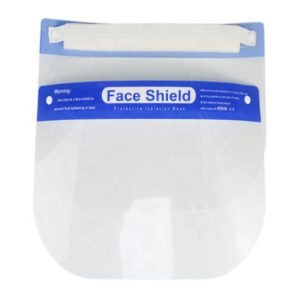
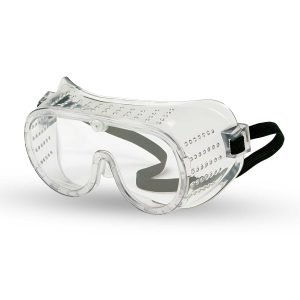
Eye protection and face shields protect against chemical splashes during mixing and application. Safety goggles must provide full-eye coverage including sides, maintain visibility without distortion, resist chemical degradation, allow comfortable extended wear, and meet impact resistance standards.
Respiratory protection protects against chemical vapors and airborne contaminants. Appropriate masks must fit properly around facial contours, allow comfortable breathing during physical work, maintain seal throughout shifts, filter chemical vapors and particulates, and be stored properly between uses.
2. Slip-Resistant Safety Footwear
Slip-resistant footwear prevents falls on wet surfaces that represent the most common housekeeping injury category.
Safety Footwear Requirements
Non-slip safety shoes protect against slips, trips, and falls on wet hotel surfaces per UAE workplace safety requirements. Proper housekeeping footwear must feature non-skid soles tested for wet surface traction, provide adequate arch support for extended standing and walking, include closed-toe design protecting feet from dropped objects, resist water saturation maintaining protection, and enable quick cleaning between shifts.
Steel-toe or composite-toe options provide additional protection in areas where heavy equipment or objects create foot injury risks including laundry operations, equipment storage areas, and housekeeping supply rooms.
3. Proper Chemical Handling and Dispensing Safety Equipment
Safe chemical handling equipment prevents exposure incidents during mixing, application, and storage operations.
Chemical Safety Equipment
Proportioned chemical dispensers prevent exposure to concentrated chemicals during dilution. Safety dispensers enable consistent product dilution without direct chemical contact, reduce chemical waste preventing overexposure, provide visual confirmation of appropriate concentration, include automatic shutoff preventing spills, and mount securely preventing accidental tipping.
Safety data sheet (SDS) access systems ensure immediate access to critical safety information per UAE Federal Decree Law requirements. Proper SDS systems include accessible sheets for all cleaning chemicals, translation into languages common in UAE hospitality (English, Arabic, Hindi, Tagalog), chemical hazard pictograms enabling rapid recognition, emergency contact information prominently displayed, and first aid procedures for common exposures.
Emergency eyewash stations provide immediate decontamination for chemical eye exposure. Stations must deliver continuous flushing water at appropriate temperature, be located within 10 seconds of chemical use areas, remain accessible without obstruction, include clear signage visible from all angles, and receive weekly testing documentation.
Chemical spill kits contain materials for safe cleanup of chemical spills. Proper kits include absorbent materials for liquid containment, neutralizing agents for specific chemicals used, disposal bags meeting hazardous waste requirements, protective equipment for cleanup personnel, and clear instructions in multiple languages.
4. Ergonomic Material Handling and Lifting Equipment
Ergonomic equipment prevents musculoskeletal injuries from repetitive motions, awkward postures, and heavy lifting.
Ergonomic Safety Tools
Height-adjustable cleaning carts reduce back strain from bending and reaching. Proper carts feature adjustable shelf heights accommodating different worker heights, smooth-rolling wheels reducing pushing force, proper weight distribution preventing tipping, adequate capacity reducing multiple trips, and secure storage preventing items falling.
Lightweight vacuum systems reduce shoulder and back strain during extended use. Ergonomic vacuums include backpack designs distributing weight evenly, lightweight construction reducing fatigue, adjustable straps fitting various body sizes, balanced design preventing strain, and noise reduction protecting hearing.
Telescoping cleaning tools eliminate overhead reaching and bending. Adjustable tools include dusting wands extending to ceiling heights, squeegees with length adjustment, mops with ergonomic handles, window cleaning equipment, and fixture cleaning tools reaching without ladders.
Mechanical lifting aids for laundry and heavy items prevent back injuries. Equipment includes rolling carts for mattress flipping, mechanical lifters for heavy furniture, teamwork protocols for loads exceeding safe limits, and proper training on lifting techniques.
5. Biological Hazard Protection Equipment
Biological hazard protection prevents exposure to bloodborne pathogens, bodily fluids, and contaminated materials.
Biohazard Safety Equipment
Disposable gloves for biohazard handling provide barrier protection during cleanup of biological materials. Proper gloves meet bloodborne pathogen protection standards, provide adequate thickness preventing puncture, allow sufficient dexterity for task completion, are disposed of immediately after contamination, and never reused between tasks.
Biohazard waste containers ensure safe disposal of contaminated materials. Proper containers include leak-proof construction, secure lids preventing spillage, clear biohazard labeling, appropriate size for volume generated, and regular scheduled removal.
Disinfectant solutions for biohazard cleanup eliminate pathogens on contaminated surfaces. Solutions must meet pathogen elimination standards, include proper contact time specifications, be compatible with surfaces being treated, not create additional hazards, and be applied by trained personnel only.
Sharps containers for safe disposal of needles or broken glass protect against puncture injuries. Containers must be rigid and puncture-proof, clearly labeled for sharps only, filled only to designated line, sealed when full, and disposed through approved channels.
6. Heat Stress Prevention Safety Equipment
Heat stress prevention equipment protects workers in UAE’s extreme temperatures while wearing PPE and performing physical labor.
Heat Safety Equipment
Cooling vests and accessories reduce core body temperature during extended work periods. Cooling equipment includes gel pack vests worn under uniforms, cooling towels activated with water, neck cooling devices, and portable fans for rest areas.
Hydration systems and electrolyte supplies prevent dehydration and heat illness. Proper hydration includes readily accessible drinking water throughout facilities, electrolyte replacement drinks for extended shifts, insulated bottles maintaining temperature, and mandatory hydration breaks during peak heat.
Temperature monitoring equipment tracks environmental conditions requiring work modifications. Monitoring includes heat stress meters measuring wet bulb globe temperature, area thermometers for workspace assessment, humidity gauges for combined heat assessment, and documentation systems for compliance.
Shaded rest areas provide cooling during mandatory breaks per UAE labor regulations. Rest areas must include air conditioning or adequate ventilation, seating for all workers on break, access to cold water, and location near work areas.
7. Emergency Safety and First Aid Equipment
Emergency equipment provides immediate response capability for workplace injuries and exposures.
Emergency Response Equipment
Comprehensive first aid kits address common housekeeping injuries. Kits must include supplies for cuts and abrasions, chemical burn treatment materials, eye irrigation supplies, bandages and dressings in multiple sizes, antiseptic solutions, emergency contact information, and incident reporting forms.
Emergency communication devices enable rapid response to injuries. Communication includes two-way radios or phones for all supervisors, emergency call buttons in high-risk areas, clear procedures for emergency activation, backup communication methods, and regular testing protocols.
Personal alarm devices for lone worker safety enable calling for help. Devices include panic buttons worn by staff, man-down detection features, GPS location capability, and central monitoring systems.
Emergency evacuation equipment protects workers during facility emergencies. Equipment includes clearly marked exit routes, emergency lighting systems, assembly point designation, evacuation drills documentation, and disability accommodation plans.
Ready to implement comprehensive housekeeping safety programs for your UAE hotel? AAA Safe Dubai provides complete worker protection solutions including equipment selection, staff training, and ongoing support that meet UAE Federal Decree Law requirements across Dubai, Abu Dhabi, and Sharjah.
Essential Housekeeping Safety Tools Overview
| Safety Tool Category | Primary Hazard Protected | Regulatory Requirement | Critical Safety Feature |
|---|---|---|---|
| 1. Chemical-Resistant PPE | Chemical exposure | UAE Federal Law No. 33 of 2021 | Complete barrier protection |
| 2. Safety Footwear | Slips, trips, falls | Workplace safety standards | Wet surface traction |
| 3. Chemical Handling Equipment | Exposure during mixing | IUF occupational standards | Prevents direct contact |
| 4. Ergonomic Equipment | Musculoskeletal injury | Workplace safety standards | Reduces physical strain |
| 5. Biohazard Protection | Bloodborne pathogens | Infection control standards | Barrier and disposal |
| 6. Heat Stress Prevention | Heat illness | UAE labor regulations | Temperature management |
| 7. Emergency Equipment | Injury response | Workplace safety requirements | Immediate assistance |
Requirements based on UAE Federal Decree Law No. 33 of 2021 and international occupational health standards
Heat Stress Safety Management for UAE Housekeeping
Housekeeping safety programs must address extreme UAE temperatures affecting workers wearing PPE while performing physically demanding tasks.
Heat-Related Safety Hazards
UAE temperatures exceeding 50°C during summer months create serious safety hazards for housekeeping workers including heat exhaustion from extended physical work in PPE, heat stroke requiring immediate medical intervention, dehydration affecting cognitive function and safety awareness, fatigue increasing injury risk, and reduced attention to safety procedures.
Heat Safety Management Requirements
UAE Federal Decree Law No. 33 of 2021 requires employers to protect workers from heat stress hazards through work scheduling modifications, mandatory rest breaks, cooling areas access, hydration programs, and heat illness training.
Heat safety protocols include rotating staff through physically demanding tasks, scheduling intensive cleaning during cooler hours when possible, providing mandatory cooling breaks every 60-90 minutes, ensuring readily accessible cold water throughout shifts, training supervisors on heat illness recognition, and monitoring workers for heat stress symptoms.
Housekeeping Safety Investment Planning
Professional housekeeping safety equipment represents mandatory investment in worker protection per UAE regulatory requirements.
Safety Equipment Investment Considerations
Hotels must evaluate safety equipment programs based on UAE Federal Decree Law obligations, international occupational health standards, worker injury prevention priorities, and regulatory compliance requirements.
Investment planning should address equipment procurement meeting safety standards, staff training on proper equipment use, regular maintenance and replacement schedules, documentation systems for compliance verification, and incident response and investigation procedures.
Regulatory Compliance Value
Safety compliance benefits include meeting UAE Federal Decree Law requirements, complying with international labor standards, preventing workplace injuries and associated costs, maintaining operational licenses and certifications, protecting institutional reputation, and demonstrating worker welfare commitment.
Hotels must prioritize safety equipment investments as fundamental operational requirements. UAE regulatory frameworks establish clear employer obligations for worker protection that hospitality operations must meet.
Need comprehensive housekeeping safety solutions for your UAE hotel? AAA Safe Dubai provides complete worker protection programs including equipment, training, and compliance support that meet UAE Federal Decree Law requirements across Dubai, Abu Dhabi, and Sharjah.
Frequently Asked Questions
The seven essential safety tool categories are chemical-resistant PPE, slip-resistant safety footwear, chemical handling safety equipment, ergonomic material handling tools, biological hazard protection equipment, heat stress prevention tools, and emergency safety and first aid equipment. All categories protect housekeeping workers from workplace hazards.
UAE Federal Decree Law No. 33 of 2021 requires employers to provide appropriate protective equipment based on workplace hazards. International occupational standards specify chemical-resistant gloves, eye protection, respiratory protection, protective clothing, and slip-resistant footwear for housekeeping staff.
Chemical safety equipment includes proportioned dispensers preventing concentrated chemical exposure, safety data sheets accessible in multiple languages, emergency eyewash stations near chemical use areas, chemical spill kits for cleanup, and comprehensive PPE including gloves, goggles, and respiratory protection per UAE workplace safety requirements.
UAE Federal Decree Law No. 33 of 2021 requires heat stress protection including work scheduling modifications, mandatory rest breaks, cooling equipment, hydration programs, temperature monitoring, and heat illness training for supervisors and staff.
Biohazard protection includes disposable gloves meeting bloodborne pathogen standards, biohazard waste containers with secure lids and proper labeling, appropriate disinfectants for contaminated surfaces, sharps containers for safe disposal, and staff training on biohazard handling per infection control standards.
Ergonomic equipment includes height-adjustable cleaning carts reducing back strain, lightweight vacuum systems with backpack designs, telescoping cleaning tools eliminating overhead reaching, mechanical lifting aids for heavy items, and proper training on ergonomic work techniques per occupational health standards.
Emergency equipment includes comprehensive first aid kits for common injuries, emergency communication devices enabling rapid response, personal alarm devices for lone workers, emergency evacuation equipment with clear exit routes, and documented emergency response procedures per workplace safety requirements.
UAE Federal Decree Law requires employers to provide training on proper safety equipment use including PPE selection and use, chemical handling procedures, emergency response protocols, heat stress recognition and prevention, ergonomic work techniques, and biohazard cleanup procedures with documented competency verification.
Important Notice
This information provides general guidance on hotel housekeeping safety equipment and should not be considered a substitute for professional safety consultation. Specific requirements vary based on facility operations, worker populations, and applicable regulations.
UAE hospitality facilities must comply with UAE Federal Decree Law No. 33 of 2021, emirate-specific safety requirements, and international occupational health standards. Requirements change through regulatory updates, and facilities must verify current obligations with relevant authorities.
Housekeeping safety programs must be designed by qualified occupational health and safety professionals familiar with UAE regulatory environment and international best practices. Facilities should engage professional safety consultants and external auditors to supplement internal programs.
Regulatory Verification Required: Hotels must verify current worker protection requirements directly with UAE Ministry of Human Resources and Emiratisation, emirate labor authorities, and applicable regulatory bodies. Standards undergo periodic updates requiring ongoing verification.
No Cost Information Provided: This guide does not include cost estimates as safety equipment pricing varies significantly based on supplier selection, quantity purchases, and specific product specifications. Hotels should obtain detailed pricing through direct supplier engagement and professional consultation.
Professional Consultation Recommended: Hotels should engage qualified safety consultants, occupational health specialists, and hospitality safety professionals to develop programs specifically tailored to operational requirements while meeting all applicable UAE worker protection obligations.
For professional consultation on housekeeping safety equipment programs designed specifically for UAE regulatory requirements, contact qualified providers with demonstrated experience in hospitality worker protection and regulatory compliance.
Conclusion
Professional housekeeping safety equipment represents mandatory investment in worker protection per UAE Federal Decree Law No. 33 of 2021. UAE hospitality operations must provide appropriate protective equipment addressing chemical exposure, biological hazards, physical hazards, heat stress, and emergency response capabilities.
The foundation of effective housekeeping safety is understanding that regulatory requirements exist to protect workers from preventable injuries while enabling hotels to operate with compliance assurance. UAE Federal Decree Law and international occupational standards establish comprehensive frameworks that hotels must implement systematically.
Successful safety programs require proper protective equipment meeting regulatory standards, staff training consistent with safety requirements, regular maintenance ensuring ongoing protection, and genuine leadership commitment to worker welfare. These components work together creating systematic worker protection.
I’ve learned that hotels achieving consistent worker safety don’t treat protective equipment as discretionary expenses. They recognize that UAE Federal Decree Law establishes mandatory employer obligations for worker protection that must be fulfilled regardless of operational pressures.
Meeting UAE housekeeping safety standards demonstrates institutional commitment to regulatory compliance, worker welfare, and professional operations. Hotels implementing comprehensive safety equipment programs consistent with established requirements fulfill mandatory obligations while preventing workplace injuries.
Housekeeping workers deserve systematic protection from chemical, biological, and physical hazards they face daily. Hotels deserve operational continuity without worker injury disruptions. Professional housekeeping safety equipment delivers on both obligations through consistent implementation of UAE regulatory requirements.
Implement systematic worker protection programs meeting all applicable UAE Federal Decree Law requirements. Your workers’ health, your regulatory compliance, and your operational continuity depend on it.