
You know that moment when a pilot realizes mid-flight that they’ve never actually given serious thought to what happens if they end up on the ground in the middle of nowhere? That’s when understanding pilot survival kit essentials becomes more than just a regulatory checkbox – it becomes the single most important investment a pilot can make for their survival.
I’ve worked with aviation operations across the UAE for years, and honestly, the pilots who treat survival kit selection like a bureaucratic requirement are taking their lives for granted. Proper emergency gear for aircraft isn’t about feeling prepared or looking professional – it’s about having the actual tools that will keep you alive when all you have is time, desperation, and whatever equipment you thought to bring.
Look, aviation is fundamentally different from other risky activities. When things go wrong on the ground, you can call for help. When you’re down in the desert or floating in the Arabian Gulf waiting for rescue, your onboard pilot safety kit is literally everything between you and death. Effective survival preparation starts with understanding that every item serves a critical, non-negotiable survival function.
This guide walks you through the eight essential components of effective pilot survival kits tailored to UAE aviation conditions where extreme heat, vast desert distances, and maritime hazards create unique survival challenges.
Understanding UAE Aviation Survival Requirements
Professional aviation safety starts with understanding the regulatory framework and environmental factors that determine what actually matters when you need to survive.
UAE Aviation Regulatory Framework
The UAE Federal Law Issuing the Civil Aviation Act establishes comprehensive requirements for aircraft equipment and emergency preparedness. Article 31 requires aircraft to be equipped with systems and equipment necessary for flight and navigation in both normal and emergency circumstances.
The General Civil Aviation Authority (GCAA) Civil Aviation Regulations (CARs) establish detailed requirements for aircraft safety equipment and crew preparation procedures.
FAA Regulations under 14 CFR 91.509 govern survival equipment for overwater operations, requiring life preservers for flights over 50 nautical miles from shore, and expanded equipment including life rafts and signaling devices for flights over 100 nautical miles or 30 minutes from shore.
UAE Environmental Challenges
UAE aviation operations face unique survival challenges including extreme heat exceeding 50°C, vast desert distances with limited landmarks, maritime hazards over the Arabian Gulf, and sparse settlements in remote areas. Emergency gear for aircraft must address these specific environmental factors.
Need expert guidance on UAE aviation safety compliance? AAA Safe Dubai specializes in helping aviation operations across Dubai, Abu Dhabi, and Sharjah implement comprehensive survival equipment programs that meet GCAA and international standards while addressing regional survival challenges.
The 8 Essential Items for Pilot Survival Kits
Professional aviation emergency gear encompasses eight critical components that work together to address the major survival threats pilots face.
1. Emergency Locator Transmitter (ELT) or Personal Locator Beacon (PLB)
An Emergency Locator Transmitter represents the single most important item in any onboard pilot safety kit because it directly alerts search and rescue services to your location within minutes.
ELT vs. PLB Specifications
Aircraft Emergency Locator Transmitters (ELT) are permanently installed in aircraft and transmit emergency signals on 121.5 MHz and 406 MHz frequencies. These units cost AED 8,500-15,000 for aircraft installation and are legally required for most aircraft operations.
Personal Locator Beacons (PLB) are portable backup devices costing AED 2,500-4,800 per unit. Quality PLB units include built-in GPS with dual satellite system compatibility, 406 MHz distress transmission to search and rescue, 5-year battery life, waterproof floating design, and multi-function mounting clips.
Why This Matters
Research shows that downed aircraft are located within 1-2 hours when equipped with functioning ELTs, but search times extend 24-48 hours or longer without them. PLB activation dramatically reduces rescue time to within minutes in many cases.
2. Water Purification and Hydration Supplies
The Rule of 3s – three weeks without food, three days without water, three hours without shelter in extreme temperatures – makes water the second critical survival item.
Hydration Components
Water rations (AED 25-50 per unit) provide emergency drinking water for immediate survival needs. Pilots should carry at least 2-4 liters in UAE conditions where dehydration threatens within hours.
Water purification tablets (AED 15-35 per bottle of 50) allow pilots to safely use natural water sources if emergency water supplies are exhausted. Iodine tablets work rapidly and require no equipment.
Collapsible water containers (AED 20-40) allow pilots to collect and store water from precipitation or discovered sources without adding significant weight to survival kits.
Hydration strategy for UAE pilots
- Carry minimum 2 liters of fresh water immediately accessible
- Include purification tablets for extended survival scenarios
- Pack high-electrolyte sports drinks (AED 8-15 per unit) to combat heat stress
- Consider water filters (AED 35-75) for extended desert survival scenarios
3. Fire Starting Equipment (Multi-method)
Fire provides warmth, signaling capability, psychological comfort, and the ability to create fresh water through boiling. Emergency gear for aircraft includes multiple fire-starting methods because redundancy is critical.
Fire-Starting Components
Waterproof matches (AED 8-15 per box of 100) provide reliable fire starting capability. Redundancy is essential – carry multiple boxes since matches can fail when wet or deteriorate over time.
Ferro rod and fire starter (AED 12-25 per unit) works when matches fail, functioning even when wet. Quality ferro rods produce sparks in temperatures below freezing and maintain performance indefinitely without degradation.
Disposable lighters (AED 3-8 per unit) provide backup fire capability. Carry at least two lighters since individual units can fail. Even spent lighters sometimes retain sufficient fluid for final use.
Tinder materials (AED 5-15 per pack) including cotton balls with petroleum jelly, char cloth, dryer lint, and alcohol wipes that double as fire starters.
Fire starting redundancy approach
- Primary method: Ferro rod plus tinder
- Secondary: Waterproof matches in waterproof container
- Tertiary: Two disposable lighters in separate locations
- Backup: Alcohol wipes and char cloth
4. First Aid and Medical Supplies
Injuries from crash landings and emergency situations require immediate medical attention when professional help may be hours or days away.
Comprehensive First Aid Kit Components
Trauma supplies (total kit cost AED 200-400) including sterile gauze pads (multiple sizes), elastic bandages for sprains and immobilization, antiseptic wipes and ointment, wound closure strips (medical tape alternatives), tourniquets for arterial bleeding control, and antibiotic ointment preventing infection.
Medication supplies including pain relievers (AED 5-15 per pack), antihistamine for allergic reactions (AED 8-12), anti-diarrheal medication (AED 6-10), and antacid tablets (AED 4-8).
Specific trauma items
- Combat Application Tourniquet (CAT) (AED 45-85) for emergency bleeding control
- Hemostatic gauze (AED 25-40) for rapid blood clotting
- Emergency bandages (AED 30-50 each) for serious wounds
Documentation components
- Medical information cards including blood type and allergies
- Emergency contact information
- Medication list and dosages
- Instructions for common medical emergencies
5. Signaling Devices (Visual and Audio)
Signaling devices help rescuers locate you and demonstrate your status to approaching aircraft or rescue teams.
Signaling Equipment
Signal mirror (AED 15-35) reflects sunlight visible from 50+ miles away in clear conditions. This is possibly the most effective daylight signaling device ever created. Quality mirrors include highly reflective polished surface, sighting hole for aiming, weatherproof construction, and virtually unlimited shelf life.
High-intensity flashlight (AED 80-150) with LED technology lasting 50+ hours per battery, extra batteries (AED 20-35 per set), signal capabilities (strobe function for signaling), and compact size for kit portability.
Emergency whistle (AED 8-15) produces sound audible for miles and doesn’t require fuel or batteries. Quality whistles produce sound at 120+ decibels, work when wet, remain compact and lightweight, and are virtually indestructible.
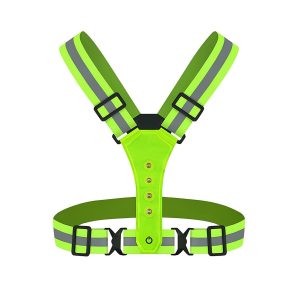
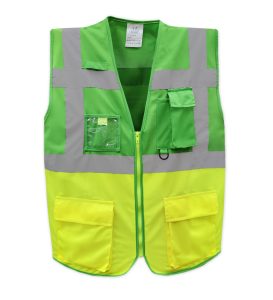
Strobes and light signals (AED 50-100) including emergency strobe lights attracting aircraft attention, chemical light sticks (AED 2-4 each) lasting 6-12 hours, and high-visibility coloring aiding ground location.
6. Emergency Shelter and Insulation
Even in extreme heat, nighttime temperatures in the desert drop significantly, and protection from sun exposure is critical for preventing heat illness.
Shelter Components
Emergency blanket and bivvy sack (AED 15-30) provides reflective surface retaining body heat, protection from wind and precipitation, compact storage (pack of 5-10), and minimal weight addition to survival kits.
Emergency shelter kit (AED 40-75) including lightweight emergency tarp or poncho, paracord for securing shelter, emergency tent or bivy sack, space blanket technology, and weatherproof carrying bag.
Sunscreen and protective equipment (AED 15-40) including high-SPF sunscreen (AED 20-35) preventing heat-related illness, emergency hat or headwear, and UV-protective clothing in survival kit.
Heat stress management
- Emergency cooling towels (AED 20-30)
- Lightweight reflective emergency shelter
- Shelter positioned away from direct sun exposure
7. Food Rations and Energy Sources
While humans can survive weeks without food, energy is critical for performing survival tasks and maintaining mental clarity during rescue wait periods.
Emergency Food Components
High-calorie ration bars (AED 8-15 per bar) provide 400-600 calories per bar for extended survival, long shelf life (3-10 years depending on type), no cooking requirement, and compact, lightweight storage.
Trail mix and nuts (AED 15-30 per pack) offer high protein and fat content, long shelf life in waterproof containers, easy portioning for rationing over extended periods, and variety maintaining psychological morale.
Protein supplements (AED 20-40) including vacuum-sealed meal packets, electrolyte supplementation for heat stress, and caloric density (500+ calories per serving).
Fishing kit (AED 25-45) including small fishing hooks and line, net or trap components, and bait attractant.
Rationing strategy
- Calculate minimal daily calories needed for survival
- Limit consumption to extend supplies
- Prioritize high-calorie items
- Reserve emergency food for genuine survival situations
8. Tools and Equipment for Self-Rescue
Tools enable pilots to perform emergency repairs, create shelter, signal effectively, and address survival needs.
Multi-Tool Components
Quality multi-tool (AED 45-85) including sharp blade for cutting and survival tasks, pliers for equipment manipulation, screwdrivers for panel access, saw blade for wood cutting, can opener for emergency supplies, and wire cutters.
Crash axe or hatchet (AED 30-60) enables shelter construction, creates kindling for fire, functions as defensive tool if needed, and offers compact, lightweight design.
Knife (AED 25-50) large enough for serious cutting tasks, quality stainless steel resisting corrosion, secure sheath preventing loss, and non-serrated blade for general utility.
Rope and cordage (AED 10-25) including paracord (4-strand minimum), 20-30 meters for shelter construction, rescue rigging capability, and multiple uses (signaling, securing shelter, bundle carrying).
Navigation tools
- Compass (AED 15-35) functioning without batteries
- GPS backup device (AED 150-300) with spare batteries
- Map case protecting aeronautical charts
- Backup pencil for mark-making
Looking to implement comprehensive aviation safety programs for your UAE operation? AAA Safe Dubai provides complete onboard pilot safety kit solutions that meet GCAA and international standards while addressing extreme heat and desert survival challenges across Dubai, Abu Dhabi, and Sharjah.
Essential Items with Costs and Functions
| Essential Item | Item Components | Total Cost (AED) | Primary Function | Backup Function | Storage Location |
|---|---|---|---|---|---|
| 1. ELT and PLB | Electronic beacon with GPS | 2,500–4,800 | Distress signaling | Location marking | Readily accessible |
| 2. Water | Rations, purification, container | 70–150 | Hydration | Fire creation | Cockpit accessible |
| 3. Fire Starters | Ferro rod, matches, lighters, tinder | 40–80 | Fire creation | Signaling | Waterproof container |
| 4. First Aid | Trauma kit, medication, supplies | 200–400 | Medical treatment | Wound management | Mounted kit |
| 5. Signaling | Mirror, whistle, light, strobe | 150–330 | Rescue location | Communication | Chest harness mounting |
| 6. Shelter | Blanket, tarp, tent, sunscreen | 60–145 | Temperature control | Weather protection | Accessible pouch |
| 7. Food | Ration bars, nuts, supplements | 75–180 | Energy maintenance | Morale support | Flight bag |
| 8. Tools | Multi-tool, knife, rope, compass | 125–270 | Equipment repair | Shelter creation | Leg holster mounting |
Total Cost Range: AED 720-1,755 (basic-to-comprehensive). Pricing represents general UAE market estimates and should be verified with suppliers.
Kit Organization and Accessibility
Effective emergency gear for aircraft includes how items are organized for rapid access during emergencies.
Kit Packaging and Mounting
Hard-sided survival kit container (AED 40-80) provides protection for contents during crash, floating capability if water landing, waterproof gasket sealing, and bright visibility color (orange or yellow).
Modular kit organization
- Organize items by function (signaling, fire, water)
- Place most-used items at kit top
- Use waterproof pouches separating components
- Label all items clearly
Personal Equipment Mounting
Chest harness and rig (AED 35-75) carries essential items including PLB mounted for immediate activation, whistle and light, multi-tool on leg holster, and water bottle in shoulder rig.
Flight bag kit stowage (AED 25-50) maintains emergency supplies accessible within reach, secures items preventing cockpit distraction, and allows rapid equipment grab during evacuation.
Weight and balance considerations
- Complete survival kit adds 2-3 kg to aircraft weight
- Professional pilots factor equipment into weight and balance calculations
- Distribution throughout aircraft improves balance characteristics
Heat Stress Management in UAE Survival Scenarios
Aviation emergency gear must account for UAE’s extreme heat environment where temperatures exceed 50°C.
Survival Prioritization in Extreme Heat
In UAE conditions, the traditional “Rule of 3s” (3 hours without shelter, 3 days without water) becomes more critical. Pilots must prioritize immediate actions (minutes 0-30) including activating ELT and PLB for emergency signaling, creating shade and assessing injuries, consuming water immediately (not rationing in extreme heat), and preventing further heat loss through emergency shelter.
Short-term priorities (hours 1-6)
- Maintain body cooling through frequent water breaks
- Create effective shade structure from emergency blanket or tarp
- Monitor heat stress symptoms
- Signal rescue teams continuously
Extended priorities (hours 6+)
- Ration remaining water supplies
- Maintain shelter throughout daylight hours
- Create fire for nighttime warmth when temperature drops
- Preserve mental clarity through food and rest
Heat-Specific Survival Equipment
Cooling systems (AED 50-100) including emergency cooling towels (activate with water), space blanket with reflective cooling surface, and lightweight emergency poncho with reflective surface.
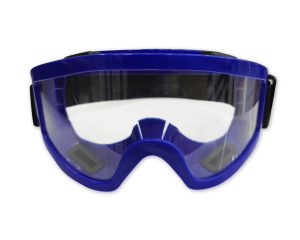
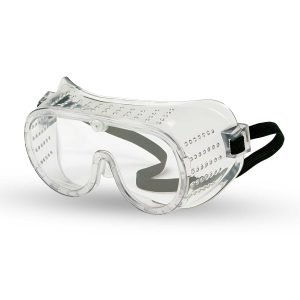
Sun protection (AED 30-80) including high-SPF sunscreen (AED 25-40), emergency hat or head covering, UV-protective emergency blanket, and face protection (goggles, cloth).
Investment Planning for Aviation Safety Kits
Professional pilot survival kit programs represent investment in life-saving capability.
Initial Investment Costs
Basic survival kit (AED 720-1,200) meets regulatory minimum requirements, covers most probable survival scenarios, and is suitable for general aviation pilots.
Comprehensive survival kit (AED 1,500-2,500) includes advanced signaling and navigation, extended supply rations, redundant systems for critical items, and specialized tools for aircraft types.
Annual maintenance costs
- Expired item replacement: AED 150-300
- Equipment inspection and repair: AED 100-200
- Battery replacement: AED 50-100 Total annual: AED 300-600
Life-Saving Value
Search and rescue operations demonstrate the critical importance of proper emergency equipment.
GCAA and FAA data shows:
- Average response time with functioning ELT or PLB: 1-2 hours
- Average response time without electronic beacon: 12-24+ hours
- Rescue costs increase significantly with extended search times
- Survival rates correlate directly with rapid rescue response
Equipment Investment Justification
The modest investment in comprehensive onboard pilot safety kits provides essential life-saving capability that cannot be quantified in monetary terms. GCAA regulations and UAE Federal Law require appropriate emergency equipment for aviation operations, emphasizing that proper preparation represents professional responsibility and regulatory compliance.
Ready to implement comprehensive aviation safety programs for your UAE operation? AAA Safe Dubai provides complete pilot survival kit solutions customized for specific flight routes and aircraft types, ensuring regulatory compliance while addressing regional environmental challenges across Dubai, Abu Dhabi, and Sharjah.
Frequently Asked Questions
The eight essential components are Emergency Locator Transmitter or Personal Locator Beacon, water and purification supplies, multi-method fire starters, first aid and medical supplies, signaling devices, emergency shelter and insulation, high-calorie food rations, and tools and equipment for self-rescue. Comprehensive pilot survival kits must address all these categories for effective emergency preparedness.
A basic survival kit costs AED 720-1,200, while comprehensive kits range from AED 1,500-2,500. Professional-grade kits with advanced equipment may exceed AED 3,000. Annual maintenance costs typically run AED 300-600 for item replacement and equipment inspection. These costs represent general UAE market estimates.
While aircraft-installed ELTs are legally required under GCAA regulations, personal locator beacons (AED 2,500-4,800) provide redundancy ensuring distress signals transmit even if aircraft systems fail or pilots must evacuate. Emergency gear for aircraft prioritizes PLBs as critical backup capability for overwater or remote terrain operations.
In extreme heat exceeding 50°C, water (AED 70-150), emergency shelter providing shade (AED 60-145), and cooling systems (AED 50-100) become most critical. Pilots must prioritize immediate heat management over typical survival priorities. Onboard pilot safety kits must account for UAE’s specific temperature extremes.
UAE Federal Law and GCAA regulations require emergency equipment for overwater and remote operations, though specific survival kit contents remain flexible. International standards through FAA and EASA typically guide kit assembly. Professional aviation safety programs should meet highest standards regardless of minimum regulatory requirements.
Survival kits require annual inspection (AED 100-200) with replacement of expired items, dead batteries, and degraded components. Monthly visual checks identify obvious damage. Water supplies should be replaced annually. Regular maintenance ensures equipment functions when emergencies occur.
Aircraft ELTs (AED 8,500-15,000 installed) are permanent installations transmitting on 121.5 and 406 MHz frequencies. Personal locator beacons (AED 2,500-4,800) are portable units with built-in GPS. PLBs provide redundancy if aircraft systems fail. Professional aviation emergency gear includes PLBs as essential backup despite aircraft ELT presence.
Commercial aviation kits (AED 800-1,500) provide good starting points and often meet regulatory requirements. Custom kits (AED 1,200-2,500) allow tailoring to specific flight routes, aircraft types, and pilot expertise levels. Effective onboard pilot safety kits should balance purchased convenience with customization for specific operations.
Important Notice
This information provides general guidance on pilot survival equipment and should not be considered a substitute for professional aviation safety consultation. Survival kit requirements vary based on aircraft type, flight routes, operating environment, and applicable regulations.
UAE aviation operations must comply with General Civil Aviation Authority regulations, Federal Law provisions, and applicable international standards. Requirements vary significantly for different aircraft classes and operations. Pilots must verify specific regulatory requirements with GCAA and applicable authorities.
Aviation emergency gear programs must be developed with consideration of individual flight operations, anticipated emergencies, and environmental factors. Professional consultation with aviation safety experts is essential for developing effective survival preparation programs.
Equipment Cost Disclaimer: All pricing information represents general UAE market estimates as of 2025 and should be verified with current suppliers. Equipment costs vary based on supplier, quantity, specifications, and import duties. Pilots should obtain current quotes for accurate budget planning.
Regulatory Compliance: Pilots and aviation operations must verify current requirements with General Civil Aviation Authority, Federal Aviation Administration, and other applicable regulatory bodies. Standards and requirements change regularly.
For professional consultation on pilot survival kit programs customized for specific UAE aviation operations, contact qualified aviation safety providers with demonstrated experience in survival preparation and UAE regulatory compliance.
Conclusion
Understanding pilot survival kit essentials represents the most important insurance policy any pilot can purchase because it directly determines survival probability when emergencies occur. The reality is that aviation emergencies are rare, but when they happen, having proper emergency gear for aircraft is the difference between rescue success and tragedy.
The beauty of proper survival kit preparation is that comprehensive coverage of the eight essential items is genuinely achievable. You don’t need expensive or exotic equipment. You need practical items that address the fundamental human survival needs – signaling for help, staying hydrated, maintaining warmth, treating injuries, creating fire, and having tools to solve problems.
Professional onboard pilot safety kit preparation isn’t really about being paranoid or pessimistic about aviation safety. It’s about professional competence and responsible preparation. Just as pilots file flight plans and perform pre-flight checks, maintaining comprehensive survival equipment represents baseline pilot professionalism and accountability.
I’ve learned that the pilots who take survival preparation seriously aren’t the ones with fatalistic attitudes about crashes. They’re the ones who understand that survival capability follows aviation safety like a backup parachute – hopefully never needed, but absolutely critical when circumstances demand it. This mature understanding of aviation risk drives proper emergency preparedness.
The modest investment in comprehensive survival kits and annual maintenance returns more value than pilots can calculate. Because when survival depends on what you thought to bring with you, having the right eight essential items becomes literally priceless. Make the commitment to proper survival kit preparation. Your life may depend on it.