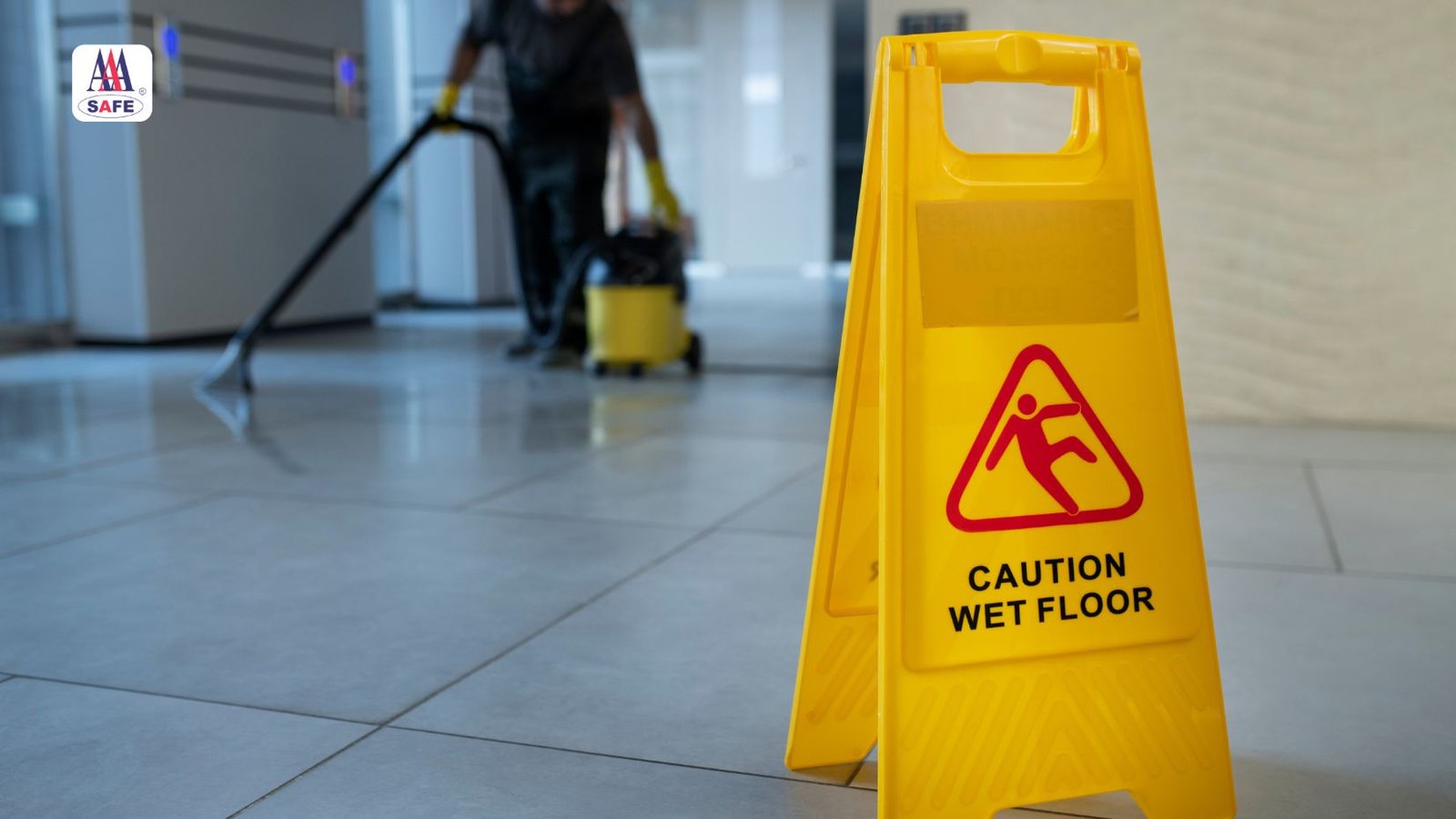
You know that moment when someone drops a vial of blood in the hallway, or when cleaning chemicals spill in the patient area? Your heart skips a beat because you realize how quickly things can go wrong. Understanding why hospital needs spill kits and absorbent materials isn’t just about following rules – it’s about protecting everyone who walks through your doors.
I’ve spent years working with healthcare facilities across the UAE, and honestly, the hospitals that think they can get by without proper spill response equipment are the ones that end up learning the hard way. The importance of having the right spill management systems becomes crystal clear when you’re dealing with infectious diseases, hazardous chemicals, and the safety of vulnerable patients.
Look, accidents happen. That’s just reality in healthcare. But what separates a professional medical facility from a liability nightmare is how prepared you are when those accidents occur. This guide breaks down the eight critical reasons hospitals need comprehensive spill response capability in UAE’s demanding healthcare environment.
Understanding UAE Healthcare Safety Requirements
Hospital spill response starts with understanding the regulatory framework that governs UAE healthcare facilities. The standards aren’t suggestions – they’re legal requirements that carry serious consequences when ignored.
UAE Ministry of Health and Prevention Requirements
The UAE Ministry of Health and Prevention (MoHAP) establishes comprehensive hospital regulations that include specific requirements for emergency response equipment and spill management capabilities.
Under Section 5.16 of the Hospital Regulation, emergency departments must maintain adequate supplies for managing hazardous spills, including biological and chemical incidents. This isn’t just about having first aid kits – it’s about comprehensive spill response capability.
Dubai Health Authority Standards
Dubai Health Authority (DHA) goes even further, requiring healthcare facilities to maintain spill response equipment appropriate for the specific hazards present in each clinical area. Hospital spill management becomes obvious when you realize DHA inspections specifically look for these systems.
Clinical laboratories, patient care areas, and pharmaceutical storage zones each require different spill response capabilities. The one-size-fits-all approach doesn’t work in healthcare environments where different areas face different contamination risks.
Federal Decree Law No. 33 of 2021
The UAE Federal Decree Law No. 33 of 2021 places clear obligations on employers to provide necessary protective equipment and maintain safe working environments. For hospitals, this specifically includes spill response equipment for healthcare workers who face biological and chemical hazards daily.
Article 13 requires employers to conduct periodic evaluations to ensure compliance with occupational health requirements. Spill response capability is a key component of these evaluations.
Reason 1: Regulatory Compliance and Legal Protection
Healthcare facilities need proper spill response systems to avoid regulatory violations that can shut down operations and cost hundreds of thousands of dirhams in fines.
International Standards Application
While UAE regulations take precedence, many international hospitals follow OSHA’s Hazardous Waste Operations and Emergency Response (HAZWOPER) standards as best practice. These standards require appropriate spill response equipment for facilities handling hazardous materials.
The Bloodborne Pathogens Standard (29 CFR 1910.1030) specifically requires spill cleanup procedures and appropriate equipment for managing blood and other potentially infectious materials.
UAE Regulatory Penalties
Non-compliance with UAE healthcare regulations can result in fines up to AED 50,000 per violation, temporary operating license suspension, and potential criminal liability for serious incidents. Proper spill management becomes a financial imperative when you consider these penalty structures.
Medical facilities that experience preventable contamination incidents face additional scrutiny from regulatory authorities, increased inspection frequency, and potential restrictions on patient admission capacity.
Documentation Requirements
UAE healthcare facilities must maintain detailed records of all spill incidents, response procedures, and equipment maintenance. Having proper spill response systems includes the documentation needed to demonstrate regulatory compliance during inspections.
Required documentation includes spill response training records, equipment inspection logs, incident reports, and corrective action documentation. Missing or inadequate records can result in regulatory violations even when no actual incident has occurred.
Need expert guidance on UAE healthcare compliance and spill response programs?
AAA Safe Dubai specializes in helping healthcare facilities across Dubai, Abu Dhabi, and Sharjah meet regulatory requirements while implementing effective spill management systems tailored to UAE standards.
Reason 2: Biological Hazard Control and Infection Prevention
Hospital spill response becomes critical when dealing with bloodborne pathogens, infectious diseases, and other biological hazards that pose serious health risks to patients, staff, and visitors.
Bloodborne Pathogen Risks
Hospital environments regularly handle blood, bodily fluids, and tissues that may contain HIV, Hepatitis B, Hepatitis C, and other dangerous pathogens. Research shows that healthcare workers face significant exposure risks without proper spill response procedures.
Blood spills require immediate containment using specialized absorbent materials and disinfection procedures. Standard cleaning supplies are inadequate for biological hazard management and can actually spread contamination if used incorrectly.
Healthcare-Associated Infections
UAE hospitals report healthcare-associated infection rates that directly correlate with environmental contamination incidents. Preventing cross-contamination between patients, staff, and visitors through proper spill management remains essential.
Biological spills that aren’t properly contained and cleaned can create contamination zones that persist for hours or days, exposing vulnerable patients to infectious agents. This is particularly dangerous in immunocompromised patient areas like oncology and intensive care units.
Biological Spill Kit Components
Effective biological spill response requires specialized equipment designed for infectious material management.
- Personal Protective Equipment provides nitrile gloves, disposable gowns, face shields, and shoe covers for responder protection.
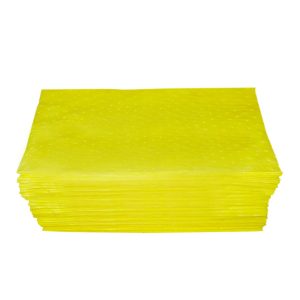
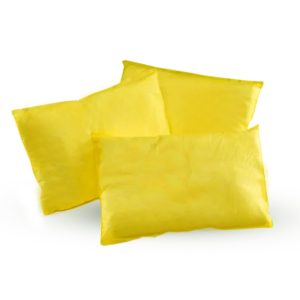
- Absorbent Materials include blood-specific absorbent pads and granules that solidify liquid biological materials for safe removal.
- Disinfection Supplies contain 10% household bleach solution or hospital-grade disinfectants effective against bloodborne pathogens.
- Containment Tools feature tongs, scrapers, and mechanical tools for handling contaminated materials without direct contact.
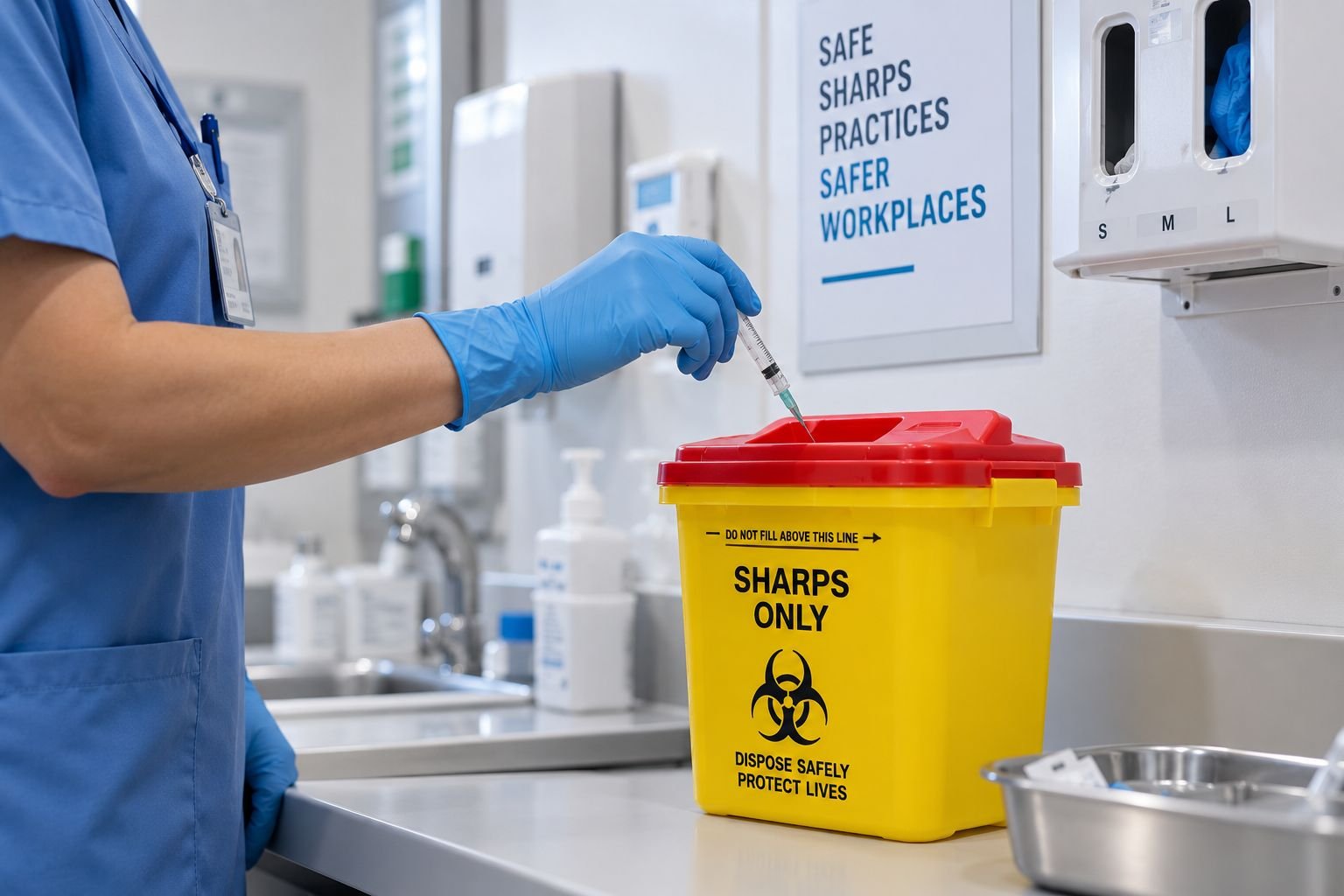
- Waste Disposal systems include biohazard bags, sharps containers, and labeling materials for proper waste segregation.
Cost of Biological Spill Response
Biological spill kits suitable for UAE hospital environments typically cost AED 280-450 per kit. Compare this to the cost of a single healthcare-associated infection, which can exceed AED 15,000 in additional treatment costs, extended stays, and potential liability exposure.
Professional biological hazard remediation services charge AED 2,500-5,000 per incident when hospitals lack proper response capability. Having appropriate equipment available prevents these emergency service charges while ensuring faster response times.
Reason 3: Chemical Spill Management and Worker Safety
Healthcare spill management extends to managing the numerous hazardous chemicals used throughout facilities, from cleaning agents to pharmaceutical preparations and laboratory reagents.
Common Hospital Chemical Hazards
Healthcare facilities use hundreds of different chemicals daily.
- Disinfectants and Cleaning Agents include chlorine compounds, quaternary ammonium compounds, and phenolic disinfectants used throughout patient care areas.
- Laboratory Chemicals encompass acids, bases, organic solvents, and reagents used in diagnostic testing procedures.
- Pharmaceutical Preparations range from chemotherapy drugs to radioactive materials and concentrated medications requiring special handling.
- Maintenance Chemicals cover boiler treatments, HVAC chemicals, and specialized cleaning compounds used in facility operations.
Chemical Exposure Risks
Healthcare workers face higher chemical exposure risks than many industrial workers due to the variety and concentration of substances used in medical environments. Protecting staff from chemical burns, respiratory exposure, and skin contact with hazardous substances requires comprehensive response capability.
Chemical spills in patient care areas create additional risks for vulnerable individuals who may have compromised immune systems, respiratory conditions, or sensitivity to chemical exposure.
Universal vs. Specialized Chemical Spill Kits
- Universal Chemical Spill Kits handle most general-purpose chemicals and cost AED 320-580 for hospital-sized kits. These work well for routine cleaning chemical spills and basic laboratory reagents.
- Specialized Chemical Spill Kits are required for specific hazards like mercury, acids, or chemotherapy drugs. Mercury spill kits cost AED 450-750, while chemotherapy spill kits range from AED 680-1,200 due to specialized absorbent materials and enhanced PPE requirements.
Chemical Spill Response Procedures
Effective chemical spill response requires different approaches based on the specific chemicals involved.
- Acid and Base Spills require neutralizing agents before absorption. Acid spill kits include sodium bicarbonate for neutralization, while base spill kits contain citric acid or similar neutralizers.
- Organic Solvent Spills require specialized absorbent materials that won’t react with solvents and create fire or explosion hazards. Standard absorbent materials may be unsuitable for certain organic chemicals.
- Mercury Spills require specialized collection procedures and mercury-specific absorbent materials. Standard spill response procedures can worsen mercury contamination by breaking mercury into smaller, more dangerous droplets.
Training Requirements
Chemical spill response requires specific training beyond basic first aid. Healthcare workers need instruction on chemical identification, appropriate response procedures, and proper use of spill response equipment.
UAE healthcare facilities must provide chemical training that includes spill response as part of overall workplace programs. This training must be documented and renewed periodically to maintain competency.
Reason 4: Patient and Visitor Protection
Hospital spill response directly impacts the well-being of patients and visitors who may be particularly vulnerable to contamination exposure due to compromised health conditions.
Vulnerable Patient Populations
Hospital patients often have weakened immune systems, open wounds, or medical conditions that make them especially susceptible to infections and chemical exposures. Protecting these vulnerable individuals from environmental contamination remains paramount.
Pediatric patients, elderly individuals, and immunocompromised patients face higher risks from exposure to biological and chemical contamination. Even minor spills can create serious health threats for these populations.
Visitor and Family Concerns
Healthcare facilities welcome thousands of visitors daily, including children, pregnant women, and individuals with health conditions. Protecting these visitors from exposure to hazardous materials they might encounter in healthcare environments extends responsibility beyond patient care.
Visitors typically lack training in hazard recognition and may not understand the risks associated with contaminated areas. Proper spill response prevents visitor exposure and eliminates the need for visitor evacuation during spill incidents.
Patient Care Area Contamination
Spills in patient care areas create unique challenges because they occur in spaces where vulnerable individuals are receiving medical treatment. Maintaining therapeutic environments free from contamination that could interfere with patient recovery requires immediate response capability.
Contamination incidents in patient rooms, treatment areas, and diagnostic facilities can require patient relocation, treatment delays, and extensive decontamination procedures. Having proper spill response capability minimizes these disruptions.
Emergency Department Considerations
Emergency departments face higher spill risks due to trauma cases, high patient turnover, and the unpredictable nature of emergency medical care. These high-risk environments particularly need robust response systems.
Blood spills, vomit, and other biological material spills occur frequently in emergency departments. Without proper response capability, these incidents can contaminate treatment areas and equipment, creating risks for subsequent patients.
Looking to implement comprehensive spill response training for UAE healthcare staff?
AAA Safe Dubai offers specialized training programs designed for Dubai and Abu Dhabi healthcare facilities, ensuring staff can respond effectively to biological and chemical spills while protecting patients and visitors.
Reason 5: Emergency Response Preparedness and Business Continuity
Maintaining operational capability during emergencies and preventing minor incidents from escalating into major operational disruptions requires comprehensive spill management.
Rapid Response Capability
Healthcare facilities cannot afford delays in spill response due to the critical nature of medical services. Having immediate response capability available 24/7 without depending on external emergency services becomes essential.
Professional hazmat response teams may take 30-90 minutes to arrive in UAE urban areas, and longer in remote locations. During this time, contamination can spread, patients may need relocation, and services may be disrupted.
Service Continuity Protection
Major spills without proper response capability can force closure of affected areas, patient relocation, and service interruptions. Preventing these operational disruptions that can cost thousands of dirhams in lost revenue and recovery expenses protects business operations.
Operating room closures due to contamination can cost AED 15,000-25,000 per day in lost surgical capacity. Emergency department closures create even higher costs and can endanger community health by reducing emergency care capacity.
Staff Response Training
Healthcare workers need specific training on spill response procedures appropriate for their work areas. Having trained personnel available around the clock to manage spill incidents safely and effectively ensures continuous capability.
Spill response training typically costs AED 350-550 per employee but provides returns through faster incident resolution, reduced contamination spread, and improved regulatory compliance.
Equipment Accessibility
Spill kits must be strategically located throughout healthcare facilities for rapid access during emergencies. Having equipment available within 30 seconds of any potential spill location ensures effective response times.
Central storage of spill response equipment creates dangerous delays during incidents. Distributed storage ensures immediate response capability but requires more investment in equipment and training.
Reason 6: Environmental Protection and Waste Management
Protecting the environment from contamination that could spread beyond hospital boundaries and create community health risks extends institutional responsibility.
Healthcare Waste Regulations
UAE environmental regulations require healthcare facilities to prevent contamination from reaching storm drains, groundwater, or surrounding areas. Compliance with environmental protection requirements that carry substantial penalties remains mandatory.
The UAE Federal Law requires facilities to prevent environmental contamination from hazardous materials. Healthcare waste spills that reach the environment can result in cleanup costs exceeding AED 100,000.
Groundwater Protection
UAE’s limited freshwater resources make groundwater protection critical. Preventing chemicals and biological materials from reaching groundwater supplies that serve surrounding communities protects public health.
Chemical spills that penetrate building foundations or reach storm water systems can contaminate soil and groundwater. Remediation costs for environmental contamination typically range from AED 50,000-250,000 depending on the extent of contamination.
Air Quality Management
Many healthcare chemicals produce vapors that can affect indoor and outdoor air quality. Preventing vapor release that could affect patients, staff, and surrounding communities requires proper containment.
Volatile chemicals like cleaning solvents and pharmaceutical preparations can create hazardous atmospheres requiring building evacuation if not properly contained. Emergency ventilation and air monitoring can cost AED 5,000-15,000 per incident.
Waste Stream Contamination
Improper spill cleanup can contaminate normal waste streams, converting regular waste into hazardous waste that requires special handling and disposal. Preventing waste stream contamination that increases disposal costs dramatically protects operational budgets.
Hazardous waste disposal costs AED 8-15 per kilogram compared to AED 0.50-2.00 per kilogram for regular medical waste. Large spill incidents can convert hundreds of kilograms of materials into hazardous waste.
Environmental Impact Costs of Hospital Spills
| Spill Type | Immediate Cleanup Cost (AED) | Environmental Remediation (AED) | Regulatory Fines (AED) |
|---|---|---|---|
| Blood and Biological | 500-1,200 | 5,000-25,000 | 10,000-30,000 |
| General Chemicals | 800-2,000 | 15,000-75,000 | 15,000-50,000 |
| Mercury | 2,500-5,000 | 25,000-100,000 | 20,000-75,000 |
| Chemotherapy Drugs | 3,000-8,000 | 50,000-200,000 | 25,000-100,000 |
Costs based on UAE market rates and regulatory penalty structures as of 2025
Reason 7: Legal Liability and Insurance Considerations
Protecting healthcare facilities from legal liability and insurance complications that can arise from inadequate spill response capabilities affects financial stability.
Professional Liability Protection
Healthcare facilities face potential lawsuits from patients, staff, and visitors who suffer harm due to inadequate spill response. Maintaining professional standards of care that protect against liability claims requires comprehensive systems.
Negligent spill response that results in patient harm can lead to medical malpractice claims with potential damages exceeding AED 500,000. Demonstrating proper spill response capability helps defend against such claims.
Workers' Compensation Implications
Healthcare workers injured due to inadequate spill response can file workers’ compensation claims that increase insurance premiums and create ongoing liability. Preventing worker injuries that lead to compensation claims protects operational costs.
Workers’ compensation claims for chemical exposure or biological contamination typically range from AED 25,000-150,000 depending on the severity of exposure and long-term health effects.
Insurance Premium Considerations
Many UAE insurance providers offer premium discounts for healthcare facilities with documented spill response programs and equipment. This can result in insurance savings of 10-20% on liability and property coverage.
Insurance claims for contamination incidents average AED 75,000-300,000 when proper spill response is unavailable. Facilities with comprehensive programs experience 60-80% fewer contamination-related insurance claims.
Regulatory Defense
Having proper spill response equipment and procedures provides strong defense against regulatory violations and associated penalties. Documentation that demonstrates proactive management during regulatory inspections protects against penalties.
Healthcare facilities that can demonstrate comprehensive spill response capability typically receive reduced penalties even when minor violations occur during regulatory inspections.
Legal Protection Benefits of Proper Spill Response
| Protection Area | Annual Cost (AED) | Potential Savings (AED) | ROI Timeframe |
|---|---|---|---|
| Liability Insurance | 2,500-4,000 | 15,000-35,000 | 1-2 years |
| Workers’ Compensation | 1,500-2,500 | 25,000-75,000 | 1-3 years |
| Regulatory Compliance | 800-1,500 | 10,000-50,000 | Immediate |
| Property Protection | 1,200-2,000 | 50,000-200,000 | Varies |
Savings represent potential avoided costs through proper spill response capability
Reason 8: Cost-Effective Risk Management and Operational Efficiency
Understanding why hospital needs spill kits and absorbent materials ultimately comes down to financial sense – the cost of preparation is minimal compared to the potential costs of inadequate spill response.
Direct Cost Comparison
The total investment in comprehensive spill response capability typically costs AED 15,000-35,000 for a 200-bed hospital, including equipment, training, and ongoing maintenance. This becomes obvious when compared to the potential costs of major spill incidents.
A single significant contamination incident can cost AED 100,000-500,000 in cleanup, lost revenue, regulatory fines, and liability exposure. The investment in spill response capability typically pays for itself with the first major incident prevented.
Operational Efficiency Benefits
Proper spill response capability reduces incident response time from hours to minutes, minimizing operational disruption. Maintaining service capacity during incidents that would otherwise require area closure protects revenue.
Faster spill response reduces patient care delays, prevents appointment cancellations, and minimizes staff overtime costs associated with extended cleanup procedures.
Staff Productivity Protection
Healthcare workers spend less time dealing with spill incidents when proper equipment is available, allowing them to focus on patient care activities. Protecting valuable staff time from being diverted to extended cleanup procedures improves efficiency.
Proper spill response equipment reduces average incident response time by 70-80%, saving 2-4 hours of staff time per incident. With healthcare worker wages averaging AED 75-150 per hour, this represents significant cost savings.
Equipment Longevity
Areas with proper spill response capability experience less equipment damage from contamination, extending the useful life of expensive medical equipment. Protecting capital investments in medical technology prevents costly replacements.
Medical equipment contamination can require decontamination procedures costing AED 5,000-25,000 per device, or complete replacement for sensitive electronic equipment. Prevention through proper spill response is far more cost-effective.
Comprehensive Cost-Benefit Analysis
Initial Investment Components
- Spill kit equipment ranges AED 5,000-12,000
- Staff training costs AED 8,000-15,000
- Ongoing maintenance requires AED 2,000-5,000 annually
- Total 3-year investment reaches AED 21,000-42,000
Potential Cost Avoidance
- Single major incident prevention saves AED 100,000-500,000
- Annual insurance premium reduction yields AED 5,000-15,000
- Regulatory violation avoidance protects AED 10,000-50,000
- Total potential savings reach AED 115,000-565,000
Return on Investment demonstrates 4.5x to 13.5x returns over three years.
Ready to implement cost-effective spill response solutions for your UAE healthcare facility?
AAA Safe Dubai provides comprehensive packages that include equipment, training, and ongoing support designed specifically for UAE healthcare environments, ensuring maximum return on investment.
Frequently Asked Questions
Hospitals require multiple types of spill kits based on their specific operations. Biological spill kits for blood and bodily fluids cost AED 280-450. Chemical spill kits for cleaning agents and pharmaceuticals range AED 320-750. Specialized kits for mercury or chemotherapy drugs cost AED 450-1,200. Different departments like emergency rooms, laboratories, and patient care areas each require different response capabilities.
UAE healthcare regulations require monthly spill kit inspections with documented records. Components should be replaced immediately after use. Entire kits should be renewed every 18-24 months due to material degradation in UAE climate conditions. Maintaining fresh, effective equipment that won’t fail during emergencies remains critical.
Healthcare workers need role-specific spill response training covering hazard recognition, proper equipment use, and emergency procedures. Training costs typically range from AED 350-550 per employee and must be renewed every 2-3 years. Having properly trained staff available 24/7 to respond effectively to spill incidents ensures capability.
Yes, UAE healthcare facilities must comply with MoHAP hospital regulations, Federal Decree Law No. 33 of 2021, and local health authority requirements like DHA standards. These regulations require appropriate spill response equipment and procedures for different types of healthcare hazards. Meeting these mandatory regulatory requirements maintains operating licenses.
A comprehensive spill response program typically costs AED 15,000-35,000 initially for a 200-bed hospital, with annual maintenance costs of AED 3,000-8,000. However, this investment can prevent single incidents costing AED 100,000-500,000. This represents excellent return on investment through cost avoidance.
Biological spills require disinfection procedures and specialized absorbents for infectious materials. Chemical spills may require neutralization and chemically-compatible absorbents. Personal protective equipment also differs, with biological spills requiring bloodborne pathogen protection and chemical spills requiring chemical-resistant PPE. Having appropriate equipment for each type of hazard remains essential.
No, healthcare environments require specialized spill kits designed for biological hazards and medical chemicals. Generic industrial spill kits lack the disinfection capability and biocompatible materials needed for healthcare applications. Selecting equipment specifically designed for healthcare hazards and regulatory requirements ensures effectiveness.
Spill cleanup materials must be disposed of as medical waste through licensed medical waste contractors. Costs typically range from AED 8-15 per kilogram for hazardous medical waste. Improper disposal can result in environmental violations and additional cleanup costs. Proper waste management procedures that comply with UAE environmental regulations remain mandatory.
Important Notice
This information provides general guidance on hospital spill response needs and should not be considered a substitute for professional consultation or regulatory advice. Hospital spill response requirements vary based on facility size, services provided, and specific hazards present.
UAE healthcare facilities must comply with MoHAP hospital regulations, Federal Decree Law No. 33 of 2021, DHA standards, and other applicable requirements. Regulations change frequently, and facilities must verify current compliance obligations with relevant health authorities.
Spill response programs must be designed by qualified professionals familiar with healthcare hazards, UAE regulatory requirements, and international best practices. Improper spill response equipment selection or procedures can result in increased contamination, regulatory violations, and potential patient harm.
Healthcare environments present unique challenges including vulnerable patient populations, complex chemical mixtures, and infectious disease risks. Professional consultation is essential for developing effective spill response programs that protect patients, staff, visitors, and the environment.
Emergency response procedures must be developed in coordination with local emergency services, medical waste contractors, and environmental authorities. Response capabilities vary across UAE locations, and facilities must ensure adequate resources are available for their specific location and patient population.
Equipment specifications and costs change frequently. Pricing information reflects general UAE market conditions and should be verified with current suppliers. Import duties, VAT, and specialized healthcare certifications may affect final equipment costs.
For professional consultation on hospital spill response programs designed specifically for UAE healthcare operations, contact qualified providers with demonstrated experience in healthcare environments and UAE regulatory compliance.
Conclusion
Understanding why hospital needs spill kits and absorbent materials isn’t really a question anymore – it’s a fundamental requirement for operating a safe, compliant, and efficient healthcare facility. The evidence is overwhelming across every aspect of hospital operations.
From regulatory compliance that prevents AED 50,000 fines to protecting vulnerable patients from life-threatening contamination, spill response capability touches every aspect of healthcare delivery. Hospital spill management represents the intersection of patient care, worker protection, environmental responsibility, and business continuity.
The financial case alone is compelling. A comprehensive spill response program costing AED 15,000-35,000 can prevent single incidents that cost AED 100,000-500,000 in cleanup, liability, and lost revenue. But more importantly, proper spill response is about fulfilling the fundamental healthcare mission of “first, do no harm.”
Look, accidents will happen. That’s inevitable in healthcare environments where you’re dealing with biological hazards, hazardous chemicals, and emergency situations every day. But what’s not inevitable is allowing those accidents to escalate into patient harm, worker injuries, or operational shutdowns.
Hospital spill preparedness comes down to readiness. The hospitals that invest in proper spill response capability are the ones that maintain operations during emergencies, protect their most vulnerable patients, and build reputations for excellence. The facilities that try to cut corners on spill response are the ones making headlines for all the wrong reasons.
The choice is clear. Healthcare spill management isn’t about whether you’ll face spill incidents – it’s about whether you’ll be ready when they occur. Your patients, your staff, and your community are counting on you to make the right choice.