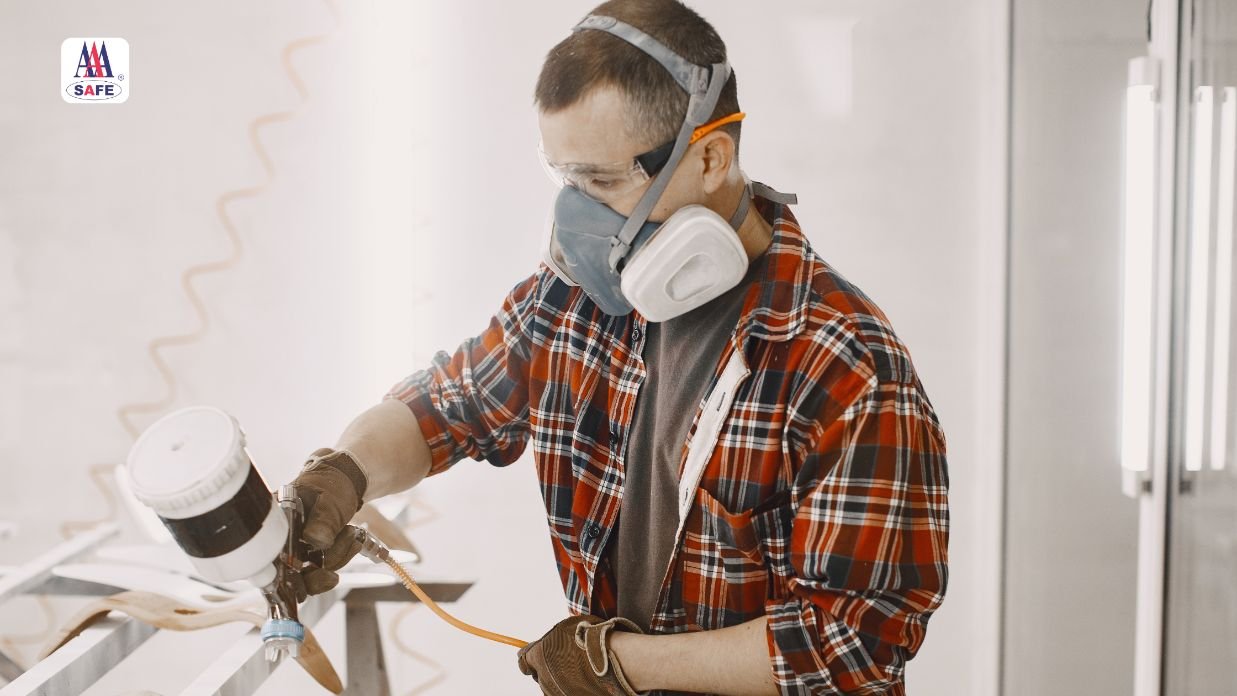
Paint fumes do not announce themselves with a warning label floating in the air. They settle into the lungs quietly, shift by shift, until the damage becomes permanent. For contractors managing painting crews in the UAE, providing the right respiratory protection for painters is not just a safety checkbox. It is a legal duty under Federal Decree Law No. 33 of 2021, OSHAD-SF requirements in Abu Dhabi, and Dubai Municipality’s occupational safety regulations.
Yet many contracting companies still hand painters a basic dust mask and call it done. A dust mask does almost nothing against volatile organic compounds (VOCs), isocyanates, or solvent vapours. These are the real threats in painting work, and they require specific respirator types matched to the hazard.
This article covers what contractors must know about providing breathing protection to painters in the UAE. It breaks down the actual hazards painters face, explains which respirator types match which tasks, and walks through the legal obligations that apply across Dubai, Abu Dhabi, and the wider Emirates.
Looking for Respirators That Actually Protect Your Painting Crews?
AAAsafedubai supplies a full range of breathing protection for painting crews across the UAE. From half-face cartridge respirators to powered air-purifying systems, our team helps contractors select the right products for their specific paint types and project conditions.
Why Painters Face Higher Breathing Hazards Than Most Construction Workers
Painters are exposed to a unique combination of airborne threats that most other construction trades do not encounter. Understanding these hazards is the first step in selecting the right breathing protection.
Volatile Organic Compounds (VOCs)
Solvent-based paints, lacquers, varnishes, and thinners release VOCs as they are applied and as they dry. These compounds evaporate rapidly at room temperature, and in the UAE’s extreme heat, off-gassing happens even faster. VOC exposure can cause eye and throat irritation, headaches, dizziness, nausea, and long-term damage to the liver, kidneys, and central nervous system. Many painters mistakenly believe the risk ends once the paint looks dry. In reality, many coatings can continue releasing vapours for days after application, with government health agencies recommending ventilation for at least 48 to 72 hours after painting indoors.
Isocyanates
Polyurethane paints, two-pack coatings, and automotive spray finishes contain isocyanates. These are among the most common causes of occupational asthma worldwide. What makes isocyanates especially dangerous is that they are often odourless and tasteless. A painter cannot tell when the cartridge on a standard air-purifying respirator has stopped filtering isocyanates because there is no smell change to signal the failure. Even short-term exposure can sensitize the airways permanently, meaning future exposures at very low levels can trigger severe asthma attacks.
Paint Dust and Particulates
Surface preparation work, including sanding old coatings, scraping, and grinding, generates fine dust that can contain lead (in older buildings), chromium compounds, and other toxic particles. These particles settle deep in the lungs. A simple dust mask may filter larger particles, but it will not stop the fine respirable dust fraction (particles below 4 microns) that causes the most damage to lung tissue.
Spray Mist
Spray painting creates a fine aerosol of paint droplets that stay suspended in the air far longer than brush or roller applications. The combination of paint mist and solvent vapour in spray operations creates a dual hazard that requires both particulate and chemical vapour filtration.
In the UAE, spray painting is used extensively for automotive refinishing, marine coatings in port areas, structural steel protection in industrial zones, and interior finishing on high-rise residential and hospitality projects. Each of these settings presents different ventilation conditions and exposure durations, which directly affects the type and level of respiratory protection contractors must provide.
The Heat Factor in UAE Painting Work
UAE temperatures between June and September regularly exceed 45°C. This heat intensifies paint off-gassing, increases the concentration of airborne vapours, and makes wearing any face-covering respirator uncomfortable. Painters sweat heavily, which breaks the face seal on cartridge respirators. The breathing resistance through filter cartridges adds physical strain in already demanding conditions. These factors explain why compliance with respirator use drops sharply in summer months unless contractors invest in comfort-focused options like PAPRs or supplied-air hoods that reduce breathing effort.
Types of Respiratory Protection for Painters That Contractors Must Know
Not all respirators are the same, and not every respirator suits every painting task. Contractors must match the respirator type to the specific hazard. Here is what is available and where each one fits.
1. Disposable Particulate Respirators (Filtering Facepieces)
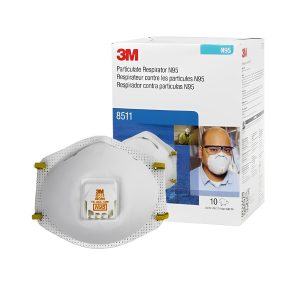
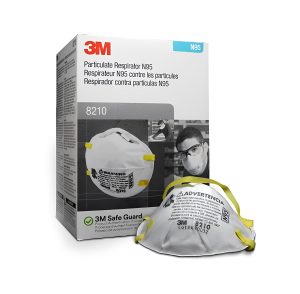
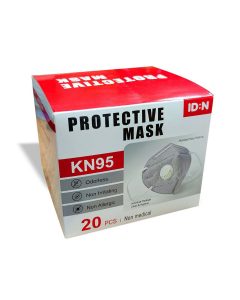
These are the lightweight masks rated as FFP1, FFP2, or FFP3 under European standards, or N95/P100 under NIOSH ratings. They filter airborne particles but do not protect against chemical vapours or gases.
- When to use them. Sanding, scraping, and surface preparation where dust is the primary hazard. They are not suitable for spray painting or any task involving solvent-based products.
- What contractors get wrong. Handing a painter an N95 mask for spray painting with solvent-based coatings. An N95 filters particles only. It provides zero protection against VOC vapours or isocyanate gases. This is one of the most common and dangerous mistakes in breathing protection for painting crews.
2. Half-Face Cartridge Respirators
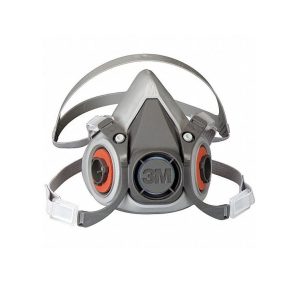
A reusable rubber or silicone facepiece that covers the nose and mouth, fitted with replaceable filter cartridges. Different cartridge types protect against different hazards. Organic vapour (OV) cartridges handle solvent fumes. Combination OV/P100 cartridges protect against both vapours and particulates simultaneously.
- When to use them. Brush, roller, and low-volume spray painting with solvent-based paints in well-ventilated areas. Also suitable for applying water-based coatings in confined or poorly ventilated spaces. Half-face respirators carry an assigned protection factor (APF) of 10, meaning they protect in concentrations up to 10 times the occupational exposure limit.
- What contractors must know. Half-face respirators require proper fit testing. A respirator that does not seal against the face provides little protection. Workers with facial hair cannot achieve a proper seal and should not be assigned tight-fitting respirators. Cartridges must be replaced on a scheduled basis, not just when the painter notices a smell.
3. Full-Face Cartridge Respirators
Similar to half-face models but with a full facepiece that covers the eyes, nose, and mouth. They use the same replaceable cartridges but add eye and face protection against splashes and irritating vapours.
- When to use them. Spray painting in enclosed or poorly ventilated areas, work with isocyanate-containing coatings, and any task where eye irritation from vapours is a concern. Full-face respirators carry an APF of 50, offering five times the protection of half-face models.
- A critical note on isocyanates. Because isocyanates are odourless, painters cannot rely on smell to know when cartridges need replacing. Contractors using isocyanate-based products must implement a strict cartridge change schedule based on the manufacturer’s service life data and the concentration levels in the work area.
4. Powered Air-Purifying Respirators (PAPRs)
A motorized unit draws air through filters and delivers it to a hood, helmet, or facepiece. The painter breathes filtered air without having to pull it through cartridges with their own lung effort.
- When to use them. Extended spray painting shifts, work in hot UAE conditions where breathing resistance from cartridge respirators causes fatigue, and situations where workers cannot achieve a tight face seal (including workers with facial hair when using loose-fitting hoods).
- Why contractors overlook them. PAPRs cost more upfront (AED 1,500 to AED 4,000 per unit) than cartridge respirators (AED 80 to AED 250). But they reduce breathing fatigue, improve comfort in UAE heat, and increase compliance because painters are more willing to wear them for full shifts. For contractors running large painting operations, PAPRs often deliver better real-world protection than cheaper cartridge masks that workers remove every few minutes to catch their breath.
5. Supplied-Air Respirators (SARs)
These deliver clean breathing air from a compressor or cylinder through a hose to the painter’s facepiece or hood. The painter breathes air that is completely independent of the surrounding atmosphere.
- When to use them. Spray painting in confined spaces (tanks, enclosed rooms, elevator shafts), work with highly toxic coatings, and any situation where air-purifying respirators cannot reduce exposure below safe limits. SARs are the highest level of breathing protection available to painters short of a self-contained breathing apparatus.
- UAE relevance. Many painting contractors in the UAE work on interior fit-outs for hotels, high-rise residential towers, and commercial buildings. Spray painting in enclosed rooms without mechanical ventilation creates vapour concentrations that can exceed what cartridge respirators can handle. In these situations, SARs are not optional. They are the only compliant choice.
Need Help Matching Respirators to Your Painting Operations?
AAAsafedubai helps UAE painting contractors select the right breathing protection based on the paint type, application method, and work environment. We stock cartridge respirators, PAPRs, and supplied-air systems from trusted manufacturers.
Quick Comparison of Respirator Types for Painting Work
| Respirator Type | Protection Factor | Protects Against | Best For | Approx. Cost (AED) |
|---|---|---|---|---|
| Disposable (FFP2/N95) | 10x (particles only) | Dust, sanding particles | Surface prep, scraping | AED 3 – 15 per mask |
| Half-Face Cartridge | 10x | Vapours + particles (with combo cartridge) | Brush/roller, light spray in ventilated areas | AED 80 – 250 + cartridges |
| Full-Face Cartridge | 50x | Vapours + particles + eye protection | Spray painting, isocyanate coatings | AED 300 – 800 + cartridges |
| PAPR (Powered) | 25x (loose-fitting hood) or up to 1000x (with manufacturer testing data) | Vapours + particles, no breathing effort | Extended spray shifts, hot conditions | AED 1,500 – 4,000 per unit |
| Supplied-Air (SAR) | Up to 1000x (continuous flow) | All airborne hazards | Confined spaces, high-concentration exposure | AED 2,000 – 6,000 per system |
UAE Regulations That Require Respiratory Protection for Painters
Contractors in the UAE have clear legal obligations to provide breathing protection to painters. Here is what applies.
Federal Decree Law No. 33 of 2021
The UAE Labour Law requires employers to provide a safe work environment and supply appropriate personal protective equipment at no cost to the worker. It also requires employers to conduct periodic medical examinations for workers exposed to occupational hazards. Painters working with chemical-based coatings fall under this requirement. Employers must report occupational diseases, including respiratory conditions, to the Ministry of Human Resources and Emiratisation (MoHRE) within 48 hours.
OSHAD-SF in Abu Dhabi
The Abu Dhabi Occupational Safety and Health System Framework requires employers to follow the hierarchy of controls for chemical hazards. When local exhaust ventilation (LEV) alone cannot reduce worker exposure below threshold limit values (TLVs), employers must provide PPE, including respirators. OSHAD-SF also requires fit testing, training, and medical clearance before assigning respirators to workers. Air quality monitoring must be conducted at regular intervals to verify that controls are working.
Dubai Municipality Regulations
Dubai Municipality enforces international safety standards aligned with European and American regulations. For painting operations, this includes compliance with EN 529 (respiratory protective devices) and the use of CE-marked respirators appropriate to the identified hazard. Contractors working on Dubai Municipality projects or within Dubai building codes must demonstrate that respiratory protection matches the chemical exposure profile of the painting work being performed.
Understanding Respirator Cartridge Types for Painting Work
Selecting the right cartridge is just as important as selecting the right respirator. Using the wrong cartridge turns a properly fitted mask into a false sense of security. Here are the cartridge types that matter for painting operations.
- Organic Vapour (OV) Cartridges. These are the standard choice for solvent-based paint fumes, lacquer vapours, and thinner off-gassing. They contain activated carbon that adsorbs organic chemical molecules as air passes through. OV cartridges are colour-coded black under NIOSH standards. They do not filter particulates, so they should be paired with a pre-filter for spray painting work.
- Combination OV/P100 Cartridges. These combine organic vapour carbon filtration with a P100 particulate filter in a single unit. They handle both chemical vapours and paint mist simultaneously. For most spray painting tasks in the UAE, combination cartridges are the practical default because spray operations always produce both vapour and particulate hazards at the same time.
- Multi-Gas Cartridges. Some painting products release acid gases or formaldehyde in addition to organic vapours. Multi-gas cartridges filter a broader range of chemical families. They are heavier and more expensive than OV-only cartridges, so they should only be used when the Safety Data Sheet confirms the presence of acid gases or other non-organic vapour hazards in the product.
- Pre-Filters. Thin particulate pads that snap onto the front of a cartridge to catch paint mist and dust before it reaches the main carbon filter. Pre-filters extend cartridge life significantly because they prevent particulate loading from clogging the carbon bed. In dusty UAE painting environments with heavy sanding and spray work, replacing a low-cost pre-filter daily is far cheaper than replacing the main cartridge prematurely.
Contractors should always check the Safety Data Sheet for each product used on site and match the cartridge type to the specific chemicals listed. When in doubt, combination OV/P100 cartridges with pre-filters provide the broadest protection for general painting operations.
Common Mistakes Contractors Make with Painter Breathing Protection
- Providing dust masks for chemical work. This is the most frequent and most dangerous error. A particulate-only mask (N95, FFP2) does not filter solvent vapours or isocyanates. Painters wearing dust masks during spray operations with solvent-based coatings are breathing in the full chemical load.
- Skipping fit testing. A respirator that does not seal is a respirator that does not work. UAE regulations under OSHAD-SF require fit testing before assigning tight-fitting respirators. Many contractors skip this step, leaving painters with masks that leak around the edges.
- Not replacing cartridges on schedule. Cartridge respirators lose their filtering ability over time, especially in high-vapour environments. Waiting for the painter to “smell something” is not a valid replacement strategy, particularly with odourless chemicals like isocyanates. Contractors must establish and follow a written cartridge change schedule.
- Ignoring the UAE heat factor. Breathing through cartridge filters in 45°C heat is physically exhausting. Painters remove their masks to breathe easier, creating unprotected exposure windows. Contractors who invest in PAPRs or supplied-air systems for hot-condition work see better compliance and fewer respiratory complaints.
- No medical screening. Workers with pre-existing asthma, COPD, or other lung conditions may not be medically fit to wear certain respirator types. OSHAD-SF and international standards require medical evaluation before respirator assignment. Skipping this step puts vulnerable workers at risk and exposes the contractor to liability.
How Contractors Should Select Respiratory Protection for Their Painting Crews
- Step 1 – Identify the hazard. Read the Safety Data Sheet (SDS) for every paint, primer, thinner, and coating product used on the project. The SDS lists the chemical components, their exposure limits, and the recommended PPE.
- Step 2 – Assess the exposure. Consider the application method (brush, roller, or spray), the ventilation conditions, the size of the work area, and the duration of exposure. Spray painting in a confined room creates far higher vapour concentrations than brush painting an exterior wall.
- Step 3 – Match the respirator to the hazard. Use particulate respirators for dust-only tasks. Use cartridge respirators with organic vapour filters for solvent-based work in ventilated areas. Use full-face cartridge or PAPR units for spray painting. Use supplied-air systems for confined space painting.
- Step 4 – Fit test every worker. Every painter assigned a tight-fitting respirator must pass a fit test. This applies to both half-face and full-face cartridge models. Workers with beards or facial hair that breaks the seal should be assigned loose-fitting PAPRs or supplied-air hoods instead.
- Step 5 – Train, document, and monitor. Train painters on how to inspect, don, doff, and maintain their respirators. Document all training, fit tests, and cartridge change schedules. Conduct regular workplace air monitoring to verify that the selected respiratory protection is adequate.
Build a Complete Respiratory Protection Programme with AAASAFEDUBAI.COM
AAAsafedubai helps contractors across Dubai, Abu Dhabi, and Sharjah set up respiratory protection programmes for painting crews. From respirator selection and fit testing support to cartridge replacement scheduling, we provide the products and guidance needed to meet UAE compliance requirements.
Frequently Asked Questions
No. Dust masks and particulate-only respirators (N95, FFP2) do not filter chemical vapours or gases. Spray painting with solvent-based products requires a cartridge respirator with organic vapour filters at minimum. For isocyanate-containing coatings, a full-face cartridge respirator or PAPR is recommended.
Cartridge replacement depends on the chemical concentration, humidity, breathing rate, and the manufacturer’s service life data. As a general guideline, organic vapour cartridges should be replaced at the end of each work shift when used in heavy spray painting environments. Contractors must establish a written change schedule rather than relying on odour detection, especially for odourless chemicals like isocyanates.
Yes. Federal Decree Law No. 33 of 2021 requires employers to provide appropriate PPE for identified workplace hazards at no cost to the worker. In Abu Dhabi, OSHAD-SF adds specific requirements for fit testing, training, medical clearance, and air quality monitoring. Dubai Municipality enforces similar standards aligned with international regulations.
Automotive spray painting involves isocyanate-containing two-pack coatings that require a minimum of a full-face cartridge respirator with organic vapour and particulate combination cartridges. For extended spray sessions or work in poorly ventilated booths, a PAPR with appropriate chemical filters provides better comfort and protection. In fully enclosed booths without adequate air exchange, a supplied-air system is the safest choice.
Dual protection means wearing earplugs underneath earmuffs at the same time. It is recommended when noise levels exceed 100 dB(A) or when a single hearing protector cannot reduce exposure below 85 dB(A) after applying the 7 dB NRR derating. Dual protection is common for pile driving, demolition, and work near pneumatic breakers on UAE construction sites.
No. Facial hair that sits between the face and the respirator seal prevents a proper fit. Painters with beards should be assigned loose-fitting PAPRs with hoods, which do not require a face seal. Assigning a tight-fitting respirator to a worker who cannot achieve a seal is both a safety failure and a regulatory violation under OSHAD-SF.
Yes. AAASAFEDUBAI.COM carries disposable particulate masks, half-face and full-face cartridge respirators, powered air-purifying respirators, supplied-air systems, and all associated replacement cartridges and filters. Our team assists contractors with product selection based on paint type, application method, and UAE regulatory requirements.
Closing Thoughts
Respiratory protection for painters is not something contractors can afford to get wrong. The chemicals in modern paint systems, from VOC-laden solvents to odourless isocyanates, cause damage that builds silently over months and years. By the time a painter develops occupational asthma or chronic lung disease, the damage is often irreversible.
The good news is that proper breathing protection is neither complicated nor prohibitively expensive. Matching the right respirator to the right task, conducting fit tests, replacing cartridges on schedule, and screening workers medically before assigning respirators are all straightforward steps that any contractor can implement.
The UAE’s regulatory framework under Federal Decree Law No. 33, OSHAD-SF, and Dubai Municipality standards leaves no ambiguity. Contractors who employ painters must provide appropriate respiratory protection, and “appropriate” means matched to the actual chemical hazard, not just whatever is cheapest or most convenient.
Disclaimer
The information provided in this article is intended for general educational purposes only and should not be treated as a substitute for professional safety consultation, legal advice, or medical guidance. While every effort has been made to ensure accuracy, workplace safety regulations in the UAE are subject to change, and requirements may differ between emirates, free zones, and specific project authorities. Readers are encouraged to verify all regulatory information with the relevant government bodies, including the Abu Dhabi Public Health Center (ADPHC), Dubai Municipality, and the UAE Ministry of Human Resources and Emiratisation. Product specifications, pricing, and protection factor ratings referenced in this article are approximate and may vary by manufacturer, model, and supplier. AAASAFEDUBAI.COM does not guarantee specific safety outcomes and recommends that all respirator selections be made in consultation with a qualified occupational health and safety professional. Individual results may vary based on proper fitting, maintenance, and worker compliance. Always refer to manufacturer instructions, Safety Data Sheets, and current UAE regulations for definitive guidance.