Working in UAE’s industrial sector means dealing with serious noise levels daily. Whether you’re in manufacturing, construction, or processing facilities, your ears are constantly under attack from machinery, equipment, and industrial processes. The right ear plugs aren’t just about comfort – they’re about protecting your hearing for life.
This guide cuts through the technical jargon to help you understand what really matters when choosing industrial ear plugs for UAE workplaces.
Understanding Hearing Protection Ratings: SNR vs NRR
What is SNR Rating?
SNR (Single Number Rating) represents the European approach to measuring hearing protection effectiveness, widely adopted across UAE industrial facilities due to EN 352 compliance requirements. This single-value rating indicates the average noise reduction a hearing protection device achieves under controlled laboratory conditions.
Think of SNR as a straightforward number – if your workplace has 95 dB noise and you wear ear plugs with SNR 30, you get approximately 65 dB at your ear. Simple math that works in real life.
What is NRR Rating?
NRR (Noise Reduction Rating) serves as the standard measurement in North American markets, regulated by the U.S. Environmental Protection Agency (EPA) and measured according to ANSI/ASA S12.6-2016 standards.
Here’s where it gets tricky – NRR requires a more complex calculation. You can’t just subtract the number directly from noise levels like you do with SNR.
Key Differences That Matter
| Factor | SNR (European) | NRR (American) |
|---|---|---|
| Used in | Europe, UAE, Middle East | US, Canada |
| Calculation | Direct subtraction | Formula: (NRR – 7) ÷ 2 |
| Typical values | 2-3 dB higher | 2-3 dB lower |
| Real-world example | 95 dB – 30 SNR = 65 dB | NRR 25: (25-7) ÷ 2 = 9 dB reduction |
SNR ratings typically run 2-3 dB higher than equivalent NRR ratings due to different testing methodologies and statistical calculations.
UAE Workplace Noise Regulations
OSHAD Requirements
Abu Dhabi’s OSHAD (Occupational Safety and Health Authority) mandates risk management when employees face potential exposure to noise levels at or exceeding 85 dB during work shifts.
Once your workplace hits 85 dB, hearing protection becomes mandatory – no exceptions.
Dubai Municipality Guidelines
Dubai Municipality establishes specific noise exposure limits that cannot be exceeded regardless of hearing protection use: 8-hour time-weighted average: 85 dB(A) maximum and Peak sound pressure level: 137 dB(C-weighted) maximum.
Real UAE Industrial Noise Data
Research conducted in UAE juice manufacturing facilities revealed noise levels ranging from 75 to 89 dB(A), with four out of nine measured areas exceeding the allowable 85 dB(A) limit.
This isn’t just theory – real UAE workplaces are dealing with these noise levels right now.
Disposable vs Reusable Ear Plugs
Disposable Ear Plugs
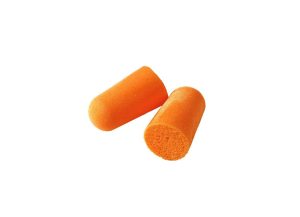
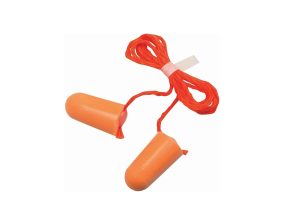
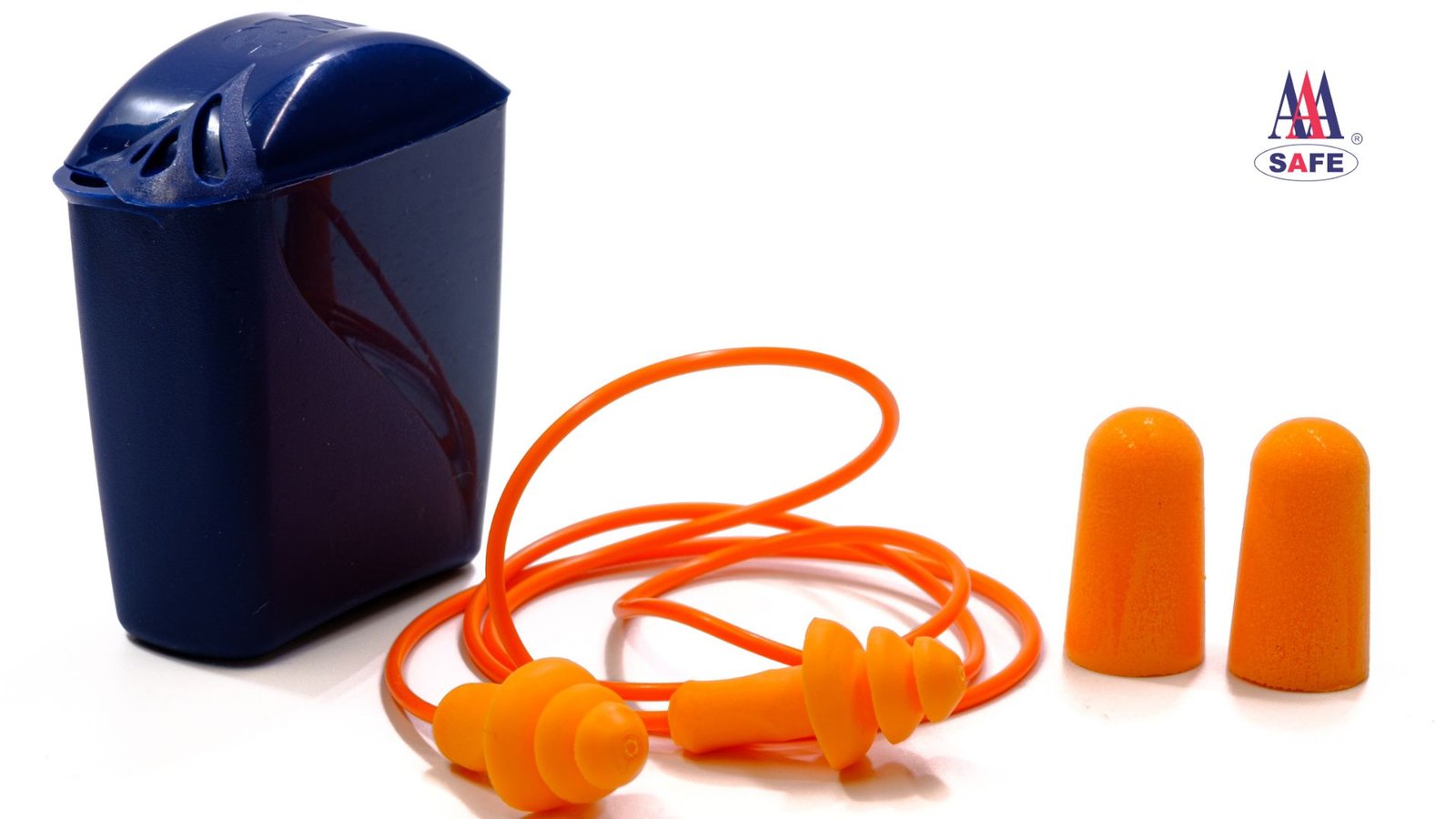
Disposable ear plugs utilize single-use design principles, typically manufactured from polyurethane (PU) foam materials engineered for maximum noise attenuation. They achieve superior NRR ratings of 30-33 dB noise reduction but foam loses elasticity after first insertion.
Pros:
- Highest noise reduction (30-33 dB)
- Fresh pair every time = maximum hygiene
- No cleaning required
Cons:
- Single use only
- More waste
- Need constant restocking
Reusable Ear Plugs
Reusable ear plugs employ durable materials like TPE (Thermoplastic Elastomer) and medical-grade silicone for extended service life.
Pros:
- Multiple uses from one pair
- Environmentally friendly
- Always available
- Cost-effective long-term
Cons:
- Slightly lower noise reduction (20-27 dB)
- Require cleaning
- Can be lost more easily
Research indicates that reusable ear plugs provide 1-2 dB less noise reduction than disposable foam alternatives but maintain more consistent protection over extended wear periods.
Material Technologies Explained
Polyurethane (PU) Foam
PU foam ear plugs represent the gold standard for disposable hearing protection, utilizing slow-recovery polyurethane foam that expands to create complete ear canal sealing.
You roll them small, insert them, and they expand to fill your ear canal completely. This creates the best seal possible, which is why they offer the highest protection ratings.
Performance: 30-33 dB NRR Best for: High-noise environments, single-use situations
Medical-Grade Silicone
Silicone ear plugs utilize medical-grade silicone compounds offering superior comfort and biocompatibility.
These mold to your ear shape using body heat. They’re comfortable for all-day wear and won’t cause irritation.
Performance: 20-26 dB NRR Best for: Comfort-focused applications, sensitive ears
TPE (Thermoplastic Elastomer)
TPE ear plugs represent advanced reusable technology, particularly effective in demanding industrial environments.
Think of TPE as the best of both worlds – durable like silicone but with better noise reduction.
Performance: 25-30 dB NRR Best for: Industrial environments, repeated use
Choosing the Right Protection Level
Light Industrial (75-85 dB)
Examples: Quality control, light assembly, office areas near equipment
Recommended: Silicone or TPE ear plugs (20-25 dB) Why: Adequate protection without overprotection
Standard Industrial (85-95 dB)
Examples: Most UAE manufacturing, assembly lines, packaging
Recommended: High-quality TPE or premium silicone (27-30 dB) Why: Meets UAE requirements while preserving communication
Heavy Industrial (95-105 dB)
Examples: Metal fabrication, heavy machinery, maintenance
Recommended: Premium foam or maximum-rated TPE (30-33 dB) Why: Maximum single-device protection
Extreme Noise (>105 dB)
Examples: Impact tools, high-pressure systems, heavy machinery
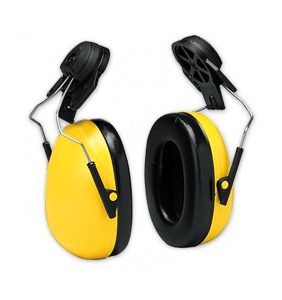
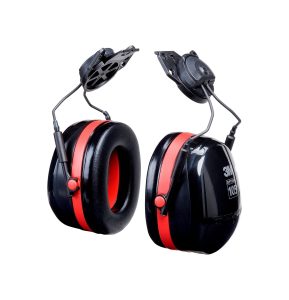
Mandatory: Dual protection (ear plugs + ear muffs) Calculation: Add 5 dB to the higher NRR rating
Real-World Performance Tips
Proper Fitting Makes All the Difference
Research involving 30 workers over 2-hour periods demonstrated that properly fitted ear plugs maintain 95% of initial protection even after extended wear with normal work activities.
For foam ear plugs:
- Roll completely between clean fingers
- Insert fully into ear canal
- Hold in place until fully expanded
For reusable ear plugs:
- Insert with gentle pressure
- No rolling required
- Ensure complete seal
UAE Climate Considerations
Environmental factors affecting performance include high humidity that accelerates foam degradation and reduces lifespan, and temperature extremes where TPE maintains properties better than foam materials.
In UAE’s hot, humid conditions, reusable options often perform better than disposable foam.
Frequently Asked Questions
Ear plugs do not block out other sounds completely. You should still hear some ambient noise, but it should be significantly reduced. If you can’t hear any difference when inserting them, they’re not fitted correctly.
Users can regularly use foam earplugs for extended periods, but they should be replaced every 2-3 days as they won’t work as well after repeated use. For all-day wear, this is perfectly safe.
For hot and noisy environments during long periods, the choice depends on comfort and effectiveness, with ear plugs generally being more comfortable in heat. In UAE’s climate, ear plugs are typically the better choice.
This is normal and actually good for safety. Quality ear plugs reduce harmful noise levels while still allowing you to hear important sounds like warnings, alarms, and conversations at reasonable volumes.
- TPE ear plugs: 6-12 months with proper cleaning
- Silicone ear plugs: 12-18 months with regular maintenance
- Disposable foam: Single use only
Wearing earplugs at work all day is perfectly safe. Loop Earplugs come with a choice of four ear tip sizes, and once you get the perfect fit, they’ll be comfortable for extended wear.
Custom-fit allows for a cleaner environment and overall better appearance. Custom-fit also reduces common complaints about site hygiene and ZERO Fit Issues – Custom-fit earplugs fit the ear like a jigsaw puzzle piece. While not mandatory, custom options offer superior comfort and fit.
Compliance and Certification
EN 352 Standards
All ear plugs distributed in UAE markets must comply with EN 352-2:2020 standards for ear plugs and ear molds. CE marking indicates compliance with European Regulation 2016/425/EU for PPE products.
Look for the CE mark on all ear plugs – it’s your guarantee of quality and safety compliance.
Implementation Guide for UAE Workplaces
Step 1: Assess Your Noise Levels
Use calibrated sound level meters to measure actual workplace noise levels.
Step 2: Calculate Required Protection
- For SNR: Direct subtraction from noise level
- For NRR: Use formula (NRR – 7) ÷ 2
Step 3: Consider Work Environment
- High humidity: Choose TPE or silicone
- Extreme heat: Avoid ear muffs
- Chemical exposure: Verify material compatibility
Step 4: Train Your Team
Proper insertion technique is crucial for effectiveness. Invest in hands-on training.
Step 5: Monitor and Maintain
Regular audiometric testing ensures your program is working effectively.
Conclusion
Choosing the right ear plugs for UAE industrial environments comes down to understanding your specific needs. High-noise environments need maximum protection from foam ear plugs. Moderate noise levels work well with TPE or silicone options that offer better comfort and reusability.
Remember – the best ear plugs are the ones your workers will actually wear consistently. Balance protection level with comfort, and always ensure proper fit through training.
For UAE workplaces, focus on SNR ratings for easier calculation, choose materials that handle the climate, and maintain compliance with local regulations. Your hearing protection program isn’t just about meeting requirements – it’s about protecting your team’s hearing for life.
Ready to implement proper hearing protection in your UAE facility? Start with a professional noise assessment, then select appropriate protection based on actual measured levels, not guesswork.
Contact AAA Safe Dubai Today:
📞 Phone: +971-502349605
📧 Email: aaasafedubai@hotmail.com
🌐 Website: aaasafedubai.com
📍 Visit our Dubai showroom for hands-on product evaluation