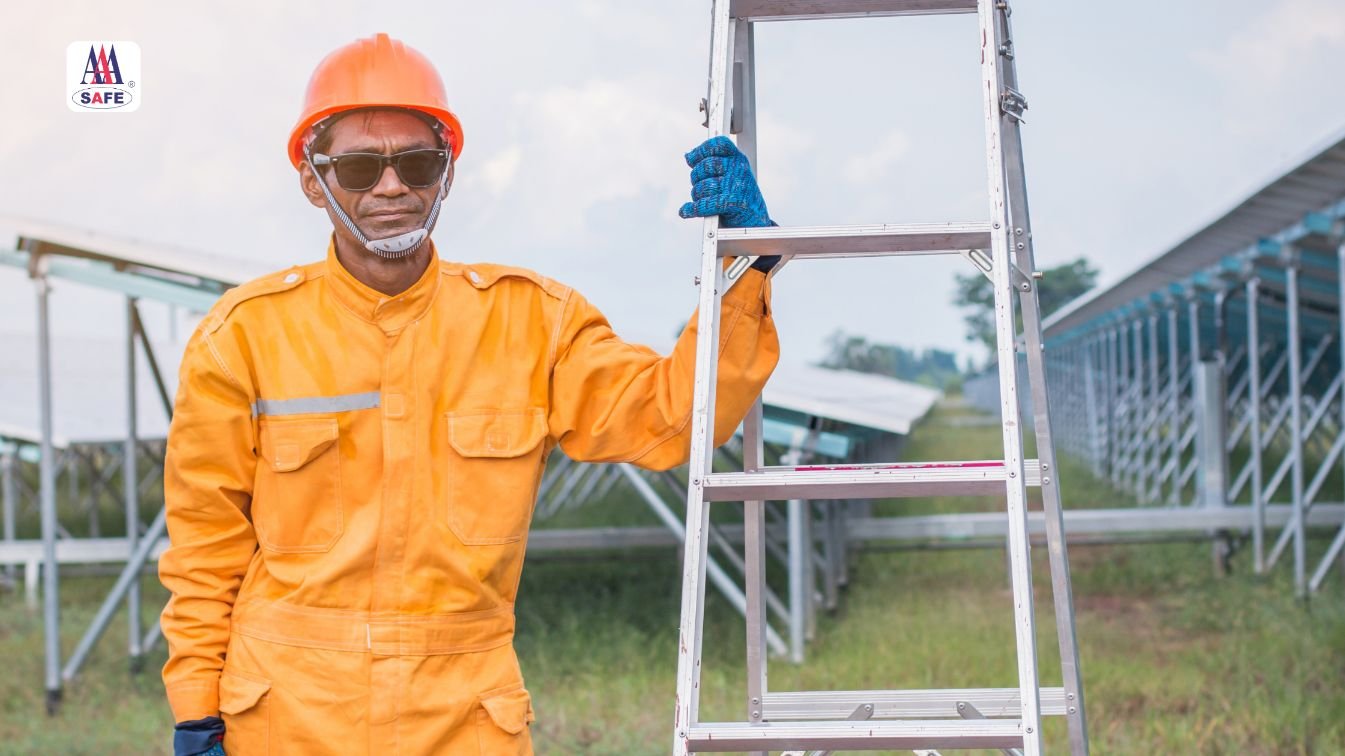
Every summer, UAE construction and industrial workers face extreme temperatures that soar above 45°C. The importance of breathable coverall goes far beyond basic compliance. On sites from Abu Dhabi to Sharjah, inappropriate workwear doesn’t just cause discomfort but can lead to dangerous heat stress, productivity loss, and even life-threatening emergencies.
Hot working environments demand more than just protection from hazards. They require occupational clothing that supports natural body cooling, prevents heat accumulation, and allows workers to maintain safe body temperatures. With UAE labor law and international safety standards both recognizing heat stress as a major workplace danger, prioritizing breathable coveralls becomes essential for worker safety and regulatory compliance.
The Impact of Heat Stress on UAE Worksites
Why Traditional Protective Clothing Falls Short
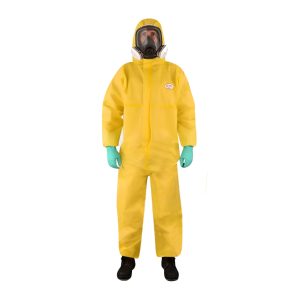
Conventional non-breathable coveralls, even when technically protective, can become a source of danger in hot climates. These garments trap heat and moisture, leading to increased core body temperatures, heavy sweating, and accelerated fatigue. Understanding the importance of breathable coverall becomes critical when poor workwear choices can turn healthy workers into medical emergency cases.
UAE’s Ministry of Human Resources and Emiratisation enforces strict heat stress prevention policies, recognizing that extreme temperatures regularly exceeding 40°C create serious health risks for outdoor workers, particularly in construction, manufacturing, and heavy industries.
Economic and Safety Consequences
Heat-related health issues significantly impact workplace safety and productivity. The UAE government has established regulations mandating employers take necessary measures to prevent heat stress and ensure worker safety during extreme heat conditions, with fines of AED 5,000 per worker (up to AED 50,000 total) for violations of heat safety regulations.
Companies that fail to provide adequate heat-stress protection risk penalties, legal exposure, and potential suspension from projects due to non-compliance with occupational health and safety requirements.
Key Features of a Breathable Coverall for Hot Climates
Advanced Textile Technology
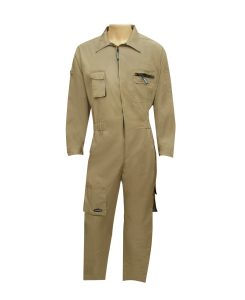
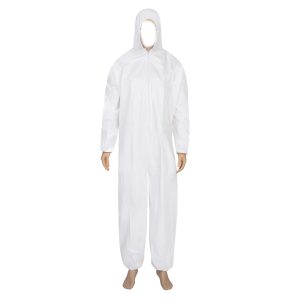
Modern breathable coveralls use innovative fabrics such as SMS (Spunbond-Meltblown-Spunbond), microporous film laminates, or engineered cotton-blend textiles. These materials enable airflow and rapid sweat evaporation, letting heat escape without compromising barrier protection.
Essential Design Features
Breathable Coverall Design Elements
- Lightweight, open-weave construction for improved air circulation
- Moisture-wicking inner linings to manage perspiration
- Ventilation panels strategically placed in underarms and back areas
- Antimicrobial treatments to reduce odor and bacterial growth
Such developments support wearer comfort and prevent the sticky, saturated feeling common with non-breathable synthetics, making the importance of breathable coverall clear for worker wellbeing.
Essential For PPE Compliance and Worker Safety
To meet Dubai and Abu Dhabi safety regulations, coveralls must not only block chemical, dust, or spark hazards but also support thermal management. Federal Decree Law No. 33 of 2021 requires employers to provide safe and appropriate work environments, including suitable protective equipment.
International standards now include breathability benchmarks ensuring PPE supports both safety and heat resilience, making breathable workwear compliance with both protection and comfort requirements.
Benefits of Breathable Coveralls in Hot Working Environments
Performance Comparison Analysis
| Critical Benefit | Traditional Non-Breathable | Breathable Modern Coverall | Worker Impact |
|---|---|---|---|
| Core Temperature Control | Limited heat escape | Effective heat management | Reduced heat stress risk |
| Sweat Management | Poor evaporation | Efficient moisture wicking | Improved comfort |
| Movement/Flexibility | Often restrictive | Ergonomic design | Better productivity |
| Fatigue Prevention | Higher fatigue risk | Reduced thermal load | Sustained performance |
| Heat Stress Prevention | Higher incident risk | Significantly lower risk | Enhanced safety |
| Regulatory Compliance | May fail requirements | Meets safety standards | Avoids penalties |
| Hygiene Management | Odor/irritation common | Antimicrobial properties | Better workplace conditions |
Breathable coveralls provide measurable improvements across multiple performance factors critical for safe operation in UAE’s challenging thermal environment.
Health and Safety Advantages
The importance of breathable coverall extends to critical health protection benefits that support worker wellbeing and productivity in extreme heat conditions.
Thermal Regulation Benefits
Health Protection Mechanisms
- Core Temperature Maintenance. Breathable fabrics allow heat dissipation preventing dangerous temperature rises
- Dehydration Prevention. Efficient moisture management reduces excessive fluid loss
- Heat Exhaustion Reduction. Better thermal regulation prevents progression to serious heat illness
- Cognitive Function Protection. Maintaining normal body temperature supports mental alertness and decision-making
Medical research indicates that 2% body fluid loss leads to measurable cognitive decline, making thermal management through appropriate workwear critical for both safety and performance.
Real-World Applications and Sector Examples
Construction and Infrastructure
Concrete, steel, and glass amplify heat in building sites throughout UAE. Breathable coveralls with high-visibility features help workers remain cool and compliant, especially when combined with hydration protocols and shade stations mandated by UAE heat stress regulations.
The UAE enforces a midday outdoor-work ban every summer (June 15 to September 15) from 12:30 PM to 3:00 PM, requiring companies to provide shade, water, and cooling breaks during these periods.
Oil & Gas and Heavy Industry
Long outdoor shifts expose workers to both radiant heat from surfaces and potential chemical hazards. Breathable, flame-resistant coveralls address dual threats by providing chemical and flame resistance while allowing airflow for prolonged comfort and protection.
Abu Dhabi Public Health Centre’s “Safety in Heat” program specifically addresses heat stress management requirements for employers and supervisors to protect workers during summer months.
Logistics and Manufacturing
Warehouse workers and equipment operators often work near heat-generating machinery or under roof surfaces that amplify ambient temperatures. Moisture-wicking, ventilated fabrics help maintain worker comfort and reduce heat-related health risks.
The importance of breathable coverall becomes particularly evident in these environments where workers must maintain productivity while managing thermal stress from multiple heat sources.
Cultural and Compliance Considerations in UAE
Workwear Inclusive Design
Breathable coveralls in the UAE are available in styles compatible with cultural requirements, featuring appropriate fits, unisex options, and designs that accommodate traditional headwear preferences. Product information appears in both Arabic and English, supporting worker understanding and compliance.
Meeting Regulations and Industry Best Practice
UAE emirate-level laws and labor inspectors increasingly demand thermal safety measures beyond traditional PPE requirements. Federal Decree Law No. 33 of 2021 requires employers to provide necessary means of protecting workers from occupational hazards, including heat-related risks.
Contractors failing to provide adequate heat-stress protection face regulatory penalties and potential project suspensions for non-compliance with occupational health and safety requirements.
Implementation and Training Considerations
Worker Education and Acceptance
Successful implementation of breathable PPE requires comprehensive worker education about heat stress risks and the protective benefits of appropriate workwear. Training programs should explain how breathable materials support natural cooling while maintaining necessary protection levels.
The importance of breathable coverall must be communicated clearly to ensure worker compliance and proper usage during extreme heat conditions.
Maintenance and Care Requirements
Breathable coveralls typically require specific care procedures to maintain their protective and cooling properties. Machine washing is generally acceptable, but high-heat drying cycles should be avoided to preserve material performance characteristics.
Proper Care Guidelines
Maintenance Best Practices
- Washing. Use appropriate temperature settings as specified by manufacturer
- Drying. Avoid excessive heat that may damage breathable properties
- Storage. Keep in clean, dry conditions to prevent contamination
- Inspection. Regular examination for wear or damage that may compromise protection
Following proper care instructions ensures coveralls maintain their protective and thermal management capabilities throughout their service life.
Frequently Asked Questions
By permitting sweat vapor and body heat to escape through the fabric, breathable coveralls help maintain normal core temperatures even during strenuous work. This reduces risk of heat exhaustion, fatigue, and dehydration compared to traditional workwear that traps heat. The UAE’s extreme temperatures, which regularly exceed 40°C, make thermal management through appropriate PPE essential for worker safety.
Yes, the investment provides significant value through improved worker safety and regulatory compliance. UAE heat stress regulations require employers to provide appropriate protection against thermal hazards, with penalties up to AED 50,000 for violations. Better worker comfort and reduced heat-related incidents justify the additional cost for most industrial applications.
Yes, modern breathable coveralls are available with dual protection features including moisture-wicking fabrics that are also flame-resistant, antistatic, or chemical-resistant as required. Always verify certifications and suitability for specific hazards through proper risk assessment and product specification review.
Advanced engineered cotton blends, microporous films, and SMS (Spunbond-Meltblown-Spunbond) materials are considered effective for most UAE applications. For flame or arc hazards, select FR-rated, breathable options with proven laboratory test results. The choice depends on specific workplace hazards and protection requirements.
Involve workers in fitting sessions, provide training on heat stress risks and prevention, and conduct pilot programs to evaluate comfort and acceptance. Gradual rollout with worker feedback ensures successful adoption and prevents non-compliance due to discomfort or cultural considerations.
Typically machine-washable with quick drying properties, but avoid high-heat dry cycles that may damage breathable materials and protective properties. Always follow manufacturer-specific care instructions to maintain performance throughout the garment’s service life.
While not specifically mandated by name, Federal Decree Law No. 33 of 2021 requires employers to provide necessary protection against occupational hazards, including heat stress. UAE heat stress prevention policies mandate appropriate measures to protect workers from extreme temperatures, making breathable PPE often necessary for compliance.
Combine with heat acclimatization programs, regular hydration reminders, scheduled rest breaks in shaded areas, and ongoing monitoring for heat-related illness symptoms. The UAE’s midday work ban (12:30-3:00 PM during June 15-September 15) must also be observed regardless of PPE type.
Important Notice. The importance of breathable coverall grows as UAE temperatures and humidity continue presenting challenges for outdoor workers. This overview draws from safety research, UAE regulations, and industry best practices but does not replace site-specific hazard assessments or professional safety consultation.
Modern breathable workwear enables UAE workers to remain productive, compliant, and safe amid thermal hazards. Companies investing in appropriate PPE protect themselves from regulatory penalties while creating safer, more capable workforces prepared for desert climate challenges.
Ready to upgrade your team’s hot-climate protection?
Consult with UAE PPE specialists who understand local hazards, climate conditions, and compliance requirements to recommend the most suitable breathable coverall solutions for your industry and specific workplace needs.