You know that feeling when the inspector’s vehicle pulls onto your construction site unannounced? Your stomach drops. You start mentally running through every safety protocol, every piece of equipment, every document that should be in place. I have watched project managers scramble through filing cabinets while supervisors rush to check fire extinguisher tags. It does not have to be this way.
Here is what I have learned after years of working with construction sites across Dubai and the wider UAE. The companies that pass their Dubai Municipality safety inspection without stress are not lucky. They are prepared. They treat compliance as a daily practice rather than a last-minute panic. The ones who fail? They usually knew the gaps existed but kept pushing the fix to tomorrow.
This guide walks you through everything you need to know to prepare your site for inspection. We will cover the documentation UAE inspectors expect to see, the physical site conditions they evaluate, the most common violations that catch contractors off guard, and the practical steps you can take starting today to ensure your site passes with confidence. Whether you are managing a high-rise project in Business Bay or a villa development in Arabian Ranches, these requirements apply to you.
Understanding Dubai Municipality Inspection Authority
Dubai Municipality serves as the primary regulatory body for construction safety within the emirate. Their Building and Construction Department conducts regular inspections to verify compliance with local codes, UAE national regulations, and international safety standards adopted across the Emirates.
Types of Inspections
Not all inspections follow the same format. Understanding what type of inspection you are facing helps you prepare appropriately.
Routine Inspections
These scheduled visits occur at predetermined project milestones. You typically receive advance notice, though the specific date may not be confirmed until shortly before. Routine inspections assess general compliance and project progress against approved plans.
Unannounced Inspections
Inspectors have authority to visit any active construction site without prior notice. These surprise visits often follow complaints, accidents, or random selection. Unannounced inspections reveal true site conditions rather than staged compliance. UAE labor law empowers inspectors with broad access rights.
Follow-Up Inspections
After identifying violations, inspectors return to verify corrective actions. Failure to address cited issues by the deadline results in escalating penalties and potential work stoppages.
Incident-Triggered Inspections
Any workplace accident, near-miss report, or safety complaint initiates an investigation. These inspections focus specifically on circumstances related to the incident but may expand to general compliance review.
Inspection Authority and Penalties
Dubai Municipality inspectors hold significant authority under Dubai Local Order No. 11 of 2003 concerning building regulations. Similar authority exists in Abu Dhabi under the OSHAD System Framework and across other UAE emirates through their respective municipal codes. Inspectors can issue immediate stop-work orders for serious violations, levy fines ranging from AED 500 to AED 50,000 depending on severity, require mandatory corrective action within specified timeframes, and refer criminal violations to appropriate authorities.
The financial impact of violations extends beyond fines. Work stoppages delay project completion, trigger contractual penalties, and damage your reputation with clients and future tender opportunities.
Essential Documentation for Inspection
Inspectors review paperwork before they ever walk the site. Missing or incomplete documentation signals poor management and invites closer scrutiny of physical conditions. UAE construction regulations require maintaining specific records, and Dubai Municipality expectations align with federal standards while adding local requirements.
Permits and Approvals
Every active construction site must maintain current copies of approved building permits, no-objection certificates from relevant authorities, approved construction drawings and specifications, environmental clearances where applicable, and traffic management approvals for sites affecting public roads.
| Document | Issuing Authority | Validity Period | Location |
|---|---|---|---|
| Building Permit | Dubai Municipality | Project duration | Site office |
| Civil Defense NOC | Dubai Civil Defense | Project duration | Site office |
| DEWA Connection Approval | DEWA | As specified | Site office |
| Traffic NOC | RTA | As specified | Site office |
| Environmental Clearance | Dubai Municipality | Project duration | Site office |
Safety Management Documentation
Beyond permits, inspectors expect to see evidence of active safety management. This includes your site-specific safety plan addressing identified hazards, risk assessments for all major activities, method statements for high-risk operations, emergency response procedures, and evacuation plans with assembly point designations.
For professional safety documentation packages tailored to Dubai Municipality requirements, AAA Safe Dubai provides consultation services that help contractors develop compliant safety management systems across projects in Dubai, Abu Dhabi, and Sharjah.
Training and Competency Records
Worker training documentation proves your team understands safety requirements. UAE regulations mandate documented training for all workers on construction sites. Maintain records of safety induction for all site personnel, task-specific training for equipment operators, toolbox talk attendance and topics covered, supervisor safety training certifications, and first aid responder qualifications.
Equipment Inspection Records
Every piece of safety equipment requires documented inspection. Keep logs showing fire extinguisher monthly checks and annual servicing, scaffolding inspection before each shift, lifting equipment load tests and certifications, PPE distribution and condition assessments, and electrical equipment testing results.
Physical Site Conditions Inspectors Evaluate
Documentation opens the door, but physical conditions determine whether you pass. Inspectors assess multiple areas during their walkthrough.
Perimeter Security and Access Control
The site boundary establishes your first impression. Inspectors look for secure hoarding at appropriate height (minimum 2.4 meters for most Dubai sites), controlled access points with sign-in procedures, clear safety signage visible from approach routes, and separation of pedestrian and vehicle access where possible.
Housekeeping and Material Storage
A clean site suggests organized management. A cluttered site suggests accidents waiting to happen. Inspectors evaluate clear walkways free from obstructions, materials stored in designated areas away from traffic routes, waste segregation and regular removal, and proper storage of hazardous materials with appropriate containment.
Fall Protection Systems
Falls remain the leading cause of construction fatalities in the UAE and globally. Statistics from MOHRE indicate that fall-related incidents account for a significant portion of workplace deaths across the Emirates. Inspectors pay particular attention to guardrails at all open edges above 2 meters, floor opening covers secured against displacement, safety nets where guardrails are impractical, and personal fall arrest systems for workers at height.
| Working Height | Minimum Protection | Additional Requirements |
|---|---|---|
| 0–2 meters | Awareness barriers | Risk assessment required |
| 2–4 meters | Guardrails or personal fall arrest | Rescue plan required |
| 4–6 meters | Guardrails plus secondary protection | Permit to work required |
| Above 6 meters | Full fall protection system | Dedicated safety supervision |
Electrical Safety
Temporary electrical installations cause fires and electrocutions when improperly managed. UAE construction sites must follow strict electrical safety standards. Inspectors check that distribution boards have appropriate protection ratings, cables are routed to prevent damage and trip hazards, GFCI protection is installed on all temporary supplies, and qualified electricians have certified temporary installations.
Fire Prevention and Response
Construction sites face elevated fire risks from hot work, flammable materials, and temporary installations. Dubai Civil Defense enforces fire safety standards that complement Dubai Municipality requirements. Required measures include fire extinguishers positioned within 30 meters of any work area, hot work permits for welding, cutting, and grinding operations, flammable material storage in approved containers away from ignition sources, and clear access for emergency vehicles throughout the site.
Scaffolding and Temporary Structures
Scaffolding failures cause serious injuries and fatalities. Inspectors verify that scaffolds are erected by competent persons following approved designs, base plates rest on firm, level foundations, guardrails and toe boards are in place at all working platforms, access ladders are properly secured, and inspection tags show current status.
Common Violations That Fail Inspections
After years of working with contractors preparing for regulatory visits across the UAE, certain violations appear repeatedly. Knowing these patterns helps you focus preparation efforts.
Documentation Failures
The most common documentation violations include expired permits or approvals not renewed before expiry, missing training records for workers on site, incomplete risk assessments that do not address actual site hazards, method statements that do not match current work activities, and equipment inspection logs with gaps or missing entries.
PPE Non-Compliance
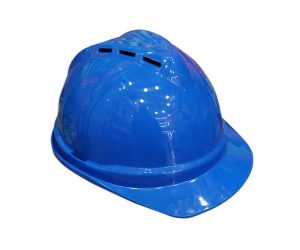
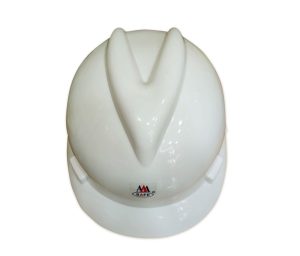
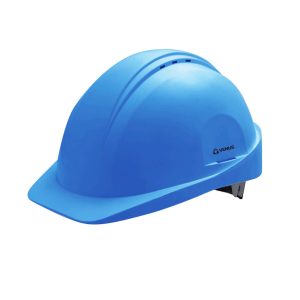
Personal protective equipment violations seem simple but occur constantly across UAE construction sites. Workers without hard hats in mandatory zones, safety footwear replaced with sandals or worn-out boots, missing high-visibility vests during plant movements, and inadequate eye protection during grinding or cutting operations all trigger citations. These violations appear with similar frequency whether in Dubai, Abu Dhabi, or Sharjah.
Fall Protection Gaps
Despite being the most serious hazard, fall protection violations remain common. Guardrails removed for material delivery and not replaced, workers operating at height without harnesses when required, anchor points not load-tested or incorrectly positioned, and safety nets with holes or improper overlap all appear in violation reports.
Housekeeping Deficiencies
Poor housekeeping indicates poor management to inspectors. Walkways blocked by materials or equipment, waste accumulation exceeding reasonable levels, trip hazards from cables, hoses, or debris, and material storage creating falling object hazards all result in citations.
Emergency Preparedness Gaps
Sites often neglect emergency systems until they are needed. Blocked emergency exits or access routes, fire extinguishers missing, discharged, or past inspection dates, no designated assembly points or unclear evacuation routes, and absence of trained first aid responders all constitute violations.
Pre-Inspection Preparation Checklist
Systematic preparation prevents last-minute panic. Use this checklist in the weeks before any scheduled Dubai Municipality safety inspection or as part of ongoing readiness for unannounced visits.
One Month Before
Review all permits and approvals for validity dates. Identify any expiring within 60 days and initiate renewal. Conduct internal documentation audit. Verify all required records exist, are current, and are properly filed. Schedule any overdue equipment inspections or certifications. Commission third-party inspections for scaffolding, lifting equipment, and electrical installations if required.
Two Weeks Before
Conduct full site walkthrough using inspector perspective. Document any deficiencies found and assign correction responsibility. Verify all workers on site have completed required training. Check sign-in records against training database. Review incident records for patterns requiring attention. Address any recurring near-misses or minor injuries.
One Week Before
Complete all identified corrective actions from walkthrough. Verify completion with photographic evidence where appropriate. Organize documentation files for easy access during inspection. Tab critical documents for quick retrieval. Brief supervisors on inspection protocols and their responsibilities. Assign escort duties and question response roles.
Day Before
Final housekeeping sweep of entire site. Remove all unnecessary materials, equipment, and waste. Verify all safety equipment is in position, charged, and current. Walk emergency routes to confirm clear access. Prepare site office for document review. Ensure adequate seating, lighting, and copies of key documents.
Does your team need support preparing for an upcoming Dubai Municipality safety inspection?
AAA Safe Dubai offers pre-inspection audits that identify gaps before inspectors do, serving contractors across Dubai, Abu Dhabi, and Sharjah with practical compliance solutions.
During the Inspection
How you conduct yourself during the inspection matters almost as much as your preparation.
Initial Contact
Greet inspectors professionally and request identification. Verify credentials before providing site access. Assign a knowledgeable escort, typically the site safety officer or project manager. This person should understand site conditions and be able to answer questions directly.
Document Review
Provide requested documents promptly and completely. If a document is unavailable, explain why honestly rather than making excuses. Inspectors appreciate candor more than deflection. Take notes on any concerns raised during document review. These indicate areas likely to receive attention during the physical inspection.
Site Walkthrough
Accompany inspectors throughout their walkthrough without hovering. Answer questions directly and factually. If you do not know an answer, say so and offer to find out. Do not argue with observations. Note any issues identified and ask clarifying questions about expectations if violations are cited.
Closing Discussion
Request clarification on any violations cited. Understand exactly what corrective action is required and the timeline for completion. Ask about follow-up inspection scheduling. Confirm contact information for questions that arise after the inspection.
Responding to Violations
Even well-prepared sites sometimes receive violations. Your response determines whether the issue escalates or resolves quickly. UAE regulatory authorities expect prompt, documented corrective action.
Immediate Actions
Do not dispute violations during the inspection unless there is a clear factual error. Accept the citation and focus on resolution. Secure the hazardous condition immediately if the violation creates imminent danger. Document the violation and corrective actions with photographs and written records.
Corrective Action Planning
Analyze the root cause of each violation. Address the underlying system failure, not just the specific symptom. Assign responsibility for corrective action with clear accountability. Establish realistic completion timelines that meet or beat required deadlines.
Documentation of Corrections
Photograph completed corrective actions from the same angle as violation photos. Update any affected procedures, training, or inspection protocols. File correction documentation for presentation at follow-up inspection.
Follow-Up Inspection Preparation
Prepare a clear presentation of each violation and its resolution. Organize before-and-after documentation for easy comparison. Brief relevant personnel on changes implemented since the original inspection.
Building a Culture of Continuous Compliance
The most effective approach to inspection success is eliminating the concept of “inspection preparation” entirely. When compliance becomes daily practice, inspections become routine confirmations rather than stressful events. This principle applies equally whether you operate in Dubai, Abu Dhabi, or elsewhere in the UAE.
Daily Safety Practices
Start each shift with supervisor walkthroughs identifying and correcting hazards. Conduct toolbox talks addressing current site conditions and planned activities. Enforce PPE requirements consistently, without exceptions for anyone regardless of position. Document everything in real-time rather than reconstructing records later. These practices reflect UAE best practices adopted by leading contractors.
Weekly Reviews
Hold formal safety meetings reviewing incidents, near-misses, and observations. Inspect all safety-critical equipment on scheduled rotations. Audit documentation for completeness and currency. Walk the entire site specifically looking for compliance gaps.
Monthly Assessments
Conduct mock inspections using the same criteria as actual regulatory visits. Whether preparing for Dubai Municipality, Abu Dhabi OSHAD, or other UAE authority inspections, the fundamentals remain consistent. Review and update risk assessments as site conditions change. Verify training records remain current for all personnel. Assess emergency response capabilities through drills.
Compliance Activity Schedule
| Frequency | Activity | Responsibility | Documentation |
|---|---|---|---|
| Daily | Supervisor walkthrough | Site supervisor | Daily report |
| Daily | Toolbox talks | Foremen | Attendance log |
| Weekly | Equipment inspections | Safety officer | Inspection log |
| Weekly | Documentation audit | Site administrator | Audit checklist |
| Monthly | Mock inspection | Project manager | Assessment report |
| Monthly | Emergency drill | Safety officer | Drill report |
| Quarterly | Third-party audit | External consultant | Audit report |
For ongoing compliance support including mock inspections, documentation systems, and training programs, AAA Safe Dubai partners with contractors throughout Dubai, Abu Dhabi, and Sharjah to maintain inspection-ready status year-round.
Cost of Compliance vs. Non-Compliance
Some contractors view safety compliance as an expense to minimize. This perspective ignores the true cost comparison that UAE regulatory enforcement makes clear.
Compliance Investment
Typical compliance costs for a medium-sized construction project in the Emirates include safety officer salary allocation (AED 8,000-15,000 monthly), PPE and safety equipment (AED 500-1,500 per worker annually), training and certification (AED 3,000-8,000 per supervisor annually), documentation systems and administration (AED 2,000-5,000 monthly), and third-party inspections and audits (AED 5,000-15,000 quarterly).
Non-Compliance Costs
Violation penalties start at AED 500 for minor issues but escalate quickly under UAE enforcement practices. Serious violations carry fines of AED 10,000-50,000 each. Work stoppages cost AED 50,000-200,000 or more per day in project delays. Incident costs including medical treatment, investigation, and compensation often exceed AED 100,000 per serious injury under UAE labor law requirements. Reputation damage affects future tender success for years.
Cost Comparison Example
| Scenario | Direct Costs (AED) | Indirect Costs (AED) | Total Impact (AED) |
|---|---|---|---|
| Annual compliance program | 180,000 | Minimal | ~180,000 |
| Single serious violation with work stoppage | 25,000 fine | 150,000 delay costs | ~175,000 |
| Worker injury due to non-compliance | 15,000 fine | 200,000+ compensation and delays | ~215,000+ |
| Multiple violations leading to permit suspension | 50,000 fines | 500,000+ project impact | ~550,000+ |
Costs reflect typical UAE market conditions and vary based on project size and violation severity
The mathematics clearly favor investing in compliance rather than risking the consequences of failure.
Frequently Asked Questions
Inspection frequency varies by project type and stage. Major construction projects typically receive monthly routine inspections during active construction phases. Smaller projects may see inspections quarterly or at specific milestones. However, unannounced inspections can occur at any time, and incident-triggered inspections happen whenever accidents or complaints arise. The key is maintaining constant readiness rather than preparing only for scheduled visits.
Failing an inspection results in violation notices specifying required corrective actions and deadlines. Minor violations typically allow 7-14 days for correction. Serious violations may trigger immediate work stoppages until hazards are addressed. Inspectors return for follow-up verification, and failure to correct violations by deadline results in escalating fines, extended work stoppages, and potential permit revocation. In severe cases, criminal referral is possible.
Yes, Dubai Municipality provides an appeal process for contested violations. You must submit appeals within the specified timeframe, typically 14-30 days from citation. Appeals require documented evidence supporting your position. However, pursuing frivolous appeals damages your relationship with regulatory authorities. Only appeal when you have clear factual basis for the dispute.
Dubai Municipality requires construction sites above certain thresholds to employ qualified safety officers. Required qualifications typically include NEBOSH, IOSH, or equivalent certification, minimum 3-5 years construction safety experience, familiarity with UAE codes and regulations, and Arabic or English language proficiency. Specific requirements vary by project size and type. Verify current requirements with Dubai Municipality for your project classification.
Multilingual safety communication is essential on UAE construction sites. Provide safety inductions and training in workers’ native languages. Use visual signage with internationally recognized symbols. Employ supervisors who speak workers’ languages for daily safety communication. Conduct toolbox talks with translation support. Dubai Municipality expects effective communication regardless of language barriers.
Based on experience across Dubai construction projects, the most frequent failure causes include expired documentation and permits, incomplete or missing training records, fall protection gaps at working heights, poor housekeeping and blocked access routes, and fire safety deficiencies. These issues share a common root cause of treating compliance as periodic rather than continuous.
Main contractors bear primary responsibility for site safety including subcontractor compliance. However, subcontractors should maintain their own training records for their workers, equipment inspection logs for their plant and tools, insurance and licensing documentation, and method statements for their specific activities. Main contractor safety plans should address subcontractor coordination and oversight.
Routine inspections may provide several days to a week of notice, though specific timing often remains uncertain until shortly before. Unannounced inspections provide no notice by definition. Incident-triggered inspections typically occur within 24-48 hours of report. The practical answer is that you cannot rely on advance notice, making continuous readiness essential.
During the inspection, note your disagreement but do not argue. Accept the citation professionally. After the inspection, review the specific regulation or code cited. If you believe the inspector misapplied the requirement, gather documentation supporting your position and contact Dubai Municipality through official channels. Maintaining professional relationships with inspectors serves your long-term interests better than confrontation.
Monitor Dubai Municipality’s official website and publications for regulatory updates. Join industry associations that distribute compliance alerts. Engage qualified consultants who track regulatory changes professionally. Attend training sessions offered by regulatory authorities. Building relationships with Dubai Municipality staff during inspections also provides informal channels for learning about upcoming changes.
Important Notice
This information provides general guidance on preparing for Dubai Municipality safety inspections and should not be considered a substitute for professional consultation or legal advice. Specific requirements vary based on project type, location, and current regulations.
Construction operations in Dubai must comply with Dubai Municipality building regulations, UAE Federal Decree Law No. 33 of 2021 on labor relations, Civil Defense requirements, and all applicable local and federal codes. Requirements change periodically, and contractors must verify current compliance obligations with relevant authorities.
Safety management systems should be developed by qualified professionals familiar with UAE construction requirements and Dubai Municipality expectations. Improper preparation can result in failed inspections, penalties, and project delays.
For professional consultation on Dubai Municipality safety inspection preparation, contact qualified safety consultants with demonstrated experience in UAE construction compliance.
Moving Forward
The contractors who consistently pass their Dubai Municipality safety inspection visits share common traits. They view compliance as operational discipline rather than bureaucratic burden. They invest in systems that maintain readiness continuously. They train their teams to recognize and correct hazards before inspectors arrive. They document everything in real-time rather than recreating records under pressure.
Your next inspection does not have to be stressful. Start today by honestly assessing your current state against the requirements outlined in this guide. Identify gaps. Assign responsibility for corrections. Build the daily practices that make compliance automatic. The investment pays dividends not just in passing inspections but in protecting your workers, your project, and your reputation.
The choice is straightforward. You can prepare proactively and pass confidently, or you can gamble on luck and face the consequences when it runs out. The contractors building Dubai’s future choose preparation every time.