
Safety equipment supply chain managers worldwide have seen unprecedented demand for respiratory protection in recent years. In the United Arab Emirates, each person is expected to use approximately 2.62 face masks in 2025. The global N95 medical protective masks market is calculated at USD 3.86 billion in 2025 and is forecasted to reach around USD 8.25 billion by 2034, growing at a CAGR of 8.8%. With such significant market growth, understanding the differences between mask types is crucial for making informed decisions when purchasing safety equipment.
This comprehensive guide explores the key differences between N95 masks and surgical masks, their specific applications, and how to choose the right option from your safety equipment supply provider in the UAE.
What Are the Key Differences Between N95 Masks and Surgical Masks in Safety Equipment Supply?
Let’s start simple. Not all masks in your safety equipment inventory serve the same purpose. The fundamental differences between N95 respirators and surgical masks lie in their design, fit, and intended use.
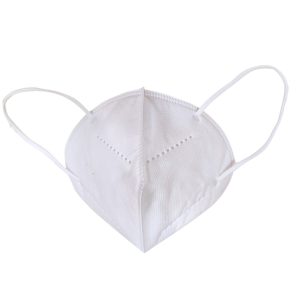
N95 respirators are respiratory protective devices designed to achieve a very close facial fit and efficient filtration of airborne particles. The edges of an N95 respirator are specifically designed to form a seal around the nose and mouth. This seal is critical to their function.
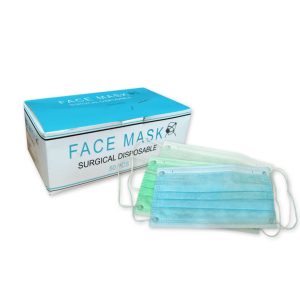
Surgical masks, by contrast, are loose-fitting, disposable devices that create a physical barrier between the mouth and nose of the wearer and potential contaminants in the immediate environment. Unlike N95 respirators, surgical masks are not designed to form a seal around the nose and mouth.
This fundamental difference in design affects their protective capabilities significantly:
| Feature | N95 Respirators | Surgical Masks |
|---|---|---|
| Fit | Tight-fitting with facial seal | Loose-fitting with no seal |
| Filtration Efficiency | Filters at least 95% of airborne particles | Variable filtration of large droplets |
| Direction of Protection | Two-way protection | Primarily one-way protection |
| Primary Purpose | Protect the wearer | Protect others from the wearer |
| Regulatory Approval (US) | NIOSH-approved | FDA-cleared |
| Equivalent Standards | FFP2 (Europe), KN95 (China) | Medical standards vary by country |
Why Does Choosing the Right Safety Equipment Supply Matter for Respiratory Protection?
Making the right choice in respiratory safety equipment can have significant implications. The effectiveness of a mask depends largely on selecting the appropriate type for specific situations.
For healthcare workers, this choice can be critical. Studies have shown that N95 respirators provide superior protection against small airborne particles compared to surgical masks. This is particularly important in settings where aerosol-generating procedures are performed.
But is an N95 always necessary? Not always. Many routine healthcare tasks are adequately protected with surgical masks, which provide sufficient barrier protection against large droplets and splashes. Considering the higher cost and potential discomfort of N95 respirators, surgical masks may be more cost-effective for many scenarios.
Here’s why understanding your safety equipment supply options matters:
- Appropriate protection level for specific hazards
- Cost-effectiveness in large-scale deployments
- Comfort and compliance for extended wear
- Availability and supply chain considerations
- Environmental impact of disposable protective equipment
In the UAE, where the N95 mask market is expected to reach 38.90 USD Million by 2032, growing at a CAGR of 6.77% from 2025, organizations must make informed decisions about their safety equipment investments to ensure both protection and sustainability.
The right choice depends on several factors: the nature of the hazard, duration of exposure, comfort requirements, and budget constraints. Understanding these factors helps optimize your safety equipment supply strategy.
How Are N95 Masks Different in Design and Function from Surgical Masks?
N95 respirators represent a specialized category in safety equipment supply. Their design focuses on creating an effective seal around the face and filtering very small particles. But what exactly makes them different from standard masks?
First, N95 respirators undergo rigorous testing and certification. In the United States, they must be approved by NIOSH and meet specific filtration efficiency standards. This certification ensures they filter at least 95% of particles as small as 0.3 microns-considered the most penetrating particle size.
The materials used in N95 respirators are specifically engineered for high filtration capacity. Most use multiple layers of non-woven polypropylene fabric, including a layer of melt-blown fabric that creates an electrostatic charge. This charge helps trap particles as they pass through the filter media.
Another critical design element is the tight facial seal. N95 respirators typically feature:
- Adjustable nose pieces to create a custom fit
- Elastic head straps that go around the head (rather than ear loops)
- Thick sealing edges that conform to facial contours
- Different sizes to accommodate various face shapes
For an N95 respirator to work effectively, fit testing is essential. This process ensures the respirator creates a proper seal on the wearer’s face. Without a proper seal, air can leak around the edges, compromising protection.
Did you know that facial hair can prevent a proper seal with an N95 respirator? This is why many healthcare facilities require workers to be clean-shaven when wearing these devices.
When sourced from reputable safety equipment suppliers, N95 respirators provide significant protection in high-risk environments. However, they do have limitations:
- They can cause discomfort with prolonged use
- They increase breathing resistance
- They may contribute to heat stress during extended wear
- They require proper donning and doffing techniques
- They are generally more expensive than surgical masks
In the UAE safety equipment market, several certified N95 options are available, including models with exhalation valves for improved comfort in non-sterile environments.
What Makes Surgical Masks a Standard Safety Equipment Supply in Healthcare Settings?
Surgical masks have been a cornerstone of healthcare safety equipment for decades. Their primary function is fundamentally different from N95 respirators, which affects their design and applications.
Surgical masks are designed to help prevent contamination of the surgical field and protect the patient from the healthcare provider’s respiratory emissions. They create a physical barrier that blocks large droplets, splashes, and sprays that may contain bacteria or viruses.
The typical construction of a surgical mask includes:
- Three-layer design (outer fluid-resistant layer, middle filtration layer, inner absorbent layer)
- Pleated or cup design to increase surface area
- Flexible nose piece for adjustment
- Ear loops or ties for securing to the face
- Fluid-resistant outer surface
In the safety equipment industry, surgical masks are often rated based on their fluid resistance, bacterial filtration efficiency (BFE), particle filtration efficiency (PFE), and breathability. Medical-grade masks must meet specific standards to be used in healthcare settings.
Is a surgical mask sufficient for everyday use? For many situations, yes. Surgical masks are effective at capturing large respiratory droplets, which is the primary mode of transmission for many infectious diseases. They’re also more comfortable for extended wear and generally less expensive than N95 respirators.
However, their loose fit means they don’t protect against smaller airborne particles that can leak around the edges. This is why they’re not recommended for protection against airborne pathogens in high-risk settings.
In the UAE safety equipment supply context, surgical masks remain in high demand across healthcare settings, food service industries, and for general public use during periods of increased respiratory illness.
How to Choose the Right Mask from Your Safety Equipment Supply Provider in the UAE?
The UAE market offers a wide range of respiratory protection options through various safety equipment supply channels. But how do you determine which mask is right for your specific needs?
Start with risk assessment. Consider the nature of the hazard, exposure level, duration of use, and regulatory requirements for your specific setting. Different industries and activities require different levels of protection.
For healthcare settings in the UAE, following Ministry of Health and Prevention (MoHAP) guidelines is essential. These guidelines typically align with international standards but may have additional requirements specific to the region.
When selecting a safety equipment supply partner in the UAE, consider these factors:
- Certification and compliance with international standards (NIOSH, FDA, CE, etc.)
- UAE regulatory approval and import permits
- Supply chain reliability and stock availability
- Quality control measures and product consistency
- Cost and volume considerations
- After-sales support and technical guidance
Are all N95 masks the same? No, they vary significantly in design, materials, and features. Some have exhalation valves to reduce breathing resistance and heat build-up, while others are specifically designed for healthcare settings with fluid resistance properties.
For surgical masks, look for:
- ASTM level appropriate for your application
- Comfort features for extended wear
- Proper fit options for different face shapes
- Environmental considerations (recyclable or biodegradable options)
The UAE safety equipment market has seen significant growth, with particular attention to high-quality respiratory protection. Major international brands as well as regional manufacturers now offer extensive product lines tailored to the Middle Eastern market.
Have you considered the storage and shelf life of your respiratory protection supply? Proper storage in clean, temperature-controlled environments can extend the life of your safety equipment and maintain its effectiveness.
What Does the Future Hold for Safety Equipment Supply in Respiratory Protection?
The safety equipment industry is evolving rapidly, with several trends shaping the future of respiratory protection. Understanding these trends can help organizations prepare for changing needs and technologies.
Sustainability is becoming increasingly important. The environmental impact of billions of disposable masks has prompted development of eco-friendly alternatives. Biodegradable materials, reusable designs, and recycling programs are emerging as solutions within the safety equipment supply chain.
Smart technology integration is another significant trend. Next-generation masks may include:
- Sensors to monitor breathing patterns and air quality
- Indicators for filter replacement timing
- Bluetooth connectivity for health monitoring
- Self-sterilizing materials and antimicrobial coatings
- Enhanced communication features for professionals wearing masks
The UAE safety equipment market is positioned for substantial growth, with the N95 mask market expected to reach 38.90 USD Million by 2032. This growth reflects increased awareness of respiratory hazards and a commitment to workplace safety across industries.
Customization and comfort improvements are also driving innovation. As organizations recognize the importance of user compliance, safety equipment manufacturers are developing:
- Lightweight materials for extended comfort
- Custom-fit options using advanced technology
- Transparent or clear panel designs for improved communication
- Improved breathability without sacrificing protection
- Adaptable designs for various face shapes and sizes
Will masks become a permanent part of our safety equipment inventory? In many industries, especially healthcare and manufacturing, respiratory protection was standard even before recent global health events. However, increased awareness of airborne hazards has expanded their use across sectors previously not prioritizing respiratory protection.
In the UAE specifically, factors such as occasional dust storms, construction activity, and a proactive approach to public health suggest that respiratory protection will remain an essential component of safety equipment planning.
Frequently Asked Questions About Masks in Safety Equipment Supply
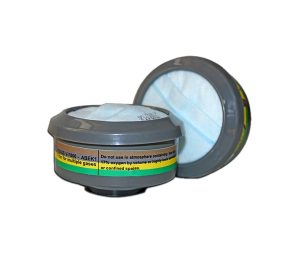
Standard disposable N95 respirators are designed for limited reuse. Under normal circumstances, they should be disposed of after each patient encounter or when they become damaged or soiled. However, during supply shortages, certain models can be reused following specific decontamination protocols approved by regulatory authorities. For regular safety equipment planning, it’s best to consider N95 respirators as single-use items. Reusable elastomeric respirators are available as an alternative for long-term use with replaceable filters.
Surgical masks should be replaced when they become wet, soiled, or damaged, or after prolonged use. In healthcare settings, they are typically changed between patient encounters. For general use, they should be replaced at least daily. The effectiveness of a surgical mask decreases with moisture accumulation from breathing, which usually occurs within 3-4 hours of continuous use. Healthcare facilities should maintain sufficient safety equipment inventory to allow for appropriate replacement schedules.
Yes, properly fitted N95 respirators from reputable safety equipment suppliers can filter out at least 95% of very small (0.3 micron) particles, including viruses. Studies have shown that N95 respirators provide better protection against COVID-19 infection compared to surgical masks. However, they must be properly fitted and worn correctly to be effective. In healthcare settings treating confirmed cases, N95 respirators are recommended as part of appropriate safety equipment planning.
For safety equipment in the UAE, look for international certifications like NIOSH approval for N95 respirators, FDA clearance for surgical masks, or equivalent standards like EN 149:2001 (FFP2) for European respirators. The Emirates Authority for Standardization and Metrology (ESMA) may require additional conformity assessment for imported products. Reliable safety equipment suppliers should provide documentation verifying that their products meet these standards. For N95 equivalents, KN95 masks (China) and FFP2 masks (Europe) are generally accepted in the UAE if they meet their respective country’s certification requirements.
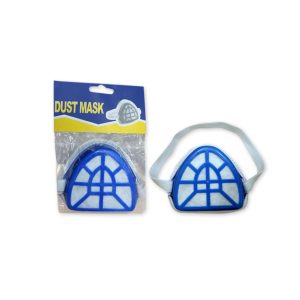
Yes, different industries in the UAE have specific respiratory protection requirements. Construction and manufacturing may need respirators that protect against dust and particulates, while healthcare requires medical-grade protection. The oil and gas industry often requires respirators with protection against both particulates and chemical vapors. Safety equipment planning should consider these industry-specific needs, as well as UAE labor regulations and occupational health standards. The harsh climate conditions in the UAE, including high temperatures and occasional dust storms, may also influence the type of respiratory protection needed for outdoor workers.
Conclusion
Safety equipment decisions regarding respiratory protection require careful consideration of many factors. The choice between N95 respirators and surgical masks depends on the specific application, risk level, comfort requirements, and budget constraints.
N95 respirators offer superior filtration and a sealed fit, making them ideal for high-risk environments where airborne particulates pose a significant hazard. Their ability to filter at least 95% of tiny particles provides substantial protection for the wearer.
Surgical masks excel in providing barrier protection against large droplets and splashes while being more comfortable for extended wear. They’re well-suited for routine healthcare procedures and general public use where maintaining respiratory hygiene is the primary concern.
In the UAE, where the respiratory protection market continues to grow steadily, organizations should partner with reputable safety equipment suppliers who can provide certified products appropriate for their specific needs. As technology advances, we can expect innovations that enhance both protection and comfort, making respiratory safety more effective and sustainable.
Understanding these key differences enables better decision-making in safety equipment planning, ensuring appropriate protection while optimizing resources in an increasingly health-conscious world.