Description
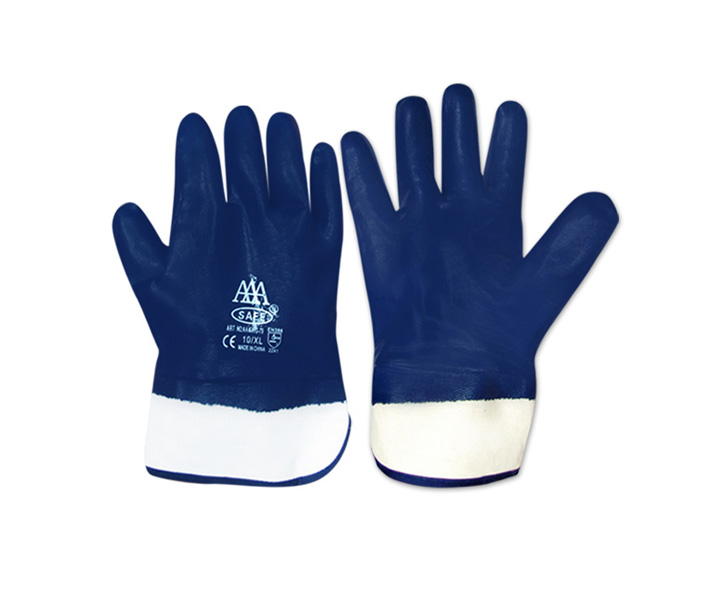
The AAA Safe Nitrile Coated Safety Gloves – Chemical Gloves HG-79 – are engineered for workers who require reliable mechanical and chemical resistance, secure grip, and all-day comfort. The full palm and finger nitrile coating delivers robust protection against abrasion, puncture, tear, and oils, while the cotton lining keeps hands cool and comfortable during long shifts in industrial, construction, automotive maintenance, metal fabrication, and general industrial tasks.
Key Features:
- High-Quality Nitrile Coating over soft cotton lining for optimal protection and comfort
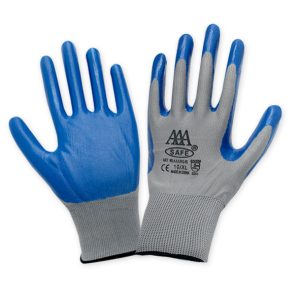
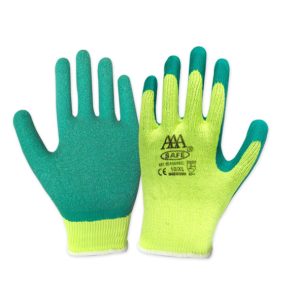
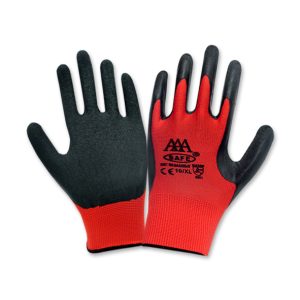
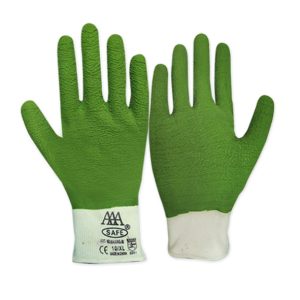
- Deep Blue Nitrile Palm & Fingers with white safety cuff for a professional look and easy identification
- Full Palm and Finger Coating offers excellent resistance to abrasions, punctures, and oils
- Textured Grip Surface ensures a secure grip in wet, oily, or dry conditions
- Ergonomic Fit reduces hand fatigue and supports better dexterity during precision tasks
- Safety Cuff Design for added wrist protection and quick glove removal
- Breathable Cotton Lining keeps hands cooler and more comfortable during extended use
- Washable and Reusable for cost-effective hand protection
- CE Certified & EN 388 Rated – tested for abrasion, cut, tear, and puncture resistance
- Ideal Chemical Gloves for handling oily or greasy components and industrial chemicals (check compatibility)
- Jersey Liner: This is a fabric liner typically made from cotton or synthetic fibers. It provides comfort during extended wear by absorbing moisture.
- Blue Nitrile: Nitrile offers good chemical resistance to a range of chemicals, oils, and greases. The specific chemicals and the level of resistance will depend on the exact nitrile formulation used.
Technical Build
These nitrile coated gloves use a soft cotton lining as the inner layer, providing cushioning and breathability. Over this liner, a deep blue nitrile coating covers the entire palm and fingers, forming a robust barrier against mechanical risks and oils. The textured nitrile surface enhances grip on smooth, slippery, or oily materials.
The white safety cuff adds wrist protection and allows quick removal when needed, making these gloves particularly suitable as industrial chemical gloves and oil-resistant work gloves in high-risk environments.
Protection, Grip & Comfort Advantage
- Protection: Nitrile offers superior resistance to many oils, greases, and mechanical hazards compared to standard rubber or PVC gloves.
- Grip: The textured surface ensures a reliable grip on tools, parts, and oily components, reducing the risk of slips and accidents.
- Comfort: The ergonomic shape and cotton lining help reduce hand fatigue, making these gloves ideal for extended industrial shifts.
Typical Use-Case Scenarios
- Construction & Building Work: handling metal, concrete, tools, and hardware
- Automotive Repair & Maintenance: contact with oils, greases, solvents, and mechanical parts
- Metal Fabrication & Assembly: sharp or rough metal components, oily parts, and assembly operations
- Handling Oily or Greasy Components: machine parts, bearings, chains, and equipment maintenance
- General Industrial Tasks: workshop operations, maintenance, loading/unloading, and plant work
Ideal Applications
These gloves could be suitable for various tasks requiring:
- Construction and civil engineering projects
- Automotive repair shops and garages
- Metal fabrication, welding prep, and assembly lines
- Industrial maintenance in oily and greasy environments
- Handling oily machine components and parts
- General industrial and mechanical workshop tasks
- Chemical Handling: Tasks involving exposure to a range of chemicals where nitrile offers suitable protection (depending on the specific chemicals). Always consult a chemical resistance chart.
- Comfort: The jersey liner can make these gloves more comfortable for extended wear compared to gloves without a liner.
It’s important to prioritize safety and consult a safety officer or refer to the manufacturer’s specifications to get details on the nitrile compound used, its chemical resistance properties, and any certifications (e.g., EN 374 for chemical resistance).
Benefits at a Glance
- Nitrile coating resists oils, abrasions, and punctures for tough industrial jobs
- Textured grip enhances control in wet or oily conditions
- Ergonomic fit and cotton lining reduce hand fatigue for all-day wear
- Safety cuff adds wrist protection and enables fast removal
- Washable and reusable, offering long-lasting, cost-effective protection
- CE Certified and EN 388 rated, suitable for professional industrial safety programs
FAQ
Q: Are these nitrile coated safety gloves chemical resistant?
A: Yes. The nitrile coating provides good resistance to oils, greases, and many industrial chemicals, making them suitable as chemical gloves for many applications. Always verify compatibility for specific chemicals and concentrations.
Q: What size are the chemical gloves HG-79?
A: This model is supplied in Size 10 / XL, suitable for larger hand sizes commonly found in industrial, construction, and mechanical workforces.
Q: Can these nitrile gloves be reused and washed?
A: Yes. The gloves are washable and reusable, providing cost-effective hand protection. Allow them to air dry after cleaning to maintain performance.
Q: What EN 388 performance do these gloves have?
A: They are EN 388 rated, meaning they have been tested for abrasion, cut, tear, and puncture resistance, making them suitable for tough industrial environments.
Q: Are these gloves suitable for handling oily and greasy components?
A: Absolutely. The deep blue nitrile coating is oil-resistant, and the textured surface provides a secure grip on oily or greasy parts, ideal for automotive and maintenance work.
Q: Are they comfortable for full-day industrial use?
A: Yes. The soft cotton lining, ergonomic shape, and breathable interior help reduce hand fatigue, making them suitable for extended shifts.
Q: What types of work are these nitrile safety gloves best suited for?
A: They are ideal for construction, automotive maintenance, metal fabrication and assembly, handling oily components, and general industrial tasks where chemical resistance, oil resistance, and mechanical protection are required.