You know that moment when a workplace accident happens, and you realize the company’s entire approach to safety documentation was inadequate? That’s when understanding employer liability for workplace injuries becomes more than just legal compliance – it becomes the difference between a manageable insurance claim or a devastating lawsuit that threatens your entire business.
I’ve worked with companies across the UAE for years, and honestly, the businesses that assume workers’ compensation insurance absolves them of all responsibility are the ones facing catastrophic liability claims. Employer liability for workplace injuries isn’t just about having insurance – it’s about understanding that employers can still face personal liability, criminal charges, and business-ending penalties when safety obligations are ignored.
Look, workplace injuries will happen in any industry. But what separates protected businesses from those facing massive liability is understanding exactly where employer responsibility begins and ends under UAE law. The UAE’s legal framework creates specific obligations that, when violated, expose employers to liability far beyond standard insurance coverage.
This guide walks you through everything involved in understanding workplace injury liability, specifically tailored to UAE legal requirements where employer obligations extend further than many international businesses expect.
UAE Legal Framework Governing Workplace Injuries
Workplace injury liability starts with the comprehensive legal framework that governs safety and injury compensation in the UAE.
Federal Decree Law No. 33 of 2021
The UAE Federal Decree Law No. 33 of 2021 on the Regulation of Labour Relations establishes the foundation for workplace safety requirements and employer obligations. This law replaced the previous Federal Law No. 8 of 1980, introducing enhanced worker protections and more stringent employer responsibilities.
Under Article 13, employers must provide a safe working environment, implement necessary safety measures, and supply appropriate protective equipment. Failure to meet these obligations creates direct liability when injuries occur as a result of these deficiencies.
Article 33 addresses workplace injury compensation, establishing that employers bear financial responsibility for workplace injuries regardless of fault in many circumstances. This strict liability approach differs significantly from systems requiring proof of employer negligence.
UAE Penal Code Implications
The UAE Penal Code establishes criminal liability for workplace deaths and serious injuries resulting from employer negligence. When workplace fatalities occur due to safety violations, employers can face criminal charges including involuntary manslaughter.
Criminal liability extends beyond the corporate entity to individual managers and safety officers who held responsibility for implementing safety measures. This personal liability creates serious consequences for executives who delegate safety responsibilities without ensuring proper implementation.
Civil Liability Under UAE Civil Code
The UAE Civil Code establishes tort liability principles applying to workplace injuries. Under Article 282, any person causing harm to another through unlawful action must compensate the victim. This broad liability framework enables injured workers to pursue claims beyond workers’ compensation when employer negligence contributed to injuries.
Civil liability claims can seek damages for pain and suffering, permanent disability, loss of earning capacity, and other non-economic damages not covered by standard workers’ compensation. These claims often result in substantially higher compensation than insurance provides.
Industry-Specific Regulations
Different industries face additional regulatory requirements creating specific liability exposures. Construction operations must comply with Dubai Municipality safety regulations and Abu Dhabi OSHAD standards. Oil and gas facilities face stringent safety requirements from regulatory authorities. Healthcare operations must meet Ministry of Health standards.
Violations of industry-specific regulations create presumptions of negligence in liability proceedings. Courts view regulatory compliance as minimum standards, and violations significantly strengthen worker injury claims.
Understanding workplace injury liability requires recognizing that UAE law creates multiple liability pathways – administrative, civil, and criminal – each with different standards and consequences.
Types of Employer Liability for Workplace Injuries
Employer liability for workplace injuries encompasses several distinct legal theories, each creating different obligations and potential consequences.
Strict Liability Under Labor Law
UAE labor law establishes strict liability for workplace injuries occurring during employment. Under this framework, employers must compensate workers for injuries sustained while performing work duties regardless of who caused the accident.
This strict liability approach means workers need not prove employer negligence or fault. The mere fact that an injury occurred during work creates employer liability for medical costs, disability compensation, and other statutory benefits.
Strict liability cannot be waived through contract provisions. Employment agreements attempting to limit employer liability for workplace injuries are void and unenforceable under UAE law.
Negligence-Based Liability
Beyond strict liability for basic compensation, employers face additional liability when negligence contributes to injuries. Negligence occurs when employers fail to implement reasonable safety measures that would have prevented injuries.
Common negligence scenarios include failing to provide required safety equipment, inadequate worker training, ignoring known hazards, violating safety regulations, and failing to maintain equipment properly. Each creates potential liability beyond standard workers’ compensation.
Proving negligence requires demonstrating that the employer owed a duty of care, breached that duty, and that the breach caused the injury. In workplace injury cases, establishing the duty of care is straightforward – UAE law explicitly requires employers to maintain safe workplaces.
Vicarious Liability
Employers bear vicarious liability for injuries caused by employee actions during work performance. If one worker’s negligence injures another worker, the employer faces liability for both workers’ claims.
This vicarious liability extends to injuries caused by supervisors, subcontractors under employer control, and other agents acting within their employment scope. Companies cannot avoid liability by claiming independent contractor status for workers they effectively control.
Vicarious liability creates particular exposure in construction and manufacturing where worker actions frequently create hazards for others. Proper supervision, training, and safety protocols help limit this exposure but cannot eliminate it entirely.
Product and Equipment Liability
When defective equipment or products cause workplace injuries, employers may face liability as the party responsible for providing safe tools and equipment. Even when manufacturers bear primary responsibility for defective products, employers face liability for continuing to use equipment after becoming aware of defects.
Employers must maintain equipment properly, inspect for defects, remove dangerous equipment from service, and provide proper training on equipment use. Failures in any of these areas create liability when equipment-related injuries occur.
Premises Liability
Employers maintain premises liability for injuries occurring on property they own or control. This includes ensuring safe walking surfaces, adequate lighting, proper signage, protection from environmental hazards, and maintenance preventing structural failures.
Premises liability extends to injuries affecting not just employees but also visitors, contractors, and delivery personnel on employer property. The duty of care owed varies based on the visitor’s status, with employees receiving the highest protection.
Need expert guidance on managing employer liability for workplace injuries in your UAE operations?
AAA Safe Dubai specializes in helping companies across Dubai, Abu Dhabi, and Sharjah implement comprehensive safety programs that minimize liability exposure while ensuring full regulatory compliance.
Employer Obligations Creating Liability Exposure
Specific employer duties under UAE law create liability exposure when violated. Understanding these obligations is essential for managing workplace injury liability.
Duty to Provide Safe Working Environment
Employers must maintain workplaces free from recognized hazards likely to cause death or serious harm. This fundamental obligation requires continuous hazard assessment, implementation of appropriate controls, and verification that safety measures remain effective.
The safe working environment duty extends beyond obvious hazards to include ergonomic risks, psychological hazards, and conditions that may cause long-term health problems rather than immediate injuries. Employers who address only acute injury risks while ignoring cumulative trauma conditions face liability as these problems develop.
Duty to Provide Safety Equipment
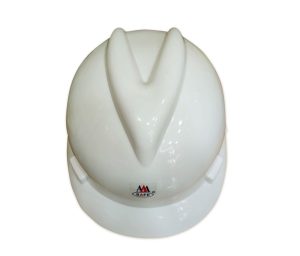
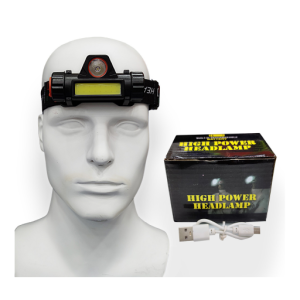
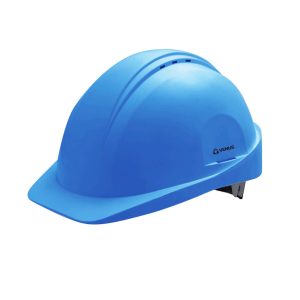
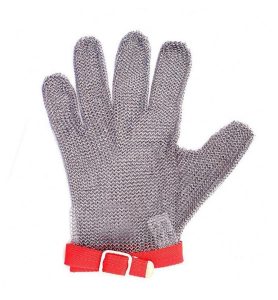
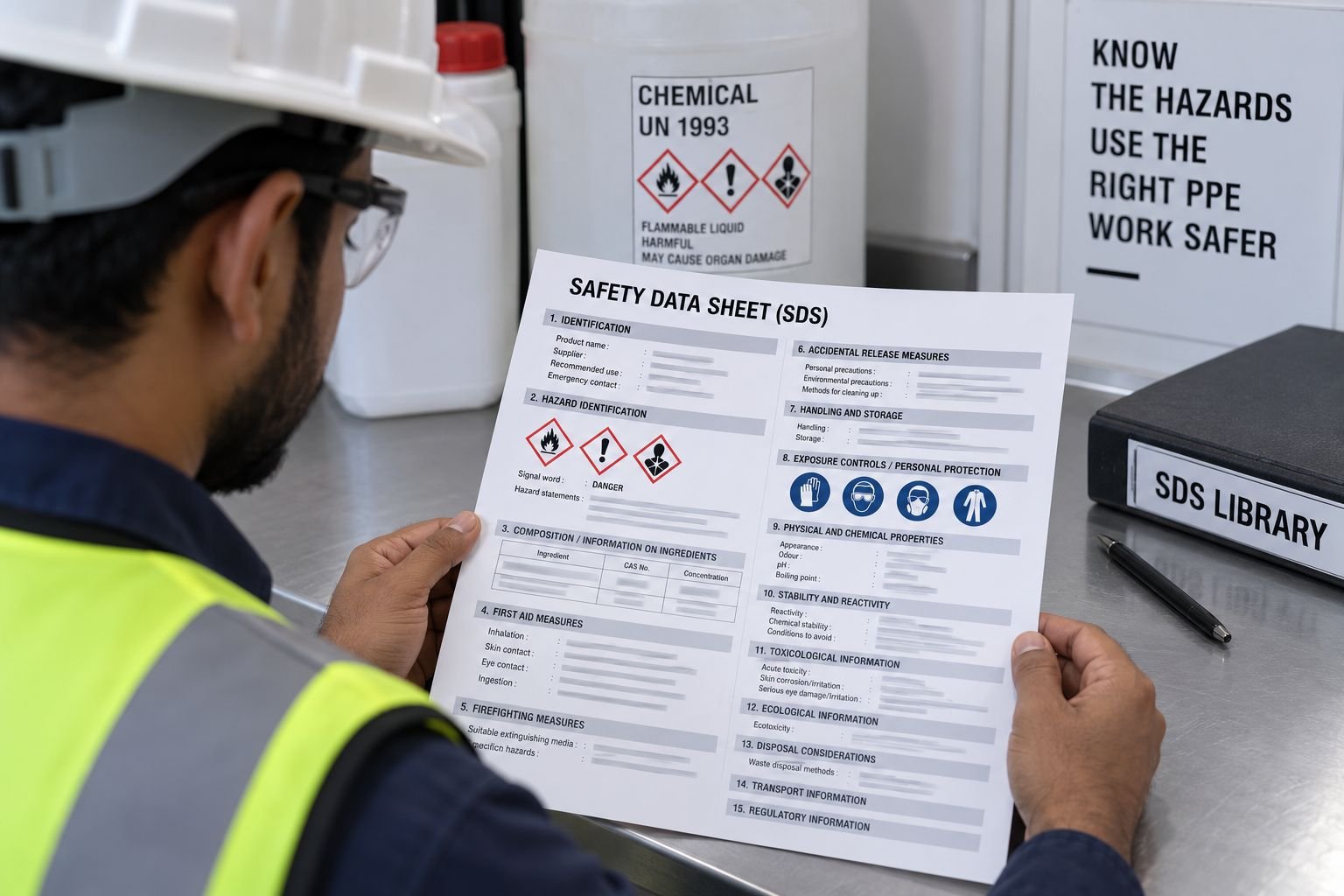
Employers must provide appropriate personal protective equipment at no cost to workers. This includes hard hats, safety glasses, respirators, gloves, safety footwear, fall protection equipment, and any other protective equipment necessary for specific job hazards.
Providing equipment alone is insufficient. Employers must ensure equipment meets appropriate safety standards, fits workers properly, remains in good condition, and is actually used when required. Failures in any of these areas create liability exposure.
Duty to Train Workers
Comprehensive safety training is mandatory before workers begin hazardous tasks. Training must cover specific job hazards, proper equipment use, emergency procedures, and worker rights under safety regulations.
Training documentation provides critical liability protection. When injuries occur, employers must demonstrate that injured workers received appropriate training. Inadequate documentation creates presumptions that training was insufficient, strengthening liability claims.
Duty to Supervise Work Activities
Employers must maintain adequate supervision ensuring safe work practices. This includes having qualified supervisors present during hazardous operations, monitoring for safety violations, correcting unsafe conditions immediately, and enforcing safety requirements consistently.
Supervision failures frequently contribute to workplace injuries. When investigations reveal that supervisors were absent, inadequately trained, or aware of violations but took no action, employer liability becomes nearly certain.
Duty to Maintain Equipment
Regular equipment inspection and maintenance prevents many workplace injuries. Employers must establish maintenance schedules, document all maintenance activities, repair or remove defective equipment, and train workers on equipment inspection procedures.
Equipment maintenance records become critical evidence in liability proceedings. Inadequate maintenance documentation suggests neglect, while comprehensive records demonstrate the employer exercised reasonable care.
Duty to Investigate and Correct Hazards
When hazards are identified through inspections, near-miss incidents, or worker reports, employers must investigate promptly and implement corrections. Allowing known hazards to persist creates significant liability exposure.
The duty to investigate extends to near-miss incidents that caused no injuries but revealed hazards. Employers who ignore near-misses because “no one got hurt” face substantial liability when those same hazards eventually cause injuries.
Duty to Report Injuries and Maintain Records
UAE regulations require reporting serious workplace injuries to relevant authorities. Failure to report creates additional violations beyond those that caused the original injury.
Comprehensive injury records enable pattern identification and prevention. Inadequate record-keeping suggests indifference to safety, a factor that substantially increases liability awards when injuries occur.
Workers' Compensation vs. Employer Liability Claims
Understanding the relationship between workers’ compensation and employer liability for workplace injuries is essential for managing legal exposure.
Workers' Compensation Framework in UAE
UAE workers’ compensation operates through a combination of employer liability insurance and statutory benefits. Employers must maintain insurance covering medical treatment, temporary disability benefits, permanent disability compensation, and death benefits for workplace injuries.
Workers’ compensation provides benefits regardless of fault, enabling rapid compensation without requiring workers to prove employer negligence. This no-fault system benefits both workers and employers by providing certainty and avoiding lengthy litigation in most cases.
Exclusive Remedy Doctrine
In many jurisdictions, workers’ compensation serves as the exclusive remedy for workplace injuries, barring additional lawsuits against employers. However, UAE law allows workers to pursue additional civil claims when employer gross negligence, intentional conduct, or criminal violations contributed to injuries.
This limited exclusive remedy protection means employers cannot simply rely on insurance to eliminate liability exposure. When serious safety violations occur, workers can pursue claims seeking damages far exceeding workers’ compensation benefits.
When Workers Can Sue Employers
Workers can pursue civil claims against employers beyond workers’ compensation when injuries result from employer intentional acts causing harm, gross negligence creating extreme risks, criminal safety violations, violations of specific labor law provisions, or fraud or misrepresentation about workplace hazards.
These exceptions create significant liability exposure because civil claims can seek full compensation for pain and suffering, emotional distress, loss of future earning capacity, and punitive damages in extreme cases. Awards in civil cases often exceed workers’ compensation benefits by factors of five to ten times.
Third-Party Liability Claims
When workplace injuries involve equipment manufacturers, subcontractors, or other third parties, injured workers can pursue claims against these parties without restrictions. However, employers may face contribution claims from third parties who argue the employer’s negligence contributed to injuries.
These contribution claims can result in employers bearing substantial portions of liability awards even when other parties were directly responsible for injuries. Proper safety management and documentation help defend against contribution claims.
Insurance Coverage Limitations
Standard workers’ compensation insurance excludes certain types of liability including intentional acts, criminal violations, gross negligence in some policies, and exposures created by failure to maintain required insurance. When these exclusions apply, employers bear personal liability for full claim amounts.
Insurance policy terms vary significantly. Employers must understand exactly what coverage their policies provide and what exposures remain uninsured. Many companies discover coverage gaps only after incidents occur.
Criminal Liability for Workplace Deaths and Injuries
Employer liability for workplace injuries extends beyond civil compensation to potential criminal charges when serious violations occur.
When Criminal Charges Apply
UAE authorities pursue criminal charges against employers and managers when workplace deaths or serious injuries result from clear safety violations, knowing disregard of hazards, repeated violations after warnings, or failure to implement legally required safety measures.
Criminal charges most commonly arise in construction accidents involving fall deaths, confined space fatalities, equipment accidents killing or severely injuring workers, and incidents where regulatory violations directly caused deaths. These cases attract public attention and regulatory scrutiny, making criminal prosecution more likely.
Personal Liability of Managers and Directors
Criminal liability extends beyond companies to individual executives, safety managers, site supervisors, and project managers who held responsibility for safety. UAE law recognizes that safety obligations cannot be delegated away from accountability.
This personal criminal liability creates serious consequences for individuals who may face imprisonment, substantial fines, deportation for expatriates, and permanent criminal records affecting future employment. The threat of personal liability should motivate executives to take safety obligations seriously rather than treating them as mere compliance exercises.
Potential Criminal Penalties
Criminal penalties for workplace safety violations causing deaths or serious injuries include imprisonment terms ranging from months to years depending on violation severity, fines up to AED 1,000,000 or more in serious cases, deportation and entry bans for expatriate defendants, and suspension or revocation of business licenses.
These penalties apply in addition to civil liability for compensation. A manager might simultaneously face criminal prosecution, civil liability for damages, and administrative penalties from regulatory authorities.
Defenses to Criminal Liability
Criminal liability defenses in workplace injury cases are limited but include demonstrating compliance with all applicable safety regulations, proving injuries resulted from unforeseeable circumstances beyond employer control, showing that workers violated safety rules despite proper training and enforcement, or establishing that the incident resulted from intentional worker misconduct.
These defenses require comprehensive documentation of safety programs, training records, inspection reports, disciplinary actions for violations, and emergency response procedures. Companies that maintain robust safety documentation create defensible positions if incidents occur.
Regulatory Investigation Process
When serious workplace injuries occur, regulatory authorities conduct investigations to determine whether violations contributed to incidents. These investigations examine safety policies and procedures, training records, equipment maintenance logs, inspection reports, previous violations and warnings, and witness statements from workers and supervisors.
Investigation findings form the basis for decisions about criminal prosecution. Employers should engage legal counsel immediately when serious incidents occur to protect their interests during investigations.
Looking to implement comprehensive safety programs that protect against employer liability for workplace injuries while ensuring UAE regulatory compliance?
AAA Safe Dubai provides expert consultation, safety system development, and training programs across Dubai, Abu Dhabi, and Sharjah.
Calculating Damages in Workplace Injury Claims
Understanding the complete cost structure is essential before committing to any PPE supply contract.
Workers' Compensation Benefits
Statutory workers’ compensation benefits in UAE include full medical treatment costs until maximum medical improvement, temporary disability payments during recovery periods, permanent partial disability benefits for lasting impairments, permanent total disability benefits for career-ending injuries, and death benefits for workplace fatalities.
Temporary disability typically pays percentage of wages (often 100% initially, reducing after periods) during recovery. Permanent disability benefits calculate based on injury severity and worker’s age and wages, with total disability potentially requiring lifetime payments.
Civil Damages Beyond Workers' Compensation
When workers pursue civil claims for employer negligence, potential damages include pain and suffering compensation, emotional distress damages, loss of enjoyment of life, loss of consortium for family members, future medical costs beyond those covered by workers’ compensation, and loss of future earning capacity.
These civil damages often substantially exceed workers’ compensation benefits. A worker receiving AED 500,000 in workers’ compensation might recover AED 2,000,000-5,000,000 in civil damages when employer gross negligence is proven.
Punitive Damages
UAE courts can award punitive damages in cases involving employer intentional misconduct or extreme recklessness. These damages punish defendants and deter similar conduct rather than compensating injuries.
Punitive damages create unlimited liability exposure because they’re based on defendant conduct rather than injury severity. A relatively minor injury caused by egregious safety violations might result in substantial punitive awards.
Calculation Factors
Courts consider multiple factors when calculating damages including injury severity and permanence, worker’s age and earning capacity, employer culpability level, impact on worker’s quality of life, family circumstances, previous warnings or violations, and employer’s financial resources.
Younger workers with permanent disabilities receive higher awards because injuries affect longer remaining careers. Workers with dependents receive enhanced consideration. Employers with histories of violations face higher awards than those with isolated incidents.
Typical Compensation Ranges
Workplace injury compensation in UAE typically ranges from AED 100,000-500,000 for moderate permanent disabilities to AED 500,000-2,000,000 for severe permanent disabilities or career-ending injuries, and AED 1,000,000-5,000,000+ for workplace deaths, with amounts varying based on specific circumstances.
These ranges reflect combined workers’ compensation and civil damages when employer negligence is proven. Cases involving only workers’ compensation typically award lower amounts within statutory formulas.
Cost Beyond Direct Compensation
Total costs of workplace injuries extend beyond direct compensation to include legal defense costs (AED 50,000-500,000+), increased insurance premiums for multiple years, regulatory fines and penalties, business disruption costs, reputation damage, and management time devoted to incident response.
A single serious workplace injury can ultimately cost employers AED 2,000,000-10,000,000 when all factors are considered. Prevention proves far less expensive than responding to incidents.
Risk Management and Liability Prevention Strategies
Effective management of employer liability for workplace injuries requires proactive risk management rather than reactive incident response.
Comprehensive Safety Program Development
Robust safety programs form the foundation of liability prevention. Essential components include written safety policies addressing all identified hazards, hazard assessment procedures identifying and evaluating risks, safety procedures for high-risk activities, PPE requirements and provision systems, training programs for all worker roles, inspection and monitoring procedures, incident investigation protocols, and corrective action tracking systems.
Safety programs must be implemented, not just documented. Courts distinguish between companies that maintain comprehensive safety documentation showing actual implementation versus those with impressive policy manuals that workers never follow.
Documentation and Record Keeping
Comprehensive documentation provides critical liability protection by demonstrating employer reasonable care. Essential records include safety training attendance and content, equipment inspection and maintenance logs, hazard assessments and corrective actions, safety meeting minutes and toolbox talks, incident and near-miss investigations, safety policy acknowledgments from workers, and PPE issuance and replacement records.
Documentation must be maintained for extended periods. UAE courts may examine records covering years of operations when assessing whether employers exercised reasonable care or maintained patterns of negligence.
Regular Safety Audits and Inspections
Systematic inspections identify hazards before they cause injuries. Effective inspection programs include daily supervisor inspections of work areas, weekly comprehensive safety walkthroughs, monthly formal safety audits, annual third-party safety assessments, and specialized inspections after incidents or near-misses.
Inspection findings must be documented and corrected promptly. Identified hazards that remain uncorrected create substantial liability exposure because they demonstrate employer knowledge of risks combined with inaction.
Worker Training and Competency Verification
Comprehensive training programs ensure workers understand hazards and protection methods. Training should cover initial orientation for all new workers, job-specific safety training before task performance, equipment-specific training for all tools and machinery, refresher training at regular intervals, emergency response procedures, and worker rights under safety regulations.
Training effectiveness must be verified through testing, observation, or demonstration rather than simply requiring workers to attend sessions. Documentation should prove workers understood training, not merely that training occurred.
Safety Equipment and PPE Management
Proper PPE management includes conducting hazard assessments determining required PPE, providing appropriate equipment at no cost to workers, ensuring proper fit through sizing and adjustment, maintaining equipment in good condition, replacing worn or damaged equipment promptly, and enforcing PPE usage consistently.
PPE programs should document equipment provision, training, and enforcement actions. When injuries occur due to absent PPE, employers must demonstrate either that PPE was provided and workers violated usage requirements, or that hazard assessments concluded PPE was unnecessary.
Emergency Response Planning
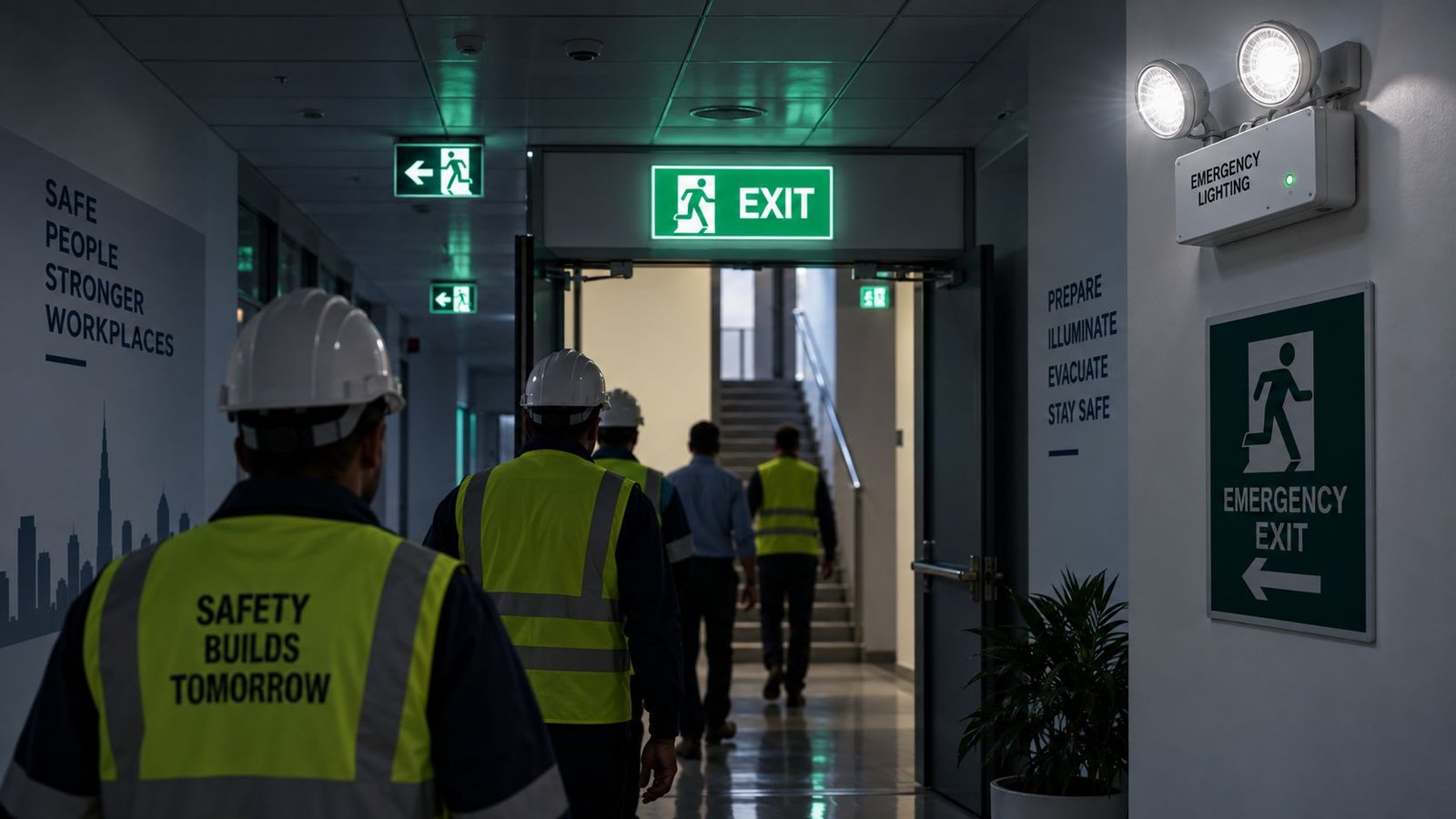
Prepared emergency response limits injury severity and demonstrates employer care. Emergency plans should address first aid and medical response procedures, evacuation procedures for various emergency types, communication systems alerting workers to emergencies, coordination with emergency services, and post-emergency support for affected workers.
Emergency preparedness demonstrates employer consideration for worker safety. Inadequate emergency response that worsens injury outcomes creates additional liability beyond that associated with initial incidents.
Insurance Requirements and Coverage Considerations
Insurance forms a critical component of managing workplace injury liability, but coverage limitations require careful attention.
Mandatory Insurance Requirements
UAE law requires employers to maintain workers’ compensation insurance covering all employees. This insurance must provide medical treatment coverage, temporary disability benefits, permanent disability compensation, and death benefits meeting statutory minimums.
Employers who fail to maintain required insurance face administrative penalties, difficulty renewing business licenses, personal liability for all injury costs, and enhanced liability in civil claims. Insurance compliance is non-negotiable.
Employer's Liability Insurance
Beyond basic workers’ compensation, employers should maintain employer’s liability insurance covering claims for employer negligence, third-party liability contributions, legal defense costs, and settlements or judgments in civil cases.
This additional coverage protects against exposures not covered by workers’ compensation including civil claims exceeding workers’ compensation benefits, contribution claims from third parties, defense costs in criminal proceedings in some policies, and regulatory penalties in some policies.
Coverage Limits and Exclusions
Insurance policies contain important limitations including per-occurrence limits, aggregate annual limits, exclusions for intentional acts, exclusions for specific hazard types, exclusions for regulatory violations, and geographic limitations.
Employers must understand these limitations to identify uninsured exposures. Many businesses discover coverage gaps only after incidents occur, by which time protection options are limited.
Policy Selection Considerations
When selecting liability insurance, consider coverage amounts relative to potential exposure, exclusions and their impact on protection, deductibles and their effect on costs, insurer financial stability and claims-paying ability, insurer experience with UAE regulations, and claims handling reputation.
The lowest-premium policy rarely provides optimal protection. Insurance decisions should balance premium costs against coverage quality because inadequate insurance creates enormous financial exposure.
Claims Reporting Requirements
Insurance policies require prompt incident reporting, typically within 24-72 hours for serious injuries. Delayed reporting can result in claim denials, leaving employers bearing full costs.
Establish clear procedures for incident notification to insurance carriers. All personnel must understand reporting obligations and have necessary contact information readily available.
Relationship with Insurer
Effective insurer relationships facilitate smooth claims handling. Maintain regular communication, provide complete and accurate information, cooperate fully with investigations, follow insurer recommendations for risk management, and promptly report any changes affecting coverage.
Insurers may offer risk management support including safety assessments, training resources, and policy development assistance. These services provide value beyond basic coverage.
Need help ensuring your insurance program adequately addresses employer liability for workplace injuries?
AAA Safe Dubai provides insurance program review and recommendations tailored to UAE operations across Dubai, Abu Dhabi, and Sharjah.
Responding to Workplace Injuries and Liability Claims
Proper response when incidents occur significantly impacts ultimate liability exposure in workplace injury cases.
Immediate Response to Incidents
When workplace injuries occur, immediate priorities include providing first aid and medical care, calling emergency services if needed, securing the incident scene, documenting conditions through photographs and measurements, identifying witnesses and recording contact information, notifying insurance carrier within required timeframes, and preserving all evidence including failed equipment or materials.
These immediate actions simultaneously demonstrate employer care for injured workers while preserving evidence needed for defense if claims arise. Delayed or inadequate response creates impressions of indifference that damage legal positions.
Incident Investigation
Thorough investigations determine causes and prevent recurrences. Effective investigations include interviewing injured workers and all witnesses separately, examining physical evidence and conditions, reviewing relevant procedures and training records, identifying immediate causes and underlying system failures, determining whether violations contributed to injuries, documenting findings comprehensively with photos and diagrams, and developing corrective actions addressing root causes.
Investigation reports serve multiple purposes including insurance claims processing, regulatory reporting, and legal defense. Reports should be factual and objective, avoiding speculation or assigning blame prematurely.
Regulatory Reporting Obligations
UAE regulations require reporting serious workplace injuries to relevant authorities within specified timeframes. Reportable incidents typically include workplace deaths, serious injuries requiring hospitalization, amputations or severe trauma, exposure to hazardous substances, and structural collapses or catastrophic failures.
Failure to report constitutes separate violations creating additional liability. Even when employers face liability for causing injuries, proper reporting demonstrates compliance with legal obligations.
Legal Counsel Engagement
Serious workplace injuries warrant immediate legal counsel involvement. Attorneys can guide incident response, protect privileged communications, interface with regulatory investigators, manage insurance claims, and defend against civil or criminal proceedings.
Many communications related to incident response are protected as attorney-client privileged when directed through legal counsel. This protection prevents disclosure of sensitive internal assessments that might otherwise be used against employers in litigation.
Communication Management
Controlling communications after serious incidents protects legal positions. Establish policies for designating authorized spokespersons, avoiding admissions of liability or fault, providing factual information without speculation, expressing concern for injured workers without accepting blame, and directing media inquiries to designated personnel.
Social media creates particular risks. Instruct all personnel to refrain from discussing incidents on social platforms where statements can be captured and used as evidence.
Supporting Injured Workers
Demonstrating genuine concern for injured workers often influences whether they pursue aggressive legal action. Support measures include facilitating medical care and treatment, maintaining salary continuation during recovery when possible, accommodating return to work with restrictions, providing counseling or support services, maintaining regular communication during recovery, and treating injured workers with dignity and respect.
Workers who believe employers genuinely care about their welfare are less likely to pursue maximum liability claims. Conversely, workers who feel mistreated or abandoned often seek aggressive legal representation.
Frequently Asked Questions
Under UAE Federal Decree Law No. 33 of 2021, employer liability for workplace injuries includes strict liability for medical costs and statutory compensation regardless of fault, plus additional civil liability when injuries result from negligence or safety violations. Employers may also face criminal liability when serious violations cause deaths or severe injuries. Total costs for serious injuries can reach AED 2,000,000-10,000,000 including compensation, legal costs, and penalties.
No, insurance does not eliminate employer liability for workplace injuries in UAE. While workers’ compensation insurance covers basic benefits, employers face additional civil liability when negligence contributes to injuries. Courts can award damages for pain and suffering, future earnings loss, and punitive damages exceeding insurance coverage. Employers also face potential criminal charges when serious violations occur, which insurance does not cover.
Workers can pursue civil claims beyond workers’ compensation when workplace injury liability involves gross negligence creating extreme risks, intentional acts causing harm, criminal safety violations, specific labor law violations, or fraud about workplace hazards. These claims can seek compensation far exceeding workers’ compensation benefits, often AED 2,000,000-5,000,000 for serious permanent injuries.
Criminal penalties for workplace injury liability include imprisonment (months to years), fines up to AED 1,000,000+, deportation for expatriates, and business license suspension. Individual managers and safety officers face personal criminal liability, not just companies. Criminal charges typically arise when deaths or serious injuries result from clear safety violations or knowing disregard of hazards.
Workplace injury costs vary widely. Moderate permanent disabilities cost AED 100,000-500,000, severe disabilities or career-ending injuries cost AED 500,000-2,000,000, and workplace deaths cost AED 1,000,000-5,000,000+. Total costs including legal fees, increased insurance premiums, regulatory fines, and business disruption can reach AED 2,000,000-10,000,000 for serious incidents. Understanding employer liability for workplace injuries helps companies implement prevention programs.
Critical documentation for managing workplace injury liability includes safety training records with attendance and content, equipment inspection and maintenance logs, hazard assessments and corrections, safety meeting minutes, incident investigations, PPE issuance records, and worker safety acknowledgments. Comprehensive documentation demonstrates reasonable care, often determining whether employers face only workers’ compensation liability or additional civil damages.
Yes, UAE law imposes personal criminal and civil liability on managers, safety officers, and supervisors responsible for workplace safety. When serious violations cause deaths or injuries, individuals face imprisonment, fines, deportation, and personal liability for damages. This personal exposure for employer liability for workplace injuries makes safety management a critical executive responsibility that cannot be delegated without accountability.
Employers must maintain mandatory workers’ compensation insurance covering medical costs and statutory benefits. Additional employer’s liability insurance should cover civil claims for negligence, third-party contribution claims, and legal defense costs. Coverage amounts should reflect potential exposure, typically AED 5,000,000-20,000,000 depending on operation size and risk level. Understanding workplace injury liability helps determine appropriate insurance levels.
Important Notice
This information provides general guidance on employer liability for workplace injuries and should not be considered legal advice. Liability issues vary based on specific circumstances, applicable regulations, and evolving case law.
UAE workplace injury liability operates under Federal Decree Law No. 33 of 2021, UAE Civil Code, UAE Penal Code, and industry-specific regulations. Laws and interpretations change frequently, and employers must consult qualified legal counsel for advice on specific situations.
Employer liability for workplace injuries involves complex legal issues requiring expertise in UAE labor law, civil liability, criminal law, and insurance. This content cannot address all scenarios or provide definitive answers to specific liability questions.
Employers facing workplace injuries should immediately engage qualified UAE legal counsel experienced in labor and liability matters. Prompt legal guidance protects employer interests while ensuring compliance with all legal obligations.
Insurance coverage varies significantly between policies and carriers. Employers must review specific policy terms with insurance professionals to understand coverage limits, exclusions, and requirements. This content provides general information about insurance considerations but cannot substitute for professional insurance advice.
Every workplace injury situation is unique. Factors affecting liability include specific circumstances of injuries, applicable regulations, safety measures implemented, documentation available, witness accounts, expert opinions, and judicial interpretation. Legal counsel can assess how these factors apply to specific situations.
For professional legal consultation on employer liability for workplace injuries in UAE operations, contact qualified attorneys with demonstrated experience in UAE labor law, workplace safety regulations, and liability defense.
Conclusion
Understanding employer liability for workplace injuries isn’t about finding ways to avoid responsibility – it’s about accepting that employers hold legal, moral, and financial obligations to protect workers, and that failures in these duties create consequences extending far beyond insurance claims.
The reality is that UAE law creates multiple liability pathways simultaneously. Employers face strict liability for basic compensation, negligence liability for civil damages, and criminal liability for serious violations. Insurance covers some of these exposures but leaves substantial gaps requiring proactive risk management.
I’ve learned that the companies facing the least liability exposure aren’t necessarily those that never have incidents – injuries happen in any workplace. The protected companies are those that can demonstrate genuine commitment to safety through comprehensive programs, thorough documentation, proper training, and consistent enforcement. When incidents occur, their records show they exercised reasonable care rather than treating safety as mere compliance theater.
The financial stakes are enormous. A single serious workplace injury can cost employers AED 2,000,000-10,000,000 when considering direct compensation, legal fees, regulatory penalties, insurance increases, business disruption, and reputation damage. For many businesses, these costs prove catastrophic. Prevention programs costing AED 100,000-300,000 annually represent bargains compared to incident costs.
Most importantly, workplace injury liability reflects fundamental questions about values and priorities. Every business claims to value worker safety, but actions reveal true commitments. Companies that view safety programs as unnecessary expenses rather than essential investments consistently face the harshest liability outcomes when incidents occur.
Look, workplace injuries will continue occurring despite best efforts. You cannot eliminate every risk in dynamic work environments. But you can control whether your company exercises reasonable care, maintains appropriate documentation, responds properly when incidents occur, and treats injured workers with dignity. Managing workplace injury liability is about demonstrating that when incidents happen, they resulted from unfortunate circumstances rather than indifference or negligence.
Your workers are counting on you to provide safe working conditions. Your shareholders are counting on you to manage liability exposure. Your management team members are counting on you to protect them from personal criminal liability. Understanding employer liability for workplace injuries and implementing appropriate risk management programs is how you prove that everyone’s trust in you is well-placed.