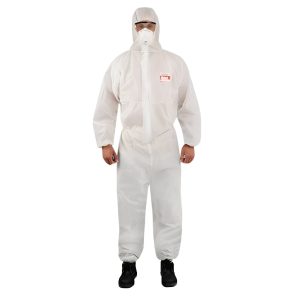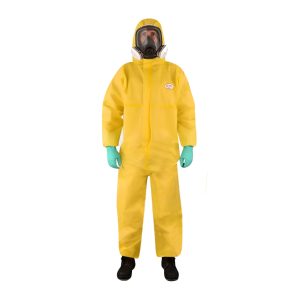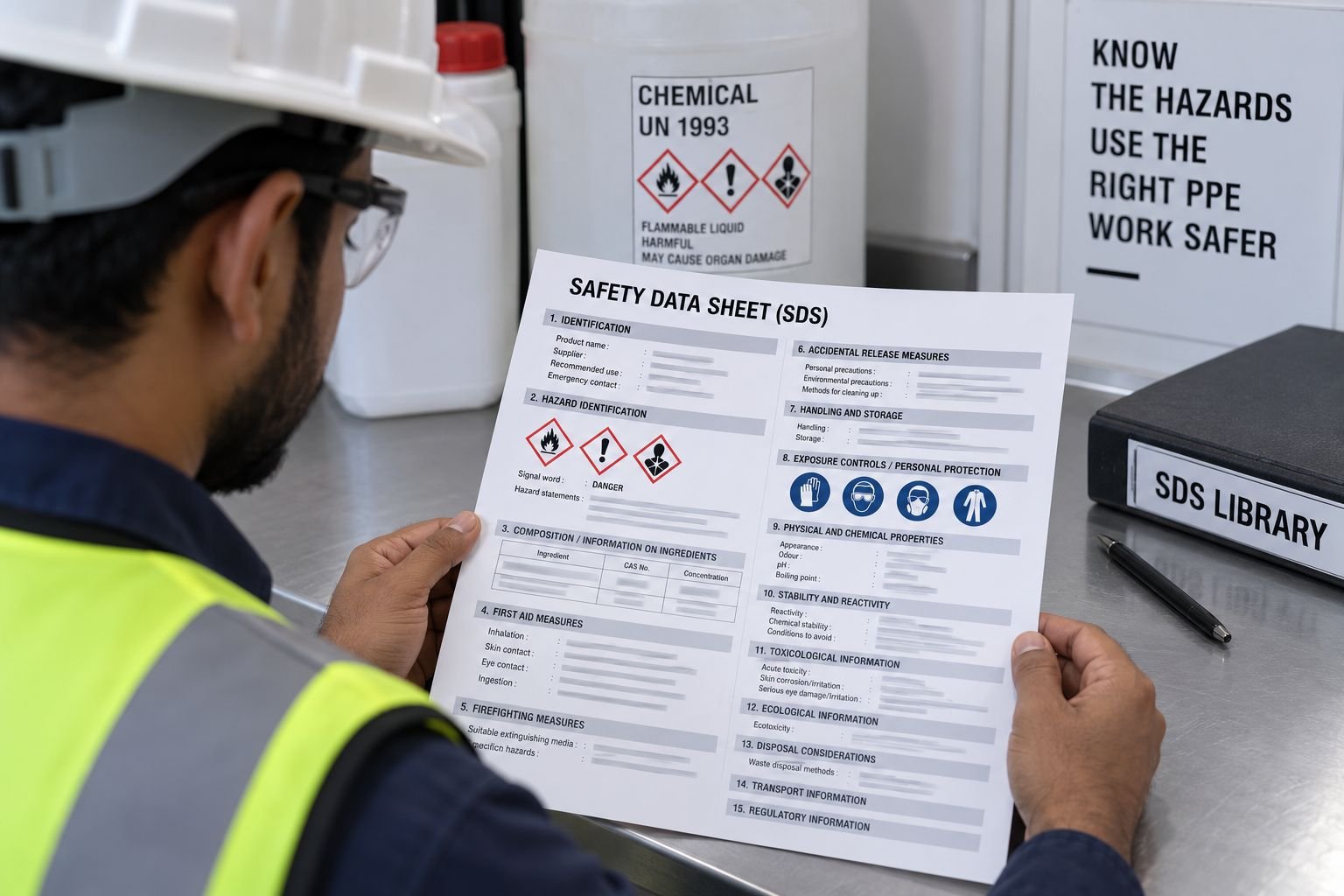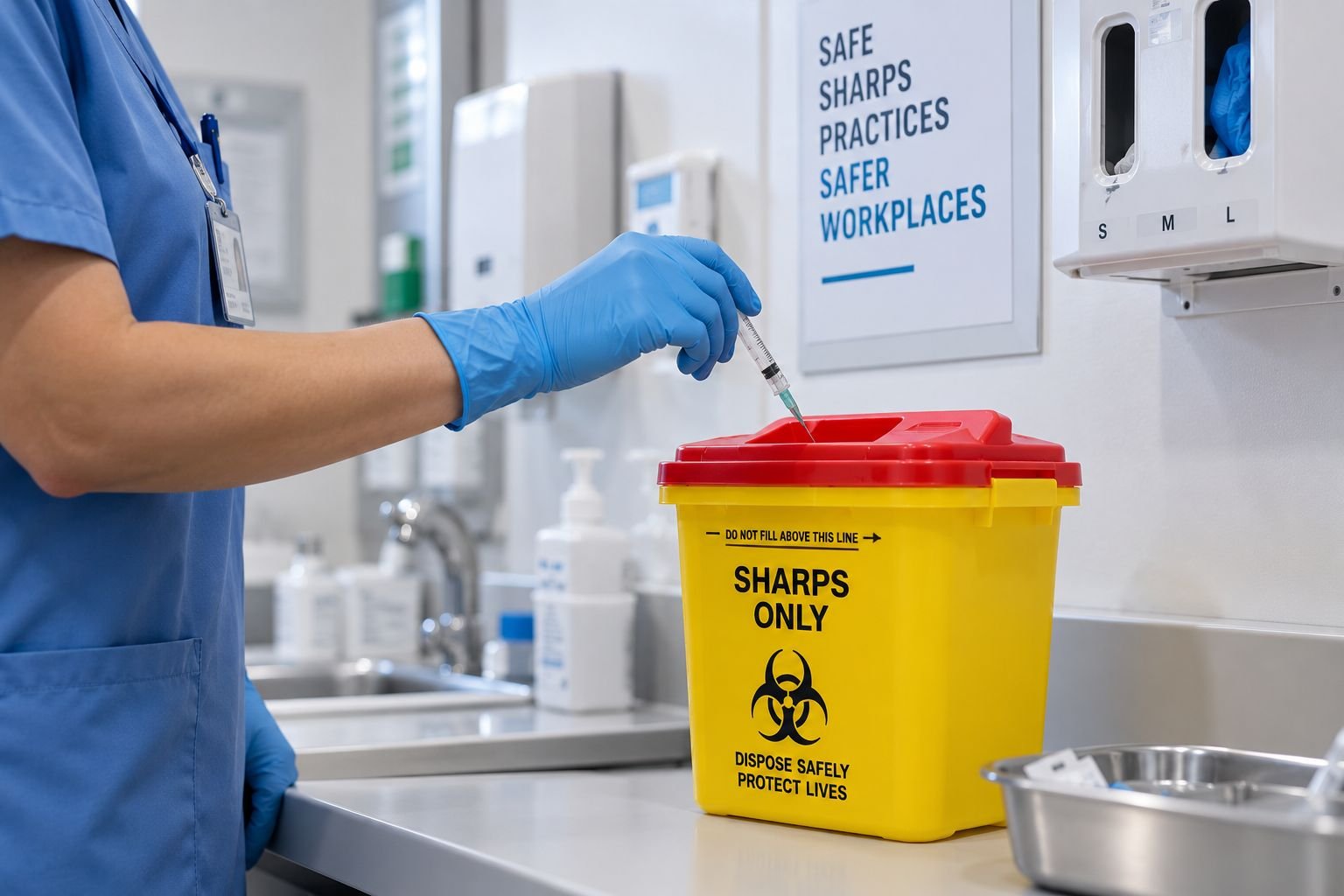
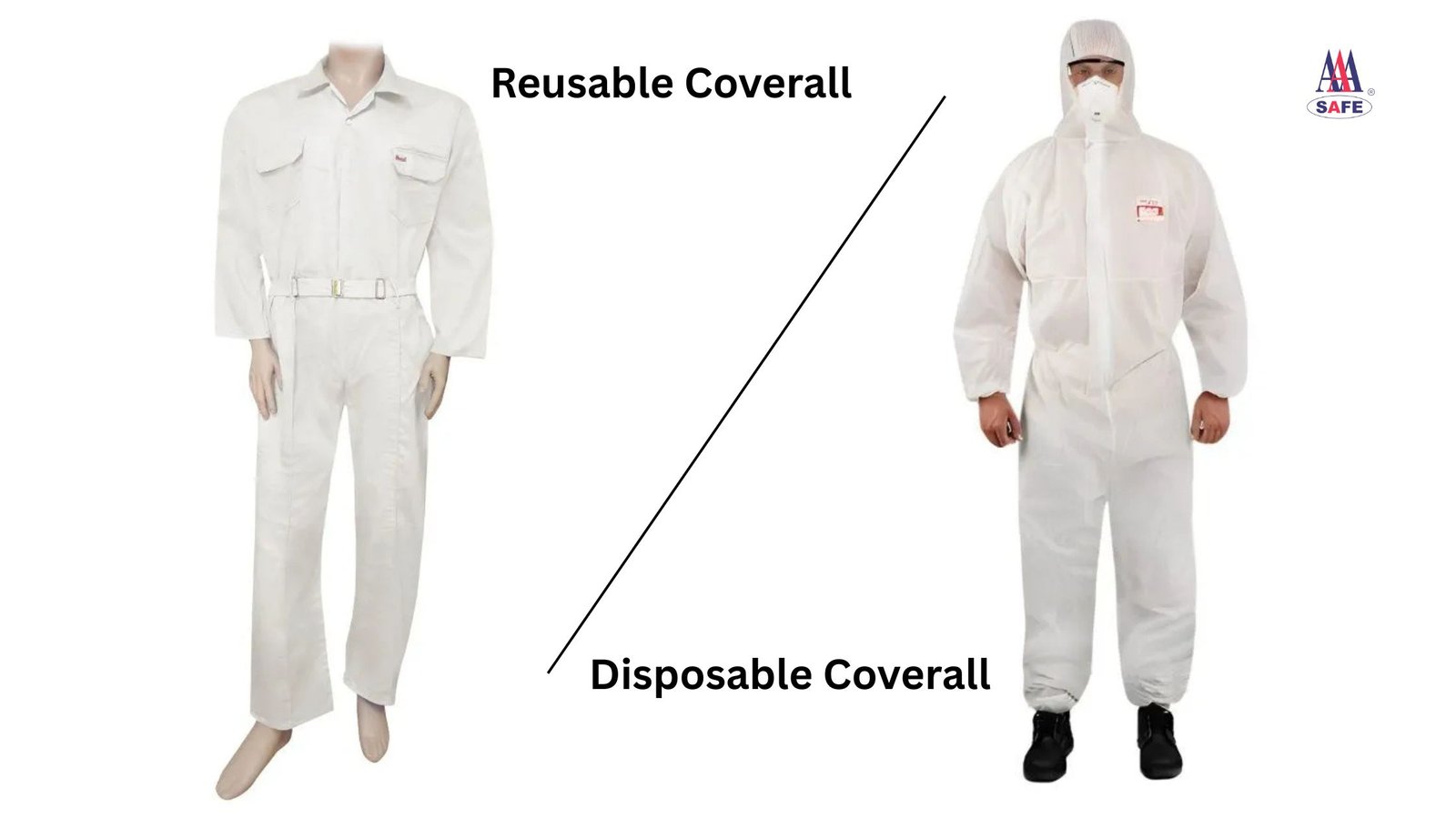
The decision between disposable coverall vs. reusable coverall involves far more than initial cost considerations. Each option offers distinct advantages in protection levels, contamination control, economic value, and operational efficiency. Understanding these differences becomes crucial for safety managers responsible for protecting workers while maintaining regulatory compliance and managing budgets in demanding industrial environments throughout the UAE.
UAE workplace safety regulations require employers to provide workers with safety gear and suitable clothing to protect them against injuries and dangers, making proper coverall selection essential for both worker protection and regulatory compliance.
Protection Level Analysis and Contamination Control
Contamination Prevention Capabilities Comparison
| Protection Aspect | Disposable Coveralls | Reusable Coveralls | Critical Difference |
|---|---|---|---|
| Initial Condition | Fresh from package | Dependent on laundering quality | Disposable advantage |
| Cross-Contamination Risk | Eliminated between uses | Potential from previous exposure | Significant disposable benefit |
| Chemical Retention | No memory of previous chemicals | Possible permeation retention | Critical safety factor |
| Biological Protection | Fresh barrier each use | Dependent on decontamination process | Healthcare/laboratory advantage |
| Particle Control | Consistent filtration efficiency | Variable effectiveness over time | Quality consistency factor |
Understanding the disposable coverall vs. reusable coverall contamination control differences helps determine appropriate selection based on workplace hazard levels and exposure risks.
Chemical Permeation and Breakthrough Performance
Chemical protection represents a critical consideration in disposable coverall vs. reusable coverall selection, particularly for UAE’s oil, gas, and petrochemical industries where chemical exposure risks are significant.
Chemical Protection Analysis
Chemical Barrier Performance Factors
- Fresh Barrier Integrity. Disposable coveralls provide uncompromised chemical barriers with each use
- Previous Exposure Effects. Reusable materials may retain previously absorbed chemicals affecting future protection
- Breakthrough Consistency. Disposable materials maintain consistent performance characteristics
- Multiple Chemical Environments. Sequential chemical exposures may create unpredictable effects in reusable materials
Proper chemical protection requires understanding how previous exposures may compromise reusable coverall effectiveness in subsequent applications.
Economic Analysis and Total Cost of Ownership
Initial Investment vs Long-Term Cost Comparison
The disposable coverall vs. reusable coverall economic equation involves complex calculations extending beyond simple purchase price comparisons to include operational costs, safety risks, and productivity factors.
Comprehensive Cost Analysis
| Cost Factor | Disposable Coveralls | Reusable Coveralls | Economic Considerations |
|---|---|---|---|
| Initial Unit Cost | AED 15-80 per unit | AED 200-800 per unit | Disposable lower entry cost |
| Usage Duration | Single use | 50-100+ uses potential | Reusable extended service |
| Maintenance Costs | None required | Laundering expenses | Ongoing operational cost |
| Storage Requirements | Minimal space needed | Extensive inventory management | Facility cost implications |
| Replacement Frequency | After each use | Every 12-24 months typical | Planning considerations |
Economic analysis must consider total cost of ownership rather than initial purchase price alone for accurate comparison.
Hidden Costs and Risk Factors
Economic analysis of disposable coverall vs. reusable coverall selection must account for additional costs that significantly impact total ownership expenses.
Additional Cost Categories
Extended Economic Factors
- Quality Control Systems. Testing and inspection programs ensuring reusable suit integrity
- Storage and Management. Warehouse space, tracking systems, and inventory rotation
- Training Requirements. User education on proper decontamination and maintenance procedures
- Compliance Documentation. Record-keeping systems for regulatory audit requirements
Comprehensive economic evaluation reveals costs extending beyond apparent direct expenses for both coverall types.
Application-Specific Performance Requirements
High-Risk Chemical and Biological Applications
Certain UAE industrial applications create specific requirements that heavily influence disposable coverall vs. reusable coverall selection decisions based on exposure risks and contamination potential.
High-Risk Application Analysis
| Industry Sector | Primary Hazards | Disposable Advantages | Reusable Considerations | Selection Factor |
|---|---|---|---|---|
| Petrochemical Processing | Toxic chemicals, explosion risk | Fresh barrier, no contamination memory | Heavy-duty construction available | Chemical exposure severity |
| Healthcare/Laboratory | Biological agents, pharmaceuticals | Sterile conditions, safe disposal | Cost considerations for routine use | Contamination prevention priority |
| Asbestos Removal | Carcinogenic fibers | Complete contamination control | Not recommended | Disposable mandatory |
| Food Processing | Hygiene requirements, chemicals | Single-use cleanliness | Durability for routine tasks | Mixed approach consideration |
| Hazardous Waste | Multiple contaminants | Zero cross-contamination | Not recommended | Disposable essential |
Application-specific hazard analysis determines appropriate disposable coverall vs. reusable coverall selection based on contamination risks and protection requirements.
Routine Industrial and Construction Applications
Standard industrial applications create different disposable coverall vs. reusable coverall selection criteria where durability, comfort, and cost-effectiveness take precedence over maximum contamination control.
Routine Application Considerations
Standard Industrial Use Factors
- Construction Sites. Physical durability considerations favor reusable options for non-chemical exposures
- Manufacturing Operations. Routine protection where contamination risks are moderate
- Maintenance Activities. Regular use patterns where reusable options provide economic value
- General Industrial Work. Multi-shift operations requiring consistent protection
Economic modeling favors reusable coveralls for routine industrial applications with minimal contamination risks and regular usage patterns.
Regulatory Compliance and Standards Requirements
International Standards Application
Disposable coverall vs. reusable coverall selection must align with specific international standards and UAE regulatory requirements that govern protective equipment performance and usage.
Standards Compliance Framework
| Protection Standard | Disposable Application | Reusable Application | UAE Relevance |
|---|---|---|---|
| EN 14605 (Type 3/4) | Consistent liquid protection | Performance varies after washing | Chemical facilities |
| EN 13982-1 (Type 5) | Reliable particle barrier | Filtration effectiveness changes | Dust environments |
| EN 13034 (Type 6) | Spray protection maintained | Variable effectiveness | Light chemical exposure |
| EN 14126 (Biological) | Fresh sterile barrier | Dependent on sterilization | Healthcare/laboratory |
| OSHA Standards | Consistent protection | Maintenance-dependent | International operations |
UAE regulatory compliance requires documented evidence of protective equipment effectiveness for both disposable and reusable options.
Documentation and Validation Requirements
Regulatory compliance for disposable coverall vs. reusable coverall programs requires different documentation approaches affecting administrative burden and audit readiness.
Compliance Documentation Framework
Required Documentation Systems
- Disposable Programs. Usage logs, batch tracking, disposal records, training documentation
- Reusable Programs. Decontamination validation, inspection records, service life tracking, replacement schedules
- Quality Assurance. Performance testing, barrier integrity verification, contamination monitoring
- Training Records. User education on proper selection, usage procedures, and safety protocols
Documentation complexity varies significantly between disposable and reusable coverall programs affecting administrative requirements.
Environmental Impact and Sustainability Considerations
Waste Generation and Resource Consumption
The disposable coverall vs. reusable coverall environmental equation involves complex trade-offs between waste generation, resource consumption, and operational sustainability.
Environmental Impact Comparison
| Environmental Factor | Disposable Impact | Reusable Impact | Sustainability Consideration |
|---|---|---|---|
| Solid Waste Generation | High volume single-use disposal | Low volume extended service | Waste management implications |
| Water Consumption | Minimal manufacturing requirement | High for industrial laundering | Resource usage patterns |
| Energy Usage | Lower production energy | Higher cleaning/maintenance energy | Total energy assessment |
| Chemical Usage | Limited manufacturing chemicals | Laundering detergents/solvents | Environmental release concerns |
| Transportation Impact | Higher shipping frequency | Lower replacement frequency | Carbon footprint considerations |
Environmental impact assessment requires life cycle analysis considering all stages from production through disposal.
Sustainable Material Options and End-of-Life Management
Sustainability Enhancement Approaches
Environmental Improvement Strategies- Sustainable Materials. Bio-based polymers reducing fossil fuel dependence for disposables
- Recycling Programs. Specialized processing for used coverall materials
- Reduced Material Usage. Lightweight designs maintaining protection with less material
- Circular Economy. Take-back programs for both disposable and reusable options
User Comfort and Operational Efficiency
Workplace Productivity Impact Analysis
Disposable coverall vs. reusable coverall selection significantly affects worker productivity, compliance rates, and operational efficiency in demanding UAE industrial environments.
Productivity Factor Assessment
| Operational Aspect | Disposable Benefits | Reusable Benefits | UAE Climate Impact |
|---|---|---|---|
| Usage Convenience | Rapid deployment from package | Familiar fit characteristics | Heat stress considerations |
| Comfort Consistency | Fresh garment each use | Broken-in comfort over time | Fresh garment advantage in heat |
| Size Availability | Wide range readily available | Limited inventory management | Disposable flexibility |
| Storage Requirements | Minimal space needed | Extensive storage systems | Significant space advantage |
| Emergency Readiness | Immediate availability | May require preparation time | Critical response advantage |
Worker productivity and safety compliance improve when appropriate coverall selection matches specific operational requirements.
Heat Stress and Climate Adaptation
UAE’s extreme climate creates specific disposable coverall vs. reusable coverall performance considerations affecting worker safety and productivity during extended exposure periods.
Climate Performance Factors
Heat Management Considerations
- Material Freshness. Disposable materials maintain consistent airflow properties
- Moisture Management. Fresh moisture-wicking performance vs. potentially degraded reusable properties
- Weight Characteristics. Lightweight disposable construction vs. heavier reusable materials
- Ventilation Compatibility. Integration with cooling systems and ventilation equipment
Climate-specific performance affects worker safety and comfort during UAE’s challenging environmental conditions.
Selection Matrix and Decision Framework
Risk-Based Selection Methodology
| Risk Level | Chemical Exposure | Biological Hazards | Usage Frequency | Economic Priority | Selection Guidance |
|---|---|---|---|---|---|
| Critical | High toxicity chemicals | High contamination risk | Variable frequency | Safety priority | Disposable recommended |
| High | Moderate chemical risk | Moderate biological risk | Extended shifts | Balanced approach | Disposable preferred |
| Moderate | Low chemical risk | Low biological risk | Regular use | Cost consideration | Reusable viable |
| Low | Minimal exposure | Minimal risk | Routine protection | Cost priority | Reusable preferred |
Systematic risk assessment ensures appropriate disposable coverall vs. reusable coverall selection based on actual workplace conditions.
Application-Specific Selection Guidelines
Industry-specific recommendations help guide disposable coverall vs. reusable coverall decisions based on common hazard patterns and operational requirements.
Industry-Specific Guidance
Sector-Based Recommendations
- Oil and Gas. Disposable for chemical handling, reusable for mechanical maintenance
- Healthcare. Disposable mandatory for patient contact, reusable acceptable for support services
- Construction. Reusable for general work, disposable for hazardous material exposure
- Food Processing. Disposable for direct food contact, reusable for cleaning operations
- Manufacturing. Mixed approach based on specific process hazards and economics
Selection success requires matching specific operational requirements rather than applying generic recommendations.
Implementation Strategies and Best Practices
Program Development and Management
Successful disposable coverall vs. reusable coverall implementation requires comprehensive program development addressing selection, training, usage monitoring, and performance evaluation.
Program Implementation Framework
- Hazard Assessment. Comprehensive workplace risk analysis determining protection requirements
- Selection Criteria. Systematic evaluation matching coverall type to specific applications
- User Training. Education on proper selection, use, and disposal/maintenance procedures
- Supply Management. Inventory control, quality assurance, and availability systems
- Performance Monitoring. Usage tracking, incident analysis, and effectiveness measurement
Quality Assurance Protocols
Program Management Elements
- Material Testing. Regular verification of protection properties and performance standards
- User Feedback Systems. Worker input on effectiveness and operational challenges
- Incident Investigation. Analysis of protection failures and program improvements
- Regulatory Updates. Monitoring changing standards and compliance requirements
Comprehensive coverall selection programs improve both safety outcomes and operational efficiency.
Frequently Asked Questions
Choose disposable coveralls for chemical handling, biological hazard exposure, contamination-sensitive environments, or when cross-contamination prevention is critical. They’re also preferable for infrequent use, emergency response, or when decontamination capabilities are limited. UAE’s Federal Decree Law No. 33 of 2021 requires employers to provide appropriate safety equipment, making disposables essential for high-risk applications.
Include purchase price, maintenance/disposal costs, storage requirements, replacement frequency, training expenses, and safety-related costs. Consider total ownership cost over expected service life rather than initial purchase price. Economic analysis should include hidden costs such as inventory management, quality control, and compliance documentation requirements.
Initially, high-quality reusable coveralls can match disposable protection levels. However, repeated washing and use may degrade barrier properties over time. Disposable coveralls maintain consistent protection throughout single-use applications while reusable effectiveness may vary with service history and maintenance quality.
Disposable risks include potential material failure with heavy use and cost pressure leading to extended wear beyond intended limits. Reusable risks include contamination from inadequate decontamination, degraded barrier properties from repeated cleaning, and cross-contamination from previous exposures. Both require proper usage protocols for maximum safety.
UAE’s extreme heat favors lighter-weight options with good breathability. Disposable coveralls typically offer fresh moisture-wicking properties while reusable coveralls may provide better durability against UV degradation for extended outdoor exposure. Consider worker comfort and heat stress prevention in selection decisions.
Disposable programs require usage logs, disposal records, and training documentation. Reusable programs need decontamination validation, inspection schedules, service life tracking, and replacement records. UAE workplace safety regulations require documentation proving appropriate protective equipment provision and maintenance.
Yes, many UAE facilities successfully use mixed approaches based on specific application requirements. Use disposables for high-risk chemical/biological exposures and reusables for routine mechanical work. Clear protocols must prevent confusion about appropriate selection for different tasks and exposure levels.
Consider protection effectiveness, total ownership costs, operational requirements, and regulatory compliance. Better value comes from matching coverall type to specific application needs rather than choosing based on initial cost alone. Factor in safety benefits, productivity impacts, and long-term operational efficiency.
Important Safety Notice. Disposable coverall vs. reusable coverall selection directly impacts worker protection and should be based on comprehensive risk assessment rather than cost considerations alone. This analysis provides decision-making framework guidance but cannot replace professional evaluation by qualified safety specialists familiar with specific hazards, operational requirements, and regulatory obligations.
The choice between disposable coverall vs. reusable coverall options involves complex trade-offs between protection effectiveness, economic efficiency, environmental impact, and operational requirements. Success requires matching selection to specific application needs rather than adopting universal solutions across all workplace scenarios.
Understanding these critical differences enables informed decisions that maximize worker protection while managing costs and regulatory compliance in demanding industrial environments. Investment in proper coverall selection provides returns through improved safety outcomes, operational efficiency, and sustainable protective equipment programs.
Ready to determine the optimal coverall solution for your UAE operations?
Consult with certified PPE specialists who understand local regulatory requirements, environmental challenges, and industry-specific hazards to develop comprehensive protective equipment strategies tailored to your operational needs and safety objectives.