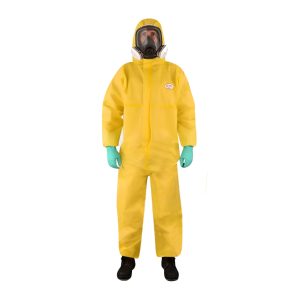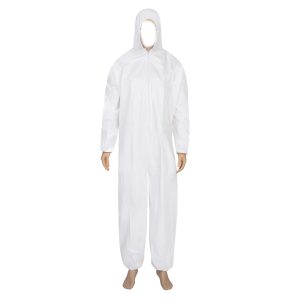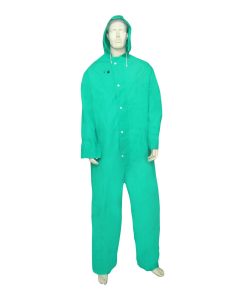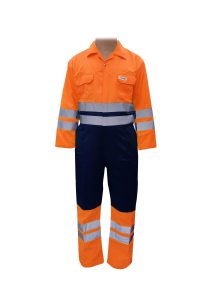
Proper coverall selection involves far more than choosing the lowest-priced option available. Each specification directly impacts worker safety, regulatory compliance, and operational efficiency. Understanding the specifications to consider before buying a coverall ensures your investment protects workers while meeting stringent UAE workplace safety requirements and international standards.
UAE workplace safety regulations require employers to provide workers with safety gear and suitable clothing to protect them against injuries and dangers, making comprehensive coverall specification analysis essential for compliance and worker protection.
Material Composition and Fabric Technology Selection
Understanding Base Fabric Options for Different Applications
| Fabric Type | Composition | Primary Applications | Protection Level | UAE Climate Suitability |
|---|---|---|---|---|
| Cotton/Poly Blend | 65% polyester, 35% cotton | General industrial, construction | Basic protection | Good breathability |
| SMS (Spunbond-Meltblown-Spunbond) | 3-layer polypropylene | Chemical handling, cleanrooms | High barrier | Moderate breathability |
| Microporous Film | Polyethylene laminate | Spray protection, agriculture | Very high barrier | Limited breathability |
| Tyvek® | Spun-bonded olefin | Particle protection, hazmat | Excellent particle barrier | Poor in high heat |
| Tychem® | Multi-layer chemical barrier | Chemical processing | Superior chemical resistance | Variable by type |
Material performance characteristics must align with specific workplace hazards identified through comprehensive risk assessment processes.
Advanced Fabric Technologies for Specialized Applications
Modern coverall materials incorporate sophisticated technologies addressing specific workplace hazards while maintaining user comfort in challenging environments like those common throughout the UAE.
Technology Integration for Enhanced Performance
Fabric Enhancement Technologies
- Flame-Resistant (FR) Treatments. Chemical modifications preventing ignition and providing self-extinguishing properties
- Anti-Static Properties. Conductive fibers preventing static electricity buildup in explosive environments
- Moisture Management. Wicking fibers transporting perspiration away from skin for thermal comfort
- UV Protection. Additives blocking harmful solar radiation during outdoor work
Advanced fabric technologies provide measurable improvements in worker safety and comfort when properly matched to specific workplace hazards and environmental conditions.
Protection Type and Safety Classification Standards
European EN Standards Classification System
| Type Classification | Protection Level | Test Standards | Typical Applications | UAE Industries |
|---|---|---|---|---|
| Type 1 (Gas-tight) | Highest – complete encapsulation | EN 943-1 | Chemical emergencies, hazmat response | Oil refineries, chemical plants |
| Type 2 (Non-gas tight) | High – pressurized air supply | EN 943-1 | Chemical handling with air supply | Industrial maintenance |
| Type 3 (Liquid-tight) | High – liquid jet protection | EN 14605 | Chemical spraying, tank cleaning | Petrochemical operations |
| Type 4 (Spray-tight) | Moderate – spray protection | EN 14605 | Pesticide application, cleaning | Agriculture, maintenance |
| Type 5 (Particle-tight) | Moderate – dust protection | EN ISO 13982-1 | Asbestos removal, demolition | Construction, remediation |
| Type 6 (Limited spray) | Basic – light splash protection | EN 13034 | General maintenance, painting | Manufacturing, utilities |
Classification standards ensure consistent protection levels and facilitate proper selection based on identified workplace hazards and exposure risks.
Biological and Chemical Resistance Specifications
Coveralls intended for biological or chemical exposure require additional certifications beyond basic protection type classifications to ensure adequate safety performance.
Specialized Protection Certifications
Additional Certification Requirements
- EN 14126 (Biological hazards). Protection against infective agents including bacteria, viruses, and fungi
- EN 1149-5 (Anti-static). Electrostatic dissipation for explosive atmosphere work environments
- EN ISO 11612 (Heat/flame). Thermal protection for welding and hot work applications
- NFPA 2112 (Flash fire). Flame-resistant protection for hydrocarbon exposure
Proper certification ensures coveralls meet specific hazard protection requirements while complying with applicable workplace safety regulations.
Size and Fit Specifications for Optimal Performance
Proper Sizing Methodology and Measurement Protocols
Correct sizing represents a critical safety specification that significantly impacts both protection effectiveness and worker mobility. Improper fit compromises safety by creating hazards rather than eliminating them.
Essential Measurement Requirements
- Chest Circumference. Measured at fullest point with arms relaxed at sides
- Waist Circumference. Measured at natural waistline or largest abdominal circumference
- Hip Circumference. Measured at fullest point of hips and buttocks
- Height/Inseam. Total body height and inside leg measurement for proper length
- Sleeve Length. Shoulder point to wrist measurement ensuring adequate coverage
Fit Tolerance Guidelines for Safety
Sizing Tolerance Framework
| Body Area | Minimum Ease | Maximum Ease | Safety Considerations |
|---|---|---|---|
| Chest | 4-6 inches | 8-10 inches | Breathing, arm movement |
| Waist | 2-4 inches | 6-8 inches | Bending, sitting comfort |
| Inseam | +1 inch | +3 inches maximum | Prevent tripping hazard |
| Sleeves | Cover wrists | +2 inches maximum | Avoid equipment interference |
Proper sizing ensures protection integrity while maintaining worker mobility and comfort necessary for safe task performance.
Specialized Fit Considerations for UAE Climate
Hot climate conditions require additional sizing considerations ensuring adequate ventilation and thermal comfort while maintaining protection integrity throughout extended work periods.
Climate-Specific Fit Adjustments
Hot Climate Sizing Modifications
- Increased Ease. Additional 2-4 inches chest/waist ease for air circulation
- Length Considerations. Appropriate coverage while reducing heat retention
- Layering Accommodation. Sizing adjustments for cooling equipment integration when required
- Cultural Requirements. Coverage specifications meeting local workplace standards
Proper climate-specific sizing supports worker safety and comfort while maintaining necessary protection levels during challenging environmental conditions.
Closure Systems and Design Features Analysis
Zipper vs Alternative Closure Technologies
Specifications to consider before buying a coverall include closure system selection significantly impacting both protection effectiveness and user convenience during normal operations and emergency situations.
Closure System Comparison
| Closure Type | Advantages | Disadvantages | Best Applications |
|---|---|---|---|
| Front Zipper | Quick donning/doffing, secure closure | Potential leak path, zipper failure risk | General industrial use |
| Storm Flap Zipper | Enhanced protection, weather resistance | Slower operation, higher cost | Chemical/biological hazards |
| Hook & Loop | Adjustable fit, quiet operation | Limited durability, contamination risk | Cleanroom applications |
| Snap Fasteners | Durable, easy replacement | Time-consuming, gaps possible | Heavy-duty industrial |
| Adhesive Seals | Complete protection, single-use | Not reusable, limited mobility | Hazmat emergency response |
Closure system selection must balance protection requirements with operational efficiency and user safety considerations.
Essential Design Features for Workplace Efficiency
Modern coverall design incorporates features enhancing both safety and operational efficiency in demanding work environments while maintaining protection integrity.
Critical Design Elements for Performance
Essential Design Features
- Reinforced Knees/Elbows. Double-layer fabric in high-wear areas extending service life
- Functional Pockets. Tool and equipment storage without compromising protection
- Ventilation Panels. Strategic airflow zones reducing heat buildup when appropriate
- Thumb Loops. Sleeve positioning preventing exposure during glove donning
- Secure Cuffs/Ankles. Effective closure preventing contamination ingress
Design features must support both safety objectives and operational requirements for successful workplace implementation.
Durability and Service Life Specifications
Construction Quality Indicators and Testing Standards
| Quality Factor | Test Standard | Performance Expectation | UAE Relevance |
|---|---|---|---|
| Tensile Strength | ASTM D5034 | Adequate for application | Prevents tearing during work |
| Seam Strength | ASTM D1683 | Exceeds fabric strength | Critical for protection integrity |
| Abrasion Resistance | ASTM D3884 | Appropriate for exposure | Desert sand/dust conditions |
| UV Stability | ASTM G154 | Minimal degradation | Outdoor work protection |
| Chemical Compatibility | Application-specific standards | No degradation with target chemicals | Process-specific requirements |
Durability specifications ensure consistent protection performance throughout expected service life under anticipated operating conditions.
Maintenance Requirements and Lifecycle Considerations
Specifications to consider before buying a coverall include maintenance protocols and expected service life under specific operational conditions affecting total cost and safety performance.
Service Life Categories
Coverall Service Life Classifications
- Disposable (Single-use). Immediate disposal after contamination exposure
- Limited Use (2-5 uses). Light contamination with careful handling requirements
- Reusable (25+ uses). Regular laundering with performance retention
- Extended Service (100+ uses). Industrial-grade construction for heavy use
Proper service life matching to application requirements provides both economic value and consistent safety performance.
Chemical Compatibility and Permeation Resistance
Understanding Chemical Breakthrough Testing
Chemical-resistant coveralls require specific testing validation against targeted workplace chemicals to ensure adequate protection duration under anticipated exposure conditions.
Permeation Testing Standards
- ASTM F739. Standard test method for permeation of liquids and gases through protective materials
- EN 16523-1. Chemical permeation testing for European compliance
- Breakthrough Time. Duration until chemical detection on inner surface
- Permeation Rate. Steady-state chemical transmission through material
Chemical Resistance Performance Categories
Chemical Resistance Classifications
| Resistance Level | Breakthrough Time | Applications | Suitability |
|---|---|---|---|
| Excellent | >8 hours | Water, mild acids/bases | Extended chemical handling |
| Good | 4-8 hours | Organic solvents, oils | Industrial maintenance tasks |
| Fair | 1-4 hours | Moderate chemicals | Short-term exposure only |
| Poor | <1 hour | Incompatible substances | Not recommended for use |
Chemical compatibility testing ensures adequate protection duration for specific workplace chemical exposures.
Multi-Chemical Exposure Considerations
Workplace environments often involve multiple chemical exposures requiring comprehensive compatibility analysis rather than single-agent testing approaches.
Complex Environment Assessment Factors
Multi-Chemical Environment Considerations
- Chemical Interactions. Combined effects potentially reducing protection performance
- Sequential Exposure. Different chemicals encountered throughout work shift
- Temperature Effects. Heat potentially accelerating chemical permeation
- Mechanical Stress. Physical activity affecting barrier integrity
Multi-chemical exposure assessment ensures adequate protection for complex workplace environments with varied chemical hazards.
Regulatory Compliance and Certification Requirements
UAE-Specific Regulatory Framework
Specifications to consider before buying a coverall must align with UAE regulatory requirements enforced through various government agencies and workplace safety standards.
Key UAE Regulatory Considerations
- Ministry of Human Resources and Emiratisation. Overall workplace safety oversight
- Local Health Authorities. Industry-specific safety requirements
- International Standards Integration. CE marking and recognized certification requirements
- Workplace Safety Compliance. Meeting established protection standards
UAE workplace safety regulations require employers to provide suitable protective clothing, making proper specification selection essential for regulatory compliance.
International Standards Integration
Essential Certification Framework
Required Certification Standards| Standard | Scope | UAE Applicability | Compliance Level |
|---|---|---|---|
| CE Marking | European conformity | Required for import/use | Mandatory |
| ISO 13688 | General PPE requirements | Universal application | Standard |
| ANSI/ISEA | American safety standards | Specific applications | Project-dependent |
| EN Standards | European protection standards | Widely recognized | Industry standard |
Proper certification ensures coveralls meet established safety standards and regulatory requirements for workplace use.
Cost-Benefit Analysis and Total Ownership Specifications
Economic Evaluation Framework
- Initial Purchase Price. Base coverall cost including required features and certifications
- Training Costs. Worker education on proper use and maintenance procedures
- Replacement Frequency. Service life affecting long-term operational expenses
- Compliance Benefits. Regulatory penalty avoidance through proper specification
- Safety Value. Incident prevention through appropriate protection levels
Economic Analysis Framework
Cost-Benefit Analysis Structure| Specification Level | Initial Investment | Service Life | Training Requirements | Long-term Value |
|---|---|---|---|---|
| Basic Protection | Lower cost | Limited durability | Minimal training | Basic compliance |
| Standard Performance | Moderate cost | Good durability | Standard training | Reliable protection |
| Premium Specification | Higher cost | Extended life | Comprehensive training | Superior performance |
| Professional Grade | Highest cost | Maximum durability | Expert training | Optimal value |
Total cost analysis provides accurate comparison between specification options for informed procurement decisions.
Return on Investment Through Improved Safety
Quality specification investment provides measurable returns through enhanced safety performance, regulatory compliance, and operational efficiency improvements.
ROI Contributing Factors
Investment Return Mechanisms
- Incident Prevention. Reduced workplace injuries through appropriate protection
- Productivity Support. Better task completion through proper specification
- Compliance Benefits. Penalty avoidance through meeting regulatory requirements
- Operational Efficiency. Reduced replacement and maintenance costs
Comprehensive coverall specification programs provide positive return on investment through combined safety and operational benefits.
Frequently Asked Questions
For UAE conditions, prioritize breathable fabrics (SMS or cotton blends), moisture-wicking properties, UV resistance ratings, and adequate sizing for air circulation. Chemical resistance treatments must maintain effectiveness at high temperatures. Consider lighter fabric weights while maintaining required protection levels for specific workplace hazards.
Conduct comprehensive hazard assessment identifying all potential exposures including chemicals, particles, biological agents, and physical hazards. Match findings to EN classification requirements based on exposure type and severity. Type 6 for light splash protection, Type 4 for chemical spray, Type 3 for liquid jets, and higher types for more severe exposures.
Measure chest, waist, and inseam with appropriate ease allowances. Chest requires 4-6 inches ease minimum, waist needs 2-4 inches. In UAE heat, consider additional ease for air circulation. Avoid oversizing creating snag hazards or undersizing restricting movement. Cultural coverage requirements may affect sizing decisions.
Higher-specification coveralls typically provide better protection, longer service life, and improved comfort leading to better compliance. Total cost analysis often favors quality options through reduced replacement frequency and improved safety performance. Calculate total ownership costs rather than initial purchase price alone.
Require CE marking for legal compliance, specific EN type certification matching identified hazards, and chemical permeation testing data for specific workplace chemicals. Additional certifications like EN 14126 for biological hazards or EN 1149 for anti-static properties may be necessary based on workplace requirements.
Replacement frequency depends on exposure level, chemical type, and manufacturer recommendations. Disposable types require immediate replacement after contamination. Reusable coveralls may provide multiple uses with proper maintenance. Monitor for visible damage, reduced flexibility, or performance degradation indicators.
Look for reinforced seams (bound or welded rather than sewn), quality closures with appropriate sealing, reinforced stress points, consistent fabric characteristics, and proper certification labeling. Seam strength should meet or exceed fabric strength specifications. Thread type should be compatible with fabric materials.
UAE workplace safety regulations require employers to provide suitable protective clothing and follow international safety standards. Specific requirements vary by industry and application. Oil and gas may require flame-resistant specifications, healthcare needs biological protection, and construction requires appropriate visibility features. Verify current requirements with regulatory authorities.
Important Safety Notice. Specifications to consider before buying a coverall involve complex interactions between workplace hazards, environmental conditions, and worker requirements. This guide provides framework guidance but cannot replace professional hazard assessment and specification development by qualified safety specialists familiar with specific operational requirements and applicable regulations.
Proper coverall specification represents a critical investment in worker safety, regulatory compliance, and operational efficiency. Understanding these seven key specification categories enables informed procurement decisions that protect workers while meeting regulatory requirements and operational objectives.
Success requires matching specifications to actual workplace conditions through comprehensive hazard assessment rather than selecting generic options or lowest-cost alternatives. Investment in proper specification analysis provides returns through improved safety outcomes, regulatory compliance, and operational efficiency in demanding industrial environments.
Ready to develop comprehensive coverall specifications for your UAE operations?
Consult with certified PPE specialists who understand local regulatory requirements, environmental challenges, and industry-specific hazards to develop optimal specification parameters for your unique operational needs and safety objectives.