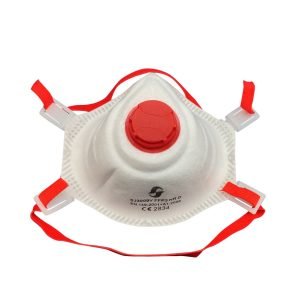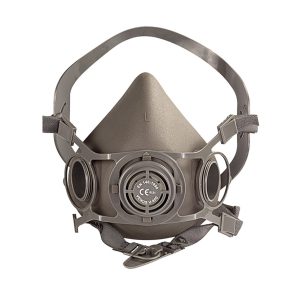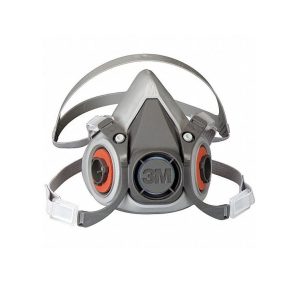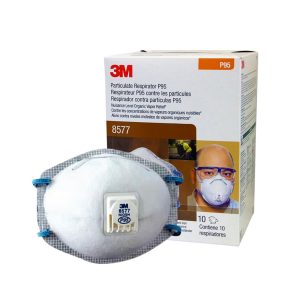
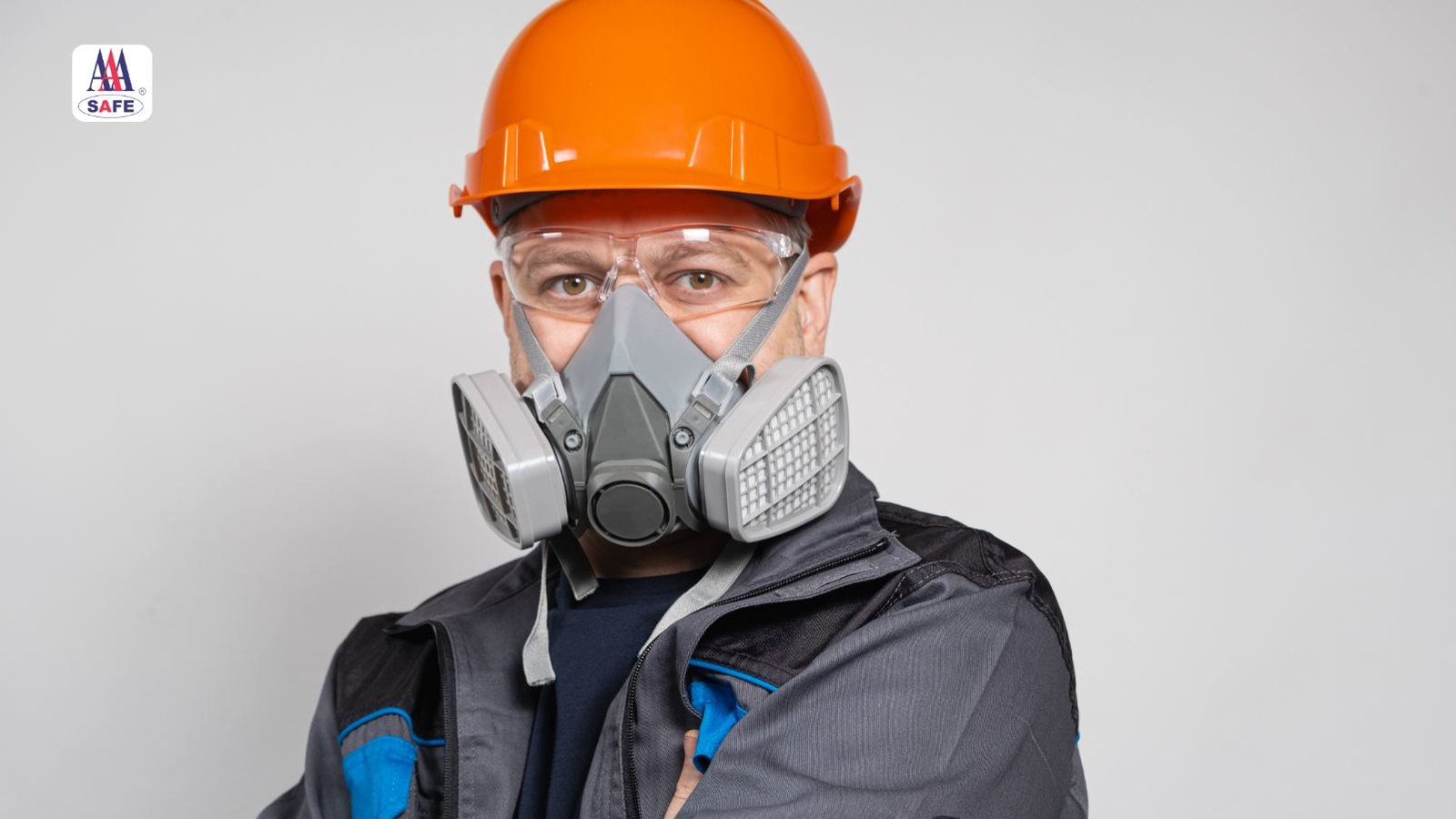
You know that moment when a miner comes up from a shift coughing dust that looks like it’s been there for weeks? That’s when understanding why respiratory devices are vital in the mining industry. It’s not just about following rules – it’s about watching good people slowly suffocate from the inside out because they didn’t have proper protection.
I’ve spent years working with mining operations across the UAE, and honestly, the companies that think they can skip proper respiratory protection are the ones that end up burying their workers instead of digging minerals. The critical importance of breathing protection becomes crystal clear when you see what silicosis does to a human being.
Look, mining will always be dangerous. That’s just the nature of tearing rocks out of the earth. But what’s not inevitable is letting your workers breathe in poison every single day. This guide breaks down the eight critical reasons proper respiratory protection matters in mining, especially in UAE’s challenging environment where extreme heat makes everything harder.
Understanding UAE Mining Industry Respiratory Hazards
Mining respiratory protection starts with understanding the deadly invisible threats that fill the air in every operation across the UAE.
UAE Mining Regulatory Framework
The UAE Ministry of Environment and Water Ministerial Order 110 of 2010 establishes specific requirements for mining and quarrying operations, including mandatory air quality monitoring and dust control measures.
Article 6 requires all mines and quarries to install at least one stationary air quality monitor for PM10 and TSP measurements, with data submitted to authorities every three months. This isn’t just paperwork – it’s about tracking the stuff that’s trying to kill your workers.
Federal Decree Law No. 33 of 2021
The UAE Federal Decree Law No. 33 of 2021 places clear obligations on mining employers to provide necessary protective equipment and maintain safe working conditions. Article 13 specifically requires employers to provide appropriate safety equipment based on workplace hazards.
For mining operations, this includes respiratory protection against silica dust, chemical vapors, and other airborne hazards that can cause permanent lung damage or death.
Regional Mining Hazards
UAE mining operations face unique challenges from extreme temperatures that can exceed 50°C, making respiratory protection both more difficult and more critical. Heat stress combined with breathing apparatus creates complex challenges that require specialized solutions.
The arid environment also means higher dust concentrations and longer particle suspension times, increasing exposure risks beyond what miners face in more temperate climates.
Need expert guidance on UAE mining respiratory protection programs? AAA Safe Dubai specializes in helping mining operations across the Emirates implement effective breathing protection systems that meet regulatory requirements while addressing extreme heat challenges.
Reason 1: Preventing Silicosis and Pneumoconiosis
Mining respiratory protection starts with the most serious threat – silicosis, an irreversible and often fatal lung disease that’s completely preventable with proper equipment.
Understanding Silicosis Risks
Silicosis affects millions of workers worldwide who are exposed to silica dust, with mining being one of the highest-risk industries. The disease develops when miners inhale respirable crystalline silica particles, which scar lung tissue and progressively destroy breathing capacity.
Research shows that many workers develop silicosis after 5-10 years of exposure and die within 15 years, making early prevention through respiratory protection absolutely critical for miner survival.
MSHA's New Silica Standards
The Mine Safety and Health Administration (MSHA) lowered the permissible exposure limit (PEL) for respirable crystalline silica to 50 micrograms per cubic meter as an 8-hour time-weighted average for all miners.
This represents a significant reduction from previous standards and requires mine operators to provide NIOSH-approved respirators when exposures exceed the PEL. The new regulations establish uniform requirements for both coal and metal operations.
Respiratory Protection Requirements
Mine operators must provide either NIOSH-approved atmosphere-supplying respiratory protection or air-purifying respiratory protection equipped with 100 series or High Efficiency (HE) particulate filters.
These respirators provide 99.97% filtration efficiency against silica dust and other hazardous airborne contaminants. The selection depends on the specific mining operation, contaminant levels, and work environment conditions.
Cost of Silicosis vs. Prevention
The economic impact of silicosis extends far beyond immediate medical costs. Workers’ compensation claims for silicosis typically range from AED 75,000-300,000 depending on disease severity and long-term care requirements.
Prevention through proper respiratory protection costs approximately AED 800-2,400 per miner annually, including equipment, training, and maintenance. This represents a fraction of the cost of treating even one case of silicosis.
Reason 2 - Protection Against Chemical Vapors and Gases
Mining respiratory safety extends beyond dust to include protection from toxic gases and chemical vapors that can cause immediate death or long-term health damage.
Common Mining Gas Hazards
Mining operations regularly encounter dangerous gases including hydrogen sulfide, carbon monoxide, methane, and nitrogen oxides. These gases can accumulate in enclosed spaces, creating atmospheres that are immediately dangerous to life and health.
- Hydrogen sulfide at concentrations above 100 ppm can cause unconsciousness and death within minutes. Many mining operations in petroleum-bearing formations face this risk daily.
- Carbon monoxide from equipment exhaust and blasting operations can cause poisoning at concentrations as low as 200 ppm over several hours.
- Methane creates explosion hazards and displaces oxygen, creating asphyxiation risks in confined mining spaces.
Chemical Processing Hazards
Modern mining operations often include on-site processing that introduces additional chemical hazards requiring respiratory protection.
- Flotation chemicals used in mineral processing can release toxic vapors including xanthates, cyanides, and various organic compounds that cause respiratory damage.
- Leaching operations using acids or alkaline solutions create vapor hazards that require chemical-specific respiratory protection.
- Solvent extraction processes release organic vapors that can cause both acute toxicity and long-term health effects including cancer.
Gas Detection and Respiratory Protection Integration
Effective gas protection requires continuous monitoring systems integrated with respiratory protection protocols.
- Personal gas monitors should be worn by all miners in areas where gas hazards may exist, with automatic alarms triggering respiratory protection procedures.
- Escape respirators must be immediately available in all areas where hazardous atmospheres may develop, providing at least 10 minutes of protection for emergency evacuation.
- Supplied-air systems are required for work in known gas hazard areas, providing unlimited duration protection independent of local atmosphere quality.
Emergency Response Procedures
Gas emergencies require immediate response capabilities that depend on proper respiratory protection.
- Self-contained breathing apparatus (SCBA) must be available for rescue operations in contaminated atmospheres.
- Emergency escape breathing apparatus (EEBA) provides essential protection during evacuation from gas-contaminated areas.
- Communication systems compatible with respiratory protection ensure emergency coordination capability even when wearing full-face respirators.
Reason 3 - Compliance with International Safety Standards
Understanding why respiratory devices are vital in the mining industry includes meeting mandatory regulatory requirements that carry severe penalties for non-compliance and protect companies from legal liability.
OSHA Respiratory Protection Standards
The OSHA Respiratory Protection Standard (29 CFR 1910.134) establishes comprehensive requirements for respiratory protection programs in all industries, including mining operations.
Key requirements include written respiratory protection programs, medical evaluations, fit testing, training, equipment maintenance, and program evaluation. Non-compliance can result in citations and fines up to $15,625 per violation.
MSHA Mining-Specific Requirements
MSHA regulations under 30 CFR Parts 56 and 57 provide mining-specific respiratory protection requirements that go beyond general OSHA standards.
The new silica rule requires respiratory protection programs following ASTM F3387-19 Standard Practice for Respiratory Protection, incorporating the latest advances in respiratory protection technologies and practices.
UAE Regulatory Compliance
UAE mining operations must comply with both federal and emirate-specific regulations governing workplace safety and respiratory protection.
- Federal Decree Law No. 33 of 2021 requires employers to provide appropriate protective equipment based on workplace hazards, with specific documentation and training requirements.
- ADNOC Operations in Abu Dhabi follow enhanced standards that require respiratory protection for all personnel exposed to airborne contaminants above action levels.
Documentation and Record Keeping
Regulatory compliance requires extensive documentation of respiratory protection programs, equipment maintenance, and worker training.
- Medical surveillance records must be maintained for the duration of employment plus six years for workers requiring respiratory protection.
- Fit testing records must be documented annually for all respirator users, with specific protocols for different respirator types.
- Training documentation must demonstrate competency in respirator use, limitations, emergency procedures, and maintenance requirements.
Legal Liability Protection
Proper respiratory protection programs provide essential legal protection against workers’ compensation claims and regulatory violations.
- Workplace injury costs for respiratory diseases average AED 50,000-200,000 per case, not including long-term medical monitoring and disability payments.
- Regulatory fines for violations can exceed AED 50,000 per incident, with potential criminal liability for serious violations resulting in worker injury or death.
- Insurance implications include potential premium increases and coverage limitations for operations with poor records or inadequate respiratory protection programs.
Reason 4 - Worker Productivity and Performance Protection
Mining respiratory protection includes maintaining worker performance and productivity by preventing respiratory impairment that reduces work capacity and increases accidents.
Respiratory Health Impact on Performance
Workers exposed to dust and chemical contaminants without proper protection experience decreased lung function that directly impacts their ability to perform physical work effectively.
- Reduced lung capacity from dust exposure decreases oxygen uptake, leading to faster fatigue and reduced work output. Studies show productivity decreases of 15-25% in workers with early-stage pneumoconiosis.
- Respiratory symptoms including cough, shortness of breath, and chest tightness interfere with concentration and physical performance, increasing accident risks and reducing work quality.
Heat Stress and Respiratory Protection
UAE mining operations face unique challenges from extreme temperatures that make respiratory protection more difficult but more essential.
- Heat-related illness increases when workers remove respiratory protection due to discomfort, creating a dangerous cycle where protection is abandoned when most needed.
- Cooling systems integrated with respiratory protection help maintain worker comfort and compliance in extreme heat conditions.
- Work scheduling may require adjustment to accommodate respiratory protection needs during peak temperature periods.
Equipment Performance in Extreme Conditions
Mining equipment in UAE conditions faces accelerated wear from dust and chemical exposure that increases maintenance costs and reduces reliability.
- Dust infiltration into equipment mechanisms causes premature wear and failure, increasing downtime and replacement costs.
- Chemical corrosion from acidic or alkaline mining processes accelerates equipment degradation, particularly in coastal operations with salt exposure.
- Preventive maintenance programs must account for accelerated aging in harsh mining environments with inadequate dust control.
Long-term Workforce Retention
Mining respiratory safety includes protecting the investment in skilled workers who represent significant training and experience value.
- Experienced miners with respiratory diseases often require job transfers to less dusty positions, losing specialized skills in critical operations.
- Recruitment difficulties increase when mining operations develop reputations for poor respiratory health protection, making it harder to attract qualified workers.
- Training costs for replacement workers can exceed AED 15,000-35,000 per position, not including lost productivity during transition periods.
Productivity Impact of Respiratory Protection
| Protection Level | Work Capacity | Accident Rate | Training Requirements | Annual Cost (AED) |
|---|---|---|---|---|
| No Protection | 70-85% baseline | 300% higher | Basic safety only | 0 |
| Basic Dust Masks | 80-90% baseline | 150% higher | Minimal training | 200-400 |
| Proper Respirators | 95-100% baseline | Baseline rate | Comprehensive program | 800-2,400 |
| Supplied Air Systems | 100%+ baseline | 50% lower | Extensive training | 3,500-6,500 |
Productivity and cost data based on UAE mining industry analysis
Looking to optimize mining workforce productivity through effective respiratory protection? AAA Safe Dubai provides comprehensive training programs designed for UAE mining operations, ensuring workers understand proper equipment use while maintaining productivity in extreme conditions.
Reason 5 - Cost-Effective Risk Management
Understanding why respiratory devices are vital in the mining industry ultimately comes down to financial sense – the cost of prevention is minimal compared to the potential costs of respiratory disease treatment and regulatory violations.
Direct Cost Comparison
The total investment in comprehensive respiratory protection typically costs AED 2,500-8,000 per miner annually, including equipment, training, medical surveillance, and program administration.
A single case of silicosis can cost AED 200,000-800,000 in medical treatment, workers’ compensation, and legal expenses over the worker’s lifetime. Advanced cases requiring lung transplantation can exceed AED 1,000,000 in total costs.
Insurance and Liability Benefits
Mining operations with comprehensive respiratory protection programs typically receive 15-30% discounts on workers’ compensation insurance premiums.
- Claims reduction from effective respiratory protection can save AED 50,000-200,000 annually for medium-sized mining operations through reduced experience modification factors.
- Legal defense costs for respiratory disease claims average AED 75,000-150,000 per case, even for claims that are successfully defended.
Operational Efficiency Gains
Proper respiratory protection reduces equipment maintenance costs by controlling dust infiltration and chemical exposure that causes premature wear.
- Equipment life extension of 20-40% is common when dust control and respiratory protection programs work together to reduce environmental contamination.
- Reduced absenteeism from respiratory illness saves approximately AED 5,000-12,000 per year per worker in lost productivity and replacement labor costs.
Regulatory Compliance Savings
- MSHA violation fines can reach AED 100,000+ for serious respiratory protection violations, particularly those resulting in worker injury or illness.
- Production shutdowns from violations can cost AED 50,000-500,000 per day depending on operation size and commodity prices.
- Regulatory scrutiny increases inspection frequency and requirements for operations with poor records, increasing administrative costs and operational restrictions.
Long-term Business Viability
Mining operations with poor respiratory health records face increasing difficulty obtaining operating permits, insurance coverage, skilled workers, and investment capital from institutional investors who consider ESG factors in funding decisions.
Reason 6 - Emergency Preparedness and Rescue Operations
Mining respiratory protection includes maintaining emergency response capability when atmospheric hazards threaten worker survival and rescue operations.
Mine Emergency Response Requirements
Mining emergencies often create atmospheric hazards that make rescue operations impossible without proper respiratory protection for both victims and rescuers.
- Fire emergencies produce toxic smoke and carbon monoxide that can kill rescuers attempting to reach trapped miners without self-contained breathing apparatus.
- Chemical spills create vapor clouds that require specialized respiratory protection for safe approach and worker evacuation.
- Structural collapses can release dust clouds and disturb hazardous materials, creating respiratory hazards for rescue personnel.
Self-Rescue Equipment
All miners working in areas with potential atmospheric hazards must have immediate access to emergency escape breathing apparatus or self-rescue devices.
- Self-contained self-rescuers (SCSR) provide 30-60 minutes of breathing protection for evacuation from contaminated atmospheres. These devices must be carried by all underground miners and available in surface operations with atmospheric hazards.
- Emergency escape respirators with a minimum 10-minute protection duration must be strategically located throughout mining operations for emergency evacuation use.
Rescue Team Equipment
Mine rescue teams require specialized respiratory protection equipment capable of extended operation in hazardous atmospheres.
- Self-contained breathing apparatus (SCBA) with 4-hour minimum operating duration allows rescue teams to conduct search and recovery operations in contaminated atmospheres.
- Supplied-air rescue systems provide unlimited operating duration for extended rescue operations, particularly important for complex underground rescues.
- Emergency medical oxygen equipment ensures rescue teams can provide life support to victims with respiratory injuries or exposure.
Communication During Emergencies
Emergency response requires communication systems compatible with respiratory protection equipment.
- Voice amplification systems ensure clear communication between personnel wearing full-face respirators or SCBA equipment.
- Electronic communication devices integrated with respiratory protection allow coordination between rescue teams and command centers.
- Emergency location systems help locate personnel who may be unconscious or unable to communicate during atmospheric emergencies.
Training and Preparedness
Emergency response effectiveness depends on regular training and equipment familiarity among all mining personnel.
- Monthly emergency drills should include scenarios requiring respiratory protection use, testing both equipment readiness and worker response.
- Equipment maintenance programs ensure emergency respiratory protection equipment is immediately available and functional when needed.
- Medical response training prepares personnel to recognize and treat respiratory emergencies including chemical exposure and oxygen deficiency.
Reason 7 - Protecting Against Long-term Occupational Disease
Mining respiratory safety extends to preventing chronic occupational diseases that develop over years of exposure and can appear long after retirement.
Coal Workers' Pneumoconiosis
Coal workers’ pneumoconiosis affects miners exposed to coal dust, with recent studies showing increasing rates of severe disease even in developed countries with regulations.
- Progressive massive fibrosis develops in advanced cases, causing severe breathing difficulties and often requiring lung transplantation. The disease can progress even after exposure ends, making prevention through respiratory protection critical.
- Mixed dust pneumoconiosis occurs when miners are exposed to both coal dust and silica, creating more severe disease patterns than either exposure alone.
Asbestosis and Mesothelioma
Although asbestos mining is now banned in most countries, many mining operations still encounter naturally occurring asbestos in rock formations and ore bodies.
- Asbestosis develops from relatively low exposure levels over extended periods, causing progressive lung scarring and breathing difficulties.
- Mesothelioma is a fatal cancer caused by asbestos exposure, with latency periods of 20-50 years between exposure and disease development.
- Legal liability for asbestos-related diseases continues decades after exposure, creating ongoing financial risks for mining companies.
Chemical-Induced Respiratory Disease
Modern mining operations use numerous chemicals that can cause long-term respiratory health effects requiring lifelong medical monitoring.
- Occupational asthma from chemical sensitizers can develop suddenly after years of apparently safe exposure, requiring permanent job changes and ongoing medical treatment.
- Chemical pneumonitis from acute or chronic chemical exposures can cause permanent lung damage and reduced respiratory function.
- Cancer risks from exposure to diesel exhaust, crystalline silica, and various mining chemicals require long-term health surveillance and early detection programs.
Medical Surveillance Programs
Effective protection against long-term disease requires comprehensive medical monitoring programs integrated with respiratory protection.
- Baseline medical examinations establish pre-employment respiratory health status for comparison with future examinations.
- Periodic health surveillance using chest X-rays, pulmonary function testing, and symptom questionnaires can detect early disease development.
- Post-employment monitoring may be required for workers with significant exposure histories, creating ongoing medical and legal obligations.
Workers' Compensation Implications
Long-term occupational diseases create complex workers’ compensation situations that can span decades.
- Latency periods between exposure and disease development complicate causation determinations and liability assignments.
- Progressive diseases like silicosis continue worsening after exposure ends, creating ongoing compensation obligations.
- Medical monitoring costs for exposed workers can continue for decades after employment ends, creating unfunded liabilities for mining companies.
Reason 8 - Environmental Protection and Community Health
Mining respiratory protection extends beyond worker protection to include environmental stewardship and community health protection around mining operations.
Fugitive Dust Control
Mining operations generate significant amounts of fugitive dust that can impact surrounding communities and ecosystems if not properly controlled.
- PM10 and PM2.5 emissions from mining activities contribute to regional air quality problems and can cause respiratory health effects in nearby populations.
- Silica dust emissions can travel several kilometers from mining sites, potentially exposing non-mining populations to lung disease risks.
- Environmental monitoring requirements under UAE Ministerial Order 110 of 2010 include quarterly air quality data submission to environmental authorities.
Regulatory Environmental Compliance
UAE environmental regulations require mining operations to minimize dust emissions and protect air quality in surrounding areas.
- Environmental Compliance Certification from the Ministry of Environment and Water is mandatory for permit renewal and requires demonstrated dust control effectiveness.
- Noise and dust barriers must be constructed around mining operations near residential areas, with specific height and placement requirements.
- Tree planting requirements help improve local ecology and reduce dust dispersion from mining sites.
Community Relations and Social License
Mining operations require community acceptance that depends partly on demonstrated environmental responsibility and health protection.
- Air quality complaints from nearby residents can lead to increased regulatory scrutiny and potential operational restrictions.
- Health impact studies may be required to assess and mitigate potential community health effects from mining emissions.
- Stakeholder engagement programs help maintain community support by demonstrating commitment to environmental and health protection.
Corporate Environmental Responsibility
Modern mining companies face increasing pressure from investors, regulators, and communities to demonstrate environmental stewardship.
- ESG reporting requirements include documentation of environmental protection measures and worker health programs.
- Sustainability targets often include specific air quality and dust emission reduction goals that require comprehensive dust control programs.
- International certification standards like ISO 14001 require systematic environmental management including air quality protection.
Long-term Environmental Liability
Poor dust control can create long-term environmental cleanup obligations and community health liabilities.
- Soil contamination from airborne dust deposition can require expensive remediation and create agricultural impact claims.
- Water quality impacts from dust settlement in watersheds can affect drinking water supplies and aquatic ecosystems.
- Health litigation from community exposure to mining emissions can result in class-action lawsuits and substantial financial settlements.
Environmental Protection Investment vs. Liability Costs
| Protection Level | Annual Investment (AED) | Potential Liability (AED) | Community Impact | Regulatory Risk |
|---|---|---|---|---|
| Minimal Controls | 50,000-150,000 | 5,000,000-25,000,000 | High complaints | Shutdown risk |
| Basic Compliance | 200,000-500,000 | 1,000,000-5,000,000 | Moderate issues | Citation risk |
| Best Practices | 800,000-2,000,000 | 100,000-500,000 | Positive relations | Minimal risk |
| Industry Leading | 1,500,000-3,500,000 | Minimal liability | Community support | Regulatory favor |
Cost estimates based on medium-sized UAE mining operations
Ready to implement comprehensive respiratory protection and environmental controls for your UAE mining operation? AAA Safe Dubai provides integrated solutions that protect workers, communities, and your business from respiratory hazards and environmental liabilities.
Frequently Asked Questions
Mining operations require different respiratory protection based on specific hazards present. MSHA requires NIOSH-approved respirators including filtering facepiece respirators (N95/N99/N100), elastomeric half or full-face respirators, and powered air-purifying respirators for silica dust protection. Underground mines often require self-contained breathing apparatus for emergency situations. Different operations need equipment matched to their specific hazards.
UAE’s extreme climate accelerates equipment degradation, requiring more frequent replacement than manufacturer recommendations. Disposable respirators should be replaced daily or when breathing resistance increases. Reusable equipment requires monthly detailed inspection with replacement every 6-12 months depending on exposure conditions. Proper replacement schedules maintain equipment effectiveness through harsh conditions.
UAE Federal Decree Law No. 33 of 2021 requires comprehensive training including respiratory protection use. Training must cover hazard recognition, proper equipment selection, fit testing, maintenance, and emergency procedures. Mining respiratory protection training typically costs AED 800-1,500 per worker annually but prevents costly disease claims and regulatory violations.
Yes, UAE mining operations must comply with Ministerial Order 110 of 2010 requiring air quality monitoring and dust control measures. Federal Decree Law No. 33 of 2021 mandates employer provision of appropriate protective equipment. Meeting these mandatory regulatory requirements that carry substantial penalties for non-compliance remains essential.
Comprehensive respiratory protection programs typically cost AED 2,500-8,000 per miner annually, including equipment, training, medical surveillance, and program administration. However, this investment prevents individual disease cases that can cost AED 200,000-800,000 in treatment and compensation. This represents excellent return on investment through cost avoidance.
Miners who refuse to wear required respiratory protection must receive immediate job transfer to areas where respirators aren’t required while maintaining their regular pay rate. If no such positions exist, the worker cannot continue employment in respiratory hazard areas. Enforcement procedures protect both workers and employers from liability.
UAE mining operations require cooling systems integrated with respiratory protection, including cooling vests, air-conditioned rest areas, and modified work schedules during peak heat periods. Supplied-air systems with cooling capabilities may be necessary for extended work in extreme conditions. Addressing heat stress challenges that can compromise protection effectiveness remains critical.
Mining operations must provide self-contained self-rescuers or emergency escape breathing apparatus for all personnel in atmospheric hazard areas. Rescue teams require SCBA equipment with minimum 4-hour operating duration. Ensuring emergency response capability when atmospheric hazards threaten worker survival remains mandatory.
Important Notice
This information provides general guidance on mining respiratory protection and should not be considered a substitute for professional consultation or regulatory advice. Mining respiratory protection requirements vary based on specific operations, hazards present, and local regulations.
UAE mining operations must comply with Federal Decree Law No. 33 of 2021, Ministerial Order 110 of 2010, and other applicable requirements. Regulations change frequently, and operators must verify current compliance obligations with relevant authorities.
Respiratory protection programs must be designed by qualified professionals familiar with mining hazards, UAE regulatory requirements, and international best practices. Improper respiratory protection selection or procedures can result in equipment failure, worker exposure, and potential fatalities.
Mining environments present complex hazards including dust, gases, chemicals, and extreme conditions that require specialized respiratory protection expertise. Professional consultation is essential for developing effective programs that protect workers while maintaining operational efficiency.
Emergency response procedures must be developed in coordination with local emergency services, medical facilities, and rescue organizations. Response capabilities vary across UAE locations, and operators must ensure adequate resources are available for their specific mining operations.
Equipment specifications and costs change frequently. Pricing information reflects general UAE market conditions and should be verified with current suppliers. Import duties, VAT, and specialized mining certifications may affect final equipment costs.
For professional consultation on mining respiratory protection programs designed specifically for UAE operations, contact qualified providers with demonstrated experience in mining environments and UAE regulatory compliance.
Conclusion
Understanding why respiratory devices are vital in the mining industry isn’t really a question anymore – it’s a fundamental requirement for operating a responsible, sustainable, and profitable mining operation. The evidence is overwhelming across every aspect of mining business operations.
From preventing silicosis that kills miners slowly to protecting your company from regulatory fines that can shut you down instantly, respiratory protection affects every aspect of mining operations. Mining respiratory safety represents the intersection of worker protection, environmental responsibility, regulatory compliance, and business continuity.
The financial case alone is compelling. A comprehensive respiratory protection program costing AED 2,500-8,000 per miner annually can prevent individual disease cases that cost AED 200,000-800,000 in treatment and compensation. But more importantly, proper respiratory protection is about honoring the fundamental obligation to protect the people who risk their lives extracting the materials our society needs.
Look, mining will always be dangerous. You can’t eliminate every risk when you’re blasting rock and moving thousands of tons of material every day. But what you can control is whether your workers breathe clean air or slowly poison themselves with every breath they take.
Mining respiratory protection comes down to a simple choice. You can invest in proper equipment and create a workplace where people can make an honest living without sacrificing their health. Or you can cut corners on protection and watch good people develop diseases that will kill them years after they’ve left your mine.
The miners working for you today trust you to keep them safe. Their families trust you to send them home healthy every day. Proper breathing protection is about honoring that trust and proving that profit doesn’t have to come at the cost of human health.
The choice is yours. Mining respiratory safety is about making the right choice – the choice that lets you sleep at night knowing you’ve done everything possible to protect the people who make your operation successful.