Choosing the right safety shoes can mean the difference between comfort and injury on UAE job sites. With extreme heat, chemical exposures, and varied terrain, your feet need protection that matches your specific work environment. Most workers focus only on toe cap protection, but the real performance differences lie in upper materials, sole composition, and how these components handle UAE’s unique challenges.
This guide breaks down leather versus Kevlar uppers, compares toe cap options, and examines TPU sole advantages to help you select safety shoes that protect your feet while maintaining comfort in demanding conditions.
Understanding Safety Shoe Upper Materials
Leather Safety Shoe Construction
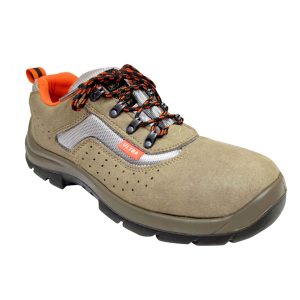
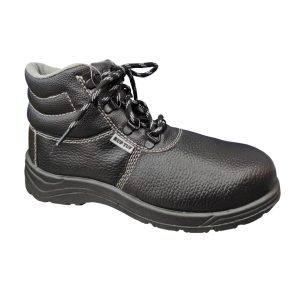
Leather remains the traditional choice for safety shoe uppers due to its natural protective properties. Full-grain leather offers the highest durability, while corrected-grain leather provides more affordable options with consistent appearance.
Key leather characteristics include:
- Natural breathability through pore structure
- Excellent abrasion resistance
- Superior puncture protection
- Chemical resistance varies by treatment
- Molds to foot shape over time
Kevlar Safety Shoe Technology
Kevlar safety shoes use aramid fiber technology in upper construction. Kevlar, along with other composite materials like carbon fiber, creates protective caps and upper reinforcement that offers unique protective properties.
Kevlar advantages include:
- Five times stronger than steel by weight
- Heat resistance up to 400°C
- Cut and puncture resistance
- Lightweight construction
- Chemical inertness
Safety Toe Cap Technology Comparison
Steel Toe Protection Standards
ASTM F2413 Protective Footwear Standard governs the minimum design, performance, testing, labeling, and classification requirements for footwear. Steel toe caps have been the traditional safety standard for decades.
Steel toe characteristics:
- Maximum impact protection
- Proven durability and reliability
- Cost-effective solution
- Heavy weight increases fatigue
- Conducts heat and electricity
Composite Toe Cap Technology
Composite toe shoes use non-metallic materials such as Kevlar, carbon fiber, or plastic to create a protective cap. These materials offer similar protection levels while addressing steel’s limitations.
Composite toe shoes offer similar levels of protection to steel toe shoes, but they are generally lighter and more comfortable to wear.
Electrical Safety Considerations
Composite toe shoes do not conduct electricity or heat, so they are ideal for people who work in environments where there is a risk of electrical shock or exposure to high temperatures.
This makes composite toe caps essential for:
- Electrical work environments
- Areas with heat exposure
- Metal detection sensitive locations
- Extended wear comfort requirements
TPU Sole Technology and Performance
Thermoplastic Polyurethane Benefits
TPU (Thermoplastic Polyurethane) soles offer advanced performance characteristics that address multiple workplace hazards simultaneously. TPU combines the elasticity of rubber with the durability of plastics.
TPU sole advantages:
- Superior slip resistance on wet and oily surfaces
- Excellent abrasion resistance
- Chemical resistance to oils, solvents, and acids
- Lightweight construction
- Temperature stability
Slip Resistance in UAE Conditions
UAE work environments present unique slip hazards including sand, oil, water, and smooth surfaces. TPU soles maintain grip across temperature variations common in UAE climates.
Critical slip resistance factors:
- Tread pattern design for specific surfaces
- Material compound for temperature stability
- Self-cleaning properties to prevent buildup
- Certification to relevant slip resistance standards
Material Performance Comparison
| Feature | Leather Uppers | Kevlar Uppers | Steel Toe | Composite/Kevlar Toe |
|---|---|---|---|---|
| Weight | Moderate | Light | Heavy | Light |
| Heat Resistance | Good | Excellent | Poor | Excellent |
| Chemical Protection | Variable | Excellent | N/A | Excellent |
| Electrical Safety | Variable | Excellent | Poor | Excellent |
| Durability | Excellent | Excellent | Excellent | Good |
| Breathability | Good | Moderate | N/A | N/A |
| Cost | Moderate | High | Low | Moderate |
Performance ratings based on material properties and industry standards
Application-Specific Recommendations
Construction and Heavy Industry
For UAE construction work involving concrete, rebar, and heavy materials:
Recommended Configuration:
- Leather uppers for puncture resistance
- Steel or composite toe caps (site requirements dependent)
- TPU soles with aggressive tread
- Metatarsal guards for additional protection
Electrical and Electronics Work
Electrical work requires non-conductive materials throughout the shoe:
Recommended Configuration:
- Kevlar uppers for heat and cut resistance
- Composite toe caps for electrical safety
- TPU soles with electrical hazard rating
- Static dissipative properties where required
Chemical Processing and Oil & Gas
Chemical exposure demands specialized protection:
Recommended Configuration:
- Kevlar uppers with chemical-resistant treatments
- Composite toe caps (non-reactive)
- TPU soles with broad chemical resistance
- Sealed construction to prevent penetration
Logistics and Warehousing
Indoor/outdoor logistics work requires comfort and versatility:
Recommended Configuration:
- Leather uppers for durability and comfort
- Composite toe caps for lighter weight
- TPU soles for slip resistance
- Breathable design for extended wear
Comfort and Ergonomic Factors
Weight Distribution Impact
Shoe weight significantly affects worker fatigue and productivity. Composite materials are generally lighter than steel, making composite-toed shoes more comfortable for extended wear.
Weight comparison typical ranges:
- Steel toe shoes: Add 200-400g per shoe
- Composite toe shoes: Add 100-250g per shoe
- Upper material weight varies by construction type
Heat Management in UAE Climate
UAE’s extreme temperatures create additional comfort challenges. Material selection affects internal shoe temperature and moisture management.
Heat management factors:
- Leather’s natural breathability
- Kevlar’s heat resistance properties
- TPU sole insulation characteristics
- Ventilation design features
Maintenance and Longevity
Leather Upper Care
Leather uppers require regular maintenance to maintain protection and appearance:
- Clean regularly with appropriate leather cleaners
- Condition to prevent cracking and maintain flexibility
- Allow proper drying between uses
- Inspect for damage that could compromise protection
Kevlar Upper Maintenance
Kevlar uppers need minimal maintenance but benefit from proper care:
- Clean with mild detergent and water
- Air dry completely before storage
- Inspect for cuts or abrasion damage
- Replace when protective integrity is compromised
TPU Sole Longevity
TPU soles typically outlast traditional rubber compounds:
- Inspect tread wear patterns regularly
- Check for chemical damage or swelling
- Replace when tread depth becomes insufficient
- Monitor for sole separation at attachment points
Safety Standards and Certifications
ASTM F2413 Compliance Requirements
Safety work boots are tested according to ASTM 2413 standards for impact and compression safety-toe resistance.
LINE 2 – F (Female) or M (Male) and I/75 (Impact safety-toe protection) and C/75 (Compression safety-toe protection) indicates the basic protection levels required.
Additional Safety Ratings
Beyond basic toe protection, additional certifications may be required:
- EH (Electrical Hazard) protection
- SD (Static Dissipative) properties
- PR (Puncture Resistant) soles
- Cd (Conductive) for specific applications
- Mt (Metatarsal) protection
Cost Considerations and Value Analysis
Initial Purchase Investment
Safety shoe costs vary significantly based on materials and certifications:
Price Factors:
- Upper material type and quality
- Toe cap technology and certifications
- Sole compound and construction
- Additional safety features
- Brand reputation and warranty
Total Cost of Ownership
Consider long-term costs beyond initial purchase:
- Replacement frequency based on durability
- Maintenance requirements and costs
- Worker comfort impact on productivity
- Injury prevention value
- Compliance with changing regulations
Frequently Asked Questions
Kevlar safety shoes justify higher costs in environments with heat exposure, chemical hazards, or electrical risks. They offer excellent protection while being lighter and more comfortable than steel alternatives, and provide electrical resistance that steel cannot match.
Leather’s chemical resistance depends heavily on the specific treatment and type of chemicals involved. Untreated leather offers limited chemical protection, while specially treated leather can resist many industrial chemicals. For broad chemical resistance, Kevlar uppers typically perform better.
Composite toe shoes offer similar levels of protection to steel toe shoes when properly certified to ASTM F2413 standards. The protection level is equivalent, but composite offers additional benefits like electrical safety and lighter weight.
TPU soles generally handle UAE’s extreme temperatures better than traditional rubber compounds. Lifespan depends on work surface conditions, chemical exposure, and usage patterns. Expect 6-12 months of service life with proper care and regular inspection.
Composite toe shoes can also pass through metal detectors, making them ideal for workers who frequently pass through security checkpoints. Steel toe caps require removal for screening.
While possible, optimal protection requires matching shoe specifications to your primary work environment. If you work in varied conditions, prioritize protection for the highest-risk environment and consider multiple pairs for different applications.
TPU refers to the sole material compound, while puncture resistance describes a specific protective feature. TPU soles can include puncture-resistant plates or construction, but not all TPU soles offer puncture protection. Check certifications for specific protective features.
Replace safety shoes when protective features are compromised: worn tread, damaged toe caps, sole separation, upper tears that could allow penetration, or loss of required certifications. Don’t wait for complete failure—protection degrades gradually.
Making the Right Choice for Your UAE Workplace
Selecting between leather safety shoes and Kevlar safety shoes depends on your specific work environment, hazard exposure, and comfort requirements.
Choose leather uppers when: Your work involves general construction, mechanical hazards, and environments where proven durability outweighs specialized protection needs.
Choose Kevlar uppers when: You face chemical exposure, electrical hazards, heat risks, or need maximum cut resistance. The investment pays off in specialized protection and comfort.
Consider TPU soles for: Superior slip resistance, chemical protection, and comfort across varied UAE work conditions. The performance benefits typically justify any cost premium.
For optimal protection, evaluate your complete work environment including specific hazards, regulatory requirements, and comfort needs. The right combination of upper materials, toe cap technology, and sole construction creates a safety shoe system that protects your feet while supporting productivity throughout long UAE workdays.
Consult with certified safety equipment specialists who understand UAE workplace requirements and can recommend specific models that meet your industry’s standards and environmental challenges.
Disclaimer: This analysis is based on general material properties and safety standards current as of January 2025. Always verify current regulations and conduct workplace-specific hazard assessments before selecting safety footwear. Ensure all chosen footwear meets applicable ASTM, OSHA, and local UAE safety requirements for your specific application.
Contact AAA Safe Dubai Today:
📞 Phone: +971-502349605
📧 Email: aaasafedubai@hotmail.com
🌐 Website: aaasafedubai.com
📍 Visit our Dubai showroom for hands-on product evaluation