
When a worker steps from 45°C summer heat into a -25°C freezer warehouse, their body experiences one of the most extreme temperature swings in any industrial setting. I watched this transition happen dozens of times during a facility audit in Jebel Ali last year, and what separated the workers who stayed productive from those struggling with numbness and fatigue came down to one factor: proper safety equipment for cold storage workers that UAE regulations require for these environments.
Here is what I have learned working with cold chain logistics facilities across Dubai, Abu Dhabi, and Sharjah. The companies that protect their cold storage workers effectively treat safety equipment as a systematic investment rather than a compliance checkbox. They understand that working in sub-zero temperatures creates unique hazards that standard protective gear cannot address. The facilities with high turnover and frequent cold-related incidents? They often provide generic winter clothing and wonder why workers develop frostbite, hypothermia symptoms, and chronic joint problems.
This guide covers the essential safety equipment for cold storage workers in the UAE. We will examine each category of protective gear employers must provide, explain the specific hazards each item addresses, provide current pricing in AED, and show you how to build a compliant cold protection program that keeps your workforce safe and productive in freezer environments.
Understanding Cold Storage Hazards in UAE Operations
Before selecting specific equipment, you need to understand why cold storage environments create such serious risks for workers. The hazards extend far beyond simple discomfort from low temperatures.
Physiological Effects of Cold Exposure
When body temperature drops, the physiological response creates cascading safety risks. Blood vessels constrict to preserve core temperature, reducing circulation to extremities. Manual dexterity decreases as hands and fingers lose sensitivity. Cognitive function slows, affecting judgment and reaction time. These effects begin at temperatures many workers consider merely uncomfortable.
Prolonged cold exposure leads to serious medical conditions. Frostbite damages tissue when skin and underlying structures freeze, potentially causing permanent injury. Hypothermia occurs when core body temperature drops below 35°C, creating confusion, loss of coordination, and in severe cases, cardiac arrest. Chilblains develop from repeated cold exposure, causing painful inflammation and skin damage. Trench foot results from prolonged exposure to cold, wet conditions.
Cold storage workers in the UAE face additional challenges from the extreme temperature differential between indoor and outdoor environments. Stepping from a -25°C freezer into 40°C+ ambient temperatures creates thermal shock that stresses the cardiovascular system. Repeated transitions throughout a shift compound this stress.
UAE Regulatory Framework for Cold Work Protection
The Abu Dhabi Occupational Safety and Health System Framework establishes requirements for protecting workers from environmental hazards including extreme cold. ADOSH-SF Element 1 requires employers to provide appropriate PPE at no cost to employees and ensure equipment meets applicable standards.
UAE Federal Decree Law No. 33 of 2021 on labor relations obligates employers to protect workers from workplace hazards. Cold exposure in freezer facilities qualifies as an occupational hazard requiring appropriate protective measures.
Dubai Municipality food safety regulations establish requirements for cold storage facilities handling food products. These regulations include worker safety provisions that complement occupational health requirements.
MOHRE inspectors verify that employers provide adequate protection for workers in hazardous environments. Facilities operating without proper cold protection equipment face citations, fines, and potential work stoppages until compliance is achieved.
Temperature Classifications for Cold Storage
Cold storage facilities operate at different temperature ranges depending on products stored. Each temperature range requires different levels of protection.
Cold Storage Temperature Classifications
| Classification | Temperature Range | Common Products | PPE Requirements |
|---|---|---|---|
| Chilled storage | 0°C to 10°C | Fresh produce, dairy | Light insulation, basic protection |
| Cold storage | -5°C to 0°C | Fresh meat, seafood | Moderate insulation, hand protection |
| Frozen storage | -18°C to -5°C | Frozen foods, ice cream | Full insulation, face protection |
| Deep freeze | -25°C to -18°C | Long-term storage | Maximum insulation, respiratory protection |
| Blast freezing | Below -30°C | Rapid freezing operations | Extreme cold gear, limited exposure time |
Workers may move between multiple temperature zones during a single shift, requiring equipment that provides protection across varying conditions while allowing sufficient mobility for work tasks.
Essential Safety Equipment Categories for Cold Storage Workers
Insulated Head Protection
Heat loss from the head accounts for a significant portion of total body heat loss in cold environments. Proper head protection is essential for maintaining core temperature and protecting ears from frostbite.
Thermal Hard Hat Liners
Standard safety helmets required in warehouse environments provide no thermal protection. Thermal liners fit inside hard hats, adding insulation without compromising impact protection. Quality liners use materials like fleece or synthetic insulation that retain warmth even when damp from condensation.
Liners should cover ears completely, as ears are highly susceptible to frostbite due to limited blood flow and high surface-area-to-volume ratio. Some designs include fold-down ear flaps that provide additional coverage when needed.
Balaclava and Face Masks
In deep freeze environments below -18°C, exposed facial skin can develop frostbite within minutes. Balaclavas cover the entire head and neck with openings for eyes and sometimes mouth. Full-face balaclavas with breathing holes prevent moisture buildup from respiration while protecting all exposed skin.
Face masks protect nose, cheeks, and chin in moderately cold environments where full balaclava coverage is excessive. Neoprene and fleece designs provide warmth while allowing verbal communication.
Cost Estimates for Head Protection
| Item | Material | Temperature Rating | Cost Range (AED) |
|---|---|---|---|
| Thermal hard hat liner | Fleece | To -10°C | 25–50 |
| Thermal hard hat liner | Synthetic insulation | To -25°C | 40–80 |
| Lightweight balaclava | Fleece | To -15°C | 30–60 |
| Heavy-duty balaclava | Insulated synthetic | To -30°C | 60–120 |
| Face mask | Neoprene | To -20°C | 20–45 |
Prices reflect UAE market conditions including 5% VAT as of 2025
Insulated Body Protection
Core body temperature maintenance depends on adequate torso insulation. Cold storage workers require layered systems that trap warmth while allowing moisture to escape and providing sufficient mobility for work tasks.
Base Layers
Moisture-wicking base layers form the foundation of cold protection. When workers exert themselves, sweat accumulates against the skin. In cold environments, wet clothing accelerates heat loss dramatically. Quality base layers move moisture away from skin to outer layers where it can evaporate.
Synthetic materials like polyester and polypropylene wick moisture effectively and dry quickly. Merino wool provides natural moisture management with odor resistance for extended wear. Cotton is unsuitable for cold storage work because it absorbs moisture and loses insulating properties when wet.
Base layers should fit snugly without restricting movement. Loose base layers create air pockets that reduce moisture wicking efficiency. Most cold storage operations require both upper and lower base layers for complete protection.
Insulating Mid-Layers
Mid-layers provide primary thermal insulation by trapping air in fibrous materials. Fleece jackets and pants offer good warmth-to-weight ratio with quick drying properties. Synthetic insulation like Thinsulate provides warmth without bulk, maintaining mobility for warehouse tasks.
For deep freeze environments, down insulation provides maximum warmth but loses effectiveness when wet. Synthetic alternatives maintain insulating properties even when damp, making them preferable for environments where condensation is common.
Mid-layer thickness should match temperature exposure. Workers in -5°C environments need less insulation than those in -25°C freezers. Providing multiple mid-layer options allows workers to adjust protection based on assigned work areas.
Outer Shells and Freezer Suits
Outer layers protect insulation from damage and provide wind resistance. In cold storage facilities, wind chill from air circulation systems can significantly increase effective cold exposure. Windproof outer shells prevent cold air from penetrating insulation layers.
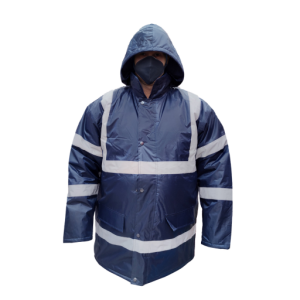
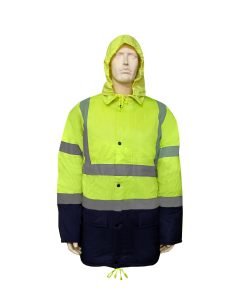
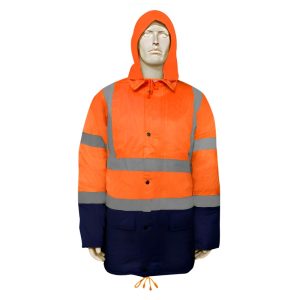
Purpose-built freezer suits combine insulation and outer shell in single garments designed specifically for cold storage work. Quality freezer suits feature insulation rated for specific temperature ranges, windproof and water-resistant outer materials, reinforced high-wear areas at knees, elbows, and shoulders, reflective strips for visibility in warehouse environments, and multiple pockets positioned for accessibility while wearing gloves.
For facilities requiring proper safety equipment for cold storage workers, freezer suits represent the most practical solution for employees spending extended periods in sub-zero environments.
Body Protection Cost Estimates
| Item | Specification | Temperature Rating | Cost Range (AED) |
|---|---|---|---|
| Moisture-wicking base layer (top) | Polyester blend | N/A | 40–80 |
| Moisture-wicking base layer (bottom) | Polyester blend | N/A | 35–70 |
| Fleece mid-layer jacket | 200-weight fleece | To -10°C | 80–150 |
| Insulated mid-layer jacket | Synthetic fill | To -20°C | 150–300 |
| Basic freezer jacket | Light insulation | To -10°C | 200–400 |
| Heavy-duty freezer suit | Full insulation | To -30°C | 500–1,200 |
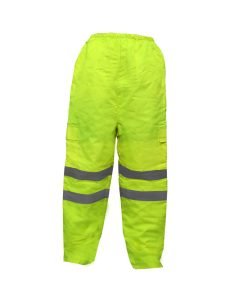
| Freezer bib overalls | Insulated | To -25°C | 300–600 |
Prices reflect UAE market conditions including 5% VAT as of 2025
For complete safety equipment programs for cold storage workers including insulated clothing fitted to your workforce, AAA Safe Dubai supplies freezer facilities across Dubai, Abu Dhabi, and Sharjah with compliant cold protection equipment meeting international standards.
Insulated Hand Protection
Hands face the highest frostbite risk in cold storage environments due to fine blood vessels and high surface area exposure. Gloves must balance thermal protection with the dexterity required for warehouse tasks like operating equipment, handling products, and using scanning devices.
Glove Selection by Task and Temperature
Different cold storage tasks require different glove types. Forklift operators need moderate insulation with grip for steering and controls. Order pickers need dexterity for handling individual items and operating handheld scanners. Loading dock workers transitioning between cold and ambient environments need versatile protection.
Thermal Work Gloves
Standard thermal gloves provide basic cold protection suitable for chilled storage environments above -5°C. Insulated leather or synthetic palms provide grip while maintaining warmth. These gloves allow reasonable dexterity for general handling tasks.
Freezer Gloves
Purpose-built freezer gloves feature heavier insulation for environments below -10°C. Multi-layer construction combines moisture-wicking liners, insulating middle layers, and durable outer shells. Quality freezer gloves maintain flexibility despite thick insulation, allowing workers to perform tasks without removing protection.
Extreme Cold Gloves
Deep freeze environments below -25°C require maximum hand protection. Extreme cold gloves feature the heaviest insulation with extended cuffs covering wrists. Some designs include removable liner systems allowing workers to swap wet liners for dry ones during shifts.
Glove Liner Systems
Thin liner gloves worn under outer gloves add warmth and provide backup protection when outer gloves are removed briefly. Liner gloves also wick moisture away from hands, preventing sweat accumulation that accelerates cooling.
Hand Protection Cost Estimates
| Glove Type | Temperature Rating | Features | Cost Range (AED) |
|---|---|---|---|
| Thermal work gloves | To -5°C | Basic insulation, grip palm | 30–60 |
| Freezer gloves | To -15°C | Medium insulation, waterproof | 50–100 |
| Heavy-duty freezer gloves | To -25°C | Heavy insulation, extended cuff | 80–150 |
| Extreme cold gloves | To -40°C | Maximum insulation, liner system | 120–250 |
| Glove liners | N/A | Moisture-wicking, thin | 15–35 |
Prices reflect UAE market conditions including 5% VAT as of 2025
Insulated Foot Protection
Feet contact cold surfaces directly throughout shifts, making insulated footwear critical for cold storage workers. Standard safety boots provide inadequate protection in freezer environments, leading to numbness, reduced mobility, and potential cold injuries.
Freezer Safety Boots
Purpose-built freezer boots combine safety features required in warehouse environments with thermal insulation appropriate for cold storage work. Essential features include composite or steel toe caps meeting ASTM F2413 impact standards, insulation rated for facility temperatures, slip-resistant soles designed for wet and icy surfaces, moisture-wicking linings preventing sweat accumulation, and insulated midsoles blocking cold transfer from floors.
Freezer boot insulation is rated by temperature, typically ranging from -20°C to -40°C for heavy-duty models. Select boots rated below your coldest operating temperature to ensure adequate protection during extended exposure.
Insulated Sock Systems
Quality socks significantly enhance foot warmth and comfort. Moisture-wicking materials prevent sweat accumulation that accelerates heat loss. Wool and synthetic blends provide warmth even when slightly damp. Layered sock systems combining thin liner socks with heavier outer socks improve moisture management and thermal performance.
Socks should fit properly without bunching or constriction. Tight socks restrict circulation, accelerating cold penetration. Boots should accommodate appropriate sock thickness without becoming too tight.
Foot Protection Cost Estimates
| Item | Temperature Rating | Features | Cost Range (AED) |
|---|---|---|---|
| Freezer safety boots (light) | To -20°C | Composite toe, basic insulation | 250–400 |
| Freezer safety boots (medium) | To -30°C | Steel toe, heavy insulation | 400–600 |
| Freezer safety boots (extreme) | To -40°C | Maximum insulation, removable liner | 600–900 |
| Thermal socks (wool blend) | N/A | Moisture-wicking, cushioned | 25–50 per pair |
| Sock liners | N/A | Thin, moisture-wicking | 15–30 per pair |
Prices reflect UAE market conditions including 5% VAT as of 2025
Eye and Face Protection
Cold storage environments create unique eye hazards beyond standard warehouse risks. Temperature transitions cause safety glasses to fog instantly, obscuring vision. Frost can accumulate on lenses during extended freezer exposure. Cold air irritates eyes and can cause excessive tearing.
Anti-Fog Safety Glasses
Standard safety glasses fog immediately when workers transition between temperature zones. Anti-fog coatings and designs prevent moisture accumulation that obscures vision. Double-lens designs with sealed air gaps resist fogging similar to insulated window glass.
Thermal Goggles
For deep freeze environments, sealed goggles provide eye protection while preventing cold air from directly contacting eyes. Foam-lined frames create thermal barriers while ensuring proper seal. Anti-fog coatings remain essential even with sealed designs.
Face Shields for Freezer Work
When workers face splash hazards or need full-face protection in cold environments, insulated face shields provide combined protection. Anti-fog coatings and designs are essential for maintaining visibility.
Respiratory Considerations
Breathing extremely cold air can irritate airways and trigger bronchospasm in susceptible individuals. While not always classified as respiratory PPE, cold air management devices protect respiratory health during freezer work.
Cold Air Respirator Masks
Thermal exchange respirators warm incoming air before it reaches airways. These devices use body heat from exhaled air to pre-warm inhaled air, reducing thermal shock to respiratory tissues. Workers with asthma or respiratory conditions benefit significantly from these devices.
In blast freezing environments below -30°C, respiratory protection becomes essential for all workers during extended exposure periods.
Implementing a Safety Equipment Program for Cold Storage Workers
Selecting appropriate equipment is only the first step. Effective cold protection requires systematic implementation addressing fit, training, maintenance, and work practices.
Proper Fitting and Sizing
Safety equipment for cold storage workers must fit correctly to provide rated protection. Oversized garments create gaps allowing cold air penetration. Undersized garments restrict circulation and movement, accelerating cold exposure and reducing work efficiency.
Conduct individual fitting sessions for each worker. Freezer suits and boots especially require proper sizing for effective protection. Document sizes for each worker to streamline replacement ordering.
Layer systems must work together. Base layers, mid-layers, and outer shells should fit properly when worn in combination without restricting movement or creating pressure points.
Training Requirements
Workers must understand how to use safety equipment for cold storage workers properly and recognize signs of cold-related injuries. Training should cover proper donning and doffing sequences for layered systems, inspection procedures identifying worn or damaged equipment, recognition of frostbite and hypothermia symptoms in themselves and coworkers, work-rest schedules appropriate for temperature exposure, proper storage and maintenance of cold weather equipment, and emergency procedures for cold-related injuries.
Document all training completion for MOHRE compliance verification. Annual refresher training reinforces proper practices and addresses any equipment changes.
Work-Rest Schedules
Extended cold exposure without warming breaks increases injury risk regardless of PPE quality. Implement work-rest schedules based on temperature and activity level.
Recommended Work-Rest Schedules for Cold Storage
| Temperature | Light Work | Moderate Work | Heavy Work |
|---|---|---|---|
| 0°C to -10°C | Continuous with breaks | 75 min work / 15 min warm | 60 min work / 15 min warm |
| -10°C to -20°C | 60 min work / 15 min warm | 45 min work / 15 min warm | 30 min work / 15 min warm |
| -20°C to -30°C | 45 min work / 15 min warm | 30 min work / 15 min warm | 20 min work / 20 min warm |
| Below -30°C | 30 min work / 20 min warm | 20 min work / 20 min warm | 15 min work / 30 min warm |
Schedules assume workers are wearing appropriate PPE for temperature range
Warming breaks should occur in heated areas where workers can remove outer layers, drink warm fluids, and allow body temperature to recover before returning to cold exposure.
Does your facility need assistance developing safety equipment programs for cold storage workers including work-rest schedules and training materials? AAA Safe Dubai provides consultation services for cold chain facilities throughout Dubai, Abu Dhabi, and Sharjah.
Equipment Maintenance and Replacement
Cold storage PPE requires regular maintenance to maintain protective properties. Insulation compressed from wear or washing loses effectiveness. Waterproof coatings degrade over time. Seams and closures wear from repeated use.
Establish inspection schedules for all cold protection equipment. Replace items showing signs of wear including compressed insulation that no longer provides warmth, damaged waterproof coatings allowing moisture penetration, worn seams or closures creating gaps, cracked or stiff materials from repeated freezing, and persistent odor indicating bacterial growth.
Most freezer suits and boots require replacement every 12-24 months with regular use. Gloves typically need replacement every 3-6 months depending on use intensity. Base layers and socks may need replacement monthly in heavy-use operations.
Transition Zone Management
The temperature differential between UAE outdoor environments and cold storage facilities creates unique challenges. Workers transitioning from 40°C+ ambient temperatures to -25°C freezers experience thermal shock that PPE alone cannot fully address.
Implement transition zones where workers can adjust to temperature changes gradually. Staging areas at intermediate temperatures allow bodies to begin adapting before entering extreme cold. Similarly, workers exiting freezers should spend time in cooler staging areas before entering hot outdoor conditions.
Provide facilities for removing and storing cold weather PPE when workers exit freezer areas. Wearing insulated clothing in ambient UAE temperatures creates heat stress risk.
Cost Analysis for Safety Equipment Programs
Understanding total program costs helps justify investment and plan budgets appropriately.
Per-Worker Equipment Costs
| Item | Quantity Needed | Cost Per Item (AED) | Annual Cost (AED) |
|---|---|---|---|
| Freezer suit | 1-2 per year | 500–1,200 | 500–2,400 |
| Freezer boots | 1 per year | 400–600 | 400–600 |
| Freezer gloves | 4–6 per year | 80–150 | 320–900 |
| Thermal hard hat liner | 2 per year | 40–80 | 80–160 |
| Balaclava | 2–3 per year | 60–120 | 120–360 |
| Base layers (sets) | 4–6 per year | 75–150 per set | 300–900 |
| Thermal socks | 12 pairs per year | 25–50 | 300–600 |
| Total per worker | – | – | 2,020–5,920 |
Costs assume moderate use in environments around -20°C
For a facility with 25 cold storage workers, annual PPE costs range from approximately AED 50,000 to AED 150,000 depending on temperature conditions, equipment quality, and replacement frequency.
Compare these costs to potential consequences of inadequate protection including MOHRE fines ranging from AED 5,000 to AED 50,000 per violation, workers’ compensation claims for cold injuries averaging AED 50,000-200,000 per serious injury, productivity losses from worker discomfort and reduced efficiency, turnover costs from workers leaving due to poor working conditions, and medical costs for treating cold-related health conditions.
The investment in proper safety equipment for cold storage workers delivers significant return through injury prevention, productivity maintenance, and regulatory compliance.
Frequently Asked Questions
UAE regulations require employers to provide appropriate protective equipment whenever workers face occupational hazards. For cold storage, this typically means any environment below 10°C requires some level of protection, with requirements increasing as temperatures decrease. Freezer environments below 0°C require dedicated cold protection equipment. Deep freeze environments below -18°C require maximum protection including insulated suits, boots, and head covering.
Replacement frequency depends on use intensity and equipment condition. Freezer suits typically last 12-24 months with regular use before insulation degrades. Freezer boots generally last 12-18 months. Gloves require replacement every 3-6 months due to wear from handling tasks. Inspect all equipment regularly and replace when insulation is compressed, waterproofing is compromised, or materials show damage from repeated freezing and thawing cycles.
Regular winter clothing is not adequate for cold storage work in most cases. Purpose-built safety equipment for cold storage workers is designed for the specific conditions of freezer environments including repeated temperature transitions, moisture from condensation, and the need for mobility during warehouse tasks. Regular winter clothing often lacks appropriate insulation ratings, waterproofing, safety features like steel toes, and durability for industrial use.
Select PPE rated for temperatures below your coldest operating environment. If your primary freezer operates at -20°C, select equipment rated to at least -25°C or -30°C to ensure adequate protection during extended exposure. Consider that air movement from circulation systems increases effective cold exposure beyond static temperature readings. When in doubt, select higher-rated equipment.
Early frostbite signs include skin that appears pale, waxy, or grayish-yellow, numbness or tingling in affected areas, skin that feels unusually firm or waxy when touched, and aching or throbbing sensation. Advanced frostbite involves hard, frozen tissue that does not respond to pressure. Workers noticing any early signs should immediately move to warm areas and report the condition. Never rub or apply direct heat to potentially frostbitten tissue.
While UAE regulations do not specify exact work-rest schedules, employers are obligated to protect workers from occupational hazards. Cold exposure without adequate warming breaks creates health risks that proper work-rest schedules address. ADOSH-SF requires employers to implement controls commensurate with identified hazards. Implementing appropriate work-rest schedules demonstrates compliance with general duty requirements to protect worker health.
Store cold storage protective equipment in clean, dry areas at room temperature. Allow equipment to dry completely before storage to prevent mold and mildew growth. Do not store insulated items compressed, as this damages insulation loft. Hang freezer suits and jackets rather than folding. Store boots upright with boot shapers or stuffing to maintain shape. Keep gloves in pairs and allow complete drying between uses.
Workers with cardiovascular conditions, Raynaud’s phenomenon, diabetes, or respiratory conditions may face elevated risks from cold exposure. These workers may require enhanced PPE, modified work-rest schedules, restricted exposure times, or reassignment to warmer work areas. Consult occupational health professionals to develop appropriate accommodations for workers with medical conditions affecting cold tolerance.
The extreme temperature differential between UAE outdoor conditions and freezer environments requires careful management. Establish transition zones at intermediate temperatures where workers can gradually adjust. Provide facilities for removing cold weather PPE before entering hot outdoor areas to prevent heat stress. Allow adequate transition time in both directions. Monitor workers for signs of thermal stress during transitions.
The facility operator bears primary responsibility for safety of all workers on site including subcontractors. Either provide appropriate cold storage PPE to subcontractors or verify their equipment meets your facility requirements before allowing cold area access. Include PPE requirements in subcontractor agreements and verify compliance before work begins. Brief all subcontractors on facility-specific cold safety procedures.
Important Notice
This guide provides general information about safety equipment for cold storage workers for educational purposes. It is not a substitute for professional safety consultation or official regulatory compliance.
Cold storage PPE requirements vary based on specific temperature conditions, exposure duration, work activities, and individual worker factors. Employers must conduct formal hazard assessments and implement protection programs compliant with ADOSH-SF requirements and UAE Federal Decree Law No. 33 of 2021.
Workers with certain medical conditions may face elevated risks from cold exposure requiring additional protective measures or work restrictions. Consult occupational health professionals when developing cold protection programs.
Professional safety consultants experienced with UAE cold chain operations should review all safety equipment programs for cold storage workers before implementation. This guide is informational only and does not replace professional safety consultation.
Building an Effective Cold Protection Program
The cold storage facilities across the UAE that protect their workers effectively share common characteristics. They invest in quality safety equipment for cold storage workers rather than cutting corners with inadequate gear. They train workers thoroughly on proper use and cold injury recognition. They implement work-rest schedules that allow physiological recovery from cold exposure. They maintain equipment diligently and replace worn items promptly.
Your cold storage workers depend on the decisions you make about their protection. Every shift, they enter environments that can cause serious injury within minutes if protection fails. That responsibility demands genuine investment in proper equipment and systematic implementation.
Start with honest assessment of your facility’s temperature conditions and exposure patterns. Select equipment rated for your actual operating environments with appropriate safety margins. Fit each worker individually for layered protection that works together effectively. Train thoroughly on proper use and cold injury recognition. Implement work-rest schedules appropriate for your conditions. Maintain and replace equipment before it fails.
For ongoing safety equipment support for cold storage workers including equipment supply, fitting services, and training programs, AAA Safe Dubai partners with cold chain facilities throughout Dubai, Abu Dhabi, and Sharjah to maintain worker protection year-round.
The investment in proper cold protection is minimal compared to the consequences of inadequate preparation. Your workers are counting on you to make the right choices. Make them count.