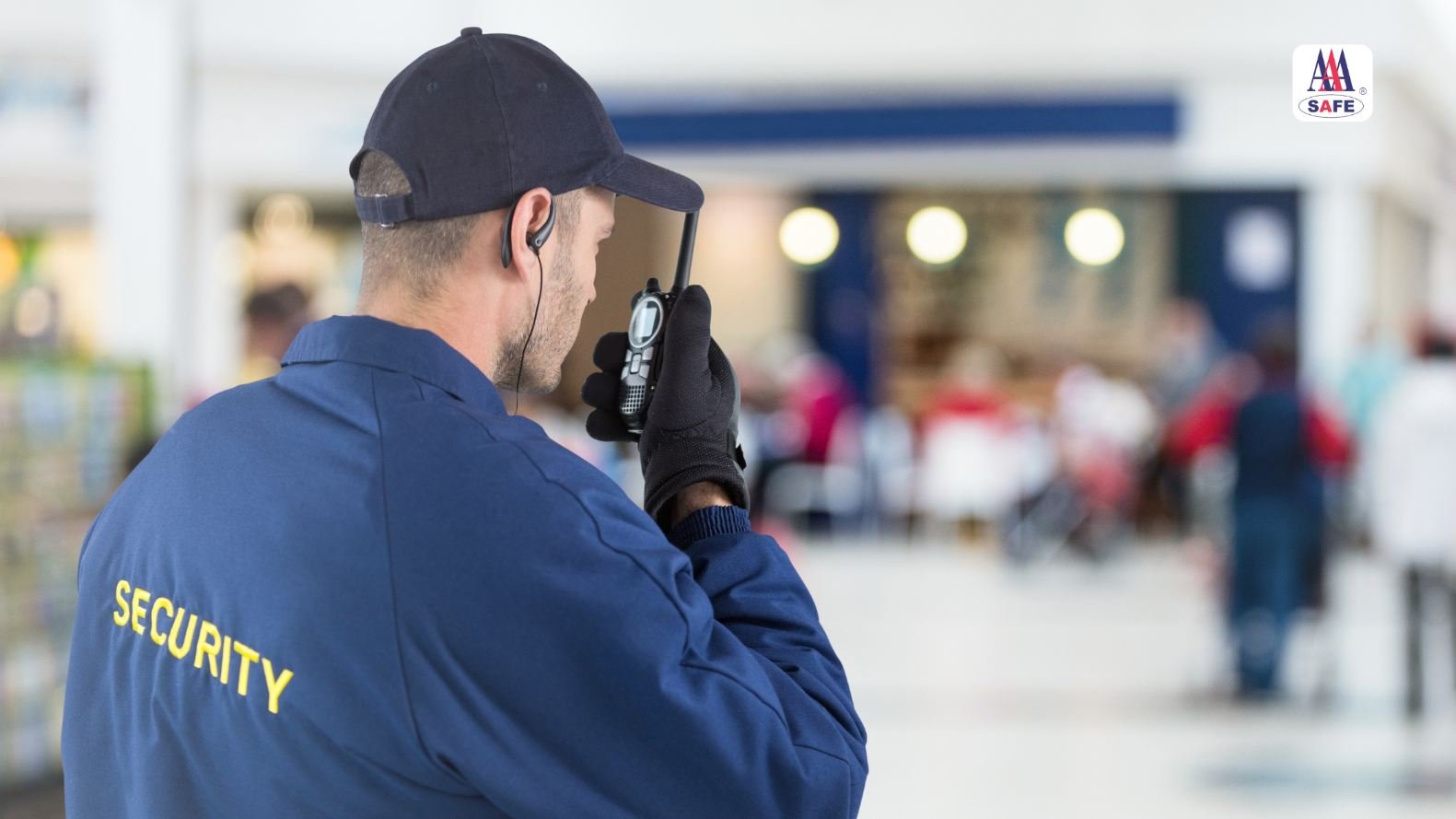
Security personnel in the UAE face escalating risks that demand comprehensive protective equipment beyond traditional uniforms and badges. With Dubai’s Security Industry Regulatory Agency (SIRA) implementing stricter safety standards and the UAE Labor Law mandating employer-provided protective equipment, understanding essential security guard safety requirements becomes crucial for both security companies and their personnel.
This comprehensive guide outlines eight critical equipment categories that ensure security personnel remain protected, compliant, and operationally effective in UAE’s unique environmental and regulatory landscape.
Essential Protective Clothing and High-Visibility Equipment
SIRA-Compliant Uniform Standards and Professional Appearance
Begins with properly fitted, regulation-compliant uniforms that meet both protection and identification requirements established by Dubai’s regulatory framework. SIRA mandates specific uniform standards ensuring security personnel remain easily identifiable while maintaining professional appearance appropriate for UAE’s diverse cultural environment.
Uniform Component Specifications
- Base Fabric Requirements. Minimum 65% polyester blend for durability in UAE heat
- Color Standards. Authorized colors per SIRA guidelines with contrasting identification panels
- Fit Parameters. Professional tailoring allowing full range of motion for emergency response
- Cultural Considerations. Modest coverage meeting UAE social expectations and religious sensitivities
Security Industry Regulatory Agency regulations require security personnel to maintain specific uniform standards that ensure professional identification while providing basic protection against environmental conditions.
High-Visibility Vest Requirements for Different Environments
UAE security operations span diverse environments from air-conditioned malls to outdoor construction sites, requiring adaptable high-visibility equipment that maintains effectiveness across varying lighting and weather conditions.
Environment-Specific Visibility Standards
| Location Type | Minimum Class | Reflective Tape Width | Color Requirements | UAE-Specific Considerations |
|---|---|---|---|---|
| Indoor Facilities | Class 1 | 25mm strips | Orange/Yellow standard | Cultural sensitivity for mixed environments |
| Outdoor Events | Class 2 | 50mm strips | Enhanced contrast colors | UV resistance for desert conditions |
| Traffic Control | Class 3 | 50mm+ with additional strips | International orange | Heat reflection properties essential |
| Emergency Response | Class 3+ | Maximum reflectivity | High-contrast combinations | Multi-language identification panels |
Note: Classification standards based on EN ISO 20471 international high-visibility clothing requirements adapted for UAE operational environments.
High-visibility equipment becomes essential for security personnel working in vehicular traffic areas or managing crowd control during large-scale events common throughout the UAE.
Body Armor and Ballistic Protection Systems
Threat Assessment and Protection Level Selection
The UAE’s evolving security landscape demands systematic threat assessment to determine appropriate ballistic protection levels for different security assignments. Security professionals must evaluate specific risk profiles when selecting appropriate protection equipment.
| Security Assignment | Threat Level | Minimum NIJ Rating | Vest Type | Weight Consideration |
|---|---|---|---|---|
| Retail/Mall Security | IIA | Level IIA (9mm/.40 S&W) | Concealed soft armor | 1.2-1.8kg for 12-hour shifts |
| Corporate/VIP Protection | II | Level II (357 Magnum/.45 ACP) | Low-profile tactical | 1.8-2.4kg with enhanced coverage |
| Bank/Financial Security | IIIA | Level IIIA (.44 Magnum/.357 SIG) | Overt tactical vest | 2.0-3.0kg with trauma plate options |
| Critical Infrastructure | III | Level III (7.62mm NATO) | Hard plate system | 3.5-5.0kg including ceramic plates |
Climate Considerations for UAE Conditions
Heat Management Features for Desert Operations
Heat Management Technologies- Moisture-Wicking Liners. Advanced synthetic fabrics preventing heat buildup against skin
- Ventilation Systems. Strategic air channels allowing airflow without compromising protection
- Lightweight Materials. High-strength fiber technology reducing weight burden significantly
- Cooling Integration. Compatible designs accommodating cooling vest systems
Communication Devices and Emergency Response Equipment
Multi-Channel Radio Systems and Backup Communications
Effective security operations depend on reliable communication networks that function across diverse UAE environments from underground parking garages to high-rise towers with challenging RF propagation characteristics.
| Communication Type | Primary Use | Range Requirements | Battery Life | UAE Considerations |
|---|---|---|---|---|
| Digital Handheld Radio | Routine operations | 2-5km coverage | 12+ hours continuous | Heat-resistant electronics |
| Bluetooth Earpiece | Discrete communication | 10m radio range | 8+ hours talk time | Sweat-resistant materials |
| Emergency Beacon | Crisis situations | Unlimited (cellular) | 72+ hours standby | Multi-carrier network support |
| Body-Worn Camera | Evidence/accountability | N/A | 12+ hours recording | Tamper-proof storage |
Smartphone Integration and Emergency Protocols
Modern security operations integrate smartphone technology with traditional communication systems, providing enhanced capabilities for emergency response, documentation, and coordination with local authorities.
Digital Communication Enhancement Systems
Smartphone Capability Requirements
- Emergency Contact Integration. Speed-dial access to Dubai Police, Civil Defence, and medical services
- GPS Location Sharing. Real-time positioning for emergency responder coordination
- Incident Documentation. High-resolution photography/video with timestamp/location metadata
- Translation Applications. Multi-language communication support for UAE’s diverse population
Integrated smartphone/radio communications systems reduce emergency response times and improve coordination with local authorities during critical incidents.
Personal Protection and Self-Defense Tools
Non-Lethal Deterrent Options and Legal Compliance
UAE regulations strictly govern security guard access to defensive tools, requiring comprehensive understanding of legal limitations and proper training for authorized equipment deployment.
| Equipment Type | Legal Status | Training Required | Deployment Situations | Restrictions |
|---|---|---|---|---|
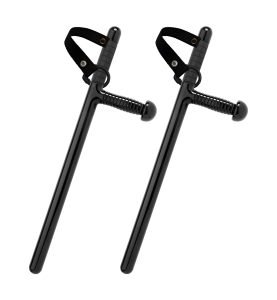
| Expandable Baton | Licensed use only | SIRA-approved course | Physical threat imminent | UAE citizens/residents only |
| Pepper Spray | Restricted authorization | Chemical agent certification | Self-defense situations | Specific concentration limits |
| Handcuffs | Security company provision | Restraint procedures training | Detaining suspects | Must transfer to police quickly |
| Personal Alarm | Unrestricted | Basic training recommended | Emergency situations | Volume limitations in residential areas |
First Aid and Emergency Medical Equipment
Security personnel often serve as first responders during medical emergencies, requiring appropriate medical equipment and training to provide initial care until professional medical services arrive.
Medical Response Kit Components
Emergency Medical Kit Requirements
- Trauma Dressings. Sterile wound care for laceration and puncture injuries
- Hemostatic Agents. Blood clotting compounds for severe bleeding control
- Airway Management. Simple devices ensuring breathing pathway clearance
- Medication Access. EpiPen administration training for allergic emergency response
Security guards trained in first aid and equipped with proper medical supplies serve as crucial first responders during medical emergencies until professional services arrive.
Flashlights and Illumination Equipment
High-Intensity LED Technology for Desert Conditions
UAE security operations require illumination equipment capable of performing effectively across extreme environmental conditions from air-conditioned interiors to 50°C outdoor temperatures with frequent sandstorm exposure.
| Flashlight Type | Lumen Output | Battery Type | Runtime | Special Features |
|---|---|---|---|---|
| Primary Duty Light | 800-1200 lumens | Rechargeable Li-ion | 4-6 hours high | Strobe/SOS functions |
| Backup/Pocket Light | 200-400 lumens | CR123A/AA batteries | 8-12 hours | Waterproof to IPX7 |
| Area Flood Light | 2000+ lumens | External power/battery | Continuous operation | Remote activation |
| UV Detection Light | 365-395nm wavelength | Standard batteries | 2-4 hours | Document verification |
Hands-Free and Weapon-Mounted Options
Modern security operations demand illumination solutions that maintain tactical advantage while preserving full use of both hands for emergency response, communication, and defensive actions.
Tactical Lighting Solutions
Hands-Free Lighting Systems
- Tactical Headlamps. Adjustable beam focus with red-light preservation mode
- Chest-Mounted Lights. Body-worn systems activated by pressure switches
- Helmet Integration. Built-in lighting systems for specialized security assignments
- Magnetic Mounting. Flexible positioning options for temporary area lighting
Hands-free lighting systems improve response efficiency during power outage situations and emergency evacuations while reducing officer fatigue during extended operations.
Personal Identification and Documentation Systems
SIRA License and Certification Requirements
Every security guard operating in Dubai must maintain current SIRA licensing and carry appropriate identification meeting strict regulatory standards for verification and compliance monitoring.
Required Documentation Standards
- SIRA Security License. Current certification with photo identification and authorization codes
- Emirates ID. Official UAE identification required for all residents and workers
- Company Authorization. Employer-issued credentials specifying assignment scope and limitations
- Training Certificates. Documentation proving completion of mandatory safety and security courses
SIRA enforcement requires security personnel to maintain current documentation to avoid immediate work suspension and potential AED 5,000-15,000 fines, making documentation compliance critical for both individual guards and employing companies.
Digital Identity and Access Control Integration
Modern UAE facilities increasingly employ sophisticated access control systems requiring security personnel to carry compatible identification technology for seamless integration with building security infrastructure.
Technology Integration Requirements
Digital Identity Systems
- RFID/NFC Cards. Proximity access for secured areas and time tracking
- Biometric Registration. Fingerprint and facial recognition system enrollment
- Mobile Credentials. Smartphone-based access applications with encrypted security
- Backup Systems. Secondary identification methods for technology failures
Integrated digital identity systems reduce security checkpoint processing time while providing comprehensive audit trails for regulatory compliance and incident investigation.
Specialized Equipment for UAE Climate Conditions
Heat Stress Prevention and Hydration Systems
UAE’s extreme climate creates unique occupational health challenges requiring specialized equipment to prevent heat-related illness during extended outdoor security assignments.
| Equipment Category | Specific Items | Performance Standards | Replacement Schedule |
|---|---|---|---|
| Cooling Vests | Phase change material inserts | 4+ hour cooling duration | PCM packs monthly |
| Hydration Systems | Insulated water reservoirs | 3+ liter capacity, BPA-free | Bladders every 6 months |
| Electrolyte Supplements | Heat-specific formulations | WHO rehydration standards | As consumed |
| Shade Structures | Portable shelter systems | UV protection 50+ rating | Annual inspection |
Sand and Dust Protection Equipment
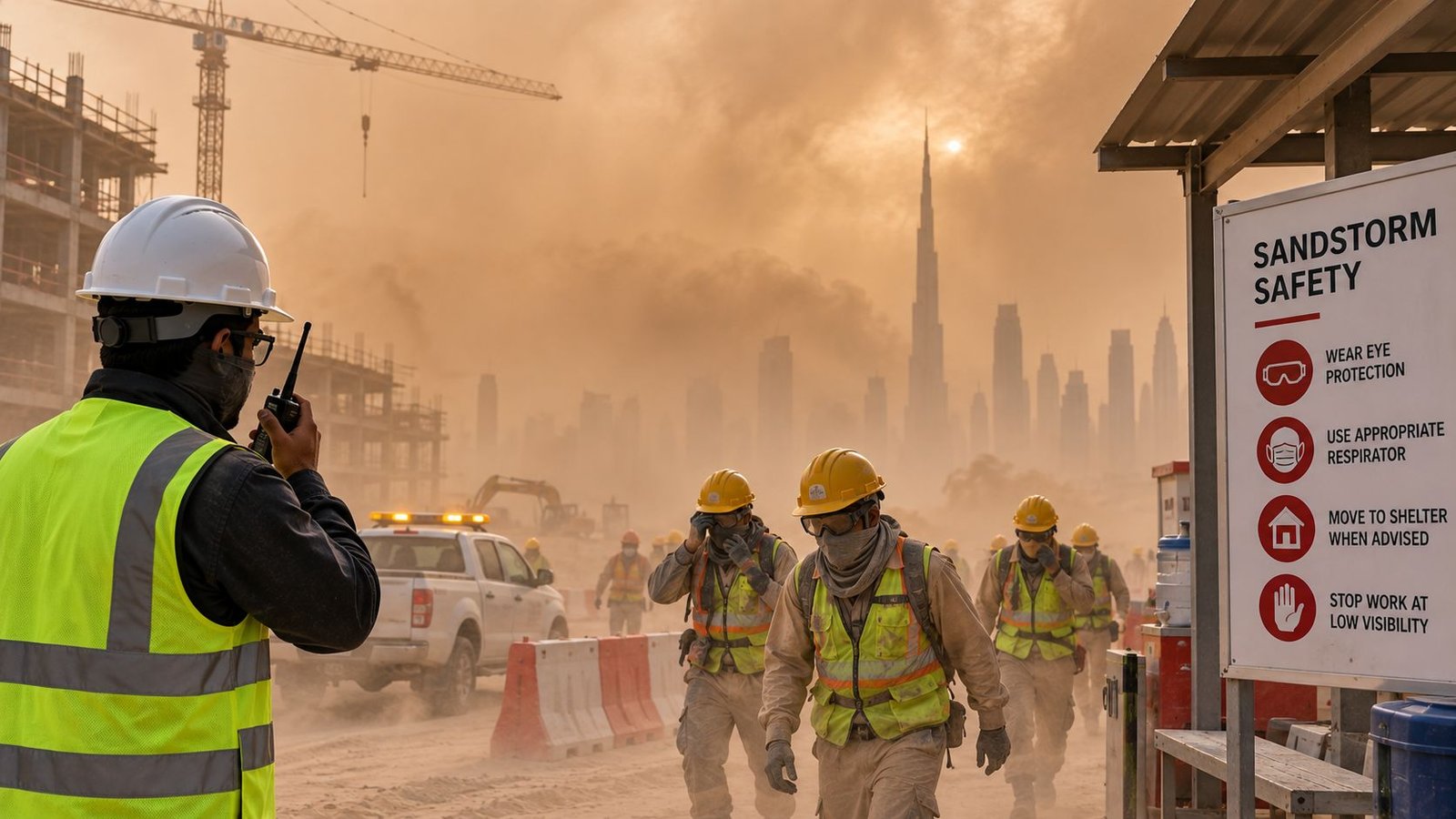
Frequent sandstorms and high dust levels throughout the UAE require specialized protective equipment maintaining security effectiveness while preserving personnel health during adverse weather conditions.
Environmental Barrier Systems
Environmental Protection Equipment
- Dust Masks/Respirators. N95+ filtration efficiency for fine particulate matter
- Eye Protection. Wraparound safety glasses with anti-fog coatings
- Equipment Covers. Protective cases for electronic devices and communication equipment
- Clothing Barriers. Tightly-woven fabrics preventing sand infiltration
Security personnel using proper dust protection maintain operational effectiveness during moderate sandstorms compared to those without adequate protection.
Maintenance and Inspection Protocols
Regular Equipment Auditing and Replacement Schedules
Safety equipment your security guard must have requires systematic maintenance ensuring reliability when needed most. Equipment failure during critical situations can result in serious injury or operational failure.
| Equipment Category | Daily Inspection | Weekly Testing | Monthly Service | Annual Replacement |
|---|---|---|---|---|
| Communication Devices | Battery/signal check | Range testing | Software updates | As manufacturer recommends |
| Protective Equipment | Visual damage assessment | Fit verification | Professional cleaning | Per certification requirements |
| Lighting Equipment | Function/brightness test | Battery replacement | Lens cleaning/calibration | 2-3 years typical lifespan |
| Medical Supplies | Expiration date verification | Inventory count | Supply restocking | Per pharmaceutical standards |
Documentation and Compliance Tracking
UAE regulatory authorities require comprehensive documentation of security equipment maintenance, training, and compliance status for audit verification and operational authorization.
Regulatory Compliance Systems
Required Documentation Framework
- Equipment Serial Numbers. Complete inventory tracking for all issued items
- Maintenance Logs. Detailed service records with technician certification
- Training Records. Personnel certification status and renewal scheduling
- Incident Reports. Equipment performance during actual emergency situations
Security companies maintaining proper documentation report fewer regulatory violations and lower insurance premiums compared to those with inadequate record-keeping systems.
Frequently Asked Questions
UAE Labor Law mandates employers provide necessary PPE including safety footwear, high-visibility clothing for traffic situations, and protective equipment appropriate to specific hazards. SIRA additionally requires bulletproof vests for certain high-risk assignments and communication devices for all security personnel. Specific requirements vary based on assignment type and location risk assessment.
SIRA regulations require daily visual inspections of all safety equipment, with formal testing schedules varying by equipment type. Communication devices need weekly range testing, protective equipment requires monthly professional inspection, and all equipment must undergo annual certification review. Companies must maintain detailed inspection logs for regulatory compliance.
Personal protection devices require specific SIRA authorization and training certification. Expandable batons are restricted to licensed security personnel with approved training, while pepper spray has limited authorization with concentration restrictions. Handcuffs may be company-issued for detention purposes but require proper restraint training and quick transfer to police custody.
Security personnel must carry SIRA-approved communication devices capable of reaching emergency services and security command centers. Digital radio systems require 12+ hour battery life and 2-5km range depending on assignment. Backup communication methods including emergency beacons and smartphone integration are increasingly required for critical infrastructure assignments.
While not specifically mandated by name, UAE occupational health regulations require employers to provide adequate protection against workplace hazards including extreme heat. For outdoor assignments exceeding 40°C, cooling equipment and hydration systems become necessary to prevent heat stress violations of worker safety requirements.
Basic first aid supplies including trauma dressings, hemostatic agents, and emergency medical equipment are recommended but not universally mandated. However, Dubai Health Authority encourages security companies to equip personnel with medical supplies and provide first aid training, as guards often serve as initial responders during medical emergencies.
SIRA establishes security-specific equipment standards beyond general UAE workplace safety requirements. While UAE Labor Law mandates basic PPE provision, SIRA adds communication device specifications, identification requirements, protective equipment standards, and training certification mandates specific to security industry operations.
Non-compliance with equipment requirements can result in immediate work suspension, fines ranging from AED 5,000-15,000 per violation, and potential SIRA license revocation. Companies face additional penalties for failing to provide mandatory equipment, with repeat violations leading to operational license suspension and increased insurance costs.
Important Safety Notice. Safety equipment your security guard must have represents minimum protection standards that may require enhancement based on specific assignment risks, environmental conditions, and evolving threat assessments. This guide provides general framework guidance but cannot replace professional security consultation and comprehensive risk assessment specific to individual operational requirements.
Proper equipment selection, maintenance, and training create the foundation for effective security operations while ensuring personnel safety and regulatory compliance. In UAE’s challenging environment where security threats range from petty crime to sophisticated organized activities, comprehensive preparation through appropriate safety equipment becomes essential for protecting both security personnel and the communities they serve.
Ready to ensure your security team meets all UAE safety equipment requirements?
Contact SIRA-certified security consultants who understand current regulatory standards and can provide comprehensive equipment assessment tailored to your specific operational needs and compliance requirements in the UAE’s evolving security landscape.