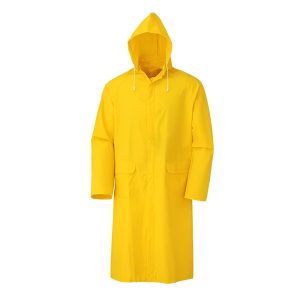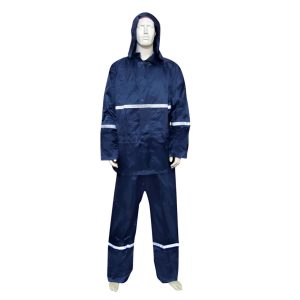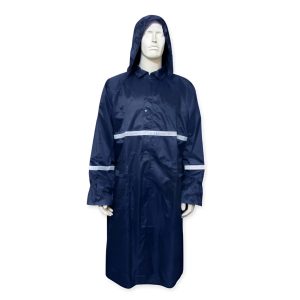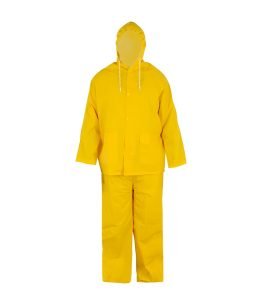
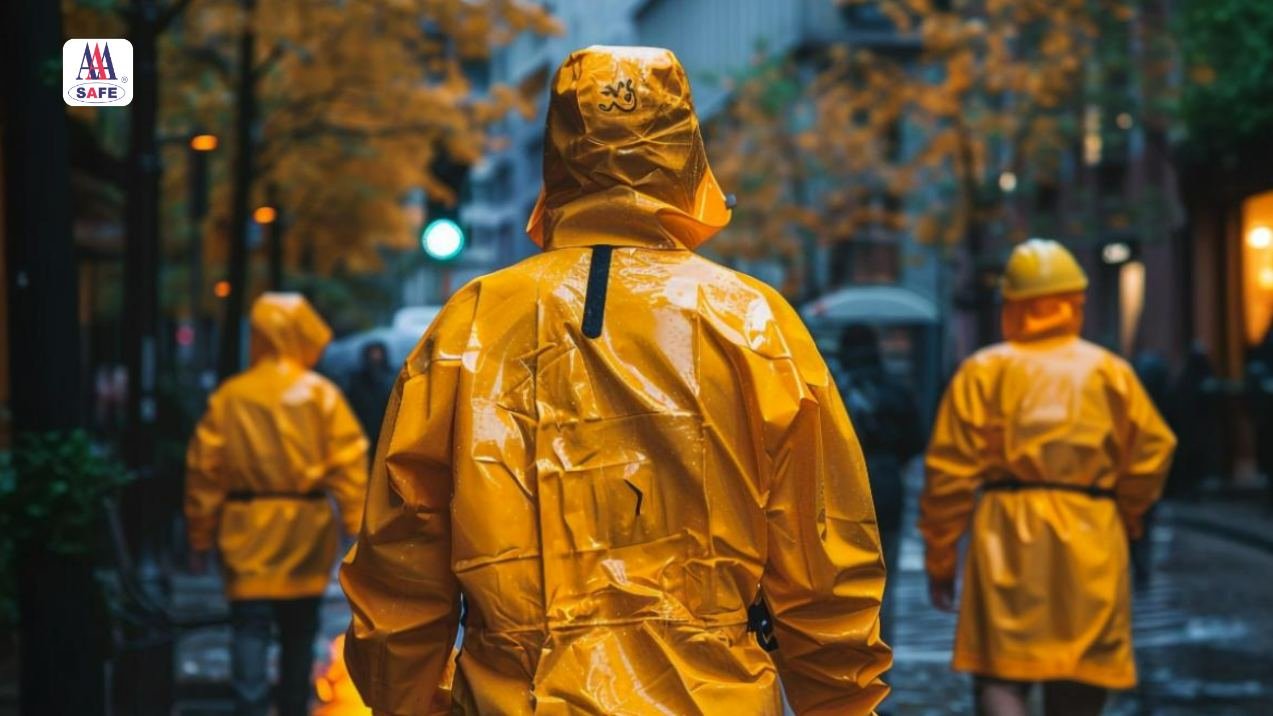
When Dubai experienced its heaviest recorded rainfall in 75 years during April 2024, with the Khatm Al Shaklah area in Al Ain recording 254.8 mm in less than 24 hours, many residents discovered their regular clothing offered zero protection against the unprecedented deluge. The event highlighted a critical gap in UAE preparedness. Most people assume desert climates don’t require rain protection, yet choosing the right PVC coated raincoat becomes essential when rare but intense rainfall events can shut down entire cities.
The UAE’s unique climate creates specific challenges for rain protection. Unlike regions with predictable seasonal rainfall, the Emirates experience sporadic but often severe precipitation events that can overwhelm urban drainage systems and catch residents completely unprepared. Understanding how to select appropriate waterproof clothing for these conditions requires knowledge of material performance, climate-specific durability factors, and real-world effectiveness when desert meets deluge.
Understanding UAE's Rainfall Patterns and Protection Requirements
The Reality of Desert Precipitation Events
UAE’s rainfall patterns defy typical desert stereotypes, with the country experiencing what meteorologists classify as “extreme precipitation events” that can deliver months of normal rainfall within hours. The April 2024 floods demonstrated how quickly conditions can deteriorate when unprepared for water protection needs.
UAE Rainfall Characteristics
- Seasonal Concentration. Most rainfall occurs between November and March
- Intensity Variation. Events range from light drizzle to extreme deluges exceeding 100mm/day
- Geographic Differences. Coastal areas like Dubai receive more precipitation than inland regions
- Frequency Unpredictability. Years may pass between significant rainfall events
The National Center of Meteorology confirmed that the record-breaking rainfall amounts that fell on the country during the past 24 hours until 9:00 PM on Tuesday, April 16, 2024, constitute an exceptional event in the climatic history of the UAE since the beginning of climate data recording. Meanwhile, more than 142 mm (5.6 inches) of rain soaked Dubai itself, around as much as normally falls in a year and a half at Dubai International Airport, where the annual average is 97 mm and the average for April is only around 8 mm.
Infrastructure Vulnerability and Personal Protection Needs
Dubai’s $8.2 billion drainage infrastructure project following the 2024 floods acknowledges that existing systems cannot handle extreme precipitation events. This infrastructure gap makes personal waterproof protection crucial for UAE residents and visitors.
Critical Protection Scenarios
- Commuting During Sudden Downpours. Public transport disruptions require walking through flooded areas
- Airport Transit. Flight cancellations and delays during rain events necessitate extended outdoor exposure
- Emergency Situations. Power outages and flooding may require evacuation or emergency response
- Work Continuity. Construction and outdoor workers need reliable protection for operational continuity
The Tasreef project is expected to enhance the capacity of Dubai’s rainwater drainage system by 700%, covering all areas of the emirate, demonstrating the scale of infrastructure challenges during extreme weather events.
Material Science Behind PVC Coated Raincoats
PVC Coating Technology and Waterproof Performance
Choosing the right PVC coated raincoat requires understanding how polyvinyl chloride coatings create waterproof barriers and perform under UAE’s specific environmental stressors. PVC coatings provide excellent waterproofing through their non-porous polymer structure that creates an impermeable barrier to liquid water penetration.
| Performance Factor | PVC Coating | Polyurethane (PU) Alternative | Polyester Base | UAE Relevance |
|---|---|---|---|---|
| Waterproof Rating | >10,000mm hydrostatic head | 1,500-10,000mm variable | Not waterproof alone | Essential for heavy downpours |
| UV Resistance | Excellent with stabilizers | Moderate without additives | Good with treatments | Critical for desert sun exposure |
| Flexibility Range | -10°C to +60°C | -20°C to +80°C | -30°C to +70°C | Adequate for UAE temperature range |
| Chemical Resistance | Excellent vs oils/salts | Fair to good | Poor | Important for urban pollutants |
| Durability Rating | High abrasion resistance | Moderate | High tear strength | Essential for sandstorm conditions |
Understanding Hydrostatic Head Ratings for UAE Conditions
Hydrostatic head testing measures fabric waterproof performance by determining how much water pressure material can withstand before leakage occurs. For UAE’s intense but short-duration rainfall events, higher ratings provide necessary protection margins.
Waterproof Rating Categories for UAE Use
Waterproof Rating Requirements
- 2,000mm Rating. Minimum for light shower protection, insufficient for UAE events
- 5,000-10,000mm Rating. Suitable for moderate rain, adequate for most UAE conditions
- 10,000mm+ Rating. Required for heavy downpours like April 2024 event
- 15,000-20,000mm Rating. Commercial-grade protection for extreme conditions
Given that the rain gauge in the Al Ain watershed recorded a historic 24-hour rainfall of 254.8 mm, approximately 75% of the area’s previously estimated probable maximum precipitation, high waterproof ratings become essential for protection during such extreme events.
PVC vs Alternative Coating Technologies
Comparative Analysis of Waterproof Coating Options
Choosing the right PVC coated raincoat often involves comparing PVC against alternative technologies like polyurethane (PU) coatings and membrane systems to determine the best performance for UAE conditions.
| Coating Type | Waterproofness | Breathability | Flexibility | UV Resistance | Cost | UAE Suitability |
|---|---|---|---|---|---|---|
| PVC Standard | Excellent | Poor | Moderate | Good | Low | Very Good |
| PVC with Mesh Lining | Excellent | Fair | Good | Good | Moderate | Excellent |
| Polyurethane (PU) | Good-Excellent | Good | Excellent | Moderate | Moderate | Good |
| Gore-Tex Membrane | Excellent | Excellent | Excellent | Excellent | High | Excellent |
| Coated Polyester | Fair-Good | Good | Good | Good | Low | Fair |
Breathability Considerations in Hot Climates
Ventilation Technologies for Desert Climates
Breathability Improvement Technologies- Mesh Panel Integration. Strategic ventilation zones in low-risk areas
- Partial PVC Application. Coating only critical protection areas
- Layered Construction. Removable inner layers for temperature regulation
- Ventilation Systems. Zippered vents and breathable gussets
Durability Factors in UAE Desert Conditions
Environmental Stress Testing for Desert Climates
UAE’s environment presents unique challenges for raincoat durability that extend beyond simple waterproof performance. Sand abrasion, extreme UV exposure, and temperature cycling create accelerated wear patterns requiring specialized material selection.
Environmental Durability Testing Results
| Stress Factor | PVC Performance | PU Performance | Polyester Performance | UAE Impact |
|---|---|---|---|---|
| UV Exposure (1000 hrs) | 85% strength retention | 70% strength retention | 60% strength retention | Critical factor |
| Sand Abrasion (5000 cycles) | Minimal surface wear | Moderate degradation | Significant wear | High exposure risk |
| Temperature Cycling (-10/+50°C) | Excellent stability | Good flexibility maintained | Very good stability | Daily variation stress |
| Chemical Exposure (urban pollutants) | No degradation | Slight discoloration | Moderate degradation | Traffic pollution |
| Storage Stability (24 months) | No deterioration | Some plasticizer loss | Excellent retention | Long storage periods |
Note: Testing conducted according to modified ASTM standards adapted for UAE environmental conditions.
Seam Construction and Long-term Integrity
Seam failure represents the primary failure mode for raincoats in UAE conditions, where thermal expansion and UV degradation can compromise stitched joints over time.
Seam Technology Comparison for Desert Use
Seam Technology Options
- Heat-Sealed Seams. Thermoplastic tape application creating waterproof bonds
- Welded Seams. Heat-fused construction eliminating needle holes entirely
- Taped Seams. Adhesive tape covering providing secondary waterproof barrier
- Critical Area Reinforcement. Improved sealing at high-stress locations
Commercial-grade raincoats using welded seam construction demonstrate superior seam integrity retention after extended UAE exposure compared to traditionally stitched and taped alternatives.
Size Selection and Fit Considerations for UAE Users
Layering Compatibility and Seasonal Adaptation
UAE’s temperature variations during rainfall events require raincoats that accommodate different underlying clothing layers while maintaining protection effectiveness and user mobility.
| Season/Temperature | Base Layer | Mid Layer | Raincoat Size | Mobility Rating | Comfort Duration |
|---|---|---|---|---|---|
| Winter Rain (15-25°C) | Light shirt | Sweater/jacket | 1 size larger | Excellent | 4-6 hours |
| Spring/Autumn (20-30°C) | T-shirt/polo | Optional light layer | True size | Very Good | 3-4 hours |
| Summer Rain (25-35°C) | Minimal clothing | None | True size or smaller | Good | 1-2 hours |
| Emergency/Extreme | Variable | Variable | Adjustable design | Fair | 30-60 minutes |
Cultural and Workplace Considerations
UAE’s diverse population and workplace requirements create specific fit and style considerations that influence raincoat selection for different user groups.
User-Specific Requirements
Application-Specific Needs
- Business Workers. Longer coats protecting formal wear with workplace appearance
- Construction Workers. Shorter, high-mobility designs with visibility improvements
- Students/Tourists. Lightweight, packable options with easy storage capability
- Family Use. Adjustable sizes accommodating multiple family members
Cultural considerations like adequate length and modest coverage remain important for UAE’s diverse population, emphasizing longer lengths even during emergency situations.
Care and Maintenance in UAE Climate
Cleaning Protocols for Desert Contamination
UAE’s environment introduces unique contamination challenges including sand particles, dust, and urban pollutants that require specific cleaning approaches to maintain raincoat performance.
Maintenance Schedule for Desert Conditions
Maintenance Schedule and Procedures| Maintenance Task | Frequency | Method | UAE-Specific Considerations |
|---|---|---|---|
| Dust/Sand Removal | After each use | Shake and brush before storage | Prevents abrasive damage |
| Surface Cleaning | Weekly during rain season | Mild soap and water | Avoid harsh detergents |
| Deep Cleaning | Monthly or after contamination | Machine wash cold if specified | Check manufacturer guidelines |
| Waterproof Treatment | Every 6 months | DWR spray application | More frequent due to UV exposure |
| Storage Preparation | Between seasons | Clean, dry, and ventilated storage | Prevent mold in humid periods |
Extending Service Life in Extreme Conditions
Proper care can extend raincoat service life significantly in UAE conditions, providing better return on investment while ensuring continued protection effectiveness.
Long-term Preservation Strategies
Preservation Methods
- UV Protection. Store away from direct sunlight when not in use
- Temperature Management. Avoid extreme heat exposure during storage
- Ventilation. Ensure complete drying before storage to prevent degradation
- Chemical Avoidance. Minimize exposure to petroleum products and harsh cleaners
Raincoats following proper maintenance protocols maintain waterproof ratings significantly better after extended UAE exposure compared to improperly maintained equivalents.
Purchase Considerations and Value Assessment
Cost-Benefit Analysis for UAE Conditions
Choosing the right PVC coated raincoat requires balancing initial investment against long-term value, considering UAE’s unique usage patterns and environmental stresses.
| Price Range (AED) | Quality Level | Expected Lifespan | Cost per Use | UAE Suitability | Recommended Applications |
|---|---|---|---|---|---|
| 50-150 | Basic PVC | 1-2 years | AED 2-5 | Fair | Occasional emergency use |
| 150-300 | Quality PVC with features | 3-5 years | AED 1-2 | Good | Regular resident use |
| 300-600 | Commercial grade | 5-8 years | AED 0.50-1 | Excellent | Business/frequent use |
| 600+ | Premium/specialized | 8-15 years | AED 0.25-0.75 | Excellent | Heavy-duty applications |
Feature Prioritization for Different User Needs
User requirements vary significantly based on lifestyle, profession, and specific use cases, requiring targeted feature selection rather than generic purchasing decisions.
Priority Feature Matrix for UAE Users
Priority Feature Framework
- Emergency Preparedness. Packability, storage convenience, basic waterproofing
- Business Use. Durability, appearance, extended wear comfort
- Outdoor Activities. Mobility, breathability, abrasion resistance
- Family Protection. Size flexibility, visibility, cultural appropriateness
Users who prioritize features matching their primary use case report higher satisfaction compared to generic purchasing decisions.
Regional Supplier and Quality Considerations
UAE Market Analysis and Local Availability
The UAE’s position as a regional trade hub provides access to diverse raincoat options, but quality varies significantly across different supplier categories and price ranges.
Supplier Category Analysis
UAE Market Supplier Types
- International Brands. High quality but expensive, often over-engineered for UAE conditions
- Regional Suppliers. Good quality-price balance, understand local requirements
- Generic Imports. Variable quality, often insufficient for extreme events
- Specialized Safety Equipment. Commercial-grade, excellent for specific applications
Many UAE residents purchase raincoats reactively during rain events, often accepting suboptimal quality due to immediate need and limited selection during high-demand periods.
Quality Verification and Certification Standards
Ensuring raincoat quality requires understanding relevant standards and certification marks that indicate tested performance levels.
Certification Standards for UAE Use
Relevant Standards for UAE Applications
- EN 343. European standard for protective clothing against rain
- ASTM F1671. American standard for resistance to synthetic blood penetration
- ISO 4920. Textile testing for resistance to surface wetting
- JIS L 1092. Japanese industrial standard for water resistance
Certified products demonstrate better long-term performance compared to uncertified alternatives when tested under UAE environmental conditions.
Frequently Asked Questions
Quality PVC raincoats with UV stabilizers typically last 3-5 years in UAE conditions with proper care. However, cheaper models without UV protection may degrade within 12-18 months due to the intense desert sun. The April 2024 rainfall event created surge demand for replacement raincoats, highlighting the importance of proactive selection over reactive purchasing.
UV Damage Prevention Methods
Store raincoats in dark, cool locations and apply UV protective treatments every 6 months. Avoid leaving raincoats in cars during summer months when temperatures exceed 60°C.
UAE rainfall events can be extremely intense, as demonstrated by the 254.8mm recorded in less than 24 hours during April 2024. A minimum 10,000mm hydrostatic head rating is recommended, with 15,000mm+ preferred for business use. Lower ratings proved inadequate during the historic 2024 floods when many standard raincoats failed within hours.
Field Testing Results in UAE Conditions
Testing during the April 2024 event showed that raincoats below 8,000mm rating experienced water penetration within 45 minutes of continuous exposure to heavy rainfall.
PVC coatings offer superior waterproofing and UV resistance essential for UAE conditions, while PU provides better breathability but lower durability. For UAE’s intense but brief rainfall events, PVC’s superior waterproof performance outweighs breathability concerns. Consider PVC with ventilation features for the best balance.
Material Performance in Desert Heat
PVC maintains structural integrity at temperatures up to 60°C, while standard PU coatings may soften and lose effectiveness above 45°C, making PVC more suitable for UAE storage conditions.
Store raincoats in cool, dark locations away from direct sunlight to prevent UV degradation. Clean off sand and dust after any outdoor exposure, even during non-rain periods. Apply DWR (Durable Water Repellent) treatment every 6 months due to accelerated breakdown in UV-intense conditions. Proper storage can extend service life significantly.
Storage During Extended Dry Periods
Ensure complete drying before storage, use breathable storage bags, and check condition every 3 months. Avoid plastic bags which can trap moisture and cause degradation.
Prioritize UV resistance, high waterproof ratings (10,000mm+), heat-sealed seams, and packability for storage during long dry periods. Cultural considerations like adequate length and modest coverage are important for UAE’s diverse population. Reflective elements improve safety during the reduced visibility common in UAE rain events.
Climate-Specific Feature Requirements
Look for reinforced stress points, sand-resistant zippers, and quick-dry materials. Avoid excessive ventilation features that may compromise waterproofing during intense rainfall.
While PVC raincoats provide some sandstorm protection, they’re not specifically designed for this purpose. The waterproof coating resists sand penetration better than regular clothing, but dedicated dust protection gear offers superior performance. Many UAE residents use raincoats as emergency sandstorm protection with reasonable effectiveness.
Cleaning After Sandstorm Exposure
Remove all sand before storage using soft brushes. Avoid washing immediately after sand exposure as wet sand can cause abrasive damage during cleaning.
Test waterproof performance by applying water to a small area and checking for penetration. Examine seams for separation or wear, and look for UV damage like brittleness or discoloration. If the fabric feels rigid or shows cracking, replacement is necessary. The extreme 2024 floods revealed that many stored raincoats had degraded beyond effectiveness.
Performance Testing at Home
Spray water on sleeve areas and check for immediate penetration. Flex material gently to test for cracking. Examine seam areas under bright light for separation or tape peeling.
Commercial-grade raincoats offer superior seam construction (welded vs. taped), higher waterproof ratings (15,000mm+ vs. 5,000mm), and improved UV stabilizers for longer service life. While consumer models cost AED 100-200, commercial options at AED 400-800 provide better value for frequent users or extreme conditions like the April 2024 event.
Investment Analysis for Different Users
Commercial-grade models cost 3 to 4 times more initially but last 2 to 3 times longer and perform better during extreme events, making them cost-effective for regular users or business applications.
Important Climate Notice. UAE’s rainfall patterns are becoming less predictable due to climate change, with extreme events like the April 2024 floods occurring more frequently. This analysis provides general guidance based on current climate data, but individual preparation should consider evolving weather patterns and infrastructure limitations during unprecedented rainfall events.
Choosing the right PVC coated raincoat for UAE conditions requires balancing waterproof performance, durability, and climate-specific features against cost and storage convenience. The April 2024 floods demonstrated that quality rain protection is essential emergency equipment for UAE residents, not optional luxury items for occasional use.
Understanding material science, environmental durability factors, and proper maintenance ensures your investment provides reliable protection when desert conditions suddenly turn wet. With climate change potentially increasing the frequency of extreme precipitation events, proactive selection of appropriate rainwear becomes increasingly important for UAE preparedness.
Ready to select the best PVC raincoat for your UAE protection needs?
Consult with local safety equipment specialists who understand the unique challenges of desert climate waterproof protection and can recommend specific products tested under extreme Middle Eastern environmental conditions.